George Washington: The General Who Became America’s First President

Why George Washington: The General Who Became America's First President Matters
George Washington: The General Who Became America's First President represents one of history's most remarkable stories: the journey from a Virginia planter to the leader of an army, and finally to the architect of American democracy.
Quick Answer: George Washington's Journey
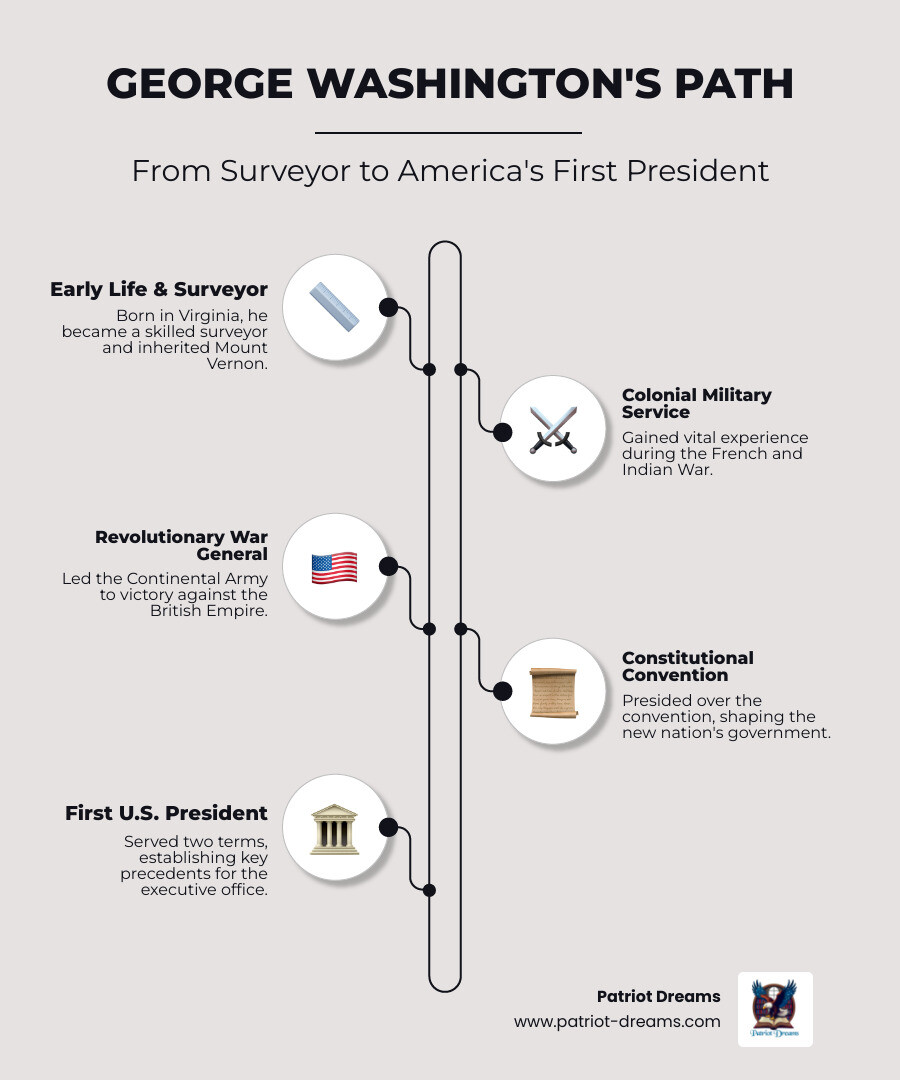
- 1732-1752: Born in Virginia, worked as surveyor, inherited Mount Vernon
- 1754-1758: Military experience in French and Indian War
- 1775-1783: Commander-in-Chief of Continental Army during Revolutionary War
- 1787: Presided over Constitutional Convention
- 1789-1797: First President of the United States, serving two terms
- Key Legacy: Set crucial precedents for presidential power and peaceful transfer of authority
On April 30, 1789, George Washington took his oath as America's first president on the balcony of Federal Hall in New York City. This moment was the culmination of a journey that began decades earlier on a Virginia plantation.
Washington's path was not predetermined. He began as a surveyor, became a colonial militia officer, and led the Continental Army against the world's most powerful empire. His victory was just the beginning; he then faced the challenge of creating a new government.
Washington's indispensability came from his character. He refused to become king and stepped down after two terms, decisions that forever shaped American democracy.
His story shows how one person's choices can define a nation. Washington's leadership transformed thirteen rebellious colonies into the United States of America.
From Surveyor to Soldier: Washington's Formative Years
Before George Washington: The General Who Became America's First President was a household name, he was a boy in colonial Virginia, born at Popes Creek in 1732. His family moved to Ferry Farm when he was six. After his father's death when George was eleven, his education remained local, unlike his half-brothers who studied in England.
Gifted in mathematics and surveying, Washington began working as a professional surveyor at seventeen. This frontier work taught him to read the land and manage men, skills crucial to his later military success.
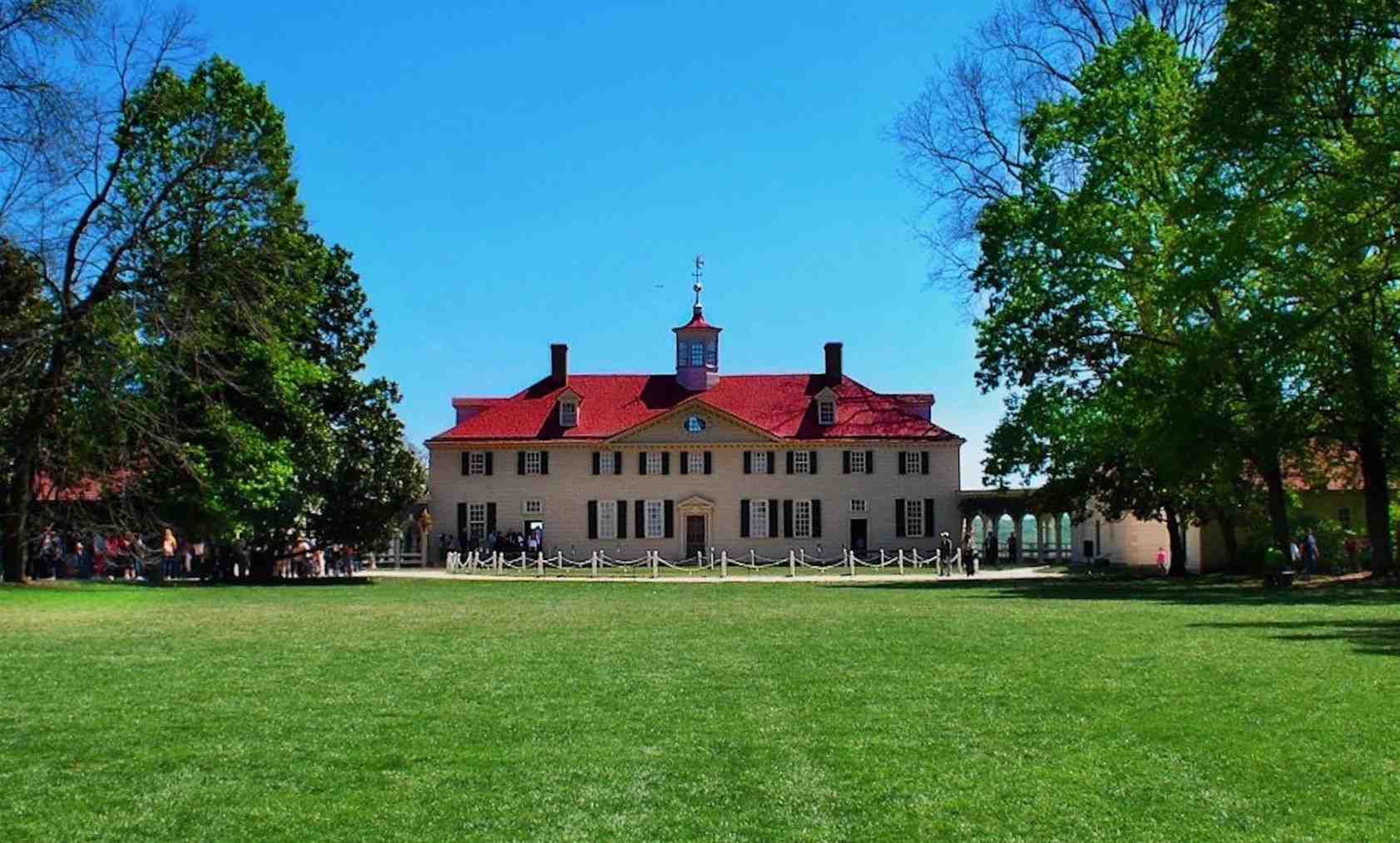
His half-brother Lawrence was a mentor, introducing him to influential Virginians. Upon Lawrence's death in 1752, George inherited Mount Vernon, his lifelong home.
In 1759, he married Martha Dandridge Custis, a wealthy widow. Washington became a devoted stepfather to her two children, Jacky and Patsy. Martha's wealth and social standing helped establish him as a leading Virginia planter.
The French and Indian War
Washington's military career began in 1753. At 21, the newly commissioned as a lieutenant colonel, he was sent to the Ohio wilderness to deliver an ultimatum to French forces.
This led to the Jumonville Glen affair in 1754, where his force ambushed a French patrol. The French leader was killed, and this skirmish helped spark a world war.
Washington then hastily built Fort Necessity. Surrounded by French and Native American forces, he suffered his first major defeat. The surrender at Fort Necessity was humiliating but taught him valuable lessons about defensive positions and allies.
The next year, Washington served as an aide to General Edward Braddock. He warned Braddock about frontier warfare, but the British general dismissed his advice.
The Battle of the Monongahela was a disaster. French and Native American fighters ambushed Braddock's army. British soldiers panicked, Braddock was killed, and Washington had two horses shot from under him while rallying survivors.
Despite these defeats, Washington gained crucial, yet difficult, military experience. He learned that European tactics failed in American forests and finded the importance of flexible leadership and local knowledge—lessons that would serve him well when he later faced the British army as an enemy.
These early military experiences shaped the leader who would one day guide America to independence.
Commander in Chief: Leading the Continental Army
In June 1775, the Second Continental Congress unanimously chose Washington as Commander-in-Chief of the Continental Army. His character, presence, and willingness to serve without pay were as important as his military experience.
Arriving in Cambridge, Massachusetts, on July 3, 1775, Washington faced an overwhelming challenge. His "army" was a collection of ill-equipped farmers and tradesmen who lacked discipline and supplies.
Washington saw potential in the chaos. He began forging an army from these ill-trained troops, instilling discipline, organizing supply lines, and inspiring them to believe they could defeat the world's most powerful military.
Washington's leadership was tested during the harsh winter at Valley Forge in 1777-1778. As his army suffered from a lack of food and clothing, his unwavering presence held it together. He shared their hardships and convinced them their cause was worth the pain.
Martha Washington joined him that winter, organizing care for the sick and wounded. Her presence was a reminder that the fight was about building a nation for families.
With help from Prussian officer Baron von Steuben, Washington transformed the survivors into a disciplined fighting force. The army that marched out of Valley Forge in the spring was a testament to this change.
Key Strategies and Victories
Washington knew he didn't need to crush the British army, only outlast it. His Fabian strategy of attrition—wearing down a stronger enemy through patience—became the foundation for victory.
He perfected the art of harassing the British with hit-and-run tactics, strategic retreats, and surprise attacks. He struck when they least expected it.
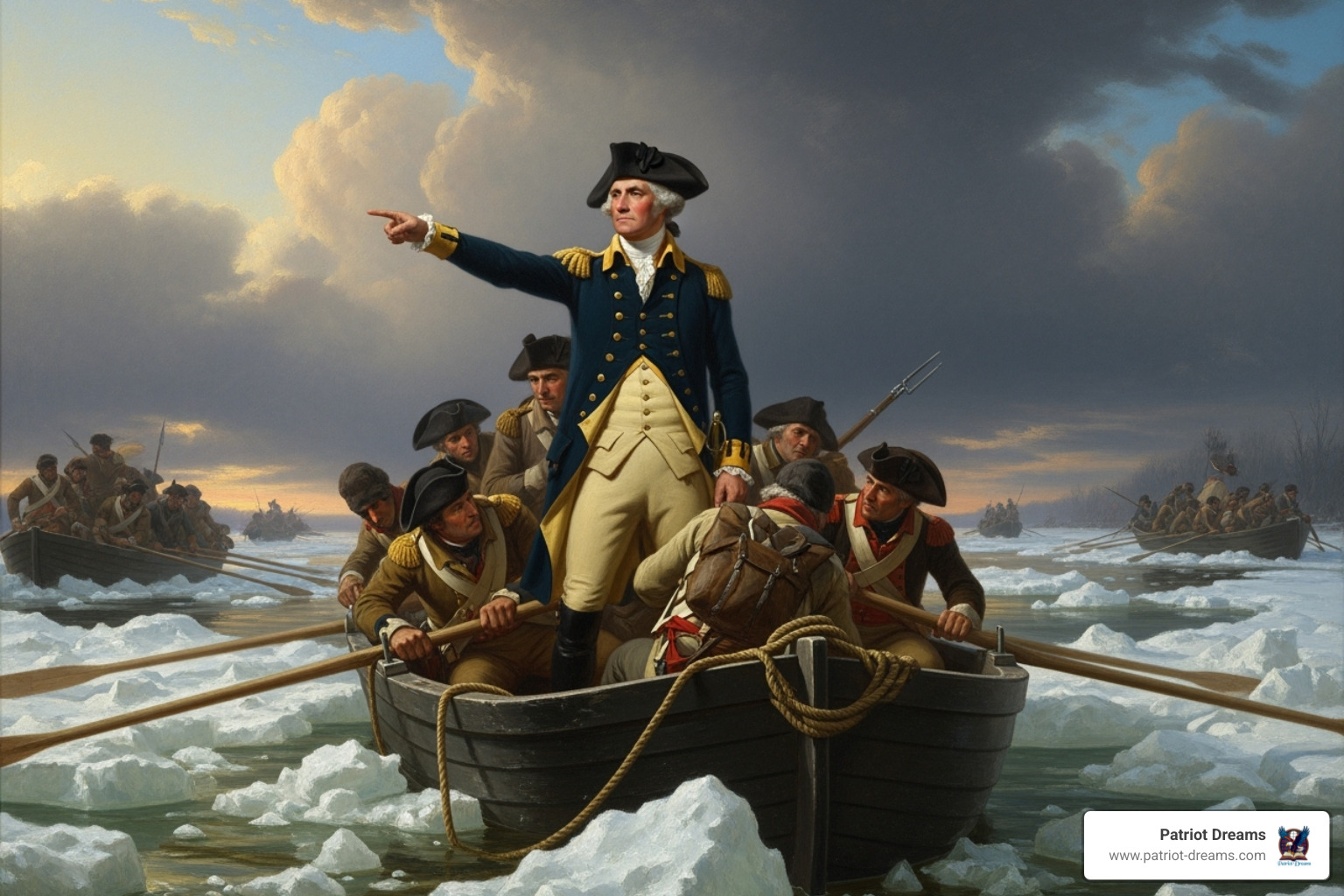
The most famous example was on Christmas night, 1776. With the cause hanging by a thread, Washington led his army across the icy Delaware River. The pivotal victory at Trenton, a surprise attack on Hessian mercenaries, was a bold and decisive move.
This victory was a miracle for morale. Americans believed again, and recruits flocked to join the army.
Washington's greatest strategic triumph was securing the alliance with the French. His diplomatic persistence and American victories convinced France to join the war, changing the conflict.
These elements converged at the Siege of Yorktown in 1781. French naval support and combined American-French forces led to Washington's decisive victory. The surrender of General Cornwallis's army effectively ended the war and secured American independence.
The man who had started as a young surveyor in Virginia had become the general who defeated an empire.
Mr. President: George Washington, The General Who Became America's First President

After winning the war, George Washington: The General Who Became America's First President shocked the world. In December 1783, he resigned his commission and returned to private life at Mount Vernon. King George III reportedly called him "the greatest man in the world" for this act. Unlike other leaders, Washington voluntarily gave up power.
His retirement was short-lived. By 1786, the nation was failing under the Articles of Confederation. Delegates unanimously chose Washington to preside over the 1787 Constitutional Convention. His quiet presence lent legitimacy to the proceedings as others debated America's future.
The new Constitution needed a leader. The Electoral College unanimously elected Washington as the first president—twice. He took the oath of office on April 30, 1789, in New York City.
Forging a New Government
In 1789, Washington faced building a government with no instruction manual. Every decision set a precedent. He created the first presidential Cabinet, choosing rivals Thomas Jefferson for State and Alexander Hamilton for Treasury. Their opposing views allowed Washington to hear all sides before making decisions.
The Hamilton-Jefferson rivalry became legendary. Hamilton favored a strong federal government and ties with Britain, while Jefferson preferred states' rights and supported France. Washington valued their differing perspectives, despite their heated debates.
The 1794 Whiskey Rebellion tested the new government's authority. When Pennsylvania farmers rebelled against a whiskey tax, Washington decisively led 13,000 militiamen to quell the uprising. The rebellion collapsed, proving the federal government could enforce its laws.
Foreign policy was also tricky. When war broke out between Britain and France in 1793, Washington issued the Proclamation of Neutrality. This unpopular decision kept America out of European wars, giving the young nation time to strengthen. The controversial 1795 Jay Treaty with Britain also tested his leadership. Though it avoided war, Washington supported it, knowing war with Britain would destroy the republic.
Perhaps his most important precedent was establishing the two-term tradition. By voluntarily stepping down, he cemented the principle of a peaceful transfer of power, a cornerstone of American democracy.
How George Washington: The General Who Became America's First President, Shaped the Office
Washington knew his every action set a precedent. He chose simplicity over grandeur, preferring the title "Mr. President" to royal alternatives. His plain carriage and simple bow sent a clear message: America's leader was a citizen, not a king.
His balancing of domestic and foreign policy became a model. He supported Hamilton's controversial financial plans to create a stable economy while keeping America neutral in foreign affairs.
His Cabinet meetings established a functional executive branch. He encouraged debate and made decisions based on the country's best interest, not popularity, trying to harness the talents of rivals like Hamilton and Jefferson.
By defining the role of the executive branch, Washington showed a president could be strong without being a tyrant. He proved republican government could work, even when facing serious crises. The foundation Washington built still supports American democracy today.
The Indispensable Man: Farewell, Retirement, and Legacy
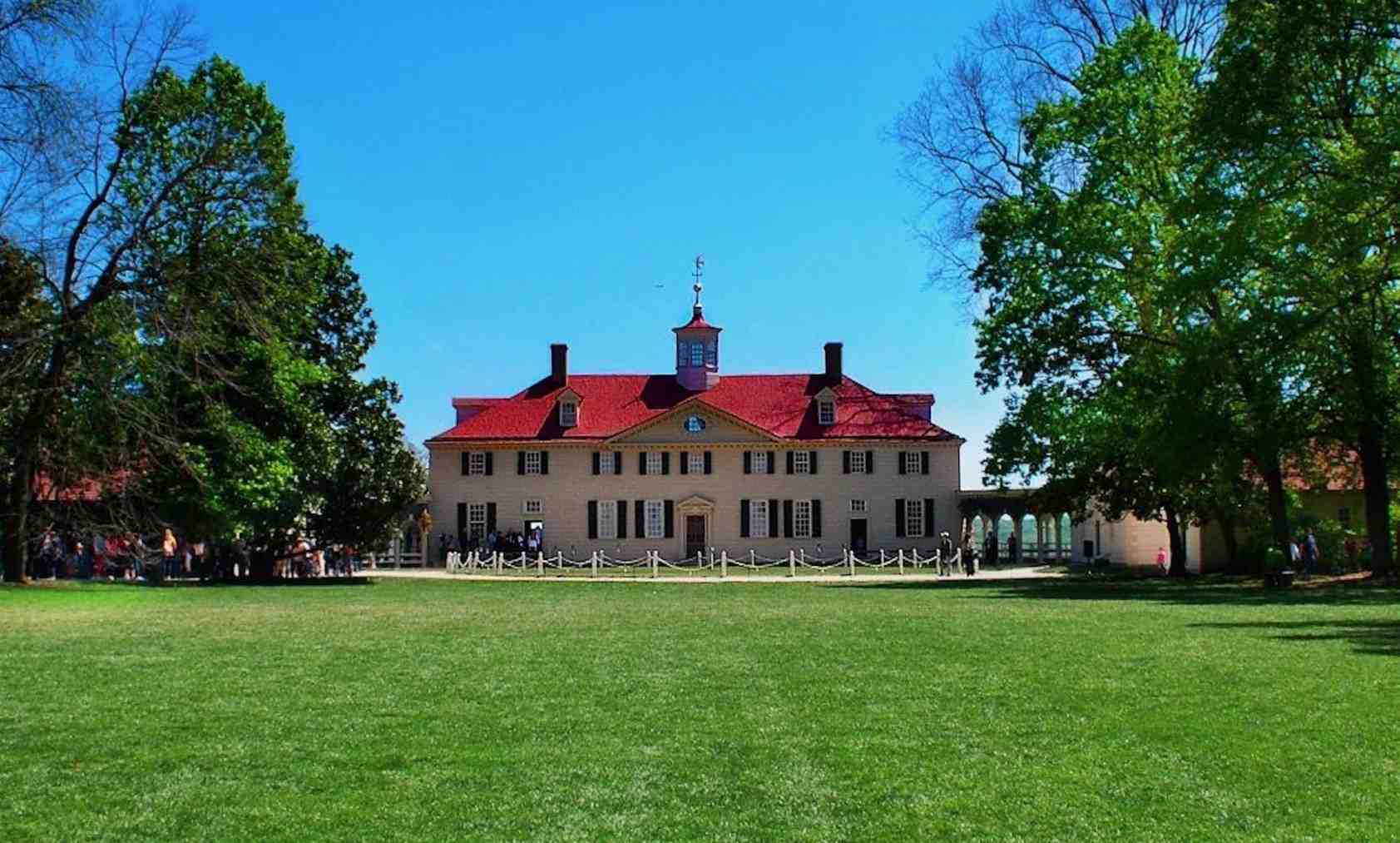
After eight years as president, George Washington: The General Who Became America's First President made another crucial decision: he walked away. On March 4, 1797, he handed power to John Adams and returned to Mount Vernon, again choosing duty over ambition.
The man who could have been king was ready to be a farmer again. At 65, he managed his estate with the same energy he had brought to leading the nation. Mount Vernon was his laboratory. He experimented with new crops like wheat, designed an innovative 16-sided barn for efficient threshing, and studied soil improvement.
He also proved a savvy businessman. His successful distillery was one of America's largest. He also operated a flour mill and other ventures to make Mount Vernon profitable. Martha remained his partner, managing the household and entertaining the many visitors. Together, they created a home that reflected their life of public service.
The Legacy of George Washington: The General Who Became America's First President
Before leaving office, Washington offered his wisdom in his Farewell Address. Published in 1796, it warned against the dangers of political factions and mess in foreign affairs. This advice shaped American policy for generations.
When Washington died on December 14, 1799, the nation mourned deeply. Henry Lee captured the sentiment: "First in war, first in peace, and first in the hearts of his countrymen."
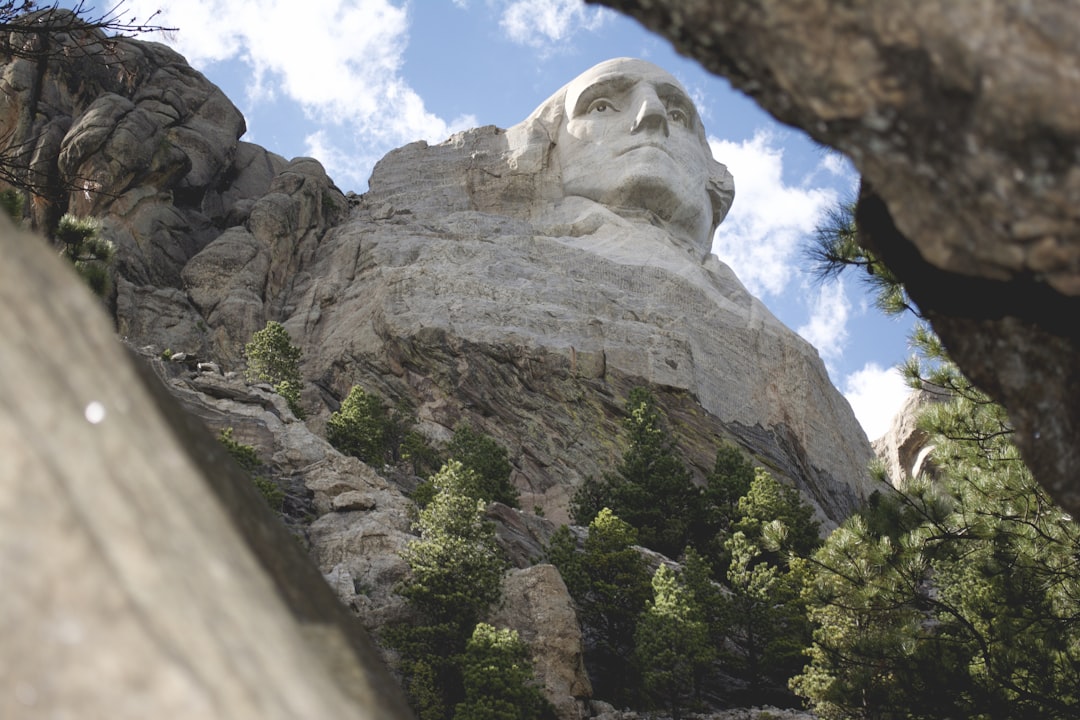
Remembered as the "Father of His Country," Washington proved a republic could work. He showed that power could be transferred peacefully and that a leader could serve without becoming a tyrant, creating the foundation for the presidency.
Yet Washington's legacy is complex. He was a slaveholder who, by his death, had over 300 enslaved people at Mount Vernon. While he privately questioned slavery and freed his enslaved workers in his will, he never publicly championed abolition during his presidency.
This contradiction is part of understanding the full man. His complex legacy on slavery reminds us that he helped create a nation founded on liberty while participating in an institution that denied it.
Washington's influence extends far beyond his own era. His example of selfless leadership continues to inspire leaders around the world.
Frequently Asked Questions about George Washington
Here are the most common questions about the remarkable life of George Washington: The General Who Became America's First President.
What were George Washington's most significant accomplishments?
George Washington had several monumental accomplishments that shaped American history.
- Leading the Continental Army to victory was a heroic achievement. Taking command in 1775, his leadership held a ragtag army together for eight years to defeat the British Empire and win American independence.
- Presiding over the Constitutional Convention in 1787 was crucial. With the nation failing under the Articles of Confederation, his presence lent the proceedings vital authority, helping create the U.S. Constitution.
- Serving as the first President, he became indispensable. With no playbook, he set precedents like the Cabinet system and the two-term tradition, proving a republic could succeed.
Did George Washington have children?
George and Martha Washington never had biological children together, a source of private sadness. However, when he married Martha in 1759, he became a loving stepfather to her children, John "Jacky" Parke Custis and Martha "Patsy" Parke Custis.
Tragedy struck the family twice. Patsy died at 17 in 1773, likely from epilepsy. Jacky died of camp fever in 1781 during the Siege of Yorktown.
After Jacky's death, the Washingtons raised his two youngest children, Eleanor "Nelly" Parke Custis and George Washington Parke Custis, as their own at Mount Vernon.
How did George Washington die?
Washington's sudden death shocked the nation. On December 12, 1799, the 67-year-old spent hours riding his horse in cold, wet weather at Mount Vernon. The next morning, he awoke with a severe sore throat, and his condition worsened rapidly.
Doctors used common 18th-century treatments, including aggressive bloodletting, which likely weakened him. Modern doctors believe he had acute epiglottitis, a severe throat infection that can block breathing.
He died peacefully on December 14, 1799, at his beloved Mount Vernon. His last words were reportedly, "'Tis well."
News of his death spread across America, prompting widespread mourning. The man who had seemed indestructible was gone, but his legacy as George Washington: The General Who Became America's First President would live on forever.
Conclusion
From surveyor to general to president, the journey of George Washington defined a nation. His story is not just about one man, but about the soul of America.
His journey reminds us that greatness is forged through decisions. Choosing duty over gain, crossing the Delaware, and twice walking away from power—these moments created the blueprint for American leadership.
His vision and character guided the new nation. The precedents he set, from the title "Mr. President" to the peaceful transfer of power, became the foundation of our democracy. He proved a republic could work.
Washington's legacy remains powerful today. His warnings about political divisions and foreign messs are still relevant, and his example of selfless leadership is a guide for all.
At Patriot Dreams, we understand that these pivotal moments in American history aren't just dates in textbooks—they're the living stories that shaped who we are as a people. Through our immersive audio experiences, you can walk alongside Washington as he makes those crucial decisions that changed the world. Our interactive map and unique listening modes bring these stories to life in ways that textbooks simply can't match.
History becomes personal when you can truly feel its impact. That's why we combine historical exploration with family legacy preservation, helping you connect your own story to the larger American narrative. Explore more features from Patriot Dreams and find how we make the past come alive for families like yours.

Join the Patriot Dreams Community
Download the app today and start your journey through American history and personal legacy.

Explore Our Latest Insights
Dive into stories that shape our American legacy.