The Pigeon Who Saved 194 Men: The Heroic Tale of Cher Ami

An Unlikely Hero with Feathers
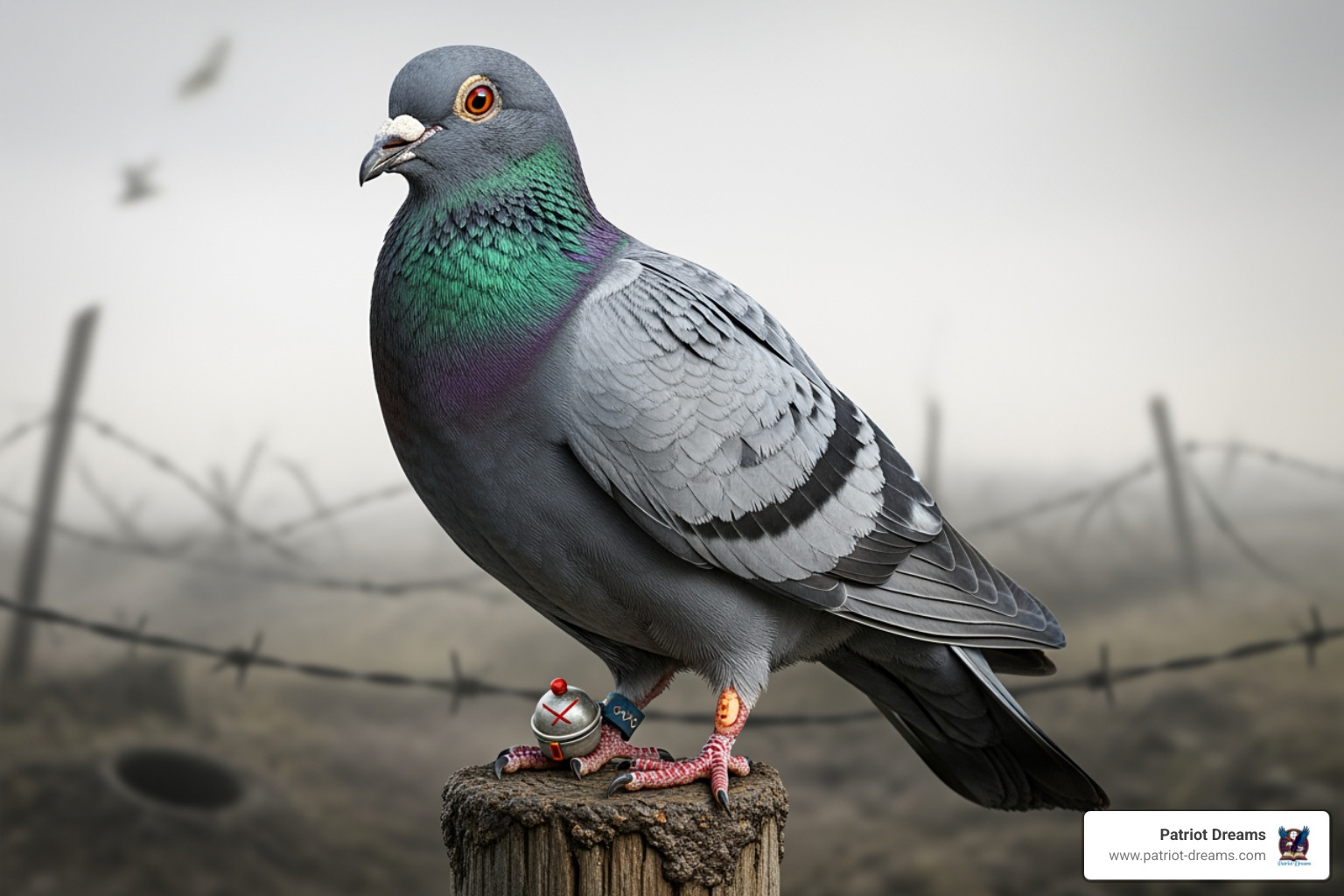
The Pigeon Who Saved 194 Men: The Heroic Tale of Cher Ami is a story about a small homing pigeon who flew through enemy fire in World War I to deliver a desperate message that saved nearly 200 American soldiers trapped behind enemy lines. Despite being shot, blinded in one eye, and losing a leg, Cher Ami completed his 25-mile mission in just 25 minutes.
Quick Facts About Cher Ami's Heroic Mission:
- Who: Cher Ami, a homing pigeon with the U.S. Army Signal Corps
- When: October 4, 1918, during the Meuse-Argonne Offensive
- What: Delivered a critical message to stop friendly artillery fire
- Injuries Sustained: Shot through the chest, blinded in one eye, leg nearly severed
- Distance Flown: 25 miles in approximately 25 minutes
- Lives Saved: 194 men of the "Lost Battalion"
- Recognition: Awarded the French Croix de Guerre with Oak Leaf Cluster
- Legacy: Preserved and displayed at the Smithsonian Institution
When we think of war heroes, we picture soldiers in uniform. We imagine acts of courage on battlefields, medals pinned to brave chests, and stories of human valor passed down through generations.
But sometimes, heroes come with feathers instead of uniforms.
In the chaos of World War I, when nearly 550 American soldiers found themselves trapped behind enemy lines in France's Argonne Forest, their salvation came from an unlikely source. With communication lines cut and two messenger pigeons already shot down by German forces, one small bird remained. His name was Cher Ami, French for "dear friend."
What happened next would become one of the most remarkable tales of courage in American military history. This isn't just a story about a pigeon. It's a story about determination, sacrifice, and how heroism can emerge from the most unexpected places.

The Feathered Messengers of World War I
Before the advent of modern telecommunications, the world relied on some truly ingenious methods to send messages across vast distances. Among the most remarkable of these were pigeons. For thousands of years, humans have recognized and used the extraordinary ability of pigeons to "home" back to their families, a trait that makes them completely devoted to their mission. We've seen them relay results of the first Olympic Games and even deliver breaking news dispatches for the Associated Press. It's a testament to their reliability and innate navigation skills.
During World War I, as the machinery of war became more complex, communication remained a persistent challenge. Telephone and radio technologies were still relatively new, often unreliable, and easily compromised or cut off in the chaos of the battlefield. This is where the humble pigeon soared into importance. The U.S. Army Signal Corps established a Pigeon Service in July 1917, and these feathered messengers became a standard and vital communication strategy for our troops.
The U.S. Army Signal Corps Pigeon Service employed over 600 birds during World War I. These pigeons were reliable, fast, and surprisingly accurate in navigating back to their home lofts, even through hostile skies. They could fly up to 15 hours a day, covering hundreds of miles at speeds reaching 60 miles per hour, especially with a helpful tailwind. Recent research even suggests that pigeons create a "sound map" in their heads using low-frequency sounds, helping them steer unfamiliar terrains. To support their missions, mobile lofts were used, moving with the troops to ensure the pigeons always had a "home" to return to, even as the front lines shifted. These birds played a crucial role in maintaining contact between the front lines and command posts when all other methods failed.
The Perilous Skies
Life for a messenger pigeon on the Western Front was anything but peaceful. The skies were filled with danger, not just from the elements, but from enemy forces who understood the critical role these birds played. German marksmen were specifically trained to shoot down communication pigeons, knowing that a successful pigeon flight could turn the tide of a local engagement. With German MG 08 machine guns capable of firing over 500 rounds per minute, every flight was a high-risk mission for these brave birds.
Our soldiers, often isolated and vulnerable, depended on these pigeons as a last resort for communication. Imagine the tension of releasing a pigeon into a sky filled with bullets and shrapnel, knowing that the lives of your comrades might depend on that tiny bird's ability to survive and deliver its message. The perilous skies of World War I were a true test of courage, not just for our soldiers, but for their feathered companions as well. We are reminded that heroism comes in many forms, and sometimes, it flies on the fastest wings. To learn more about other brave individuals who shaped our nation's history, we invite you to explore more about American heroes.
A Battalion Lost and Surrounded
The autumn of 1918 brought some of the most brutal fighting of World War I, and for American forces, the Meuse-Argonne Offensive was particularly bloody. It was during this massive campaign in Eastern France that a group of our soldiers found themselves in an unimaginable predicament.
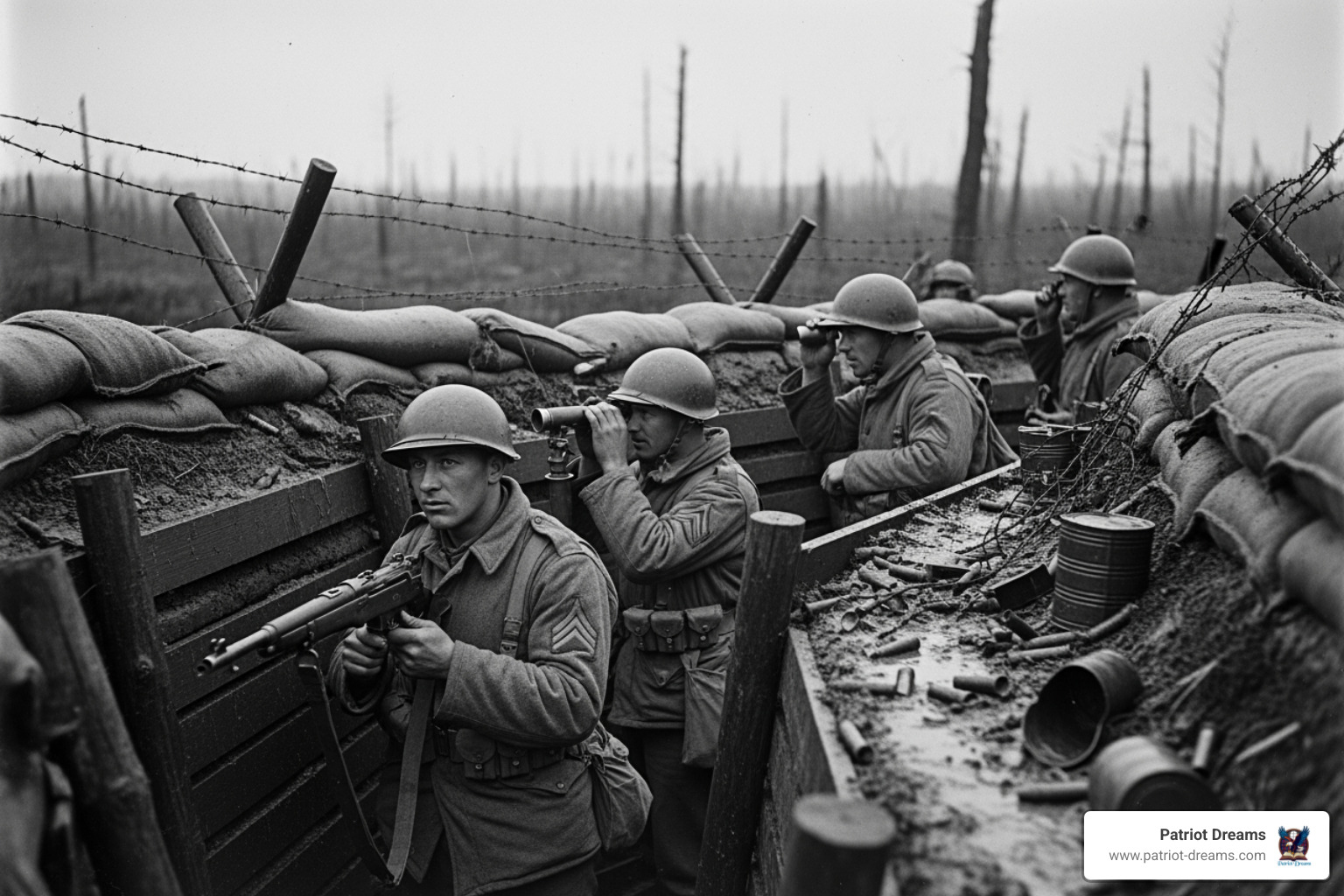
Under the command of Major Charles W. Whittlesey, approximately 550 men from the 306th, 307th, and 308th regiments, collectively known as the Lost Battalion), pushed deep into the Argonne Forest. Their mission was to break through German lines, but the advance was swift and chaotic. As they moved forward, they became completely cut off from reinforcements, food, and water. German forces quickly surrounded them, trapping them in a small ravine.
The situation was dire. Not only were they encircled by the enemy, but a tragic turn of events saw them mistakenly shelled by their own artillery, unaware that the battalion had advanced so far. This friendly fire compounded their misery, causing devastating casualties and eroding morale. The Lost Battalion faced a desperate five-day ordeal, enduring constant enemy attacks, dwindling supplies, and the crushing realization that their own side was inadvertently targeting them. This was an extremely deadly part of the Meuse-Argonne Offensive, a campaign that would eventually lead to the Armistice on November 11, 1918, but not before exacting a heavy toll. Of the nearly 550 men trapped, the battalion incurred almost 70% casualties during their stand.
A Desperate Plea for Help
With telephone lines cut and human runners facing almost certain death, communication became the most critical, yet elusive, element for the trapped soldiers. Major Whittlesey and his men knew they needed to alert their command to their precise location and, most urgently, to stop the friendly artillery barrage that was decimating their ranks.
They turned to their last resort: messenger pigeons. Two pigeons were dispatched, carrying urgent pleas for help. But the perilous skies and the vigilant German marksmen proved too formidable; both birds were shot down, their messages never reaching their intended destination. Hope began to wane, but there was one last bird, a "black check cock homing pigeon," whose name would soon be etched into history: Cher Ami.
On the afternoon of October 4, 1918, Major Whittlesey scribbled a hasty, desperate message on a piece of thin paper, detailing their position and the horrific friendly fire they were enduring. The note read: "We are along the road parallel to 276.4. Our own artillery is dropping a barrage directly on us. For heaven’s sake, stop it." This tiny slip of paper, rolled and placed into a capsule, was attached to Cher Ami's leg. This message was the last hope for the 194 men whose lives hung in the balance. It was an act of profound bravery, not just for the men who released him, but for the pigeon who would carry their fate on his wings. We can almost hear the urgency in Major Whittlesey's words, a plea that echoes the defiance seen in other American heroes, much like the steadfastness we explore in a story of similar defiance.
The Pigeon Who Saved 194 Men: The Heroic Tale of Cher Ami
With the fate of nearly 200 American soldiers resting on his small shoulders, Cher Ami was released into the maelstrom of the Argonne Forest. We can only imagine the scene: the roar of artillery, the crackle of rifle fire, the desperate prayers of the men below. This was no ordinary flight; it was a race against time and death.
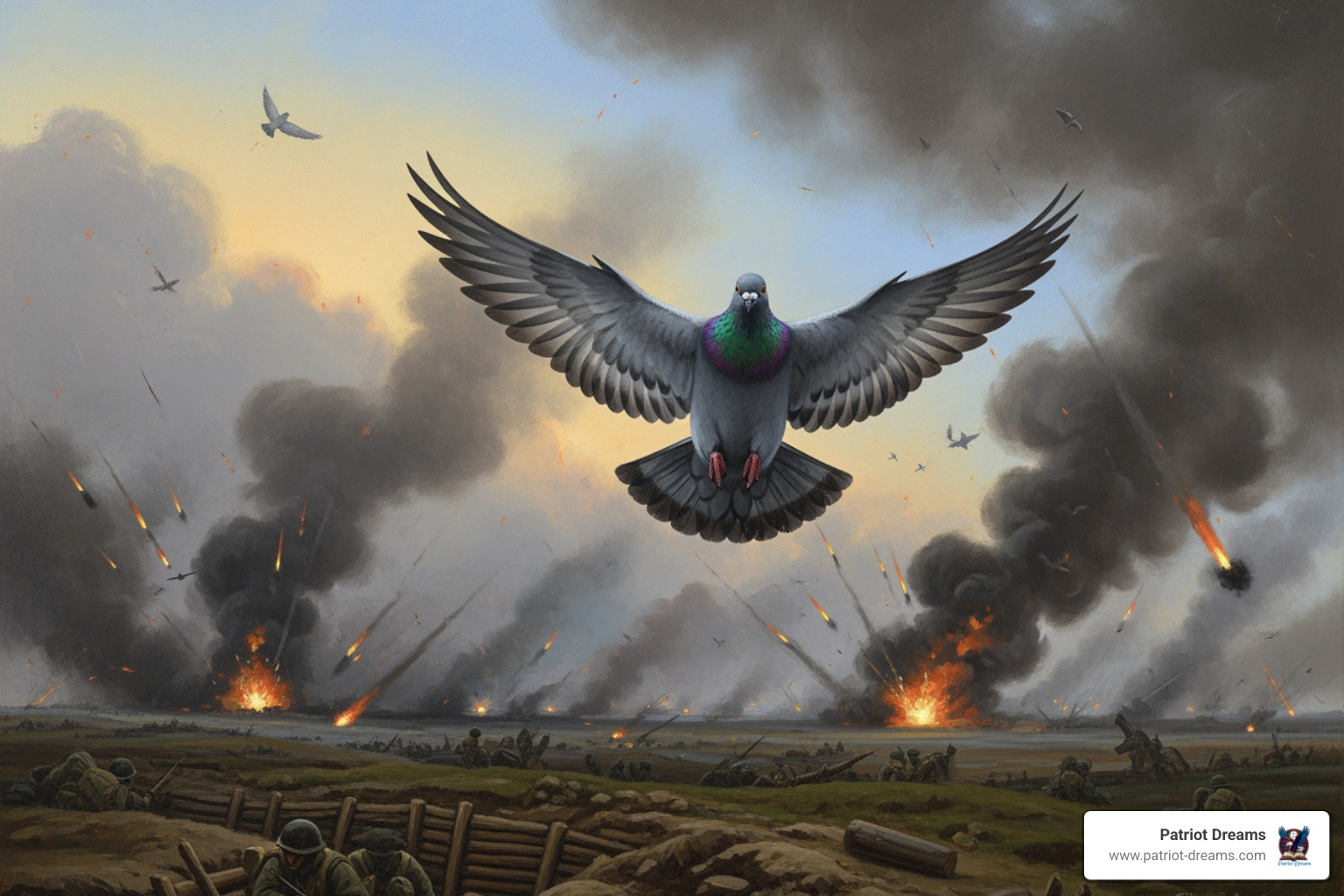
Cher Ami immediately became a target. German soldiers, well aware of the pigeons' role, releaseed a hail of gunfire. But this brave bird, driven by an instinct to return home and perhaps by the sheer will to survive, pressed on. He flew directly into the fire, a tiny speck of life against the vast, destructive canvas of war.
Then, disaster struck. Cher Ami was hit. A bullet tore through his chest, and another struck his leg, leaving it hanging by a single tendon. For a moment, he fell, seemingly defeated. But then, as if embodying the spirit of the soldiers he served, he righted himself. With incredible resilience, he took to the air once more, his body gravely wounded, but his mission still clear. It was a moment of sheer determination that reminds us of the profound courage that can be found in the most unexpected of places. Frank Blazich, a curator of military history at the Smithsonian, eloquently described Cher Ami's survival as "incredible," comparing it to a human getting "gut-shot and walking 100 miles back."
Despite his horrific injuries—a bullet in his chest, one leg hanging by a single tendon, and upon arrival, blind in one eye—Cher Ami continued his flight. He covered the 25 miles to his home loft in just over 25 minutes, a miraculous feat for any pigeon, let alone one so grievously wounded.
The Significance of the Message
When Cher Ami finally arrived at division headquarters, he was a sight to behold: covered in blood, blind in one eye, his leg severely mangled, and a bullet lodged in his chest. Yet, incredibly, the message capsule was still attached, hanging precariously from the tendons of his severed leg. The sheer determination of this small creature to complete his mission, despite immense pain, is truly awe-inspiring.
The message was quickly retrieved and read. Major Whittlesey's desperate plea reached its destination. The artillery barrage, which had been mistakenly raining down on the Lost Battalion, was immediately stopped. This critical information, delivered against all odds, allowed the American forces to pinpoint the Lost Battalion's true location and initiate a rescue operation.
Thanks to Cher Ami's sacrifice and unwavering courage, the lives of 194 men were saved. Of the approximately 550 men initially trapped, 194 survived the ordeal, a testament to the pigeon's heroic flight. His single act of bravery turned the tide for those desperate soldiers, preventing further friendly fire casualties and paving the way for their eventual rescue a few days later. It's a powerful reminder that even the smallest among us can make the biggest difference. We can still Read the original message that Cher Ami carried, a tangible link to a moment of profound heroism.
A Hero's Welcome and Lasting Legacy
Cher Ami's heroic flight was a story that resonated deeply, even amidst the grim realities of war. Upon his return, the brave pigeon was immediately attended to by Army medics. They worked diligently to save his life, though they couldn't save his mangled leg. In a touching display of care and respect, they fashioned a custom wooden prosthetic for him, allowing him to hobble about.
After recuperating, Cher Ami was hailed as a national hero. General John J. Pershing, the commander of the American Expeditionary Forces, personally saw him off when he was sent back to the United States on April 16, 1919. Cher Ami became a beloved mascot, a symbol of courage and perseverance for a nation recovering from the war. His story became a guide of hope, reminding us that even in the darkest times, bravery can be found in unexpected places. His journey back to the US was celebrated, and his presence brought comfort and inspiration to many. Stories of such incredible figures, human and animal alike, remind us of the enduring spirit of our nation. We can find similar inspiration in Stories of other brave figures.
Honors and Remembrance
Cher Ami's valor did not go unnoticed. For his heroic service and successful delivery of 12 important messages throughout his career, he was awarded the Croix de Guerre medal with an Oak Leaf Cluster by the French government. This was one of France's highest military honors, a fitting tribute to a bird who gave so much. He was also posthumously inducted into the Racing Pigeon Hall of Fame in 1931 and received a gold medal from the Organized Bodies of American Pigeon Fanciers. In 2019, he was even awarded the Animals in War & Peace Medal of Bravery, ensuring his legacy continues to be recognized.
Sadly, Cher Ami's severe war wounds eventually took their toll. He passed away in June 1919, approximately eight months after his heroic flight. However, his story didn't end there. Recognizing his immense historical significance, Cher Ami's body was preserved by a taxidermist and presented to the Smithsonian Institution, where he remains one of their most cherished exhibits. Today, you can visit his preserved form at the Smithsonian Institution's National Museum of American History, a tangible link to a remarkable moment in our past.
For many years, there was a charming debate about Cher Ami's gender, with some records referring to him as a "black check hen." However, in 2021, modern DNA analysis definitively solved this century-old mystery, confirming that Cher Ami was, in fact, a male pigeon. This scientific clarification only adds to the richness of his story, a reminder that history is always being explored and understood anew. Cher Ami stands as a powerful symbol of courage, resilience, and the invaluable contributions of animals in warfare, embodying the spirit of determination that defines so many American heroes.
Frequently Asked Questions about Cher Ami
Who was Cher Ami?
Cher Ami was a heroic homing pigeon who served with the U.S. Army Signal Corps in France during World War I. He is celebrated for delivering a critical message that led to the rescue of the trapped "Lost Battalion," saving 194 American soldiers.
How did Cher Ami manage to fly while so badly injured?
Despite being shot in the chest, blinded in one eye, and having a leg nearly torn off, Cher Ami's powerful homing instinct and incredible determination drove him to fly 25 miles in about 25 minutes to his home loft, successfully delivering his life-saving message.
Where is Cher Ami now?
After his death in 1919 from his wounds, Cher Ami was preserved by a taxidermist. Today, he is one of the most cherished exhibits at the Smithsonian's National Museum of American History in Washington, D.C., where he stands as a testament to the bravery of animals in war.
A Story of Courage That Still Inspires
The story of The Pigeon Who Saved 194 Men: The Heroic Tale of Cher Ami is more than just a historical anecdote; it's a profound lesson in perseverance and the extraordinary impact of courage. Cher Ami, a small bird weighing only about a pound, faced unimaginable adversity and, against all odds, completed a mission that saved countless lives and brought hope to despairing soldiers. His tale reminds us that valor knows no species and that heroes can emerge from the most unexpected places.
We often look for heroes in grand narratives, but sometimes, the most inspiring stories are found in the quiet determination of a creature simply doing its duty, flying "straight through thick and thin" for a glorious cause, as poet Margaret Shanks so beautifully put it. Cher Ami's legacy is a testament to the loyalty and sacrifice of animals serving alongside our soldiers, contributions that are real, though often unsung.
His story encourages us to look for the heart of a hero in every corner of life, to appreciate the resilience of the human—and animal—spirit, and to remember that even the smallest act of bravery can have monumental consequences. At Patriot Dreams, we believe that these warm, nostalgic, and caring stories about America's past inspire us all to be a little kinder, a little more determined, and a little more connected to the shared mix of our history. Cher Ami's unwavering spirit, his sacrifice, and the enduring memory of his courage continue to light our way, reminding us that the spirit of America is found in both the mighty and the small.
We invite you to explore more inspiring American stories that celebrate courage, kindness, and community. Find the rich heritage and personal tales that define our nation. Explore more inspiring American stories on our app.

Join the Patriot Dreams Community
Download the app today and start your journey through American history and personal legacy.

Explore Our Latest Insights
Dive into stories that shape our American legacy.