The Definitive Guide to Evaluating The Real Life Behind the Legend

Why America Still Remembers the Railroad Engineer Who Gave Everything
The Real Life Behind the Legend: Casey Jones and the Making of an American Railroad Hero begins with a simple question: How does an ordinary railroad engineer become one of America's most beloved folk heroes? The answer lies in a single moment of extraordinary courage on a dark Mississippi morning in 1900.
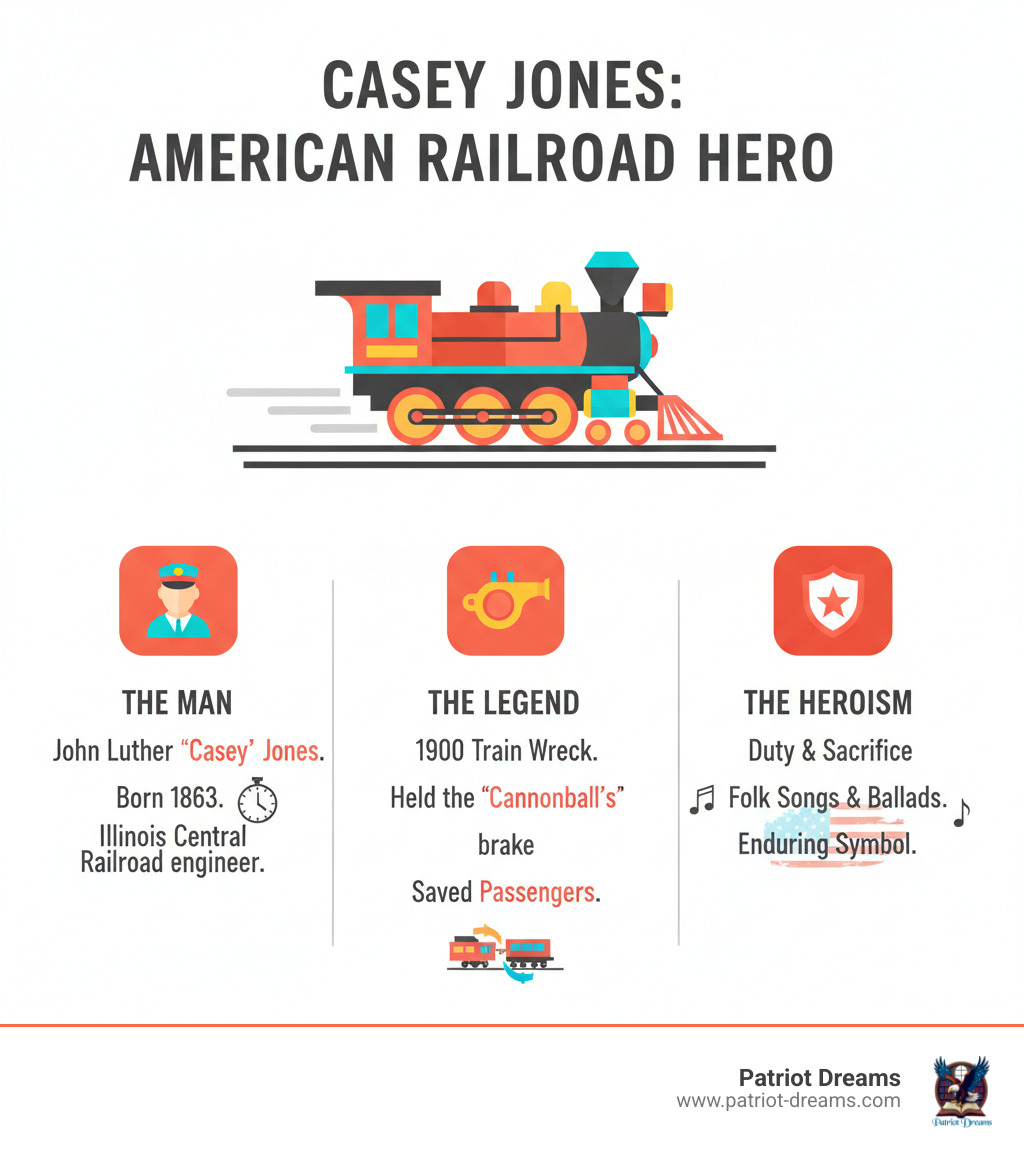
Quick Facts About Casey Jones:
- Real Name: John Luther Jones (1863-1900)
- Nickname Origin: From his hometown of Cayce, Kentucky
- Occupation: Locomotive engineer for Illinois Central Railroad
- Fatal Accident: April 30, 1900, near Vaughan, Mississippi
- Heroic Act: Stayed at the controls to slow his crashing train, saving all passengers
- Legacy: Immortalized in "The Ballad of Casey Jones" and American folklore
- Only Fatality: Casey was the sole person who died in the wreck
There's something deeply moving about the story of Casey Jones. He wasn't a president or a general. He was a working man—a devoted husband to Janie, a father to three children, and an engineer known for his punctuality and distinctive train whistle that sounded like a whippoorwill's call.
On one fateful night, Casey volunteered to take a sick colleague's run on the famous "Cannonball Express." When disaster loomed ahead on the tracks, he had a choice. He could jump to safety like his fireman did, or he could stay at the controls and try to slow the train. Casey chose to stay.
His story spread from the railroad yards to the rest of the nation through a heartfelt ballad composed by his friend Wallace Saunders, a Black engine wiper who wanted the world to remember his brave colleague. The song captured something essential about the American spirit—the quiet heroism of everyday people doing their duty, even at the ultimate cost.
This is the true story behind the legend, told with warmth and respect for a man who embodied the best of what we can be.
The Man from Cayce: Getting to Know John Luther Jones

Before he was a legend, he was John Luther Jones, born in Missouri in 1863. His family later moved to Cayce, Kentucky, the small town that gave him the nickname that would echo through history.
"Casey"—it was that simple. The boy from Cayce became Casey, and the name stuck.
At just fifteen, Casey began his love affair with the railroad, starting as a telegraph operator in 1878. He worked his way up to flagman, then fireman for the Illinois Central Railroad in 1887, shoveling coal and dreaming of being at the controls. On February 23, 1891, his dream came true when he was promoted to locomotive engineer.
But The Real Life Behind the Legend: Casey Jones and the Making of an American Railroad Hero is also about the man himself. Casey was a teetotaler—he didn't touch alcohol—and a man of principle. In 1886, he married Mary Joanna Brady, whom everyone called Janie, and they raised three children. His family was his anchor, and he was as devoted to them as he was to his locomotive.
Along his route, Casey became famous for his punctuality. Folks near the tracks would set their watches by his train. "Get her there on the advertised time" was his motto.
Then there was his whistle. Casey had a gift for making it sing in a long, haunting way that sounded like a whippoorwill's call. People would hear that distinctive sound and know Casey Jones was coming through. It was his signature, a hello to every town along the way.
Though he had nine citations for rules infractions earlier in his career, in the year leading up to 1900, he hadn't been cited once. He had matured into one of the most respected and competent engineers on the Illinois Central line.
Casey's story reminds us that the most inspiring lives are often built quietly, through hard work, dedication to family, and doing your job with pride and care. More about inspiring American lives.
The Fateful Night of the "Cannonball Express"

The evening of April 29, 1900, began as an ordinary one. Casey had just arrived in Memphis, Tennessee, but when he learned his fellow engineer, Sam Tate, had fallen ill, he volunteered to take the return run. It was simply who he was.
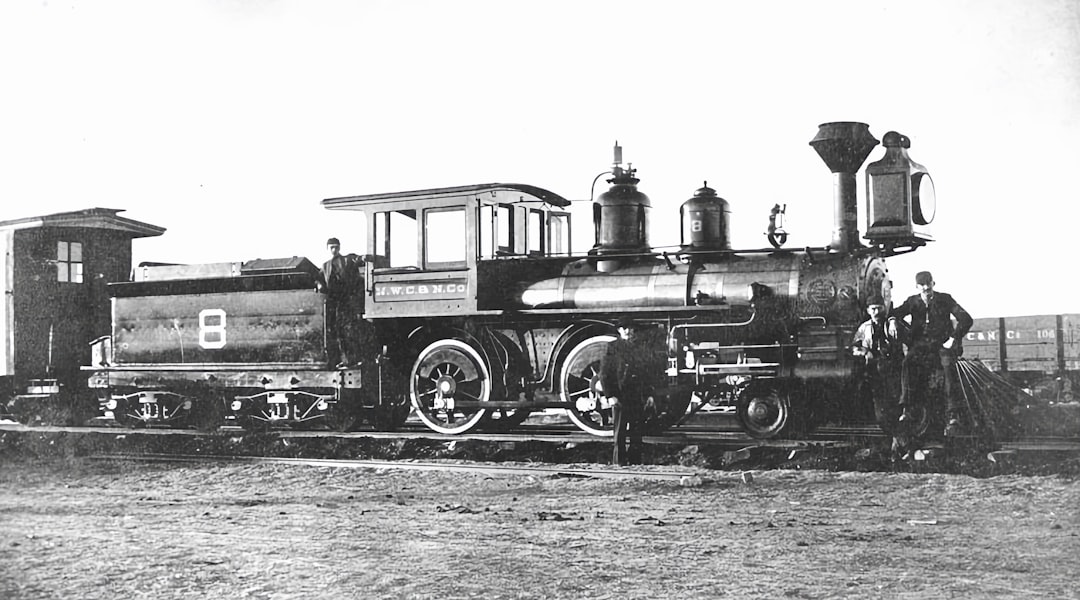
The assignment was to pilot the Illinois Central Railroad's "Cannonball Express" on Engine No. 382, a powerful Rogers 4-6-0 steam engine. When Casey climbed into the cab at 12:50 a.m. on April 30, the train was running 75 to 95 minutes behind schedule. In an era that demanded punctuality, Casey was determined to make up the time.
He pushed Ole 382 hard through the Mississippi night, with some accounts saying he reached speeds over 100 mph. Mile by mile, he closed the gap. By the time he neared Vaughan, Mississippi, he was only about two minutes late.
But just before 4:00 a.m., as the "Cannonball" rounded a curve, Casey saw a stalled freight train blocking the main line. A broken air hose had left several cars on the track with no clear warning in the darkness.
His fireman, Simeon "Sim" Webb, was beside him. "Jump, Sim, jump!" Casey shouted. Sim leaped to safety, but Casey stayed. He could have saved himself. Instead, he grabbed the brake and reversed the throttle, using the engine's full power to slow the train. He pulled the whistle cord, sounding his whippoorwill call as a final warning.
The crash came at 3:52 a.m. Engine No. 382 plowed through the freight cars with tremendous force. When the steam cleared, Casey Jones was found at his post, one hand on the brake, the other on the whistle cord. He was the only person who died. Every passenger survived, many with only minor injuries.
The Illinois Central's official report blamed Casey for disregarding signals, but Sim Webb and others told a different story of unclear warnings and a heroic engineer who gave everything to save the lives in his care.
This is how The Real Life Behind the Legend: Casey Jones and the Making of an American Railroad Hero truly began—not with a song, but with an act of extraordinary courage in the early morning darkness. Learn about the story of American railroads.
From Engineer to Icon: The Real Life Behind the Legend: Casey Jones and the Making of an American Railroad Hero
After the crash, news of Casey's heroic final moments spread from railroad worker to railroad worker. What began as a local tragedy soon became something much bigger, as a simple act of courage, told and retold, wove itself into American storytelling. This is how ordinary people become legends: through the power of a story that touches the heart.

The Ballad That Built a Hero
The most beautiful part of Casey's story is how it was first preserved—in a song born from friendship and grief.
Wallace Saunders, an African-American engine wiper and Casey's friend, heard what happened and composed verses about his friend's bravery, singing them as he worked. This was authentic storytelling—one friend honoring another. The ballad spread through the railroad community like a folk song, passed from person to person.
In 1909, a commercial version by Lawrence Siebert and Eddie Newton brought Casey's story to the nation. The song became a sensation, capturing a belief in everyday heroes and the importance of courage and duty. Over 120 years, more than forty versions of the ballad have kept his memory alive, celebrating themes of bravery, duty, and sacrifice. The song gave voice to the dignity of the working man and made Casey Jones a household name. Exploring our shared heritage.
Separating Fact from Folklore in the Story of Casey Jones
As with many legends, the story of Casey Jones grew, blending fact with folklore.
The core truth has never changed: Casey Jones stayed at his post when he could have jumped. He gave his life to save his passengers. This is documented fact, witnessed by his fireman Sim Webb.
But as the ballad transformed, some versions added untrue details. Later songs sometimes portrayed Casey as a ladies' man or daredevil, which deeply hurt his widow, Janie, who knew him as a devoted husband and father. The Grateful Dead's 1970 song "Casey Jones" even imagined him "high on cocaine," a complete fiction.
The official Illinois Central Railroad report blamed Casey for the crash, but many historians and Sim Webb disputed this, insisting there was no adequate warning.
The image of Casey dying with one hand on the brake and the other on the whistle captures the essence of his final moments, whether literally precise or symbolically true. It's how he was remembered.
What we focus on at Patriot Dreams is the heart of the story: The Real Life Behind the Legend: Casey Jones and the Making of an American Railroad Hero is found in that moment of choice. When disaster loomed, Casey chose others over himself. That's not folklore. That's the measure of a man.
The Enduring Legacy of an American Hero
More than a century has passed since that dark Mississippi morning, yet The Real Life Behind the Legend: Casey Jones and the Making of an American Railroad Hero continues to touch hearts across America. His story isn't gathering dust in forgotten history books—it's alive and well, shared by parents with their children, taught in classrooms, and preserved in places where you can almost hear the echo of that whippoorwill whistle.
There's something wonderfully human about why we keep telling Casey's story. It reminds us that heroes don't always wear capes or lead armies. Sometimes they're simply good people—devoted fathers, reliable workers, faithful friends—who, when faced with an impossible choice, choose to protect others. That's a kind of courage we can all understand, and perhaps, in our own smaller ways, aspire to live out.
Preserving the Story for Future Generations
If you ever find yourself traveling through Jackson, Tennessee, there's a special place waiting to welcome you. The Historic Casey Jones Home & Railroad Museum offers something truly remarkable—the chance to walk through the actual rooms where Casey lived with Janie and their three children. The house itself was carefully moved to the museum grounds, preserving not just the structure, but the intimate connection to the man who once called it home.
Standing beside the full-size replica of Engine 382, you can almost feel the power of the machine Casey commanded that night. While the original locomotive was eventually scrapped after years of faithful service, this replica helps us visualize the scene—the steam, the speed, the split-second decisions made in darkness. The museum thoughtfully displays railroad artifacts from that golden age, painting a vivid picture of what life was like for the men and women who built America's rail network.
Casey's story has found its way into American culture in the most delightful ways. In 1950, on the 50th anniversary of his death, the United States Post Office honored railroad engineers with a commemorative stamp featuring Casey Jones—a touching tribute that placed his image in mailboxes across the nation. Disney's animated short "The Brave Engineer" introduced his courage to young audiences, and even the circus train engine "Casey Junior" in "Dumbo" carries his name forward. These family-friendly retellings ensure that each new generation finds the story, keeping the spirit of his sacrifice alive and meaningful. Bringing history to life with audio stories.
The Real Life Behind the Legend: Casey Jones and the Making of an American Railroad Hero in Our Hearts
Why does Casey Jones still matter to us today, in an age of jets and bullet trains? Because his story speaks to something timeless in the human heart. It's about dedication—showing up for a sick colleague, staying committed to getting passengers safely to their destination. It's about responsibility—those final moments when he could have jumped to safety but chose instead to stay at the controls. And it's about character—the quiet integrity of a man who didn't drink, who loved his family deeply, and who built his reputation one on-time arrival at a time.
We should also remember Janie Jones, Casey's devoted wife, who lived until 1958, reaching the remarkable age of 92. For nearly six decades after losing her husband, she worked tirelessly to defend his true legacy against the fictional embellishments that crept into commercial versions of the ballad. When songwriters portrayed Casey as something he wasn't, Janie stood firm, insisting that people know the real man—the teetotaler, the faithful husband, the loving father. Her dedication to truth reminds us that behind every hero's story, there are often family members who carry the torch of memory, ensuring that the real person isn't lost to legend.
Casey Jones represents something beautifully American—the everyday hero. He wasn't born to greatness or privilege. He worked his way up from telegraph operator to fireman to engineer. He was simply a good man doing his job well, until one extraordinary moment called for extraordinary courage. His story whispers to us that heroism isn't reserved for the famous or powerful. It's available to any of us who, when the moment comes, choose to do what's right regardless of the cost.
That's a story worth preserving, worth sharing, and worth keeping alive in our hearts for generations to come.
Frequently Asked Questions about Casey Jones
You might have some questions about Casey Jones and his remarkable story. We've gathered the most common ones here to help you understand why The Real Life Behind the Legend: Casey Jones and the Making of an American Railroad Hero continues to touch hearts.
Why is Casey Jones considered an American folk hero?
Casey Jones is a folk hero because of his selfless courage on April 30, 1900. He chose to stay at the controls of his crashing train to slow it down, sacrificing his life to save every passenger. His story, immortalized in the famous ballad, came to symbolize the American values of duty, bravery, and the quiet heroism of everyday people.
How accurate is the "Ballad of Casey Jones"?
The core of the ballad is accurate: Casey heroically stayed at his post to save his passengers. The original song by his friend Wallace Saunders was a heartfelt tribute. However, later commercial versions added fictional details for dramatic effect, sometimes portraying Casey in ways that were untrue to his character as a devoted, teetotaling family man. While not every detail in every version is factual, the ballad beautifully captures the spirit of his sacrifice.
What can you see at the Casey Jones Museum in Jackson, Tennessee?
The museum in Jackson, Tennessee, offers a personal connection to his story. The centerpiece is Casey's actual home, where he lived with his family, which was moved to the museum grounds. Visitors can also see a full-size replica of Engine No. 382, the locomotive he piloted on his final run. The museum features many exhibits about his life and the golden age of American railroads, making it a wonderful place to experience his legacy.
A Story of Courage That Echoes Through Time
When we step back and look at the complete picture, The Real Life Behind the Legend: Casey Jones and the Making of an American Railroad Hero reveals something profoundly beautiful about who we are as a people. This isn't just a story about a train wreck on a Mississippi morning. It's a story about what happens when an ordinary person faces an extraordinary moment—and chooses love over fear, duty over safety, others over self.
Casey Jones was a working man. He punched a clock, supported his family, and showed up for his job day after day. He wasn't seeking glory or fame. He was simply trying to do right by the passengers who trusted him, the company that employed him, and the community that knew him. In that final moment, when he could have jumped to safety, he stayed. He chose to be the person his character had been preparing him to be all along.
That's the kind of story that never grows old. It's the kind of story that reminds us, especially when the world feels complicated or uncertain, that goodness is real. Courage is real. And the choices we make—even the small, daily ones—matter deeply.
At Patriot Dreams, we're honored to share these heartfelt stories that weave us together as Americans. Casey Jones's legacy isn't just about railroads or ballads or museums. It's about the values he lived and died for: responsibility, dedication, and a willingness to sacrifice for others. These are the threads that connect us across generations, reminding us of the best we can be.
By remembering figures like Casey Jones, we do more than preserve history. We keep alive the ideals that make us who we are—courage in the face of danger, kindness in our daily interactions, and an unwavering commitment to doing what's right. His story echoes through time because it speaks to something timeless in the human heart.
We invite you to explore more of these inspiring tales that celebrate the American spirit. Discover more inspiring stories from our nation's history and see how the courage of yesterday continues to light our way forward today.

Join the Patriot Dreams Community
Download the app today and start your journey through American history and personal legacy.

Explore Our Latest Insights
Dive into stories that shape our American legacy.