Cincinnati's Secret Passages: A Deep Dive into Underground Tours


A Journey Beneath the Streets of the Queen City
A cincinnati underground tour invites you to step back in time and explore the hidden layers of one of America's most storied neighborhoods. These walking tours descend beneath the busy streets of Cincinnati's Over-the-Rhine district to reveal forgotten lagering tunnels, sacred crypts, and the remarkable stories of the hardworking families who built this city.
Quick Guide to Cincinnati Underground Tours:
- What You'll See: Historic brewery tunnels, hidden crypts beneath St. Francis Seraph Church, and 19th-century architecture in the Over-the-Rhine neighborhood
- Duration: Approximately 2 hours
- Difficulty: Moderate (1-mile walk with steep stairs; not wheelchair accessible)
- Who Should Go: History enthusiasts, families with older children (age 10+), and anyone curious about Cincinnati's brewing heritage
- Cost: Starting at $20-$45 per person
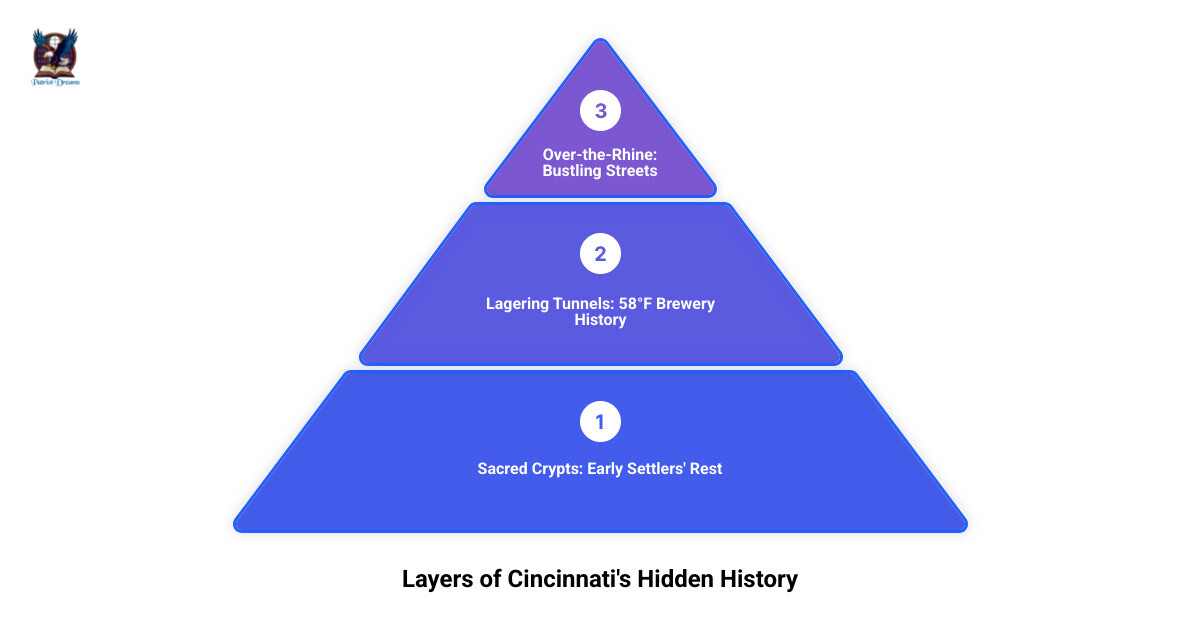
- Best Feature: Exploring 20-foot-high lagering tunnels that stay a constant 58°F year-round
Since its launch in 2010, the Queen City Underground Tour has welcomed 30,000 visitors each year. It's recognized as one of the top five underground tours in the entire country.
Imagine standing in a vast brick tunnel that German immigrant brewers carved out in the 1800s to keep their lager beer cold. Picture descending into a quiet crypt where Revolutionary War veterans rest, their stories nearly forgotten by time. This is the magic of Cincinnati's underground—it connects us to the dreams and determination of those who came before us.
The Over-the-Rhine neighborhood was once home to more than 1,800 drinking establishments within just seven square miles. German families filled the streets with life, laughter, and the rich aroma of fresh beer. When Prohibition arrived, these tunnels were sealed and forgotten for nearly 90 years. Their refindy in the 1990s opened a window into a vibrant past that deserves to be remembered and celebrated.
These tours aren't just about history—they're about people. You'll hear stories of Annie Oakley performing in local theaters, political bosses holding court in beer gardens, and everyday immigrants building a community from the ground up. Every brick, every tunnel, every story reminds us that our shared American heritage is built on the hopes and hard work of ordinary people doing extraordinary things.
Cincinnati underground tour helpful reading:
- Traveling Through Time: American Small Towns That Feel Like a Vintage Film Set
- Family history preservation
- Why Route 66 Is More Than a Road: The Nostalgia and Myth of America’s Main Street
Over-the-Rhine: The Heartbeat of Cincinnati's Story
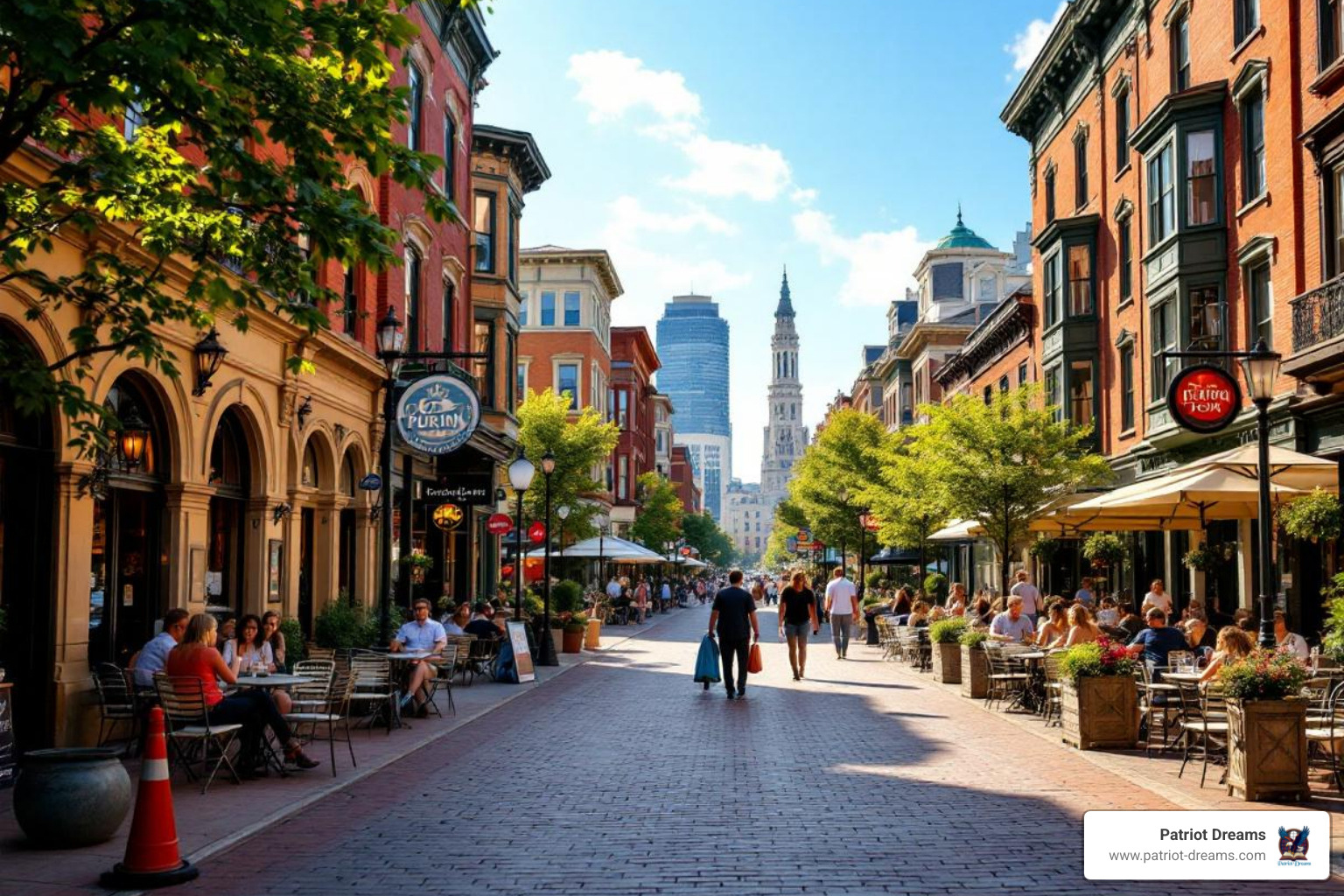
As we dig into Cincinnati’s hidden depths, we must first understand the vibrant heart above ground: the Over-the-Rhine neighborhood. This district is not just a collection of buildings; it’s a living testament to American perseverance, community, and the enduring spirit of its people. Known for its remarkable 19th-century architecture, featuring Italianate, Greek Revival, and Queen Anne styles, Over-the-Rhine has often been compared to historic districts in places like Louisiana, South Carolina, and Georgia.
The history of Over-the-Rhine is inextricably linked to the waves of German immigrants who settled here in the 19th century. They brought with them their traditions, their craftsmanship, and their passion for brewing. This neighborhood, often called the "Gateway District," was once a busy hub, teeming with life. In 1890, it reportedly housed an astonishing 1,841 registered drinking establishments within just seven square miles, illustrating its vibrant social fabric. These saloons, bars, and beer gardens weren't just places to drink; they were community centers, places where neighbors gathered, news was shared, and life was lived.
However, this thriving era faced a dramatic halt with the arrival of Prohibition. The impact was devastating, forcing many breweries to close their doors and profoundly altering the neighborhood's character. For decades, Over-the-Rhine experienced decline, but its story doesn't end there. Over the last decade, we've witnessed an incredible revitalization. The community, through dedicated efforts, has breathed new life into its historic streets, changing it into a dynamic destination filled with shops, restaurants, and, fittingly, a new generation of breweries. This renewal is a powerful story of preserving American heritage, honoring the past while building a hopeful future. It's a testament to the dreams of those hardworking families who first called this place home, and to the community that continues to cherish their legacy.
From the "Rhine" to Revival
The name "Over-the-Rhine" itself offers a charming glimpse into the past. Imagine a time when German immigrants, many of whom lived north of the Miami and Erie Canal, would cross bridges over the canal to get home. They affectionately referred to this waterway as "the Rhine," a nod to the famous river in their homeland. Thus, their neighborhood became known as "Over-the-Rhine." This area developed into a dense community of tenement buildings, where families lived side-by-side, creating a rich mix of culture and shared experiences.
Beyond its residential character, Over-the-Rhine was a vibrant center of social life. Places like Wielert's Beer Gardens, which opened in 1873, were so influential that they earned the nickname "Cincinnati's Second City Hall." It was here that city councilmen and powerful political figures like George Cox held court, shaping the city's future.
Today, walking through Over-the-Rhine, we see a remarkable change. The historic architecture has been lovingly restored, and the streets now buzz with a new energy. Modern shops and diverse restaurants stand alongside revitalized breweries, creating a unique blend of old and new. This neighborhood’s journey from its German immigrant roots, through periods of challenge, to its current vibrant state, serves as a powerful example of how communities can honor their past while embracing renewal. It reminds us that places, like people, can reinvent themselves while holding onto their core identity, a truly inspiring aspect of American life.
Cincinnati's Rich Brewing Heritage
Cincinnati’s identity is steeped in its brewing heritage. In the 1800s, this city was absolutely brimming with German heritage and breweries, so much so that Cincinnatians were known to consume an astonishing 40 gallons of beer per person every single year! This wasn't just a casual preference; it was a core part of the culture and economy. The beer gardens, many of which we've already mentioned, were far more than just establishments; they were essential community centers, places for families to gather, socialize, and enjoy life together.
The sheer scale of beer production required innovative solutions, especially before modern refrigeration. This necessity led to the creation of the subterranean tunnels that are now a highlight of the cincinnati underground tour. These underground passages were crucial for bottling and storing lager beer, keeping it cool and consistent year-round.
When Prohibition swept across the nation, it dealt a severe blow to Cincinnati’s thriving brewing industry. Many breweries closed, and the tunnels were sealed and largely forgotten. However, the spirit of brewing in Cincinnati proved resilient. Today, we see a magnificent resurgence, with craft breweries once again flourishing, honoring the city's rich past. You can explore this fascinating history in even greater depth by visiting the official Brewing Heritage Trail online or by taking one of their guided tours. This enduring legacy, from vast underground cellars to modern taprooms, truly showcases the heart of Cincinnati.
The Unforgettable Cincinnati Underground Tour Experience

Now, let's journey to the core of what makes a cincinnati underground tour so captivating: the experience of stepping beneath the city streets itself. This isn't just a walk; it's an exploration, a genuine journey back in time that allows us to touch and feel the hidden history of Cincinnati. There's a unique sense of wonder that comes with descending into a space that has been hidden for nearly a century, a feeling of stepping into a forgotten world.
One of the most remarkable aspects of these underground tunnels is their consistent environment. Regardless of the weather above, the temperature in these subterranean passages remains a cool 58 degrees Fahrenheit year-round. It’s a natural climate control system that served its original purpose perfectly and now offers a refreshing escape for curious visitors. As we explore these cool, quiet spaces, we can almost hear the echoes of the past, the busy activity of brewers, and the clinking of bottles from a bygone era. It’s an unforgettable experience that truly brings Cincinnati’s rich history to life.
Unearthing the Lagering Tunnels
The story of the lagering tunnels is one of ingenuity and refindy. Before the advent of modern refrigeration, brewers faced a significant challenge: how to keep their beer consistently cool, especially lager, which requires cold temperatures for fermentation and storage. The solution lay beneath their feet. German immigrant brewers, with their deep knowledge and traditions, constructed vast subterranean cellars.
A prime example is the John Kauffman Brewing Company. Its intricate network of underground tunnels, some reportedly 20 feet high, served as immense, natural refrigerators. Here, barrels and bottles of beer were stored, allowing for the slow, cool fermentation and aging processes that were essential for quality lager. These tunnels were a marvel of 19th-century engineering and a testament to the brewers' dedication to their craft.
However, with Prohibition in 1920, the brewing industry in Cincinnati, like much of the nation, came to a grinding halt. Many of these tunnels were sealed off and gradually forgotten. It wasn't until the 1990s, during renovation efforts in the Over-the-Rhine neighborhood, that these hidden passages were refinded. What a moment of revelation that must have been! Today, on a cincinnati underground tour, we get to walk through these very tunnels, marveling at the sturdy brickwork and imagining the generations of brewers who once toiled in these cool, dark spaces. It's a powerful connection to the past, reminding us of the foundational industries that shaped our cities.
A Visit to a Sacred, Hidden Crypt
Beyond the industrial marvels of the lagering tunnels, the cincinnati underground tour also guides us to a place of quiet reflection and deep historical significance: the crypt beneath St. Francis Seraph Church. This isn't just an underground space; it's a sacred resting place, a peaceful haven where some of Cincinnati's earliest settlers found their final repose.
Descending into this hidden crypt, we are enveloped in a profound sense of history. It contains 41 graves, each representing a life lived, a story contributed to the burgeoning city. Among these, we find a particularly poignant connection to our nation's founding: the grave of Joel Green. Born in 1757, Joel Green was a Revolutionary War soldier who, after serving our young country, moved to Ohio, eventually passing away in 1809. His funeral procession was reportedly quite a spectacle, with participants in kilts and Revolutionary War uniforms playing bagpipes—a true testament to the respect he commanded and the vibrant community he was a part of.
Visiting this crypt offers a tangible, personal connection to Cincinnati's earliest pioneers. It reminds us that the grand narratives of history are built upon the individual lives and contributions of people like Joel Green. This segment of the tour is a moment for remembrance, a chance to honor those who laid the groundwork for the city we see today, and to appreciate the quiet dignity of their enduring legacy.
What to Expect on a cincinnati underground tour
Starting on a cincinnati underground tour with American Legacy Tours is an engaging and informative experience, blending historical facts with captivating storytelling. Here’s a practical guide to what you can expect:
The tour is primarily a walking tour, covering approximately one mile. While this distance might seem modest, it does involve navigating steep stairs and uneven surfaces as you move between above-ground sites and the subterranean tunnels and crypt. For this reason, the tour is not wheelchair or stroller accessible, and it's recommended that travelers with back problems or serious medical conditions consider its physical demands. We want everyone to have a comfortable and safe journey back in time.
The guides for these tours are often praised for their knowledge, humor, and passion for Cincinnati’s history. Many reviewers highlight guides like Miranda and George, noting their engaging storytelling and ability to make history relatable and fun. They bring the city’s past to life with anecdotes and insights, ensuring that even locals find new and surprising facts about their hometown.
The duration of the tour typically ranges between 90 minutes and two hours, though the "Ultimate Queen City Underground Tour" can extend to about 2 hours and 30 minutes. It's generally rated PG, making it a wonderful adventure for families, especially those with children aged 10 and up who can comfortably walk independently and manage stairs. The starting point for most tours is the American Legacy Tours Shop located at 1332 Vine Street, Cincinnati, OH 45202. We recommend arriving 15 minutes prior to your scheduled start time to ensure a smooth check-in.
Tickets for the tour vary in price, with options starting from $20 for a regular tour and up to $45 for the ultimate experience, often booked several days in advance due to its popularity. The tours operate year-round, offering a consistent opportunity to explore Cincinnati's hidden depths. With an average rating of 4.9 stars based on over 1,800 reviews on Viator and recommended by 98% of travelers, it's clear that this cincinnati underground tour delivers an exceptional historical exploration. It’s an experience that consistently leaves participants feeling informed, entertained, and deeply connected to Cincinnati's unique past.
The People and Stories That Shaped the City
Behind every brick and every tunnel in Cincinnati's rich history are the people whose lives, decisions, and dreams shaped the city. A cincinnati underground tour masterfully weaves together these human stories, bringing to life not just the structures, but the individuals who inhabited them. From celebrated figures to influential leaders, these tours introduce us to the vibrant personalities that define Cincinnati's past, reminding us that history is ultimately about everyday heroes and notable figures alike. Their tales inspire us, make us laugh, and sometimes even make us ponder the paths not taken.
LIST of Notable Figures Connected to the Tour
Annie Oakley: This remarkable sharpshooter, whose birth name was Phoebe Ann Moses, became an American legend. The tour shares how she once performed in local theaters within the Over-the-Rhine area, showcasing her incredible talent and determination. Her story is a shining example of American ingenuity and skill.
George "Boss" Cox: A powerful political figure of his time, Cox held immense sway in Cincinnati. The tour highlights his connection to the neighborhood's beer gardens, particularly Wielert's Beer Gardens, which was known as "Cincinnati's Second City Hall." It was here that he held court, making decisions that influenced the city's trajectory.
August Herrmann: As the president of the Cincinnati Reds, August Herrmann was a visionary. It's said that within the very beer gardens of Over-the-Rhine, he conceived and helped bring to fruition the very first World Series. This anecdote connects the social heart of the neighborhood to a pivotal moment in American sports history.
Joel Green: We've already met Joel Green, the Revolutionary War veteran buried in the crypt of St. Francis Seraph Church. His presence on the tour offers a profound link, connecting Cincinnati's local history directly to the foundational moments of our nation. He represents the countless individuals who fought for liberty and then helped build the communities that became America.
These individuals, and many others whose stories are shared by engaging tour guides, paint a vivid picture of Cincinnati's past. They remind us that our cities are built on the collective efforts, dreams, and sometimes the dramatic lives of real people.
Frequently Asked Questions about the Cincinnati Underground Tour
We understand that you might have some questions as you consider diving into Cincinnati's fascinating underground world. Here are some of the most common inquiries we receive about the cincinnati underground tour:
What historical period does the tour focus on?
The tour primarily explores the rich history of the 19th and early 20th centuries, focusing on the era of German immigration, the city's booming brewing industry, and the vibrant life in the Over-the-Rhine neighborhood before Prohibition. This period was crucial in shaping Cincinnati's unique cultural and industrial landscape, and the tour brings this pivotal time to life through its stories and physical locations. You'll learn about the social customs, the political climate, and the daily lives of the people who inhabited this dynamic era.
What are the main locations visited underground?
The journey goes beneath the city streets to explore the vast, brick-lined lagering tunnels of the historic Kauffman Brewing Company and descends into the quiet, sacred crypt beneath the St. Francis Seraph Church, where some of the city's earliest residents rest. These two distinct underground experiences offer a comprehensive look at both the industrial and spiritual aspects of Cincinnati's past. You'll gain a deeper appreciation for the ingenious engineering of the tunnels and the solemn history preserved within the crypt.
Is the tour suitable for children?
Yes, it's a wonderful adventure for families! The stories told on the cincinnati underground tour are engaging and presented in a way that is interesting for all ages. However, due to the walking distance (approximately one mile) and the presence of steep stairs, it's best suited for children who can comfortably walk independently and manage stairs on their own. Many families find it to be an educational and memorable experience that sparks curiosity about history and architecture in young minds. We believe that sharing these stories with the next generation is incredibly important.
Preserving the Stories That Connect Us
The cincinnati underground tour is more than a walk through tunnels and crypts; it's a journey into the heart of an American city built on dreams, hard work, and community. As we emerge from the cool, silent depths, we carry with us not just facts and figures, but a profound appreciation for the human spirit that shaped this place. These stories of brewers, pioneers, and performers remind us of the rich mix of our shared heritage—the grit, the innovation, the simple joys, and the enduring resilience that define the American experience.
At Patriot Dreams, we believe passionately in cherishing these legacies. We understand that history isn't just found in textbooks; it echoes in old buildings, whispers through revitalized neighborhoods, and is preserved in the quiet histories that lie beneath our very feet. It’s about the personal stories of ordinary people doing extraordinary things—building homes, crafting livelihoods, and forging communities that stand the test of time. These connections to the generations who came before us are invaluable, reminding us of where we come from and the foundations upon which our present is built. Just as the tunnels kept beer cold and the crypts held sacred memories, these stories keep our collective past alive, inspiring us to continue building a future worthy of their dreams.
We invite you to find more of these heartwarming tales and inspirational journeys across our nation. Discover more stories of America's journey and join us in celebrating the diverse mix of American history and the enduring spirit of its people.

Join the Patriot Dreams Community
Download the app today and start your journey through American history and personal legacy.

Explore Our Latest Insights
Dive into stories that shape our American legacy.