Everything You Need to Know About Daniel Boone

The Man Behind the Legend: Who Was Daniel Boone?
Daniel Boone was one of America's most celebrated frontier explorers — a real person whose remarkable life inspired countless legends, poems, and stories that still echo through American culture today.
Here are the key facts about him at a glance:
| Fact | Detail |
|---|---|
| Born | November 2, 1734, Berks County, Pennsylvania |
| Died | September 26, 1820, Missouri (age 85) |
| Known for | Blazing the Wilderness Road through the Cumberland Gap into Kentucky |
| Family | Married Rebecca Bryan; 10 children |
| Military role | Captain in the Virginia militia during the American Revolution |
| Later life | Moved to Spanish Missouri in 1799; served as a syndic (judge) |
| Legacy | Helped open Kentucky to over 200,000 settlers by end of the 18th century |
He was a hunter, a trailblazer, a father, and a neighbor. He wasn't perfect — he lost his land, faced financial ruin, and made mistakes along the way. But his quiet courage and deep love for family and community made him something rare: a hero people could actually believe in.
As Boone himself once said, "Many heroic actions and chivalrous adventures are related of me which only exist in the regions of fancy. With me the world has taken great liberties, and yet I have been but a common man."
That humility is part of what makes his story so moving. He didn't set out to be a legend. He just kept going — through hardship, loss, and wilderness — because he believed in something bigger than himself.
In this guide, we'll walk through every chapter of Daniel Boone's life, from his Pennsylvania childhood to his final days along the Missouri River. Whether you're a lifelong history lover or just discovering him for the first time, there's something here that will stay with you.
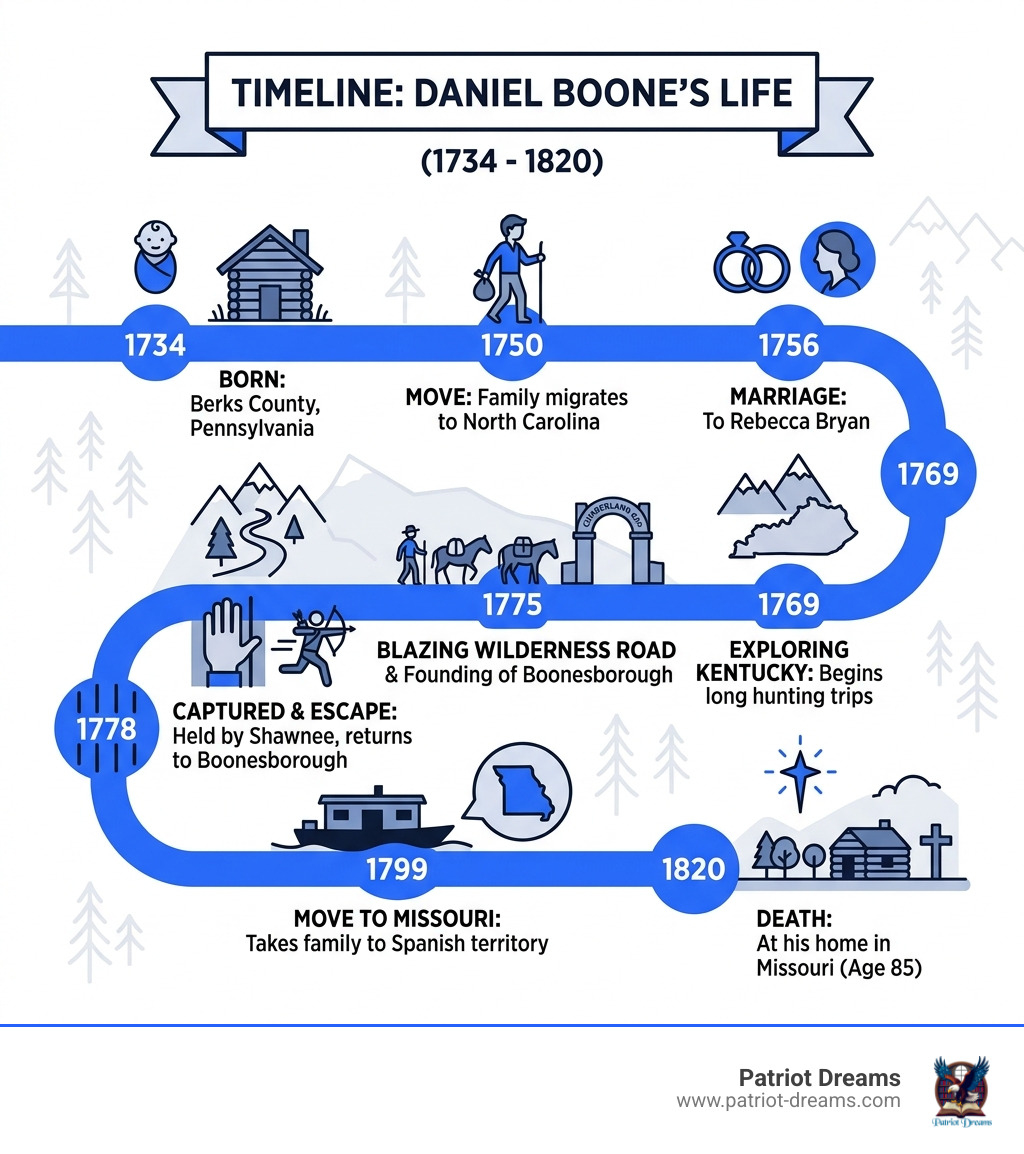
Quick look at Daniel Boone:
The Early Years and Family of Daniel Boone
Long before he was a national icon, Daniel Boone was a young boy growing up in the Oley Valley of Berks County, Pennsylvania. Born on November 2, 1734, he was the sixth of eleven children. His parents, Squire and Sarah Boone, were Quakers, a faith that emphasized peace, simplicity, and a direct connection to the divine. These values of quiet perseverance and respect for others would stay with Daniel his entire life.
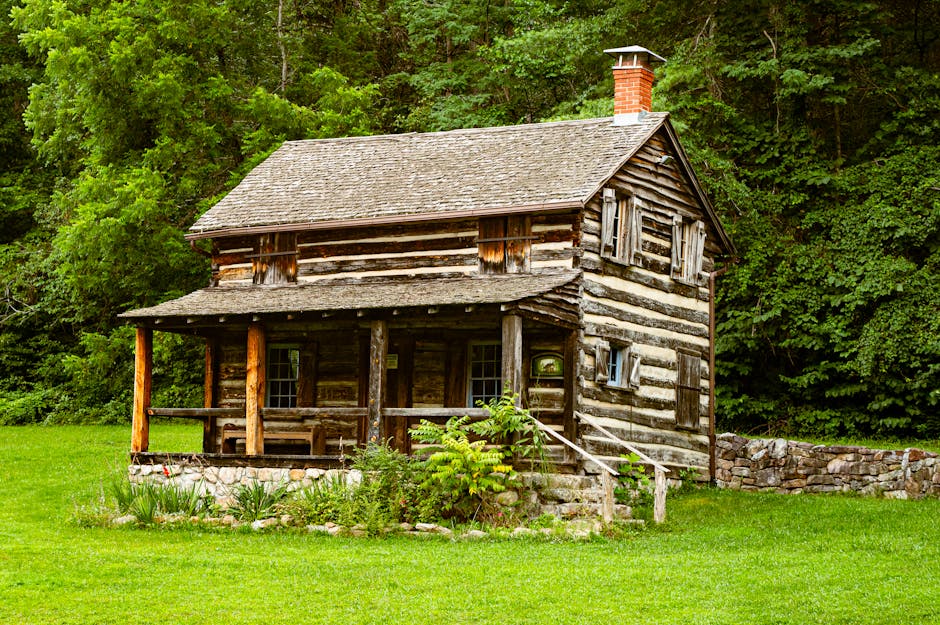
In those early days, the Boone family was industrious. His father was a blacksmith and weaver, and Daniel spent much of his youth helping with the family farm and livestock. These American Pioneer Stories often start in small cabins just like the one Daniel was born in, where every hand was needed to keep the household running.
Eventually, the family moved south to the Yadkin River Valley in North Carolina. It was here that Daniel met Rebecca Bryan, the woman who would become his partner for over half a century. They married on August 14, 1756. Together, they raised ten children, navigating the joys and deep sorrows of frontier life with a devotion that served as the bedrock of their family.
The Education of Daniel Boone
If you were to look for Daniel’s classroom, you wouldn’t find it in a schoolhouse. He had very little formal schooling, but he was far from uneducated. His mother taught him to read and write, and the woods taught him everything else. By the age of 12, he received his first rifle and quickly became a master marksman. Legend has it he once shot a panther through the heart just as it leaped toward him!
While folklore often paints him as a semiliterate backwoodsman, historical records tell a different story. Daniel was actually quite fond of reading. On long hunting trips, he would often bring along the Bible or Jonathan Swift’s Gulliver’s Travels to read by the campfire. He was often the only literate person in his hunting groups, and he would share these stories with his companions, proving that even in the deepest wilderness, the mind needs as much nourishment as the body.
Blazing the Wilderness Road to Kentucky
In 1769, Daniel’s life changed forever when he met John Findley, a trader who told him stories of a "second paradise" called Kentucky. Intrigued, Daniel led an expedition through the Cumberland Gap, a natural notch in the Appalachian Mountains. This was the beginning of his lifelong relationship with a land he described as the most beautiful he had ever seen.
In 1775, working for the Transylvania Company, Daniel and about 28 companions began the grueling task of clearing the Wilderness Road. According to Britannica, this trail became the primary route for westward migration. By the end of the 18th century, more than 200,000 people had followed Daniel’s path into the heart of the continent.

Daniel founded the settlement of Boonesborough on the banks of the Kentucky River. These Explorers Trailblazers weren't just looking for adventure; they were looking for a place to build homes, plant crops, and find salt licks to preserve their meat. It was hard, dangerous work, but Daniel’s leadership gave the settlers hope.
Revolutionary War Service and Personal Trials
When the American Revolution broke out, the frontier became a bloody battlefield. Daniel Boone served as a Captain (and later a Lieutenant Colonel) in the Virginia militia. His role was to protect the scattered settlements from British-allied tribes. The American Battlefield Trust highlights his leadership during the Siege of Boonesborough in 1778, where 60 men defended the fort against over 400 Shawnee warriors for nine grueling days.
War brought personal tragedy as well. In 1782, Daniel fought in the Battle of Blue Licks, one of the final battles of the Revolution. It was a crushing defeat for the Kentucky militia, with over 50% casualties. Among the fallen was Daniel’s son, Israel. The grief was immense, yet Daniel’s resilience never wavered. He continued to serve his community, even as he carried the heavy weight of loss.
The Rescue of Jemima Boone
One of the most famous stories from Daniel’s life occurred in July 1776. His daughter, Jemima, and two other girls were kidnapped by a Shawnee and Cherokee war party while canoeing near the settlement. Daniel didn't panic; he relied on his expert tracking skills.
He followed the trail with a small group of men, moving quietly and quickly. Within two days, they surprised the captors and rescued the girls without a single shot being fired by the kidnappers. This act of fatherly love and bravery later inspired James Fenimore Cooper’s classic novel, The Last of the Mohicans. It reminds us that for Daniel, the frontier wasn't just a map — it was where his heart lived.
Adoption by the Shawnee
In early 1778, Daniel was captured by the Shawnee while gathering salt. In a fascinating turn of events, he was adopted into the tribe by Chief Blackfish to replace a fallen warrior. He was given the name Sheltowee, which means "Big Turtle."
For four months, Daniel lived among the Shawnee, participating in their rituals and learning their ways. However, when he learned of a planned attack on Boonesborough, he knew he had to escape. In June 1778, Daniel covered 160 miles in just five days — mostly on foot after his horse gave out — to warn his friends and family. His diplomatic heart and quick thinking saved the settlement from a surprise attack.
Missouri Years and the Final Frontier
Despite his fame, Daniel’s later years in Kentucky were filled with financial hardship. He was a better woodsman than a businessman. Due to poorly filed land claims and legal disputes, he eventually lost all of his property in Kentucky. In 1799, feeling crowded and seeking a fresh start, he moved his extended family to Spanish-controlled Upper Louisiana, in what is now Missouri.
Life in Missouri offered a new beginning. He was granted land and served as a "syndic," a combination of a judge and jury for the Spanish government. He was a respected American Legend in his new home, often holding court under a large elm tree known as the "Judgment Tree."
| Feature | Kentucky Life | Missouri Life |
|---|---|---|
| Role | Militia Leader / Surveyor | Syndic (Judge) / Hunter |
| Land Status | Lost all claims to lawsuits | Received Spanish grants (later contested) |
| Activity | Blazing trails and fighting wars | Long hunts and community leadership |
| Outcome | Financial ruin and debt | Restored reputation and family peace |
Even in his 70s, Daniel’s spirit of adventure remained. In 1810, at the age of 76, he went on a six-month hunt up the Missouri River, reportedly traveling as far as the Yellowstone River — a round trip of more than 2,000 miles!
The Mystery of the Final Resting Place
On September 26, 1820, at the age of 85, Daniel Boone passed away peacefully of natural causes at his son Nathan’s home in Missouri. He was buried next to his beloved Rebecca. However, the story of his rest doesn't end there.
In 1845, the state of Kentucky requested that the Boones be moved to the Frankfort Cemetery to honor them with a grand monument. Missouri reluctantly agreed, but a persistent legend suggests that the wrong body was exhumed. Some believe Daniel still rests in the Missouri soil he loved, while others visit the beautiful monument in Kentucky to pay their respects. Regardless of where his physical remains lie, his spirit belongs to the entire American landscape.
Conclusion: The Legacy of Daniel Boone
The legacy of Daniel Boone is a tapestry of fact and folklore. Shortly before his death, John Filson’s book of Daniel’s adventures turned him into an international celebrity. Even the famous poet Lord Byron wrote stanzas about him! In the 20th century, actors like Fess Parker brought a version of Daniel into living rooms across the country, cementing his status as the ultimate frontier archetype.
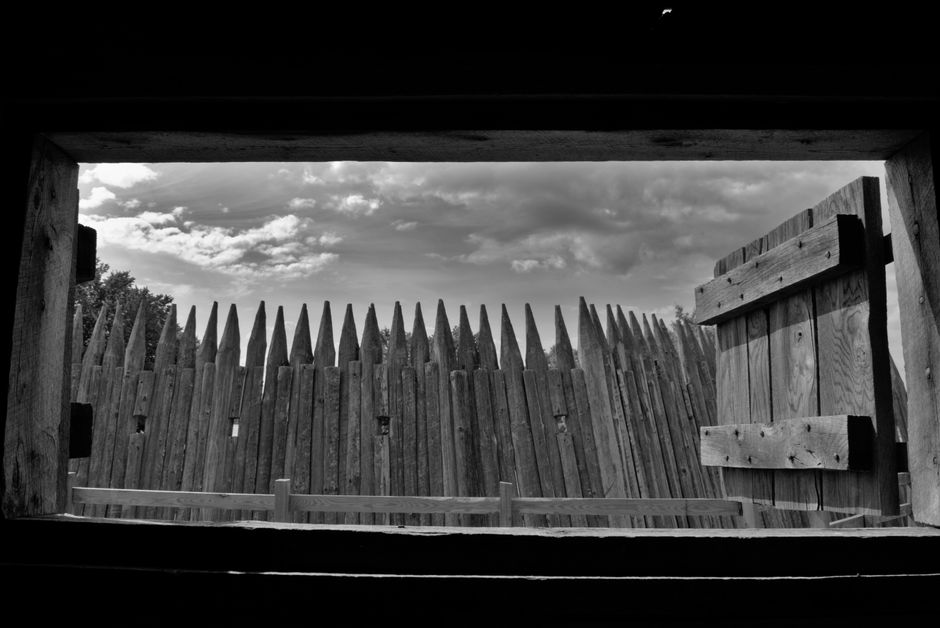
Today, we can still touch this history. You can visit the Historical American Figures at the Daniel Boone Homestead in Pennsylvania or walk the reconstructed walls of Fort Boonesborough State Park in Kentucky. These places remind us that history isn't just a list of dates; it’s the story of people who dared to dream.
The Enduring Spirit of Daniel Boone
At Patriot Dreams, we believe that stories like Daniel's are the threads that bind us together. His life wasn't just about moving westward; it was about the values of kindness, quiet courage, and neighborly service. He was a man who could be "bewildered" for three days but never truly lost, because he knew who he was and what he stood for.
As we look back on the life of this remarkable American, let’s take a piece of his perseverance with us. Whether you are exploring your own family legacy or navigating the modern wilderness, may you find the same steady heart that guided Daniel Boone through the Cumberland Gap.
Frequently Asked Questions about Daniel Boone
Was Daniel Boone a real person or a legend?
He was very much a real person! While many "tall tales" were added to his life by writers like John Filson, his primary achievements — such as blazing the Wilderness Road, defending Boonesborough, and serving in the Virginia legislature — are well-documented historical facts. He was a real-life hero who happened to become a legend.
How did Daniel Boone treat Native Americans?
Daniel’s relationship with Native Americans was complex. While he fought against them in many battles, he also held a deep respect for their skills and culture. His Quaker upbringing often led him to prefer negotiation over conflict. His time living as an adopted member of the Shawnee tribe gave him a unique perspective that few other frontiersmen of his time possessed.
Where can you visit Daniel Boone historical sites today?
There are several wonderful places to visit!
- Pennsylvania: The Daniel Boone Homestead in Berks County.
- Kentucky: Fort Boonesborough State Park near Richmond and the Daniel Boone monument in Frankfort.
- Missouri: The Historic Daniel Boone Home in St. Charles County.
Each of these sites offers a chance to step back in time and experience the world as Daniel saw it — a land of endless possibility and quiet beauty.

Read Time: 10 mins

Join the Patriot Dreams Community
Download the app today and start your journey through American history and personal legacy.

Explore Our Latest Insights
Dive into stories that shape our American legacy.