From Timelines to Tech: Your Easy Path to Mastering American History

Why an American History Library Matters: Your Gateway to Our Shared Story
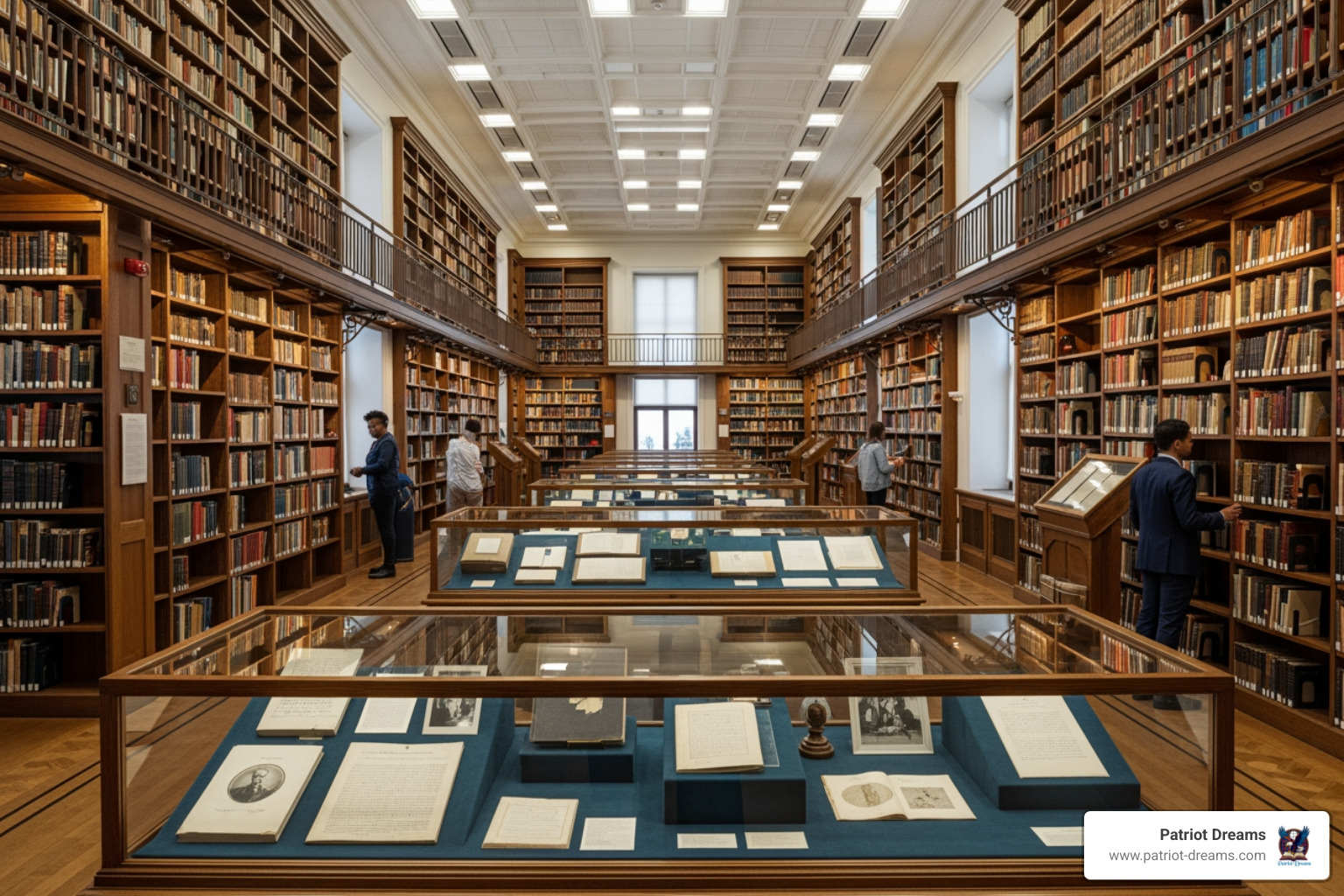
An American history library is more than just a building filled with old books and documents. It's where our nation's stories live—from handwritten letters by everyday Americans to photographs capturing moments that shaped our country. Whether you're looking for primary sources like diaries and maps, or digital collections you can explore from home, these libraries preserve the threads that weave together our shared heritage.
Quick Answer: What You'll Find in American History Libraries
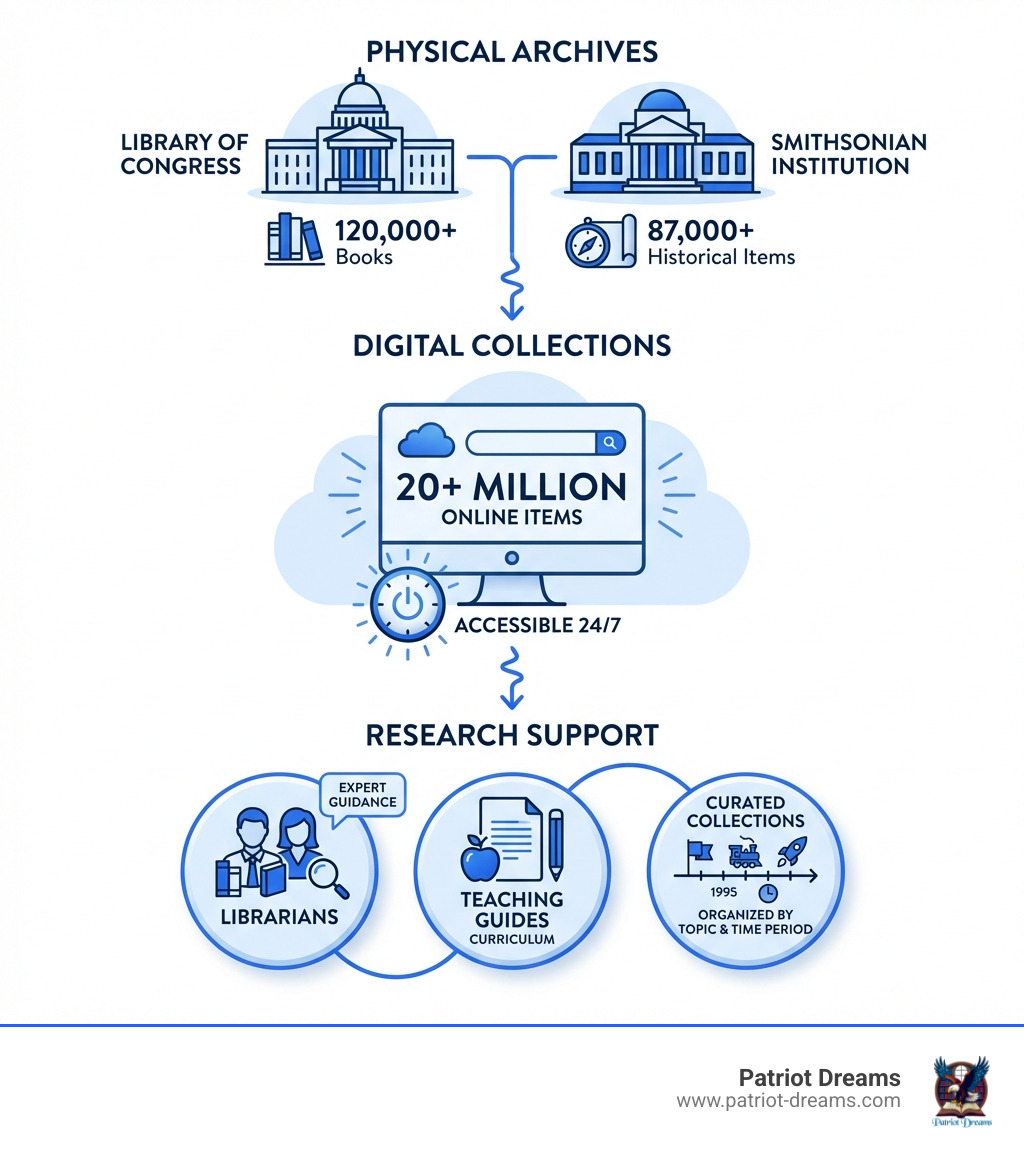
- Physical Archives - National institutions like the Library of Congress and Smithsonian with millions of artifacts
- Digital Collections - Online resources offering 20+ million items from the Digital Public Library of America
- Primary Sources - Original letters, diaries, photographs, and documents from 1493 to today
- Expert Guidance - Librarians and curated collections to help you explore specific topics
- Personal Connection - Tools to find how your family's story fits into America's larger narrative
Think of these libraries as treasure chests, each one holding pieces of who we were and who we've become. There's something deeply moving about holding a letter written during the Civil War, or seeing a photograph of immigrants arriving at Ellis Island with hope in their eyes. These aren't just historical artifacts—they're windows into the lives of real people who laughed, worried, dreamed, and persevered just like we do today.
The good news? You don't need to travel to Washington, D.C., or have a research degree to explore these collections. Many of America's greatest historical resources are now available online, free for anyone who wants to find them. From the 87,000+ items in the Gilder Lehrman Collection to the vast digital archives of the Library of Congress, history is more accessible than ever before.
Whether you're a teacher looking for engaging materials, a family wanting to understand your roots, or simply someone who loves a good story about America, these libraries welcome you with open arms. They remind us that every American—past and present—has a story worth preserving.
Know your American history library terms:
The Nation's Treasure Chests: Where Our Stories Live
Imagine walking into a grand building, hushed and reverent, where centuries of American experience are carefully preserved. These are our nation's physical archives and libraries, places dedicated to safeguarding the documents, artifacts, and memories that tell our collective story. They are vibrant centers for research, learning, and findy, inviting us to step back in time and connect with the lives that shaped our present.

These institutions are not just about dusty old books; they are about understanding the human journey, the challenges overcome, and the dreams pursued. They provide a tangible link to our past, offering opportunities for deep, in-person exploration that can be truly transformative.
The Smithsonian's Attic: The National Museum of American History Library
The National Museum of American History (NMAH) Library, part of the extensive Smithsonian library system, acts like a grand attic filled with treasures, supporting research into every nook and cranny of American life. Its primary goal is to illuminate the rich mix of our nation's past, focusing on social, cultural, political, and economic events. But it goes deeper, exploring the impact of these events on the everyday American, as well as advances in technology, science, and medicine. This broad scope means whether you're curious about American Cultural History or the evolution of early American gadgets, the NMAH Library has something for you.
What kind of treasures does it hold? The NMAH Library boasts an impressive collection of over 120,000 book titles, providing scholarly context and detailed narratives. But perhaps its most unique offering is the almost 500,000 trade catalog items, representing over 40,000 companies. These catalogs are like little time capsules, showing us what people bought, what technologies were emerging, and how American commerce evolved. Imagine flipping through pages advertising early automobiles or household appliances – it’s a wonderful way to see history come alive!
Accessing these collections is straightforward for researchers. Smithsonian-affiliated staff, researchers, volunteers, interns, and fellows are welcome, and visiting researchers can arrange access by appointment. All the library's holdings are listed in the library online catalog. For those fascinated by trade catalogs, a dedicated search box on their Trade Literature Collection webpage allows for specific queries. While many books and journals are openly accessible, the extensive Trade Literature Collection is stored in a restricted area, ensuring its preservation, and staff are always happy to retrieve items for use in the NMAH Library Reading Room. As with all responsible institutions handling historical materials, the Smithsonian Libraries and Archives also offer a Statement on Harmful Content to guide respectful engagement with potentially sensitive materials.
The Gilder Lehrman Collection: A Window into Personal Histories
Sometimes, the grand narratives of history truly sing when we hear the individual voices within them. The Gilder Lehrman Collection excels at this, offering an intimate look into the personal stories that form the bedrock of our nation. Its historical significance lies in its incredible breadth and depth, documenting the political, social, and economic history of the United States from 1493 through the twentieth century. It’s a true treasure trove for anyone interested in American Pioneer Stories or the day-to-day lives of people throughout the centuries.
What does this remarkable collection contain? More than 87,000 items! This includes deeply personal artifacts like letters and diaries, giving us direct insight into the thoughts and feelings of individuals living through momentous times. Beyond these, you'll find maps, pamphlets, printed books, newspapers, photographs, and ephemera – all telling pieces of our past. Imagine reading Bob Stone’s letters from World War II, or seeing a photograph of his B-24 Liberator crew; these are the kinds of connections that make history feel real and personal. The collection provides a vivid and comprehensive look at how events unfolded through the eyes of those who lived them. You can learn more about this incredible resource at The Gilder Lehrman Collection. Immediate access to images of digitized items is available with a subscription, making it a powerful resource for researchers and enthusiasts alike.
The Library of Congress: America's Memory Keeper
Our nation's largest library, the Library of Congress, stands as a majestic guardian of American memory. Its mission is profoundly simple yet incredibly vast: to acquire, preserve, and make accessible the world's knowledge and creativity, with a special emphasis on materials related to the United States. It's a place where every book, every sound recording, every map, and every photograph contributes to our understanding of who we are.
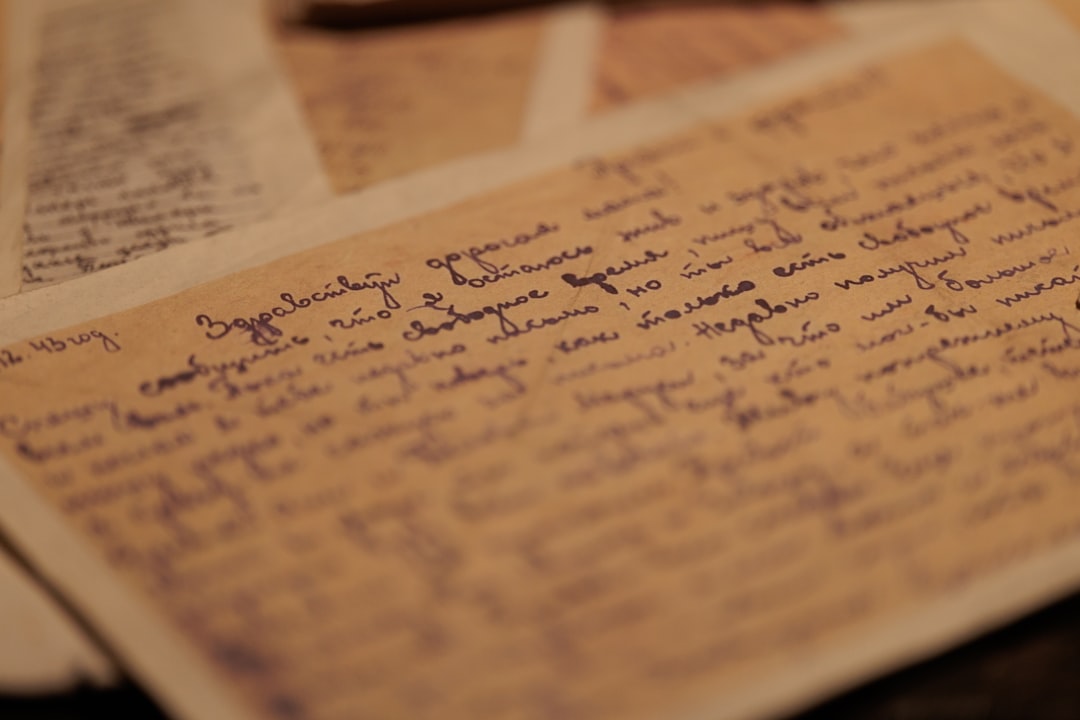
The Library's commitment to preservation means it continually enriches its holdings, sometimes with truly iconic acquisitions. A wonderful example of this is its acquisition of musical sketches for "The Wizard of Oz" to add to the Harold Arlen Collection. This included original handwritten music and lyric sketches, showing the very creative process behind beloved songs like "Over the Rainbow," along with letters and artwork. It’s a testament to the Library's dedication to preserving not just the finished product, but the journey of creation that defines American artistry.
For anyone starting on a historical quest, the Library of Congress offers invaluable research assistance. We can engage with their expert librarians in various ways. If you have a question or need assistance, you can use their online form to ask a librarian for help. For more immediate support, you can even Chat with a librarian Monday through Friday, 12-4 pm Eastern Time (except Federal Holidays). This direct access to knowledgeable professionals makes delving into America's past a much more guided and rewarding experience.
Your Digital American History Library: Stories at Your Fingertips
In our modern world, the doors to history are always open, thanks to the incredible power of digital access. An American history library no longer requires a physical visit; now, history is literally at your fingertips, available from the comfort of your home, 24/7. These online resources have revolutionized how we explore the past, making vast collections accessible to anyone with an internet connection. This digital revolution helps us understand the continuous thread of American Innovation History, showing how ingenuity has always been a part of our story.
The Library of Congress Digital Collections
As a pioneer in digital preservation and access, the Library of Congress offers an astounding array of resources through its Digital Collections. These main features include millions of digitized items, from historic photographs that capture moments frozen in time to the invaluable papers of our past presidents. Imagine browsing through George Washington's letters or Abraham Lincoln's speeches without leaving your chair! These collections are free to use and provide an unparalleled opportunity to explore America's rich heritage online. Visiting The Library of Congress Homepage is your first step into this digital wonderland.
The Digital Public Library of America (DPLA)
The Digital Public Library of America (DPLA) serves as a remarkable nationwide portal, bringing together collections from America’s libraries, archives, museums, and other cultural heritage institutions. It's like a grand aggregator, offering a single point of access to an astonishing over 20 million images, texts, videos, and sounds. For anyone seeking primary sources, DPLA is an indispensable resource. It allows researchers, students, and curious minds to dig into a diverse range of historical materials that might otherwise be scattered across countless different institutions. The DPLA truly embodies the spirit of shared knowledge, making our nation's history more accessible to everyone. The types of resources you can find here include:
- Images
- Texts
- Videos
- Sounds
ushistory.org: A Friendly Guide to Our Nation's Past
For a welcoming and comprehensive exploration of American history, ushistory.org, maintained by the Independence Hall Association, is an excellent online destination. This nonprofit organization has been publishing electronically since 1995, offering accessible information for students, teachers, and history enthusiasts alike. The site is a fantastic resource for diving into historic documents, understanding key figures, and exploring pivotal moments in our nation's past.
We can find detailed information about The Declaration of Independence: What It Really Says and Why It Still Matters, or learn more about our Founding Fathers. The site highlights specific historical topics and documents such as the story of Washington and the Continental Army at Valley Forge, the significance of the Liberty Bell, the role of Betsy Ross with the American flag, and the history of the President's House in Philadelphia. Beyond these fascinating insights, ushistory.org also provides free online textbooks for high school courses, making quality historical education available to all. It’s a truly friendly and informative guide to US History.
Friendly Guides for Your Historical Journey
Starting on a historical journey can feel a bit like a grand adventure, and sometimes, we all need a friendly guide! Fortunately, many wonderful educational resources and curated collections exist to help us steer the vast landscapes of American history. These tools and expert guidance make history accessible, helping us connect with the past in meaningful ways, whether we're preserving Family History Preservation or exploring national narratives.
Finding Clues to the Past: Primary Source Sets
The Digital Public Library of America (DPLA) offers particularly valuable 'Primary Source Sets,' which are like carefully prepared historical meals for learning. These sets are primary source collections exploring topics in history, literature, and culture, thoughtfully developed by educators and complete with teaching guides for classroom use. They are organized both by topic and by time period, making it easy to find exactly what you're looking for.
For instance, you can dig into the Civil Rights Movement or learn about Revolutionary War Heroes. The DPLA Primary Source Sets cover a wide array of historical periods and topics, including:
- Colonial Era (1585-1763): Exploring early encounters like the Powhatan People and the English at Jamestown, Spanish Missions in California, and cross-cultural colonial conflicts.
- Revolution and the New Nation (1754-1820s): Understanding the birth of our country.
- Expansion and Reform (1801-1861): Covering topics like the Lewis and Clark Expedition, Manifest Destiny, and the Cherokee Removal and the Trail of Tears.
- Civil War and Reconstruction (1850-1877): Featuring sets on John Brown's Raid on Harper’s Ferry, the Battle of Gettysburg, the Underground Railroad and the Fugitive Slave Act of 1850, Women in the Civil War, Secession of the Southern States, Northern Draft Riots, the Freedmen's Bureau, and figures like Frederick Douglass and Abraham Lincoln.
- The Development of the Industrial United States (1870-1900): Looking at the growth of our nation.
- The Emergence of Modern America (1890-1930): Examining a period of great change.
- The Great Depression and World War II (1929-1945): Understanding global challenges.
- Postwar United States (1945 to early 1970s): Delving into the mid-20th century, including the American Indian Movement and the Fifteenth Amendment.
- Contemporary United States (1968 to the present): Bringing history right up to our current day, with topics like American Indian Boarding Schools and the Wounded Knee Massacre.
These sets are a wonderful way to engage directly with the past, offering curated collections on subjects from Native American history to the experiences of women and African Americans, and even connecting literature with historical events like "The Absolutely True Diary of a Part-Time Indian" by Sherman Alexie.
Expert Help for Your Quest: The American Historical Association (AHA)
For those who wish to dig deeper into American history with the guidance of experts, the American Historical Association (AHA) plays a crucial role. As a leading professional organization for historians in the United States, the AHA provides a wealth of vetted resources for research and education. Their Resource Library is a comprehensive hub, offering hundreds of resources developed or carefully reviewed by the AHA and its partners.
The AHA's offerings span a wide range of categories, catering to various needs:
- For Education: They provide resources for K-12, undergraduate, and graduate education, including classroom syllabi and guidelines for teaching historical thinking. They even partner with the Library of Congress for the Teaching with Primary Sources (TPS) program.
- For Professional Development: Historians can find guidelines for professional conduct, advice on navigating academic careers, and resources for academic department chairs.
- Publications: The AHA publishes the esteemed American Historical Review (AHR) and the newsmagazine Perspectives on History, along with helpful AHA Booklets on diverse historical topics.
- Events & Opportunities: They host annual meetings, webinars, and workshops, fostering a vibrant community of historical inquiry.
The AHA ensures that whether you're a seasoned scholar or a curious student, you have access to high-quality, reliable information and support for your historical endeavors.
More Digital Helpers: teachinghistory.org and History Matters
Beyond the major institutions, there are wonderful specialized online platforms designed to enrich the study of U.S. history. Two such invaluable resources are teachinghistory.org and History Matters. Both contribute significantly to making historical learning more engaging and effective, especially for educators.
Teachinghistory.org offers reviews of American history-related websites and primary sources, helping us discern reliable and high-quality materials from the vastness of the internet. It's like having a trusted friend recommend the best historical sites to visit online. Similarly, History Matters provides an annotated guide to useful websites for teaching U.S. history, offering practical advice and resources for bringing the past to life in classrooms. These platforms are dedicated to supporting educators and students, ensuring that the study of American history is both rigorous and inspiring.
Bringing History to Life: Finding the Heart in the Past
History isn't just about dates and names; it's about human stories, about the triumphs and struggles of people just like us. When we engage with an American history library, whether physical or digital, we're not just reading facts—we're connecting with the past on a deeply personal level. We see how historical events impacted individual lives, and in turn, how those individuals shaped the course of our nation. This journey helps us understand the rich mix of Folklore Files: Forgotten American Legends and What They Reveal About Us, reminding us of the enduring spirit of America.
From Archives to Action: The Story of the Freedmen's Bureau
One powerful example of how history comes alive through individual stories and collective action is the Freedmen's Bureau. Established by President Abraham Lincoln in 1865 at the end of the Civil War, the Bureau of Refugees, Freedmen, and Abandoned Lands had a monumental purpose: to help support freed slaves, or "freedmen," in the South during the challenging Reconstruction Era. It was a mission born of hope and necessity, aiming to provide food, housing, medical aid, establish schools, and supervise labor contracts.
However, the Bureau's work was far from easy. It faced substantial challenges, not only from political opposition within President Andrew Johnson’s administration but also from violent resistance, notably from the rise of the Ku Klux Klan. Despite these immense obstacles, the Freedmen's Bureau left a lasting legacy, striving to build a more just society in the wake of slavery. Resources are available to study this crucial period, including documents, images, and readings, often found within the primary source sets of institutions like the DPLA. Exploring these records helps us understand the profound struggles and incredible resilience of a people striving for freedom and equality, reminding us of the enduring American spirit.
Exhibitions and News: Where History is Happening Now
History isn't confined to dusty archives; it's also a dynamic, unfolding story, constantly being re-examined and presented in new ways through exhibitions and news from institutions like the National Archives. The National Archives plays a vital role in helping us understand American history by making its vast holdings accessible and engaging.
Through their news and exhibitions, they bring historical narratives to life, showcasing iconic documents and artifacts. For example, initiatives like The American Story offer powerful ways to explore our nation's journey. These exhibitions are not just static displays; they are carefully curated experiences designed to inspire reflection and foster a deeper connection to our shared past. They remind us that history is not just something that happened long ago, but something that continues to resonate and shape our present.
Preserving Your Own American History Library
While national institutions preserve the grand narratives, we each have a vital role to play in preserving our own personal American history library. Your family's stories, traditions, and memories are unique threads in the larger mix of our nation. By taking the time to Record Family Stories, collect old photographs, and cherish family heirlooms, we create a personal archive that connects us directly to the national story.
Every family has a history of resilience, kindness, and perseverance—qualities that echo through the broader American narrative. Your unique history, the journey of your ancestors, and the experiences that shaped your family, all contribute to the rich, diverse story of America. It’s a wonderful way to honor the past and ensure that future generations understand their place in this incredible ongoing story.
Frequently Asked Questions about American History Resources
Where can I find free primary sources for American history?
Many wonderful places offer free access. The Library of Congress Digital Collections and the Digital Public Library of America (DPLA) are fantastic starting points, offering millions of documents, photos, and recordings from our nation's past.
What's the difference between a museum library and a public library?
A museum library, like the one at the National Museum of American History, is a special collection focused on supporting the museum's specific topics—in this case, all areas of American history and culture. They are often used by researchers, while public libraries serve the broader community with a wider range of materials.
How can I start researching my own family's history?
Starting can be as simple as talking with relatives and writing down their stories. You can then explore online resources, local historical societies, and archives. The journey of finding your family's place in the larger American story is a rewarding one.
Conclusion: Your Story is Part of America's Story
Our journey through the incredible resources of an American history library reminds us that the American story is a beautiful, complex, and changing mix. From the vast national archives and digital collections that preserve our collective heritage, to the intimate family albums and cherished heirlooms that hold our personal memories, history is truly for everyone. It's a continuous conversation that connects generations, allowing us to learn from the past, understand the present, and dream about the future.
We hope this guide has illuminated the many paths you can take to explore America’s rich history, whether you’re a seasoned researcher or just beginning your adventure. Each story, each document, each photograph is a gentle reminder of the human spirit that has shaped our nation.
At Patriot Dreams, we believe in bringing these stories to life, making them accessible and personal. We invite you to dig deeper into the narratives that define us, to feel the warmth of shared experiences, and to connect with the incredible journey of America.

Join the Patriot Dreams Community
Download the app today and start your journey through American history and personal legacy.

Explore Our Latest Insights
Dive into stories that shape our American legacy.