The Four Chaplains 101: George Fox, Alexander Goode, Clark Poling, John Washington
83 Years Later, the Story of the Four Chaplains Still Moves Us
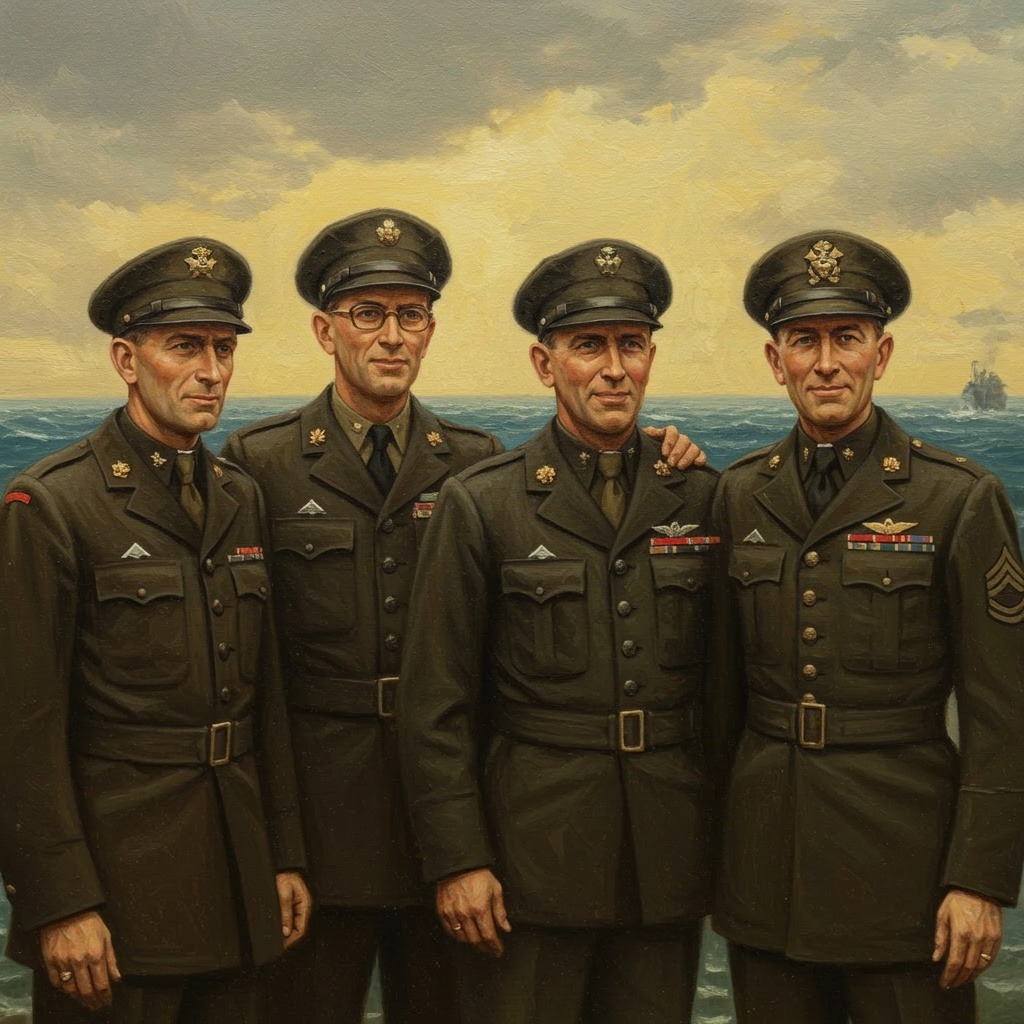
The Four Chaplains, George Fox, Alexander Goode, Clark Poling, John Washington were four U.S. Army officers who gave their lives so others could live — on one of the darkest nights of World War II.
Here is a quick summary of who they were:
George L. Fox Methodist First Lieutenant
Alexander D. Goode Reform Jewish First Lieutenant
Clark V. Poling Reformed Church in America First Lieutenant
John P. Washington Roman Catholic First Lieutenant
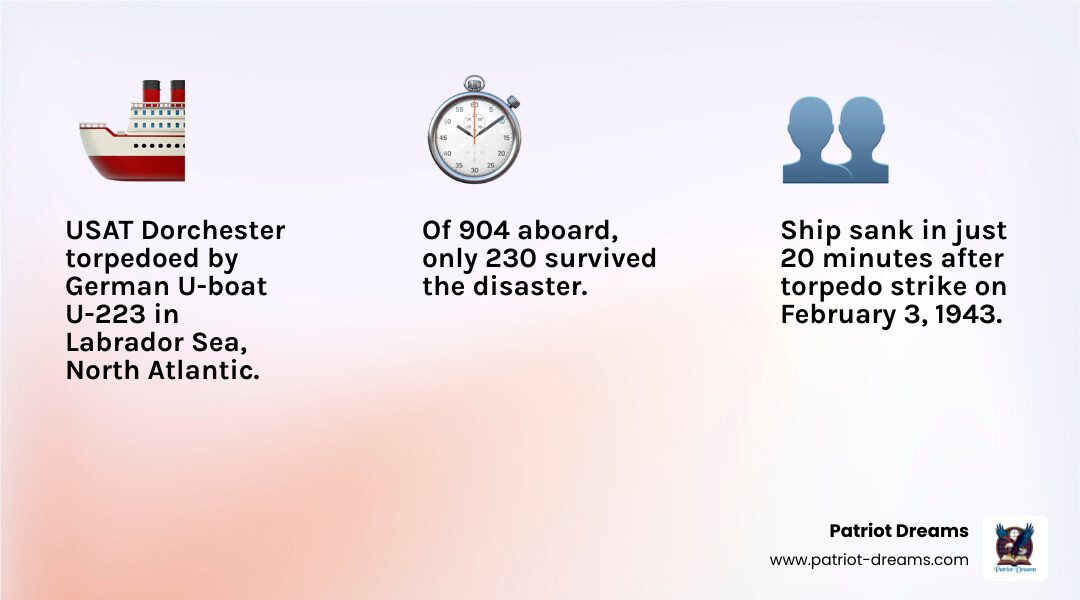
On February 3, 1943, the USAT Dorchester was torpedoed by a German U-boat in the North Atlantic. The ship sank in just 20 minutes. Of the 904 people aboard, only 230 survived.
In those final chaotic minutes, these four men handed out life jackets to frightened soldiers. When the supply ran out, they gave away their own. Survivors watching from lifeboats saw them standing together on the tilting deck — arms linked, praying in different languages, singing hymns — as the freezing water rose around them.
Survivor John Ladd called it "the finest thing I have seen or hope to see this side of heaven."
As of 2026, it has been 83 years since that night. But this story feels just as close and just as real. It is a story about ordinary men doing something extraordinary — and about what is possible when people of different faiths stand together as one.
The Four Chaplains, George Fox, Alexander Goode, Clark Poling, John Washington vocabulary:
- General Jonathan Wainwright: The Hero of Bataan’s Defiance
- The Army That Didn’t Exist: The Secret Story of the 23rd Headquarters Special Troops
- Molly Pitcher
The Voyage of the USAT Dorchester and the Night of the Attack
The USAT Dorchester wasn’t always a troop transport. Built in 1926 as a luxury steamship, it was designed to carry about 400 people through coastal waters. But by February 1943, the world was at war, and the Dorchester had been pressed into service for a far more dangerous mission.
It was part of Convoy SG-19, moving through the "Torpedo Alley" of the North Atlantic toward a base in Greenland. The ship was crowded, carrying 904 souls—soldiers, merchant mariners, and civilian workers. Because of the constant threat of German U-boats, the captain had ordered the men to sleep in their clothes and keep their life jackets on. But down in the hold, the heat was stifling, and many men ignored the order, leaving their bulky life preservers on hooks.
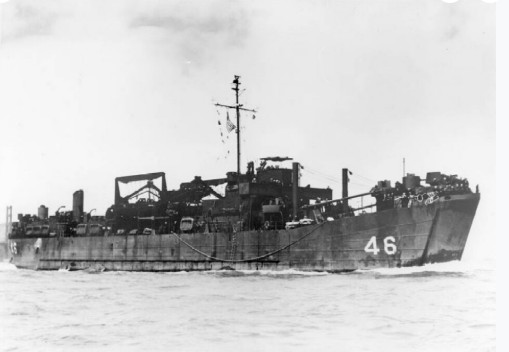
Just after midnight on February 3, the German submarine U-223 spotted the convoy in the Labrador Sea. A single torpedo struck the Dorchester’s starboard side, deep below the waterline. The explosion was massive. Power failed instantly, plunging the ship into darkness and silence, save for the sound of rushing water and the cries of the wounded.
The Dorchester began to list sharply. In the freezing 34-degree water and 36-degree air, survival was a matter of minutes. Panic began to set in as men scrambled through the dark, many having forgotten their life jackets in the rush. It was a moment that tested the Military Patriotism of everyone on board, much like the trials faced by Pearl Harbor Survivors just over a year earlier.
The Heroic Legacy of The Four Chaplains, George Fox, Alexander Goode, Clark Poling, John Washington
In the middle of this nightmare, four men became a beacon of calm. They had met at the Army Chaplains School at Harvard and later trained together at Camp Myles Standish. Despite their different religious backgrounds, they had become fast friends. They proved that unity doesn't mean everyone has to be the same—it means everyone has to care for one another.
ChaplainBackgroundKnown ForGeorge L. FoxMethodist MinisterWWI Marine hero; "The Little Minister"Alexander D. GoodeReform RabbiGifted scholar; loved sports and familyClark V. PolingReformed Church7th generation minister; rejected safe postsJohn P. WashingtonCatholic PriestFormer Newark gang member; loved music
These four men exemplified The Four Chaplains: A Legacy of Faith, Courage, and Unity by refusing to let their differences divide them when their brothers-in-arms needed them most.
The Early Callings of The Four Chaplains, George Fox, Alexander Goode, Clark Poling, John Washington
Each of these men had a unique path to that deck in the North Atlantic.
George Fox was the oldest. At 17, he had lied about his age to join the Marines in World War I, where he served as a medic. He was a decorated hero, earning the Silver Star and the Croix de Guerre for his bravery under fire. After the war, he became a Methodist minister, but when WWII broke out, he told his wife, "I’ve got to go... They need me."
Alexander Goode followed in his father's footsteps to become a rabbi. He was a brilliant scholar and an athlete who once walked 30 miles just to attend a ceremony at the Tomb of the Unknown Soldier. He was a man of deep compassion who saw his military service as a way to stand against the darkness of the era.
Clark Poling came from a long line of ministers—seven generations, in fact. He didn't want a safe desk job. He famously told his father, "Don't pray for my safe return... pray that I shall be adequate." He wanted to be where the danger was greatest because that was where he felt a chaplain was most needed.
John Washington grew up in a tough Newark neighborhood as part of a local gang. But a higher calling led him to the priesthood. He was known for his beautiful singing voice and his ability to organize sports to keep the men's spirits up. He was a "priest of the people" who knew how to comfort those who were scared.
The Final Moments of The Four Chaplains, George Fox, Alexander Goode, Clark Poling, John Washington
As the Dorchester sank, the four chaplains moved among the men, calming the panicked and guiding the disoriented toward the lifeboats. When the supply of life jackets in the storage locker ran out, the chaplains didn't hesitate. They took off their own life preservers and handed them to four young soldiers.
Rabbi Goode even gave his gloves to Petty Officer John Mahoney. Mahoney later realized that Goode had no intention of leaving the ship; he was giving away his only hope of survival in the icy water.
The last sight survivors had of the ship was the four chaplains standing on the aft deck. They had linked arms to brace themselves against the slant of the sinking vessel. Witnesses like William Bednar, who was floating in the oil-covered water, heard their voices. They were preaching courage and praying—in Latin, in Hebrew, and in English. They were a living testament to the History of the Four Chaplains · Army Chaplain Corps and the idea that faith transcends boundaries.
Beyond the Chaplains: The Heroes of the Icy Atlantic
While the chaplains were giving their lives on the ship, other heroes were working in the water. The Coast Guard cutters Comanche and Escanaba arrived to pull survivors from the sea.
One of the most remarkable stories is that of Charles Walter David Jr., a Black Coast Guard steward on the Comanche. Despite the segregation of the era, David dove into the freezing, oil-slicked water again and again to rescue his fellow sailors and officers. He saved dozens of lives that night but tragically contracted pneumonia from the exposure and died weeks later.
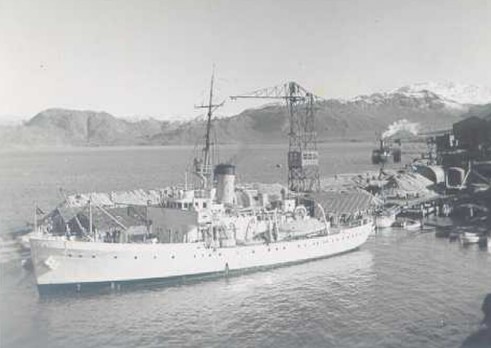
The rescue was a desperate race against time. The water was so cold that many men in the lifeboats were too weak to climb the rescue nets. Of the 904 people who started the voyage, only 230 were saved. The loss of 675 lives made the sinking of the Dorchester the worst single loss of life for a U.S. convoy during the war. It was a tragedy of immense proportions, reminding many of the heartbreak seen when We Stick Together: The Unforgettable Sacrifice of the Sullivan Brothers occurred just months earlier.
Honoring the Sacrifice: Medals and Memorials
The story of the Four Chaplains quickly became a symbol of American unity. In 1944, all four were posthumously awarded the Distinguished Service Cross and the Purple Heart. However, there was a desire to give them the Medal of Honor.
Because the Medal of Honor requires "heroism in combat under fire," and the chaplains were non-combatants who died during a sinking rather than a direct exchange of gunfire, they were technically ineligible. To fix this, Congress took a special step. They created the Four Chaplains' Medal, also known as the Special Medal for Heroism. It was designed to have the same prestige as the Medal of Honor and was presented to their families in 1961. It has never been awarded to anyone else, before or since.
Their legacy lives on in many ways:
- The Chapel of the Four Chaplains: Dedicated in 1951 by President Harry Truman in Philadelphia.
- Postage Stamps: In 1948, the U.S. Postal Service issued a stamp in their honor.
- Four Chaplains Day: Every February 3, services are held across the country to remember their sacrifice.
Frequently Asked Questions about the Four Chaplains
Why were they awarded a special medal instead of the Medal of Honor?
The Medal of Honor has very strict legal requirements involving "actual combat with the enemy." Since the chaplains were helping men on a sinking ship and not engaging in a firefight, Congress passed special legislation in 1960 to create a unique medal of equivalent weight and prestige specifically to honor their extraordinary self-sacrifice.
What faiths did the Four Chaplains represent?
They represented the beautiful diversity of the American spirit: George Fox was a Methodist, Alexander Goode was a Reform Jew, Clark Poling was from the Reformed Church in America, and John Washington was a Roman Catholic priest.
How many people survived the sinking of the USAT Dorchester?
Only 230 people survived out of the 904 on board. The ship sank in just 20 minutes, and the extreme cold of the North Atlantic caused many to perish from hypothermia before rescue ships could reach them.
Conclusion: A Lesson in Unity for Today
At Patriot Dreams, we believe that history isn't just a list of dates and names. It’s a collection of heartbeat stories that show us who we are at our best. The story of The Four Chaplains, George Fox, Alexander Goode, Clark Poling, John Washington is one of those stories. It’s a reminder that even in the coldest, darkest moments, the warmth of human kindness and interfaith cooperation can light the way.
These four men didn't ask the soldiers what church they went to before handing them a life jacket. They only saw a brother in need. Their sacrifice is a cornerstone of America 250 Years in the Making, teaching us that we are always stronger when we stand together, arms linked, against the rising tide.
May we all carry a bit of their courage in our own lives, looking for ways to serve others regardless of our differences. That is the true American dream.

Join the Patriot Dreams Community
Download the app today and start your journey through American history and personal legacy.

Explore Our Latest Insights
Dive into stories that shape our American legacy.