How the Electoral College and Elections Actually Work


A Story Belonging to All of Us: Presidential Election History
Presidential election history is one of the most remarkable journeys in the story of democracy — 60 elections held across more than 230 years, each one a moment where the American people came together to choose their leader.
Here is a quick look at the key facts:
| Fact | Detail |
|---|---|
| Total elections held (through 2024) | 60 |
| Electoral votes needed to win | 270 out of 538 |
| Popular vote matched Electoral College | 54 out of 59 elections (91%) |
| Times popular vote winner lost | 5 (1824, 1876, 1888, 2000, 2016) |
| First election held | 1788–1789 |
| Election Day | First Tuesday after first Monday in November |
| Constitutional age requirement | 35 years old |
| Residency requirement | 14 years in the U.S. |
Every four years, something quietly extraordinary happens across this country. Neighbors walk into polling places. Families gather around screens. And the peaceful transfer of power — one of America's most cherished traditions — moves forward.
That is something worth understanding. And worth celebrating.
This guide walks through how it all works — from the Electoral College to the primaries, from the founding era to 2024 — in a way that feels clear, human, and connected to the real stories behind the numbers.
Key terms for Presidential election history:
- American Revolution stories
- Oregon Trail stories
- California Gold Rush
The Heart of Our Democracy: Understanding Presidential Election History
When we look back at the sweep of American history, the presidential election stands out as a heartbeat — a steady, four-year pulse that has continued through wars, depressions, and eras of great prosperity. Since the very first contest in 1788–1789, there have been 60 presidential elections. Each one tells a story of a changing nation and the people who stepped forward to lead it.
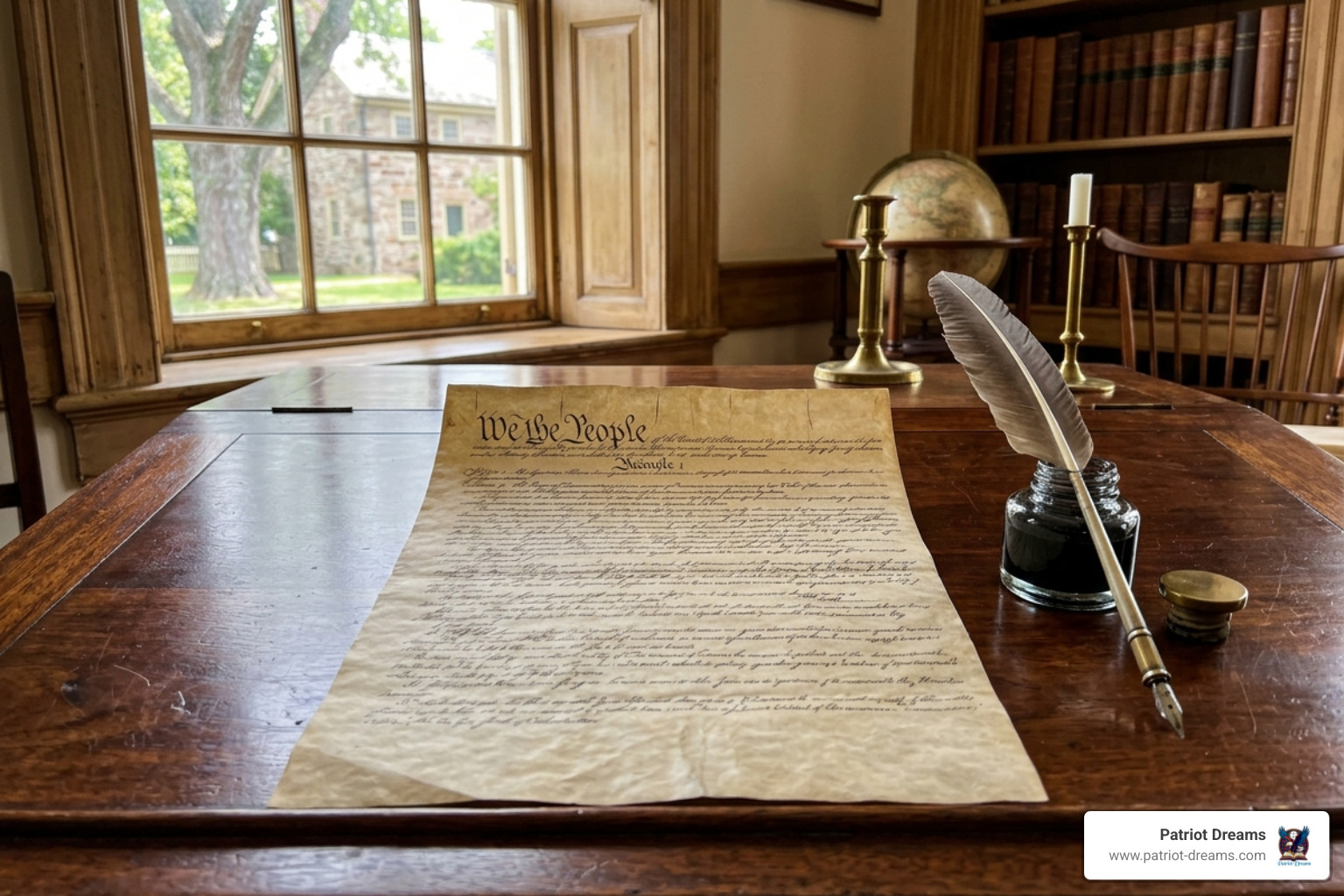
To understand how we choose our president, we first have to look at the rules of the road. The Constitution sets out very specific requirements for anyone who wants to call the White House home. A candidate must be a "natural-born citizen," at least 35 years old, and have lived in the United States for at least 14 years. These rules were designed to ensure that the leader had deep roots in the community they were chosen to serve.
Our first leader, George Washington, set the tone for everything that followed. You can read more about George Washington's journey to the presidency to see how a man who didn't even want the job became the only president to be elected unanimously. It’s a beautiful reminder that leadership often finds those who are most committed to the common good.
If you're looking for the hard data on who won and when, checking the Historical U.S. Presidential Election Results provides a fascinating look at the shifting tides of political parties over two centuries. From the early days of the Federalists to the modern era, the names change, but the spirit of the contest remains the same.
The Foundations of Presidential Election History
The blueprint for our elections is found in Article II of the Constitution. It was a subject of much debate during the Constitutional Convention of 1787. James Madison's constitutional vision was instrumental in creating a system that balanced the power of the people with the stability of the states.
Originally, the system was a bit different than it is today. In the first few elections, electors cast two votes for president. The person with the most votes became president, and the runner-up became vice president. As you can imagine, this led to some awkward pairings between political rivals! This was fixed by the 12th Amendment in 1804, which required electors to cast separate ballots for president and vice president.
Today, there are 538 electors in total. This number matches the total number of Senators (100), Representatives (435), plus 3 electors for the District of Columbia. To win the presidency, a candidate needs an absolute majority — at least 270 electoral votes.
How the Electoral College Connects Our Fifty States
One of the most unique things about our system is that we don't actually have one single national election. Instead, we have 51 separate elections (the 50 states plus D.C.) happening all at once. This decentralized system is managed by the states, which is why voting hours or ballot styles might look a little different if you move from Ohio to Oregon.
Most states use a "winner-take-all" rule. This means that if a candidate wins the popular vote in a state — even by just one single vote — they receive all of that state's electoral votes. This is why candidates spend so much time in "swing states" like Pennsylvania, Michigan, or Arizona, where the vote is often very close.
However, two states — Maine and Nebraska — do things a little differently. They use a "district method," where they can split their electoral votes based on who wins in specific congressional districts. It’s a small detail, but it shows how our system allows for local flavor.
You can explore these patterns yourself using Interactive historical election maps. It’s quite a sight to see how the "red" and "blue" states have shifted over time. Despite the debates we often hear about the Electoral College, it’s worth noting that in 91% of our elections (54 out of 59 through 2020), the winner of the national popular vote also won the Electoral College. The system and the people usually walk hand-in-hand.
A Journey Through Time: The Evolution of Our Voting Process
In the early days of the Republic, things looked very different. There were no primary elections, no television ads, and in many states, the average person didn't even vote for the president directly — the state legislatures chose the electors!
The way we choose candidates has evolved through the years. We’ve seen the rise and fall of many political parties. There was Thomas Jefferson's democratic voice and the Democratic-Republicans, the Federalists, the Whigs, and eventually the Republican and Democratic parties we know today.
In 1912, we saw Teddy Roosevelt's Progressive spirit lead him to form a third party, the "Bull Moose" party, which remains the most successful third-party run in history. He earned 88 electoral votes, proving that a strong individual can always shake up the system.
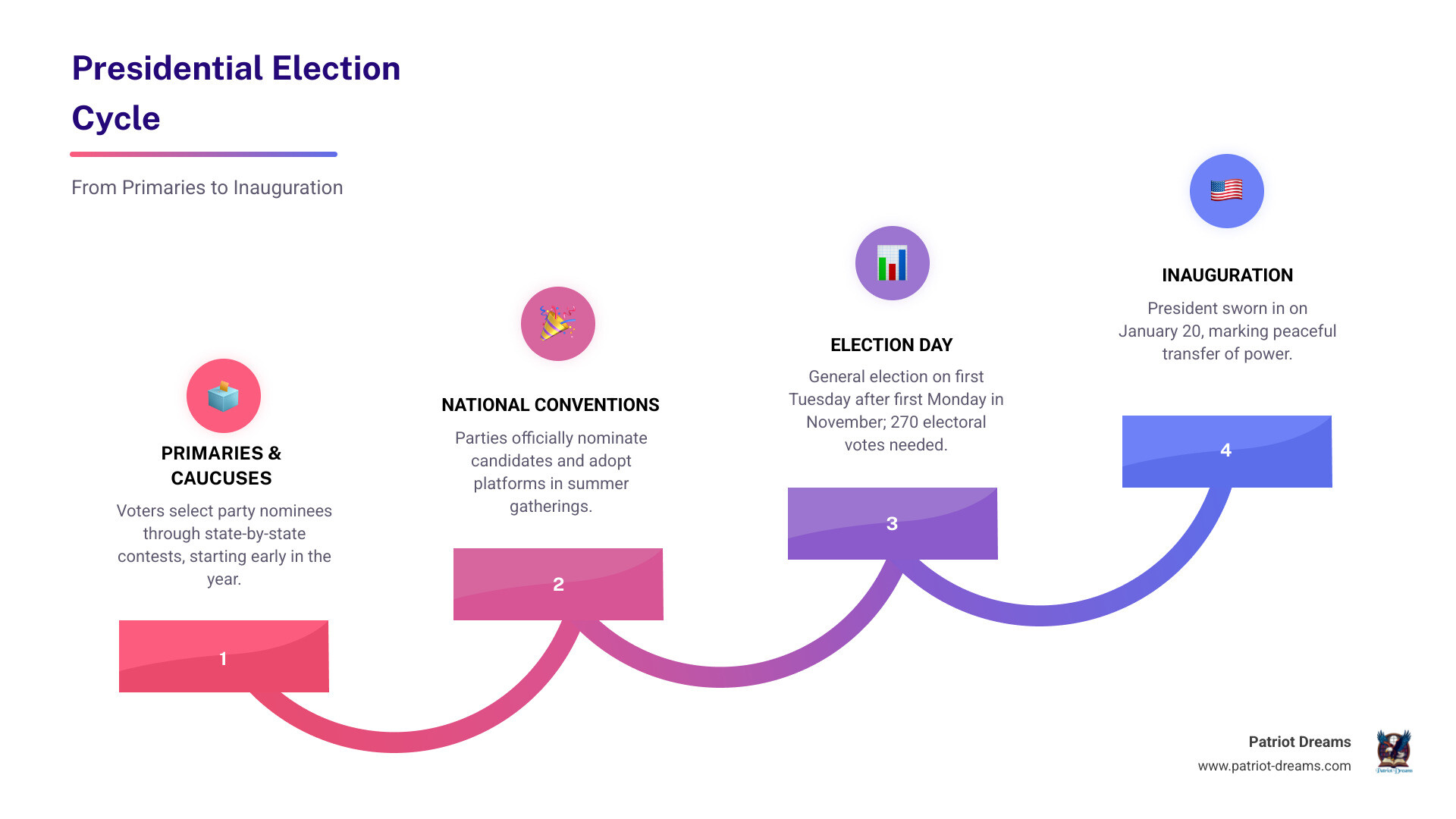
Today, the process starts long before November. We have:
- Primaries and Caucuses: Where neighbors meet in schools and community centers to choose their party's favorite.
- National Nominating Conventions: Big, colorful gatherings where parties officially name their candidates.
- General Election: The final stretch where the whole country decides together.
Voter turnout has also seen its ups and downs. While we often worry about participation, it's heartening to know that 2008 saw the highest turnout since 1968, with 61.7% of eligible voters making their voices heard. Every generation finds its own reason to head to the polls.
Moments of Resilience: When the System Faced Big Questions
Our presidential election history isn't just about the smooth years; it's about how we handle the difficult ones. There have been times when the results were so close or so contested that the system was put to the test.
One of the most famous examples was the 1800 tie between Thomas Jefferson and Aaron Burr. Because they were tied in the Electoral College, the decision went to the House of Representatives. It took 36 ballots before Jefferson was finally chosen. This "contingent election" process is still the backup plan today if no one reaches 270 votes.
We also remember Andrew Jackson's 1824 experience. He won the most popular votes and the most electoral votes, but because he didn't have a majority, the House chose John Quincy Adams instead. It was a tough moment, but Jackson didn't give up — he came back to win four years later.
The 1876 election was another "big question" moment. It was so disputed that a special commission had to be formed to decide the winner. They met by candlelight to figure out a path forward. More recently, the 2000 Florida recount and the 2016 election (where the popular vote and Electoral College differed) reminded us that every single vote truly matters.
In the 2024 election, Republican Donald Trump won 312 electoral votes to Democrat Kamala Harris's 226. No matter who wins, the most beautiful part of the story is that on the following January 20th, the country moves forward together.
Turning Points in Presidential Election History
There are certain years that changed the map forever. The 1860 election, with a four-way split, led to the presidency of Abraham Lincoln during our nation's greatest trial. In 1968, George Wallace's third-party run won five states and 46 electoral votes, leading to major reforms in how parties choose their candidates.
Today, some people propose changes like the National Popular Vote Interstate Compact, which would essentially bypass the Electoral College if enough states signed on. Others believe the current system protects the voice of smaller states. These conversations are part of a long tradition of Americans always looking for ways to make our "more perfect union" even better.
The Modern Campaign: Bringing Neighbors Together
If a time traveler from 1800 arrived in April 2026, they would be stunned by a modern campaign. Instead of letters carried by horseback, we have social media, 24-hour news, and televised debates.
The "television era" really began in 1960 with the famous debates between John F. Kennedy and Richard Nixon. It changed the way we look at candidates, making them feel like people we know personally. Today, the internet and social media have made the conversation even more direct.
We’ve also seen patterns in how we vote for incumbents. Generally, if a president has a high approval rating, they have a strong chance of re-election. However, as James Monroe's Era of Good Feelings showed us, there are rare times when the country feels so united that the election almost feels like a shared celebration.
As we look toward the future, the goal remains the same: community engagement. Whether it's through a town hall meeting or an app that tells the stories of our past, staying connected to our history helps us make better decisions for our future.
Frequently Asked Questions about Presidential Election History
What happens if no candidate reaches 270 electoral votes?
If no candidate secures a majority of the 538 electoral votes, the decision moves to the House of Representatives. This is called a "contingent election." In this special vote, each state delegation gets exactly one vote, regardless of how many people live there. They must choose from the top three electoral vote-getters. To win, a candidate needs the support of 26 states.
How many times has the popular vote winner lost the Electoral College?
This has occurred five times in our history: 1824, 1876, 1888, 2000, and 2016. While it doesn't happen often, these moments remind us of the unique way our states work together to choose a leader. It highlights the importance of the "winner-take-all" system used by most states and how "swing states" can decide the final outcome.
Why do we use primaries and caucuses today?
These processes allow neighbors in every state to have a voice in choosing their party's nominee before the national convention. Before the 1970s, party leaders often chose the candidates in "smoke-filled rooms." Following the 1968 Democratic Convention, reforms were made to ensure that the people — the voters in the pews and on the porches — were the ones making the choice.
Conclusion
At Patriot Dreams, we believe that presidential election history is more than just a list of names and dates. It is a collection of shared stories that define who we are as a people. Every election is a testament to American resilience and our ability to come together, even when we disagree, to chart a course for the next four years.
Our history is built on the kindness of neighbors, the perseverance of leaders, and the legacy of families who have cast their ballots for generations. By understanding where we’ve been, we can feel more hopeful and connected to where we are going.
We invite you to keep exploring these stories. Whether it's the tale of a general who became our first president or the modern-day efforts to keep our elections secure and fair, your place in the American story is waiting to be discovered.
Discover your place in the American story on the Patriot Dreams App

Join the Patriot Dreams Community
Download the app today and start your journey through American history and personal legacy.

Explore Our Latest Insights
Dive into stories that shape our American legacy.