All About Will Rogers

Will Rogers: America's Cowboy Philosopher and Beloved National Voice
Read Time: 10 mins
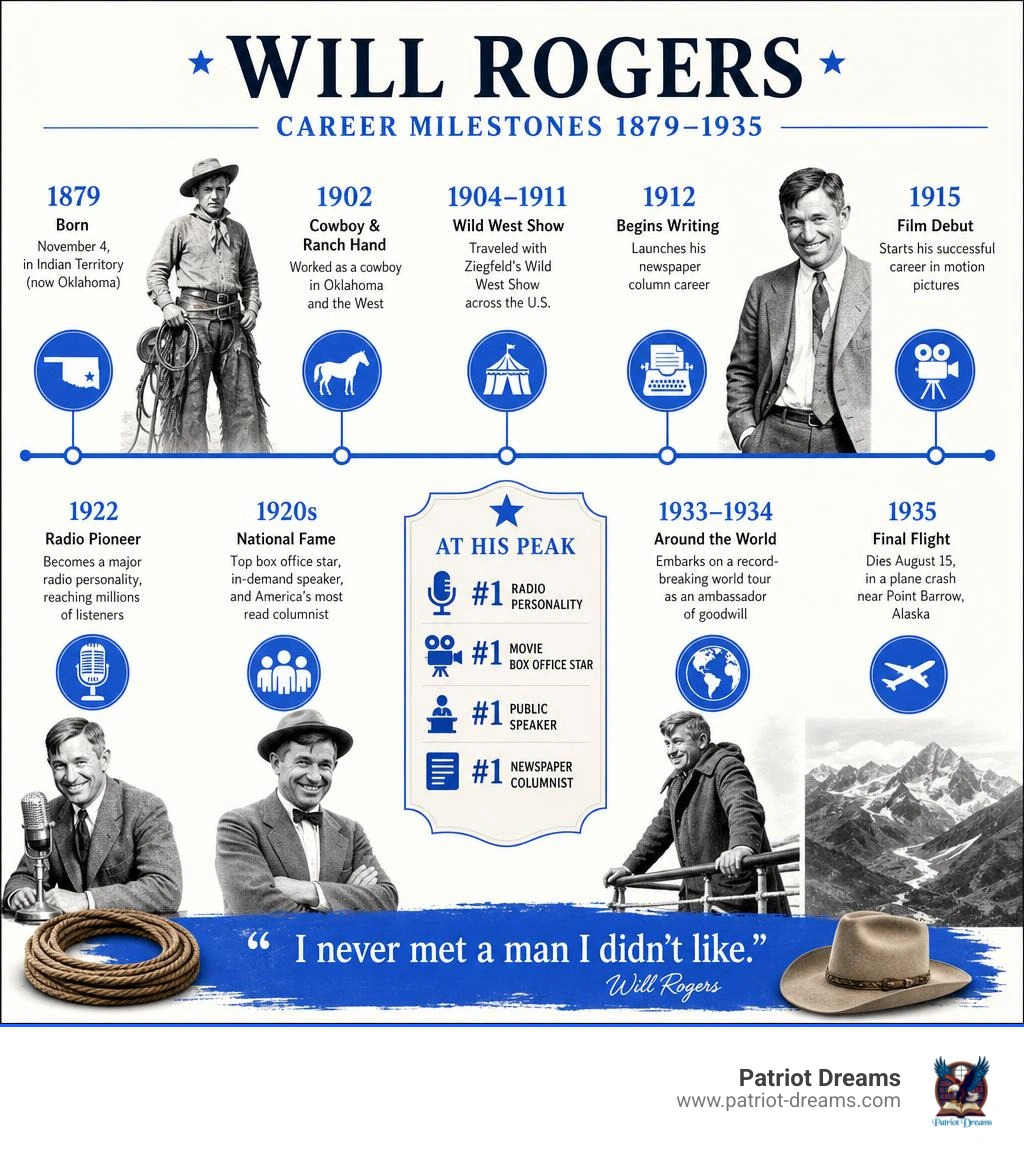
Will Rogers was one of the most beloved figures in American history — a Cherokee cowboy from Oklahoma who made the whole country laugh, think, and feel a little more hopeful.
Here's a quick look at who he was:
Fast FactDetailFull NameWilliam Penn Adair RogersBornNovember 4, 1879, Indian Territory (now Oklahoma)DiedAugust 15, 1935, near Point Barrow, AlaskaHeritageCitizen of the Cherokee NationKnown ForHumorist, actor, columnist, radio personalityFamous Quote"I never met a man I didn't like."Films Made71 (50 silent films, 21 talkies)Newspaper Reach40 million daily readersColumns WrittenMore than 4,000 syndicated columns
At his peak in the 1930s, Rogers was simultaneously the #1 radio personality, the #1 movie box office star, the most sought-after public speaker in America, and the most-read newspaper columnist in the country. That kind of reach is almost impossible to imagine today.
But what made Rogers truly special wasn't the fame. It was the warmth.
He poked fun at presidents and politicians — but never with cruelty. He spoke plain, simple truths that everyday people recognized instantly. H.L. Mencken, one of the sharpest critics of his era, called him "the most dangerous writer alive." Franklin D. Roosevelt said Rogers brought Americans "back to a sense of proportion."
In a time of rapid change and uncertainty, Will Rogers was a steady, gentle, funny voice reminding everyone that things would be okay.
This article tells the full story of his life — from his Cherokee roots on an Oklahoma ranch to Hollywood stardom, from the pages of America's newspapers to a tragic final flight over Alaska.
Key Will Rogers vocabulary:
- Gunsmoke and Grit: Legends, Outlaws, and Lawmen of the Wild West
- mountain men frontier tales
- when was the wild west era
The Cherokee Roots and Early Life of Will Rogers
To truly understand Will Rogers, we have to go back to the wide-open plains of Indian Territory, long before Oklahoma became a state. His story is deeply rooted in the soil, the cattle ranches, and the rich heritage of the Cherokee Nation.
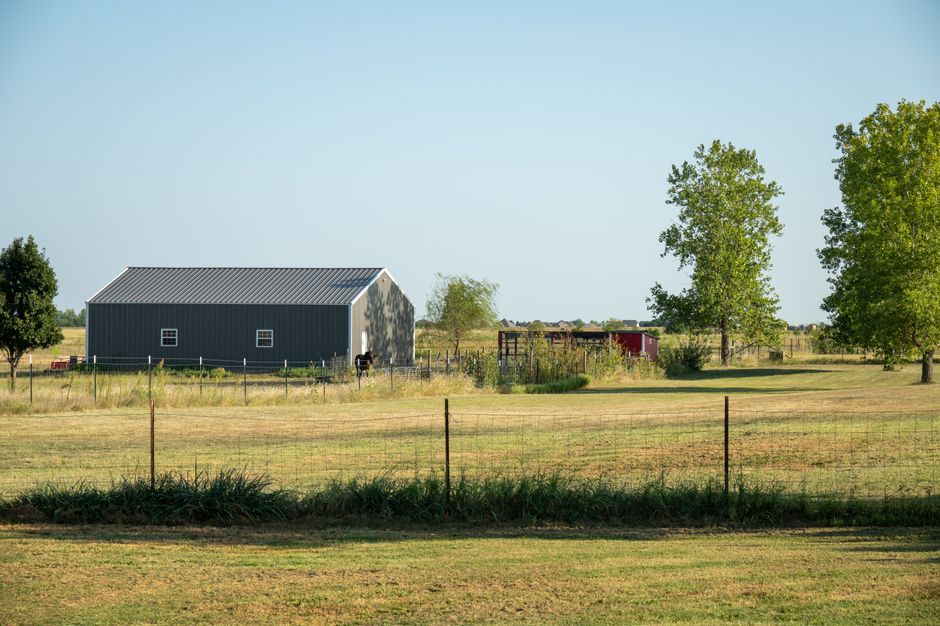
Born on November 4, 1879, on the Dog Iron Ranch near present-day Oologah, Will was the youngest of eight children born to Clement Vann Rogers and Mary America Schrimsher Rogers. Only Will and three of his sisters survived to adulthood. His family was prosperous, respected, and deeply connected to their native culture. To explore his early life is to discover a young boy who was shaped by the warmth of family, the hard work of ranching, and a unique cultural identity that he carried proudly throughout his entire life. For a deeper look at his early years, you can read more about Rogers, William Penn Adair | The Encyclopedia of Oklahoma History and Culture .
A Proud Native Heritage
Will Rogers was a citizen of the Cherokee Nation. Both of his parents were of Cherokee descent, and Will grew up immersed in the traditions and values of his people. He never lost touch with these roots, often using his platform to advocate for Native American rights and representation.
He possessed a wonderful, lighthearted pride in his lineage. When others boasted about their ancestors arriving on the historic Mayflower, Will would famously quip that his ancestors didn't cross the ocean on the ship—instead, "they met the boat." This blend of cultural pride and gentle humor allowed him to bridge the gap between indigenous communities and the rapidly growing modern American society. His upbringing in Oologah taught him to value community, humility, and the simple beauty of the land—values that would later define his entire public persona.
From Oklahoma Cowboy to World Traveler
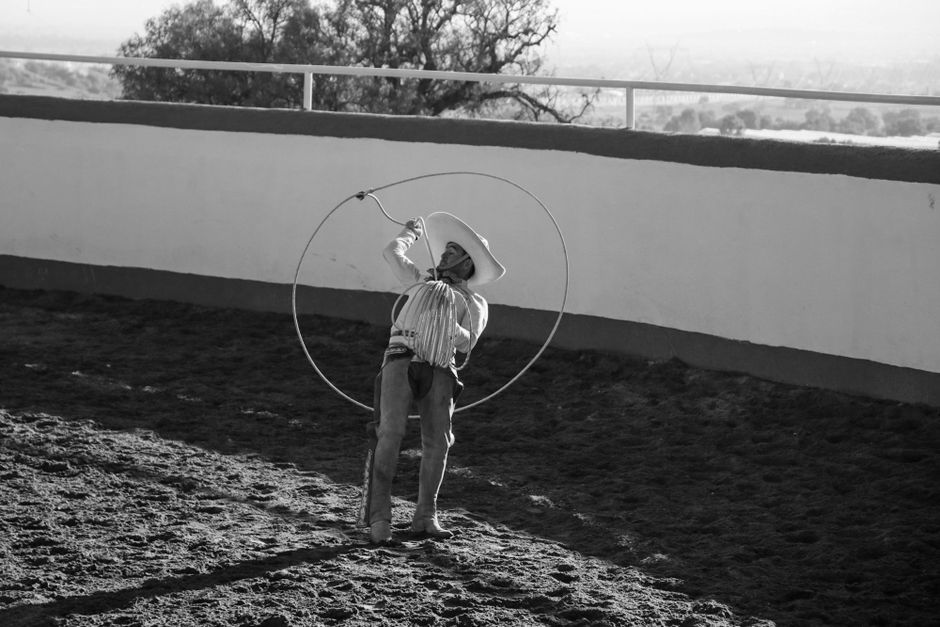
As a boy on the Dog Iron Ranch, Will loved the cowboy life far more than he loved school. He became exceptionally skilled with a lasso, practicing for hours on end until the rope felt like an extension of his own arm. He eventually bought a beautiful 20-acre ranch near Claremore, Oklahoma, for $500 an acre (which is equal to about $17,277 per acre today), establishing a home base that kept him connected to the land.
But his adventurous spirit could not be contained by one ranch. In 1902, after a brief and financially challenging attempt to manage a ranch in Argentina, Will set off to see the world. He traveled to South Africa, where he found work with Texas Jack's Wild West Circus. Performing under the name "The Cherokee Kid," he amazed audiences with his incredible lasso skills.
Will was so talented that he was eventually listed in the Guinness Book of World Records for throwing three ropes at once: one around a horse's neck, another around the rider, and the third around all four of the horse's legs. Over his lifetime, Will traveled around the world three times, transforming from a local Oklahoma ranch hand into a truly global citizen.
From Wild West Shows to Hollywood Stardom
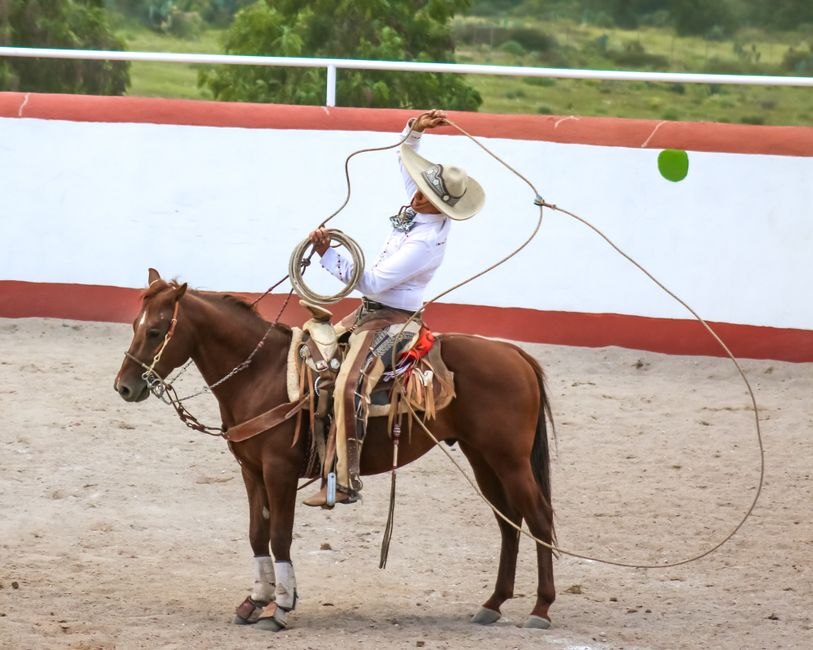
When Will returned to the United States, he brought his traveling show experience with him. He began performing in vaudeville, combining his mesmerizing rope tricks with quick-witted, off-the-cuff remarks. It didn't take long for producers to realize that while audiences loved his roping, they absolutely adored his talking.
The Rise of Will Rogers in Vaudeville and Film
Will's big break came in 1905 at Madison Square Garden. A wild steer broke loose from an arena show and threatened to charge into the crowd. Quick as lightning, Will sprang into action, roping the runaway steer and saving the audience from danger. The incident made front-page news, catapulting him into the spotlight.
By 1916, he had joined the famous Ziegfeld Follies on Broadway. It was here that his signature style truly blossomed. He would stand on stage, casually twirling his lasso, and comment on the daily news.
As the entertainment industry evolved, so did Will. He transitioned into the film industry, starring in 50 silent movies where his physical humor and expressive face shined. However, it was the arrival of "talkies" (sound films) that made him an absolute superstar. Audiences could finally hear his warm, rural Oklahoma twang. Under contract with Fox Film Corporation, he made 21 talking pictures, including classics like A Connecticut Yankee (1931) and State Fair (1933). By 1933, he was the highest-paid actor in Hollywood, beloved for playing warm-hearted, common-sense characters who stood up for the everyday person. You can explore his extensive career and media footprint on the Will Rogers - Wikidata page.
A Pioneer of the Airwaves and the Press
Will's voice reached far beyond the silver screen. He was a true pioneer of multi-media storytelling, writing more than 4,000 nationally syndicated newspaper columns over his lifetime. His daily short column, "Will Rogers Says," reached an astonishing 40 million readers.
In the late 1920s and 1930s, he also conquered the radio. His Sunday night half-hour broadcast for Gulf Oil became the most-listened-to weekly show in the nation. Because he loved to talk and often lost track of time, Will famously kept a wind-up alarm clock on his desk during live broadcasts. When the alarm buzzed, he knew it was time to wrap up, ensuring he never ran over his allotted airtime. To read more about his remarkable transition across various media, visit the comprehensive biography on Will Rogers - Wikipedia .
The Homespun Philosophy and Humor of America's Favorite Son
What made Will Rogers so enduringly popular was his philosophy. He didn't look down on people, and he didn't use his sharp intellect to make others feel small. Instead, he represented the "Everyman." He believed that the common sense of ordinary citizens was far more valuable than the complicated theories of self-proclaimed experts.
Will's Physical HumorWill's Political CommentaryLassoing running horses and performers with incredible precisionPointing out the absurdity of government spendingChewing gum casually on stage while performing complex rope tricksReminding politicians that they work for the peoplePlaying the lovable, clumsy country doctor or farmer on screenShowing that political parties often take themselves too seriously
"I Never Met a Man I Didn't Like"
Will's most famous quote, "I never met a man I didn't like," was actually part of a longer sentiment that he intended to be his epitaph: "I joked about every prominent man of my time, but I never met a man I didn't like."
This wasn't just a catchy phrase; it was how he lived his life. Will possessed a deep, genuine empathy for human beings. He could sit down with coal miners, farmers, kings, or corporate executives and find common ground with all of them. In an era marked by economic hardship and social divide, his message of universal goodwill was a soothing balm for the American soul. For more on how his philosophy shaped his life, check out Will Rogers | About Will Rogers | American Masters | PBS .
"All I Know Is What I Read in the Papers"
Will's signature opening line, "All I know is what I read in the papers," set the stage for his humble, relatable style. By framing himself as just an ordinary guy reading the news, he could deliver incredibly sharp critiques of the powerful without sounding arrogant. He used this common-sense approach to pull back the curtain on political posturing, showing his audience that the world's problems were rarely as complicated as the politicians made them out to be. To learn more about his unique place in cultural history, read Rogers, Will (1879-1935) | Encyclopedia.com .
A Gentle Voice in American Politics
Though he was a lifelong Democrat, Will's humor was strictly bipartisan. He joked that he didn't belong to any organized political party because he was a Democrat, but he poked fun at Republicans with equal enthusiasm.
He became a close friend and confidant to several U.S. presidents, including Woodrow Wilson, Calvin Coolidge, and Franklin D. Roosevelt. When introduced to the famously quiet President Coolidge, Will pretended not to hear his name, coaxing a rare, genuine smile out of the reserved leader. His ability to walk the halls of power while remaining a voice for the common citizen made him a respected figure in Washington. His unique role as a political bridge is beautifully documented in the historical records of the Congressional Commentator, Will Rogers .
The Mock Presidential Campaign of 1928
In 1928, Life magazine launched a mock presidential campaign nominating Will Rogers as the candidate for the "Anti-Bunk Party." Will ran on a single, hilarious campaign promise: if elected, he would immediately resign.
His campaign slogan was simple: "Your candidate promises to do absolutely nothing, and he will keep his promise." While the campaign was a joke designed to satirize the empty promises of real politicians, it struck a chord with the public. It allowed Americans to laugh at the political circus while reminding them of the true power of their vote.
Navigating Controversies with Grace
Even a beloved figure like Will Rogers occasionally faced challenges. In 1934, during a live radio broadcast, he used a common but offensive racial term while referring to a spiritual song. Recognizing the pain his words caused, Will did not make excuses. He addressed the issue with humility and grace, offering a sincere apology and focusing his future broadcasts on messages of unity, respect, and mutual understanding. This incident highlighted his capacity for self-reflection and his enduring commitment to kindness.
The Final Flight and an Enduring Legacy
Will was a passionate advocate for the future of aviation. He was the first civilian to fly from coast to coast with pilots flying the U.S. mail, and he constantly used his columns to encourage the public to embrace air travel.
The Tragic Crash at Point Barrow
In August 1935, Will set off on an exciting air expedition to Alaska with his close friend, the legendary, one-eyed pioneer aviator Wiley Post. They wanted to explore new air routes and enjoy the rugged beauty of the northern frontier.
Tragically, on August 15, 1935, their plane experienced engine failure shortly after takeoff and crashed into a shallow lagoon near Point Barrow, Alaska. Both Will Rogers and Wiley Post died instantly. Will was only 55 years old.
The news of his death struck the nation like a sudden, heavy blow. Newspapers across the country carried the tragic headline, and millions of Americans wept for the loss of their favorite son. On the floor of the U.S. House of Representatives, Will was eulogized as a national treasure whose love for humanity had left an indelible mark on the world. You can read more about his life's journey and final days on the Will Rogers - New World Encyclopedia page.
The Lasting Cultural Impact of Will Rogers
Today, Will's legacy lives on in the many places, memorials, and honors named in his memory. U.S. Highway 66—the famous Route 66—was officially designated as the "Will Rogers Highway" in his honor. His statue stands proudly in the National Statuary Hall Collection in the U.S. Capitol, where, by tradition, members of Congress rub his left shoe for good luck before major speeches.
His beloved 20-acre ranch in Claremore is now home to the Will Rogers Memorial Museum, a place where families can gather to learn about his life, his humor, and his enduring message of love and laughter. For a visual journey through his incredible life, you can also view this tribute: Will Rogers is one of the most fascinating people in American history ... .
Frequently Asked Questions About Will Rogers
How many movies did Will Rogers make?
Will Rogers made a total of 71 films throughout his career. This included 50 silent movies, where his physical comedy and expressive roping acts shone, and 21 "talkies" with Fox Film Corporation, which allowed audiences to fall in love with his warm, natural voice.
What was Will Rogers' famous quote about people?
His most famous quote was, "I never met a man I didn't like." This simple, powerful philosophy guided his life and interactions, reflecting his deep belief in the basic goodness of human beings and the power of empathy.
How did Will Rogers die?
Will Rogers died in a tragic airplane crash on August 15, 1935. He was traveling as a passenger with his friend, the famous pioneer aviator Wiley Post, when their plane suffered engine failure and crashed near Point Barrow in the Territory of Alaska.
Conclusion
At Patriot Dreams, we believe that the stories of our past are the threads that hold us together today. Will Rogers was more than just an entertainer; he was a gentle reminder of the values that make America beautiful—kindness, resilience, humor, and a deep respect for our neighbors.
Through our interactive audio storytelling platform, we bring the voices, legacies, and heartfelt histories of American legends like Will Rogers right into your living room. We invite you to explore the rich tapestry of our nation's heritage, preserve your own family stories, and find inspiration in the everyday heroes who came before us.
Discover the voices of American history with Patriot Dreams and keep the warmth of our shared legacy alive for generations to come.

Join the Patriot Dreams Community
Download the app today and start your journey through American history and personal legacy.

Explore Our Latest Insights
Dive into stories that shape our American legacy.