Listen Up: Unearthing History Through Audio Libraries

Why Sound Connects Us to Our Past

An audio history library is a special place — physical or digital — that collects, preserves, and shares historical sound recordings like speeches, music, radio broadcasts, interviews, and personal stories from the past. These libraries help us hear the voices of people who came before us, preserving our shared heritage for future generations.
If you have never visited one, it can help to picture a place like the Library of Congress National Audio-Visual Conservation Center, where engineers and archivists gently care for millions of historic recordings so they will still be here for our grandchildren.
What you'll find in an audio history library:
- Historic recordings - Wax cylinders, vinyl records, radio broadcasts, and oral histories
- Preservation efforts - Digitization projects that save decaying audio for the future
- Free public access - Online databases from our nation's libraries and dedicated historical archives
- Personal stories - Folk songs, family recordings, and everyday voices from American life
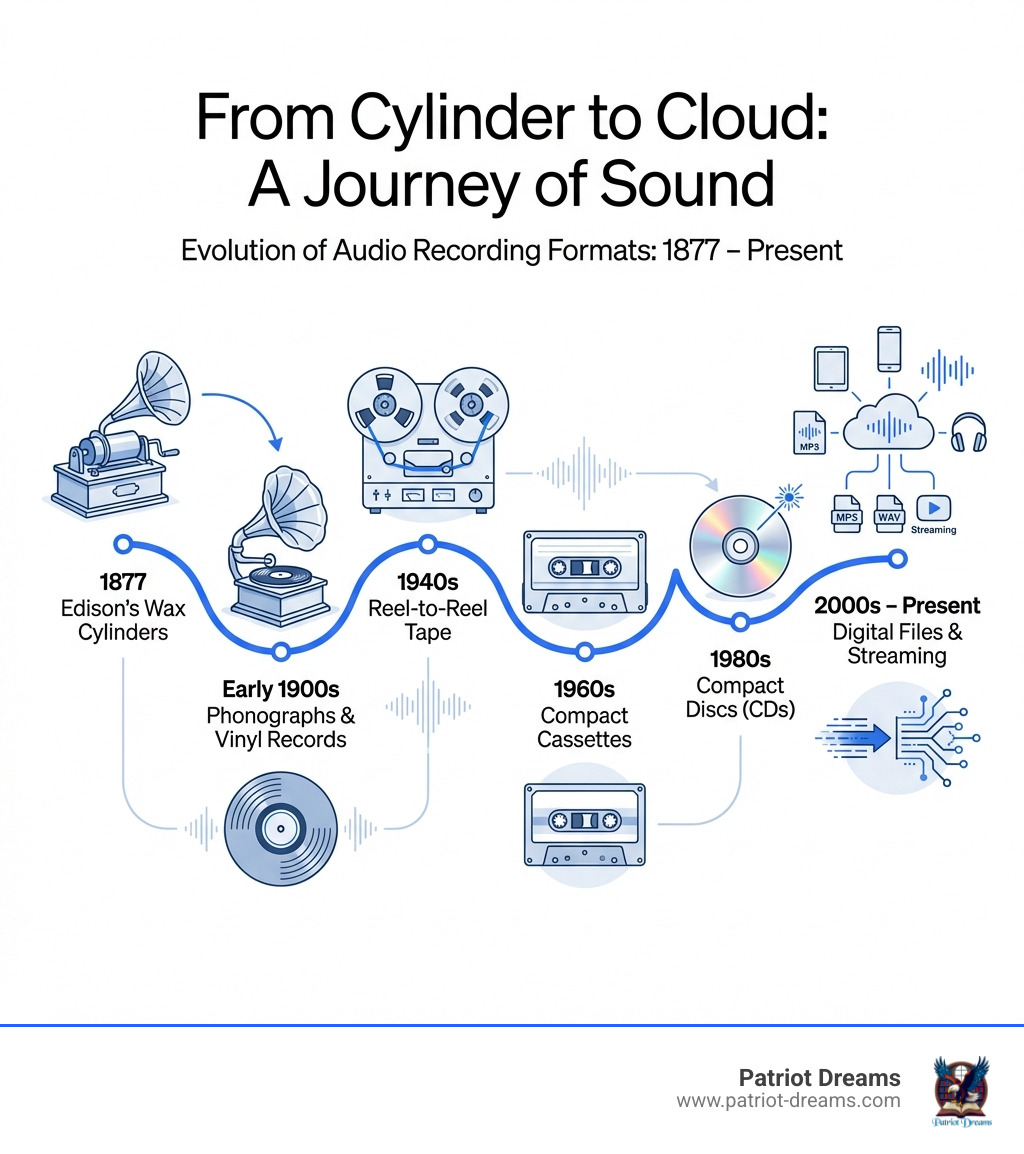
- Technical history - Documentation of audio technology from phonographs to modern digital files
There's something magical about sound. Unlike a photograph frozen in time, a voice moves. It laughs. It trembles. It sings.
When you listen to a recording from 1938 — maybe a folk singer in Michigan, or a family making a recording at home on a wax cylinder — you're not just learning history. You're feeling it. You're sitting with those people, hearing their hopes and dreams in their own words.
That's the gentle power of an audio history library. It's not just a collection of old recordings gathering dust. It's a treasure chest of voices — grandparents and pioneers, musicians and everyday heroes — all waiting to remind us where we came from and who we are.
America's story isn't just written in books. It's recorded in the crackle of a 78rpm record, the warmth of a radio broadcast, and the laughter caught on tape at a family gathering. These libraries preserve those sounds so we can pass them along, like heirlooms, to the children who come after us.
Audio history library basics:
- Patriot Dreams and America 250: Empowering the Next Generation of Leaders for the Nation’s Semiquincentennial
- "We Stick Together": The Unforgettable Sacrifice of the Sullivan Brothers
- Why the American Dream Still Resonates: A Cultural Deep-Dive
What is an Audio History Library?
Imagine a place where the sounds of yesterday are carefully collected and cared for, much like books in a traditional library. That's precisely what an audio history library is – a vibrant, living archive of our sonic past. It’s a treasure chest, not of gold, but of voices, music, and the echoes of innovation that have shaped our world. These institutions understand that history isn't just seen; it's also heard, felt, and remembered through the unique power of sound.
At Patriot Dreams, we believe that understanding our past, our shared American story, comes alive when we can truly hear it. An audio history library is dedicated to this very principle, ensuring that the soundscapes of earlier times are not lost to the silence of forgotten media.

The Heart of the Mission
The primary mission of these libraries is truly inspiring. Some serve as vital repositories and resources specifically dedicated to the technological history of acoustic and electronic products. Think about it: every radio broadcast, every television show, every concert tour, every movie (except the silent ones, of course), and every recorded song we've ever enjoyed owes its existence to these very technologies. The goal of these specialized archives is to document and preserve the story of how these incredible innovations came to be.
This mission isn't just about collecting old equipment; it's about understanding the ingenuity and perseverance that brought sound to our homes and lives. Many of these institutions are non-profit educational charities, which means their heart is in sharing knowledge and educating us all about this crucial aspect of our technological heritage. It’s a profound commitment to ensuring that the history of sound recording, sound storage, broadcasting, and sound reproduction is never forgotten. A common vision is to become an online encyclopedia, a comprehensive guide to every step of this amazing journey.
More Than Just Recordings
When we talk about an audio history library, we might first think of actual recordings – music, speeches, and interviews. But the scope is often much broader, especially for institutions focusing on the technology of sound. These archives dig deep into the very fabric of the audio industry. Their collections aren't just tapes and discs; they're a rich mix of documents and artifacts that tell the story of innovation.
Imagine browsing through original manufacturer's product literature, seeing how early radios or microphones were advertised and explained. Picture reading equipment reviews from decades past, understanding what was considered cutting-edge in its day. These libraries also collect related materials, historical photographs, captivating poster art, and examples of industrial design that show how these audio devices looked and felt.
Some house extensive files on well over 2,000 companies, including many pioneering American firms, chronicling their journey across the decades. This includes details of their incorporation, biographies of their founders, timelines of product introductions, and even experimental work that never quite made it to market. These materials offer a unique window into the minds of the inventors and entrepreneurs who built the audio world we know today. It’s a truly comprehensive approach to preserving the technological heritage of sound.
A Treasure Chest of Sounds: What You Can Find
Stepping into an audio history library is like starting on a grand adventure through time, guided by the very sounds of history. It’s a journey where every click, hum, and voice offers a new findy, connecting us directly to moments and people long past. We find ourselves transported, not just by facts, but by the emotional resonance of a song, a speech, or a personal anecdote.
The variety of materials within these libraries is astonishing, covering vast historical periods and capturing the essence of American life through its auditory heritage. From the faint echoes of the very first recorded sounds to the vibrant broadcasts of the mid-20th century, these collections offer an unparalleled opportunity to listen, learn, and be inspired.
The Earliest Echoes
Before streaming services, CDs, or even vinyl records, there were cylinders. These were the very first commercially produced sound recordings, initially made of tinfoil, then wax, and later plastic. Commonly about the size and shape of a soda can, these cylinders reigned supreme in the decades around the turn of the 20th century. Imagine the wonder of hearing a recorded voice for the first time!
Remarkable work has been done in preserving these earliest echoes. Some digital collections now boast more than 10,000 cylinder recordings, covering the late 1800s to the early 1900s. You can find everything from popular songs and vaudeville acts to classical and operatic music, comedic monologues, speeches, and readings. It's a direct sonic link to a bygone era, with many of these collections available to explore online.
One of the most touching aspects of these early recordings is the "Vernacular Wax Cylinder Recordings." These weren't made by big record companies; they were personal recordings made by everyday people at home. These recordings capture the early spirit of public interaction with recording technology, offering a glimpse into the ordinary lives and private moments of Americans from over a century ago. One such collection includes more than 650 of these unique recordings, so significant that they were selected for our nation’s National Recording Registry. They remind us that the desire to capture and share our stories through sound is as old as the technology itself.
Voices of a Nation
An audio history library isn't just about the technology of sound; it's profoundly about the human stories it preserves. Here, you'll find the authentic voices of a nation, capturing everything from grand historical speeches to the quiet rhythms of everyday life. We can hear the rich mix of American experience through oral histories and field recordings that paint vivid pictures of our past.
Consider the pioneering work of folklorist Alan Lomax. In 1938, at just 23 years old, our nation's library dispatched him to conduct a folk song survey of the Great Lakes region. Armed with a Presto disc recorder and a movie camera, Lomax traveled thousands of miles for nearly three months, capturing the musical traditions and stories of everyday Americans. His collection, now carefully preserved in the national archives, contains 1,270 items—a priceless snapshot of regional culture and resilience during a pivotal time in our history.
Beyond folk songs, these libraries hold significant collections of oral histories. Our nation's library, for instance, houses "Man-on-the-Street" interviews conducted after the attack on Pearl Harbor, offering raw, immediate reactions from Americans during a moment of national crisis. We can also find extensive "American English Dialect Recordings," which preserve the diverse ways Americans have spoken throughout the decades, reflecting our regional identities and linguistic heritage.
These collections truly bring history to life, allowing us to connect with the emotions, perspectives, and experiences of those who came before us. At Patriot Dreams, we cherish these kinds of personal narratives, understanding that every voice adds a unique thread to the fabric of our shared story. Our Patriotic Stories App aims to continue this tradition, making these voices accessible and inspiring for families today.
Within an audio history library, you can find a chorus of different historical voices:
- Folk singers sharing age-old tunes
- Community elders recounting local histories
- War veterans sharing their poignant memories
- Everyday families capturing laughter and milestones
The Golden Age of Broadcasting
For many of us, the crackle of a radio or the familiar sound of a television program instantly evokes a sense of nostalgia. The "Golden Age of Broadcasting" left an indelible mark on American culture, and an audio history library is where we can revisit those cherished moments. These libraries preserve the rich history of radio and early television, showcasing how these mediums informed, entertained, and united us.
Vast online libraries now stand as a remarkable testament to this era, with some non-profit projects functioning as free resources dedicated to preserving broadcast history. It's incredible to see archives boasting over 140,000 documents and publications. Imagine being able to access issues of Broadcasting Magazine from 1931-2001, or dig into Billboard Magazine beginning in 1894, or Cash Box Magazine from 1942-1996. These publications offer a fascinating glimpse into the evolution of music, advertising, and popular culture.
These archives contain a wealth of information, from historical radio programming guides that show what Americans were listening to, to detailed station histories, and even the regulatory history of the FCC and FRC that shaped the airwaves. They document the birth and growth of the music industry, the development of broadcast advertising, and the cultural shifts that played out over the air. These dedicated efforts ensure that the vibrant sounds of our broadcasting past continue to resonate for generations to come.
The Gentle Work of Preserving Our Shared audio history library
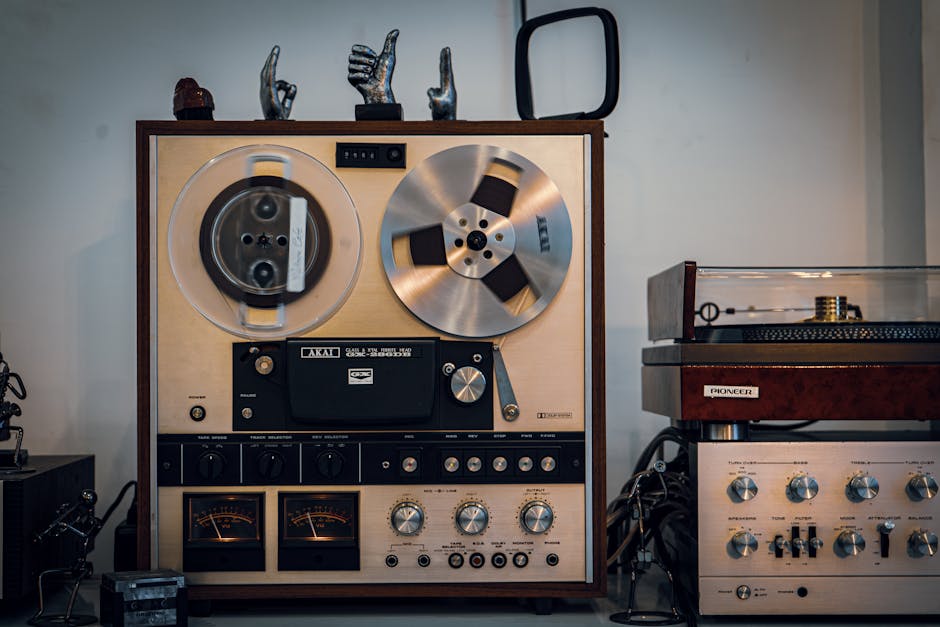
The work of preserving an audio history library is a labor of love, a gentle but determined effort to safeguard the fleeting sounds of our past. It's a recognition that sound recordings are incredibly fragile; magnetic tapes can degrade, records can warp, and digital files can become obsolete. This preservation isn't just about saving old objects; it's about protecting the very essence of human experience – the laughter, the tears, the wisdom, and the music that define our shared heritage.
We believe it's a duty to future generations to keep these sounds alive. Imagine how much richer our children's understanding of America will be when they can hear the voices of their ancestors, the music of forgotten eras, or the pronouncements of historical figures directly. Without dedicated preservation, the challenge of decaying media means these irreplaceable treasures could be lost forever to the silence.
Some archives play a significant role in this, specifically focusing on the technological history that made sound recording and reproduction possible. By documenting the evolution of equipment, from early phonographs to modern digital systems, they ensure that the story of how we captured these sounds is as well-preserved as the sounds themselves. It's a holistic approach to history, acknowledging that the medium is often part of the message.
From Physical to Digital: A Labor of Love
The journey of sound from fragile physical formats to robust digital files is a testament to the dedication of archivists and technicians. This painstaking process, known as digitization, is a true labor of love, ensuring that our precious audio heritage survives for centuries to come.
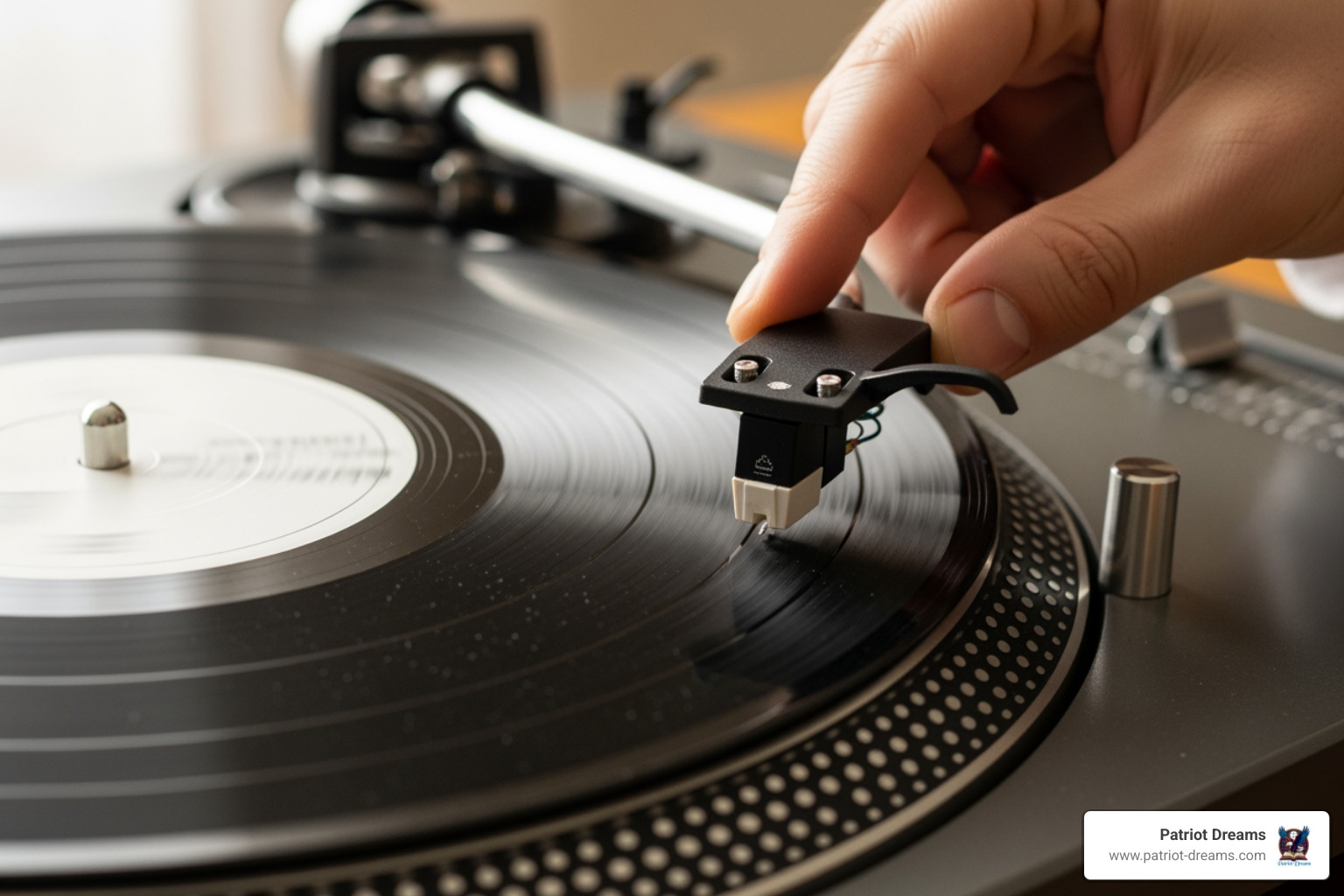
Take, for example, the digitization of early cylinder recordings. The process is a marvel of precision. Cylinders are transferred using specialized equipment, sometimes fitted with custom styli to carefully extract the sound. The analog audio is then converted to digital using high-fidelity converters, captured at incredibly high resolutions—often 24 bits and 96kHz—to preserve every nuance. This can result in pristine digital files, with large collections stored on library servers. Archivists even use advanced audio processing software to gently clean up noise, crackle, and hiss, making the historical recordings as clear as possible without altering their authenticity.
Similarly, university and private research centers are continuously digitizing various forms of audio, including public domain commercial music, historical radio broadcasts, and interviews. This ongoing work ensures that a constant stream of our sonic past is made accessible. This meticulous process isn't just technical; it's an act of care, ensuring that the stories, songs, and voices of yesterday can be heard by us today and by those who will follow.
A Gift to the World: The accessible audio history library
One of the most wonderful outcomes of these preservation efforts is the creation of an accessible audio history library for everyone. Thanks to modern technology, these invaluable collections are no longer hidden away in vaults; they are becoming a gift to the world, available at our fingertips.
Many organizations envision "on-line encyclopedias" of sound technology, making their vast research accessible globally. Some have already achieved this with free online libraries of broadcasting documents, while others provide searchable databases of digitized cylinders, allowing anyone to explore the earliest forms of recorded sound.
Our nation's library offers an immense collection of digital audio. Its digital collections include fascinating resources that celebrate the songs of America, with some collections boasting over 52,000 items, allowing us to hear American history through song. This kind of access is transformative for researchers, educators, and curious minds alike.
A crucial aspect of this accessibility is the concept of the public domain. As recordings age, their copyrights expire, allowing them to be freely used and shared. For instance, thousands of cylinder recordings made before January 1, 1923, have now entered the public domain, making them freely available for any purpose. This means that these historical sounds can be incorporated into new creative works, educational materials, and personal projects, enriching our cultural landscape. At Patriot Dreams, we understand the power of accessible historical audio, which is why we're committed to making American history engaging and easy to explore through our Educational Audio App. This ensures that the stories of our past continue to inspire and teach new generations.
How You Can Be Part of the Story
Every one of us carries a piece of history within us – stories, memories, and even old recordings that hold immense value. We believe that everyone has a story worth preserving, and that you, too, can be a vital part of enriching our collective audio history library. It’s a wonderful way to keep memories alive and contribute to the grand mix of our shared American experience.
Whether it’s a grandparent's voice on an old cassette, a treasured family recording, or simply a story passed down through generations, these personal narratives are the heartbeats of history. By supporting preservation efforts, we ensure that these precious echoes continue to resonate, connecting us across time and reminding us of the kindness, resilience, and community that define our nation.
Contributing to an audio history library
Contributing to an audio history library is a meaningful way to honor the past and invest in the future. Many non-profit archives welcome the generosity of individuals and companies who wish to help preserve our sonic heritage.
These organizations often encourage participation in many forms. Individuals can donate materials they might have, such as old product literature, photographs, or unique recordings related to audio technology. Authors can contribute their research, sharing their insights and findings with a broader audience. Companies, too, can play a crucial role by providing details about their history, including biographies of founders, timelines of product introductions, and significant milestones. Contributions to these 501(c)(3) charities are often tax deductible. If you have materials or knowledge to share, we encourage you to seek out these wonderful organizations and see how you can make a difference. Your contribution, no matter how small it may seem, can help ensure that a piece of our history is never forgotten.
The Future of Listening to the Past
The future of the audio history library is bright and full of exciting possibilities. The many organizations dedicated to this work are constantly striving for growth and development. Their vision to become comprehensive online encyclopedias speaks to a future where access to this vital history is universal. This means expanding digital collections, innovating new preservation initiatives, and constantly seeking out untold stories and forgotten sounds.
This important work is often driven by passionate individuals and supported by dedicated advisors who guide the mission to preserve our technological and cultural audio history. The creation of vast digital archives of broadcasting history, for example, is a testament to this individual dedication.
Recognitions and awards highlight the profound importance of these preservation efforts. The work to preserve our audio history, including collections of early personal recordings on the National Recording Registry, has been supported by significant grants from organizations like the Institute of Museum and Library Services (IMLS) and the GRAMMY Foundation. These partnerships underscore the collective commitment to safeguarding our sonic heritage, ensuring that the voices and innovations of the past continue to inspire us in the future.
Conclusion
There is an enduring power in the human voice, a magic that transcends time and space. History, we've learned, is so much more than just a collection of dates and facts; it's the vibrant, living stories we share, the songs we sing, and the voices that echo across generations. An audio history library serves as a sacred space for these echoes, preserving the very essence of our shared American family.
When we listen to the scratchy sounds of an old cylinder, the comforting tones of a classic radio broadcast, or the heartfelt stories of our ancestors, we're not just passive observers. We become active participants in a grand narrative, feeling a deep, personal connection to the kindness, resilience, and unwavering spirit that built our nation. It's a reminder that we are all part of something much larger, a continuous story of human endeavor and community.
We hope this journey through audio history libraries has left you feeling hopeful and inspired, much like a gentle conversation with a wise friend. At Patriot Dreams, we are deeply committed to bringing these invaluable historical sounds and stories to life, making them accessible and engaging for every American family. We believe that by listening to the past, we can better understand our present and build a more unified, compassionate future.
Come, start your own journey into history with us. Let the voices of America's past inspire your family's future.
Start your own journey into history with our App for Patriotic Families
Join the Patriot Dreams Community
Download the app today and start your journey through American history and personal legacy.

Explore Our Latest Insights
Dive into stories that shape our American legacy.