Born on the 4th of July: The Story of Pooli, The WWII Navy Cat

An Unsung Hero of the Greatest Generation
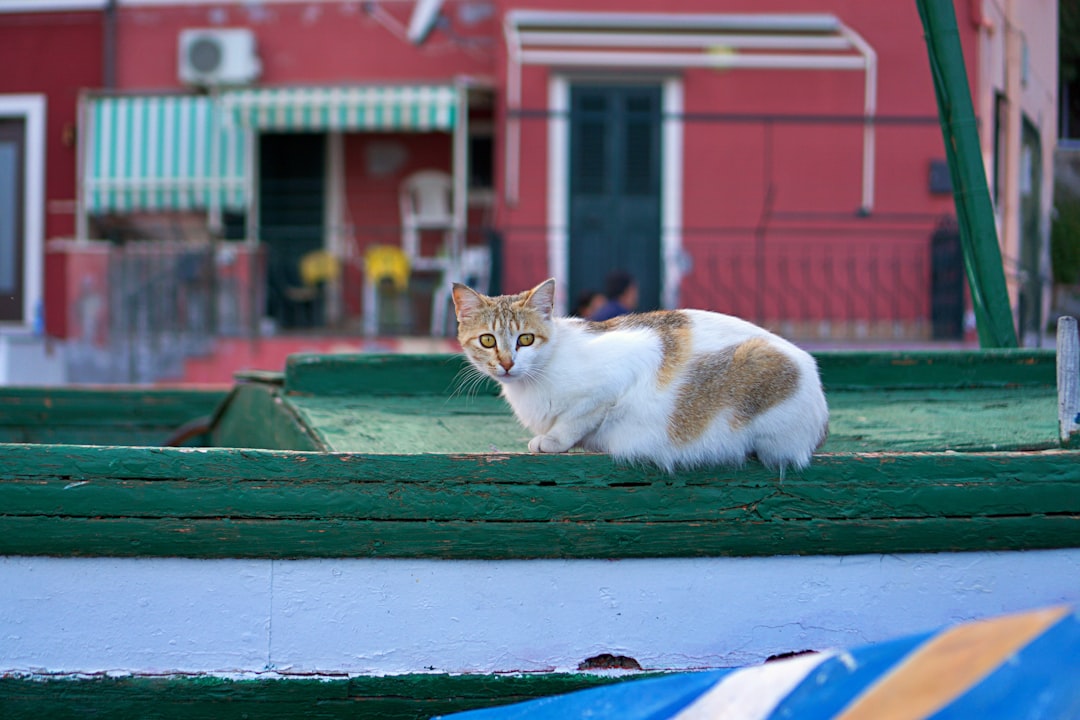
Born on the 4th of July: The Story of Pooli, The WWII Navy Cat is a heartwarming tale of an unlikely sailor who served her country with quiet courage during World War II. While history books tell us about the brave men and women who fought in the Pacific Theater, few remember the four-legged companions who sailed alongside them.
Quick Facts About Pooli:
- Born: July 4, 1944, at Pearl Harbor Navy Yard
- Full Name: Princess Papule (nicknamed Pooli)
- Ship: USS Fremont (APA-44), an attack transport
- Service: Witnessed major battles in the Marianas, Palau, Philippines, and Iwo Jima
- Honors: 4 battle stars and 3 service ribbons
- Battle Station: The mailroom, hidden in a canvas mail sack
- Close Call: Nearly thrown overboard by sailors fearing quarantine
- Legacy: Celebrated her 15th birthday in 1959 as a proud veteran
Pooli wasn't just a ship's cat doing her duty catching rats. She was a member of the crew, a friend to sailors far from home, and a small comfort during some of the fiercest fighting of the war. Her story reminds us that heroism comes in all sizes, and that the bonds formed during wartime often transcend species.
Born on Independence Day at the very harbor that brought America into World War II, Pooli's timing seemed almost symbolic. She would go on to serve with distinction, earning the respect and protection of the men who sailed with her through dangerous waters.

Born on the 4th of July: The Story of Pooli, The WWII Navy Cat terms made easy:
- Patriotic stories app
- Oregon Trail stories
- California Gold Rush
A Patriotic Beginning in Pearl Harbor
Imagine a busy naval yard, alive with the sounds of a nation preparing for war. It's the summer of 1944, and the world is in the midst of a global conflict. On a day filled with fireworks and patriotic fervor, a tiny life began that would soon become a part of American history. On July 4, 1944, in the Navy yard at Pearl Harbor, a little cat was born. This special feline, affectionately nicknamed Pooli, and formally known as Princess Papule, entered the world with an air of destiny. Her birthday, coinciding with America's Independence Day, seemed to imbue her with a special spirit, a quiet strength that would serve her well in the years to come.
Pearl Harbor, a place forever etched in our American cultural history, was not just a symbol of tragedy but also of resilience and rebirth. For Pooli to be born there on such a significant day, it was as if she carried the very spirit of American resolve. She was a soldier cat from the beginning, as one source aptly puts it. Her early days in the Navy yard prepared her for a life of service, a life that would soon find her joining the crew of a formidable vessel: the USS Fremont. Her story is a testament to the unexpected ways hope and companionship can emerge even in the most challenging times.
Life Aboard the USS Fremont: A Sailor's Best Friend
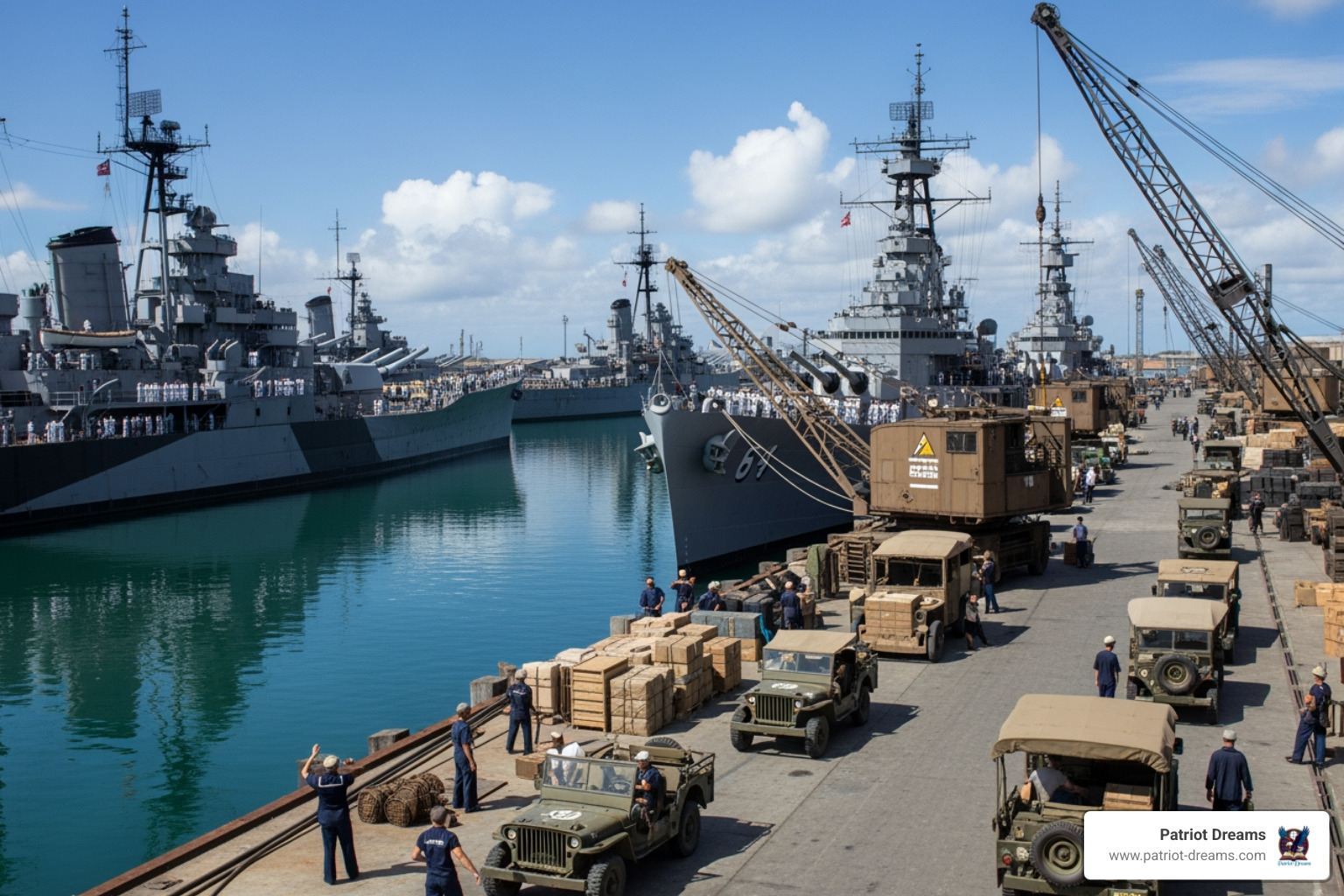
Soon after her patriotic birth, Pooli found her way aboard the USS Fremont (APA-44), an attack transport ship that would become her home and her world during the war. Life on an attack transport during World War II was far from glamorous. These ships were vital for moving troops and equipment into combat zones, often enduring long, arduous journeys across vast oceans. Yet, amidst the steel and the sea, Pooli carved out an indispensable role for herself.
For centuries, cats have been cherished members of naval crews, and for good reason. They were, first and foremost, expert mousers. On ships, rodents posed a significant threat, gnawing through wiring and ropes, contaminating precious food rations, and spreading diseases that could incapacitate a crew. Pooli, like countless ship's cats before her, diligently patrolled the USS Fremont, protecting vital supplies and contributing to the health and safety of everyone on board. It was a critical job, ensuring that the human sailors could focus on their duties without the added worry of pests.
Beyond her practical skills, Pooli offered something equally, if not more, valuable: companionship and a boost to morale. Far from home, facing the immense pressures of war, sailors found solace in the gentle purr and playful antics of their feline friend. Cats provided emotional comfort and a sense of normalcy in an otherwise chaotic world. They were often seen as good luck charms, their presence a quiet reassurance during long voyages and tense moments. Pooli was a furry, four-legged reminder of home, a source of unconditional affection that helped ease the loneliness and stress of wartime service. We believe these small acts of kindness and connection are what truly define the stories of American heroes.
As a true ship's cat, Pooli even earned the unofficial title of a "shellback." For those unfamiliar with naval traditions, a shellback is a sailor who has crossed the equator, undergoing a playful initiation ceremony. While we don't have records of Pooli's specific ceremony, her extensive travels across the Pacific certainly qualified her as a seasoned sea veteran, just like her human shipmates. Her presence made the USS Fremont feel a little more like home, a floating community bound together by shared purpose and the quiet companionship of a remarkable cat.

Born on the 4th of July: The Story of Pooli, The WWII Navy Cat in the Pacific
A Feline Veteran of Major Battles
Pooli's service aboard the USS Fremont wasn't just about routine patrols and comforting purrs; it was a journey through the heart of the Pacific Theater's most intense conflicts. As an attack transport, the USS Fremont played a crucial role in landing troops and supplies, meaning Pooli was right there, experiencing the war alongside her crew. We can only imagine the sounds and tremors of battle, but Pooli, with her innate feline instincts, developed her own coping mechanisms. When the dreaded "battle stations" alarm blared, signaling impending danger, Pooli knew exactly where to go. She would race to the ship's mailroom, finding refuge and security by curling up inside a canvas mail sack. It was her personal foxhole, a quiet sanctuary amidst the storm.
During her time at sea, Pooli witnessed some of the most pivotal campaigns of World War II. The USS Fremont battled in the Marianas, a critical series of engagements that included the invasions of Saipan and Guam. She was there for the Palau group operations, another fiercely contested island chain. Perhaps most notably, Pooli sailed through the harrowing campaigns in the Philippines, which saw some of the largest naval battles in history. And finally, she endured the intense struggle for Iwo Jima, a name synonymous with American courage and sacrifice. Through each of these monumental events, Pooli was a silent witness, a small but steadfast presence that reminded the sailors of the life they were fighting to protect. Her unwavering presence, even in the face of such overwhelming odds, speaks volumes about a cat's courage and adaptability.
A Close Call and a Crew's Loyalty
As the war neared its end, the USS Fremont prepared for its return to American shores. However, a potential danger loomed for our brave feline hero. Upon approaching San Francisco, some sailors, concerned about strict quarantine laws for non-human entrants, considered the unthinkable: throwing Pooli overboard. The fear was that her presence might lead to the ship being quarantined, delaying their long-awaited homecoming. It was a tense moment, a conflict between regulations and affection.
But Pooli was not just any cat; she was a beloved member of the crew, and many of her human shipmates were fiercely protective of her. They had sailed through hell and high water together, and they weren't about to abandon their furry friend. A loyal group of sailors guarded Pooli, ensuring she remained safe and hidden until the ship docked. This act of kindness and defiance speaks volumes about the deep bonds forged during wartime. It's a beautiful testament to the loyalty and friendship that can blossom even in the harshest environments, reminding us of the American Cultural History of caring for those who serve alongside us. Pooli's close call highlights the unique challenges faced by ship's mascots but ultimately showcases the profound love and dedication of her human family.
Honors for a Four-Legged Hero
For her unwavering service and quiet bravery, Pooli received official recognition that few animals in history have. Our little feline veteran was awarded an impressive four battle stars and three service ribbons. These honors were not mere tokens; they symbolized her presence and endurance through major combat operations, marking her as a distinguished participant in the war effort. Each battle star represented a significant campaign she witnessed, from the Marianas to Iwo Jima, while her service ribbons acknowledged her dedicated time in service.
To think of a cat earning such accolades might seem whimsical to some, but to the men of the USS Fremont, it was a heartfelt acknowledgment of her contribution. She was a constant, comforting presence, a small furry anchor in a world adrift in conflict. These honors lift Pooli beyond a simple ship's pet; they solidify her place as a true veteran, a decorated feline hero who served alongside her human counterparts. We believe her story inspires us to recognize the heroism in all forms and to appreciate the profound impact that companions, both human and animal, have on our lives during challenging times.
A Peaceful Retirement and Enduring Legacy
Life After the War for Pooli, the WWII Navy Cat
After bravely serving her country through some of the most arduous campaigns of World War II, Pooli deserved a peaceful retirement. Once the USS Fremont returned to American soil, Pooli eventually settled in Los Angeles, leaving the high seas behind for a quiet life ashore. Unlike many of her human shipmates who faced the challenges of readjusting to civilian life, Pooli accepted her new routine with the grace only a cat can possess.
Her post-war years were filled with the simple joys of a cherished pet. We know that Pooli lived a long and fulfilling life, celebrating her 15th birthday in 1959. Imagine the joy and affection that must have surrounded her on that special day, a testament to her enduring spirit and the love she inspired. To reach such an age for a cat who had seen so much action speaks to the care she received and her own remarkable resilience. Pooli's story after the war is a gentle reminder that after great sacrifice, there is often the reward of peace and quiet contentment, growing old gracefully surrounded by love.
The Lasting Tale of Pooli and Other Heroic Cats
Pooli's story is just one thread in the rich mix of the forgotten history of cats in the navy. For centuries, these remarkable felines served as invaluable members of maritime crews, their presence extending far beyond mere pest control. They were companions, morale boosters, and even, as some sailors believed, bringers of good luck. Cats like Pooli symbolize the resilience and adaptability found in both humans and animals during times of adversity.
The legacy of ship's cats is one of quiet heroism and profound companionship. From the "Expert Mouser" Herman the Cat, commissioned by the military with his own ID, to Able Seacat Simon who bravely cleared HMS Amethyst of rats despite being wounded, these animals played vital roles. We've heard tales of Tiddles, who sailed over 30,000 miles, and Peebles, who not only hunted mice but also entertained sailors with tricks. Stories like these, featured in collections such as "8 Brave Cats Who Served The Armed Forces" and "9 Lives: The Tale of Unsinkable Sam and 9 Other Cats that Sailed the High Seas", highlight the enduring bond between sailors and their feline friends.
Today, due to advancements in pest control and stricter international quarantine regulations, cats are no longer officially allowed on U.S. Navy ships. However, their stories, like that of Born on the 4th of July: The Story of Pooli, The WWII Navy Cat, continue to inspire us. They remind us of the small kindnesses and the powerful connections that sustain us through challenging times. Pooli's journey from a Pearl Harbor kitten to a decorated veteran, and then to a peaceful retirement, embodies a unique piece of our American cultural history. It's a story that honors not just a remarkable cat, but also the spirit of the sailors who loved and protected her, embodying the best of American values. We are proud to share the stories of these historical American figures, both human and feline.
Frequently Asked Questions about Pooli, The WWII Navy Cat
What battles did Pooli the cat witness during WWII?
Pooli served aboard the USS Fremont during major campaigns in the Pacific, including the Marianas, the Palau group, the Philippines, and the fierce battle for Iwo Jima. These were some of the most challenging and pivotal engagements of the war, and Pooli was there, a silent witness to history unfolding.
What awards did Pooli the cat receive for her service?
For her dedicated service through numerous combat zones, Pooli was awarded an impressive four battle stars and three service ribbons. These honors are a testament to her presence and resilience through significant military operations, making her a truly decorated veteran.
Why did sailors have cats on ships during World War II?
Cats were cherished members of naval crews for both practical and emotional reasons. Practically, they were expert mousers, protecting the ship's food supplies and wiring from destructive rodents, minimizing disease and preserving vital resources. Emotionally, they provided invaluable companionship, a sense of home, and a boost in morale for sailors far from home, facing the immense pressures of wartime. Their presence offered comfort and a touch of normalcy amidst the chaos.
Conclusion: A Story of Courage and Kindness
Born on the 4th of July: The Story of Pooli, The WWII Navy Cat is more than just a historical anecdote; it's a tender reminder of the unexpected heroism and profound bonds that emerge during times of great challenge. Pooli, the little cat born on America's birthday in Pearl Harbor, became a symbol of resilience, sailing through the Pacific Theater with quiet courage. Her journey from a tiny kitten to a decorated veteran, protected and loved by her crew, speaks volumes about the power of companionship and the enduring human spirit.
Her story, much like the many heartwarming American stories we cherish, teaches us that bravery comes in all forms, and that even the smallest among us can make a significant difference. It’s a gentle reminder that in times of stress and uncertainty, the presence of a loving companion can provide immeasurable comfort and strength. As we reflect on Pooli's legacy, we are inspired by the kindness of the sailors who protected her, and the quiet dignity with which she served. These are the kinds of everyday heroism that truly define us.
We invite you to explore more inspiring tales of American history and heritage. Find stories that uplift, connect, and remind us of the best in ourselves. Explore more inspiring tales on the Patriot Dreams app.

Join the Patriot Dreams Community
Download the app today and start your journey through American history and personal legacy.

Explore Our Latest Insights
Dive into stories that shape our American legacy.