The Best Mountain Men Frontier Tales to Keep You Up at Night

The Frontier Stories That Shaped the American Spirit
Mountain men frontier tales are some of the most gripping adventure stories in all of American history.
Here are the most legendary mountain men and the stories that made them famous:
- John Colter - Escaped Blackfeet warriors by running over 200 miles through the wilderness, completely unarmed
- Hugh Glass - Survived a brutal grizzly bear mauling and crawled nearly 200 miles to safety, alone
- Jim Bridger - Spent 45 years mastering the Rocky Mountain wilderness, becoming a living map of the West
- Jedediah Smith - Survived a bear attack that tore his scalp open, then kept right on exploring
- James Beckwourth - A Black frontiersman who lived among the Crow Nation and became one of the great storytellers of the era
- Kit Carson - Went from Rocky Mountain trapper to wagon train guide to Union Army officer
These weren't characters from novels. They were real people who walked into one of the wildest places on Earth and found a way to survive — and sometimes, to be remarkably kind along the way.
There's a story of one mountain man who came across a stranded Crow family in the high country—an elderly woman, a young woman, a brave, and two small children, with no horses and no food. He shared every last piece of his smoked meat with them and went on his way. Thirty-five years later, that memory still stayed with him.
That's the thing about these tales. Yes, they're full of danger and daring. But they're also full of something quieter—resilience, human connection, and the kind of everyday courage that reminds us what people are truly made of.
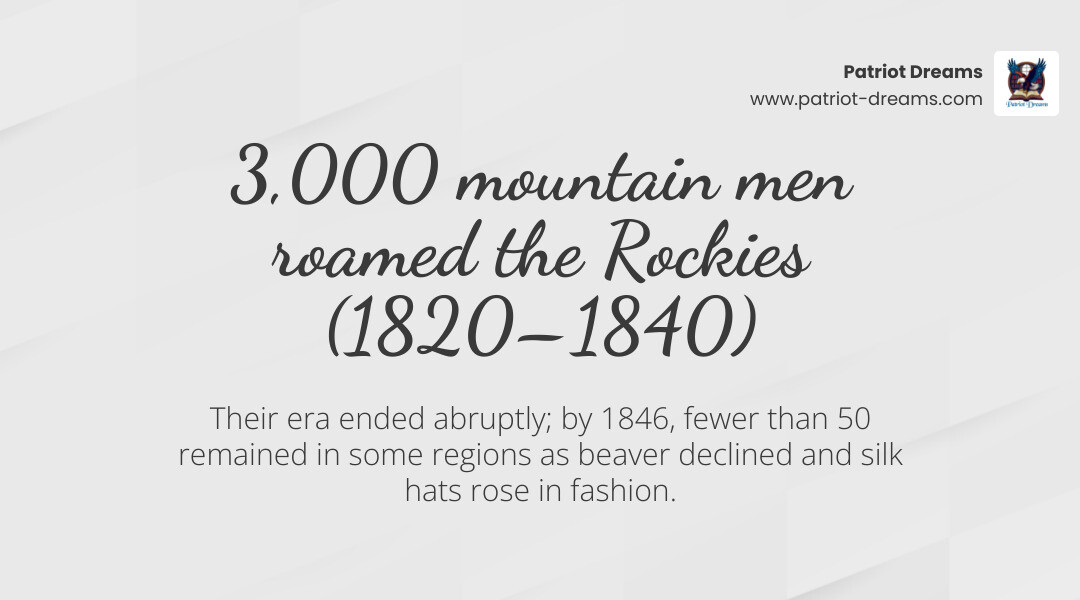
Between 1820 and 1840, roughly 3,000 mountain men ranged the Rocky Mountains. By 1846, fewer than 50 remained in some regions. Their era was brief. But the trails they blazed—literally and figuratively—helped shape a nation.
The Rugged Life and Mountain Men Frontier Tales of Survival
When we think of the mountain men, we often imagine solitary figures wandering the peaks, but their world was an intricate web of commerce, survival, and deep geographical knowledge. These men were the first non-natives to enter the vast wilderness of the Rockies following the Lewis and Clark Expedition of 1804–1806. They weren't just looking for adventure; they were seeking beaver "plews" (skins), which were as good as currency in those days.
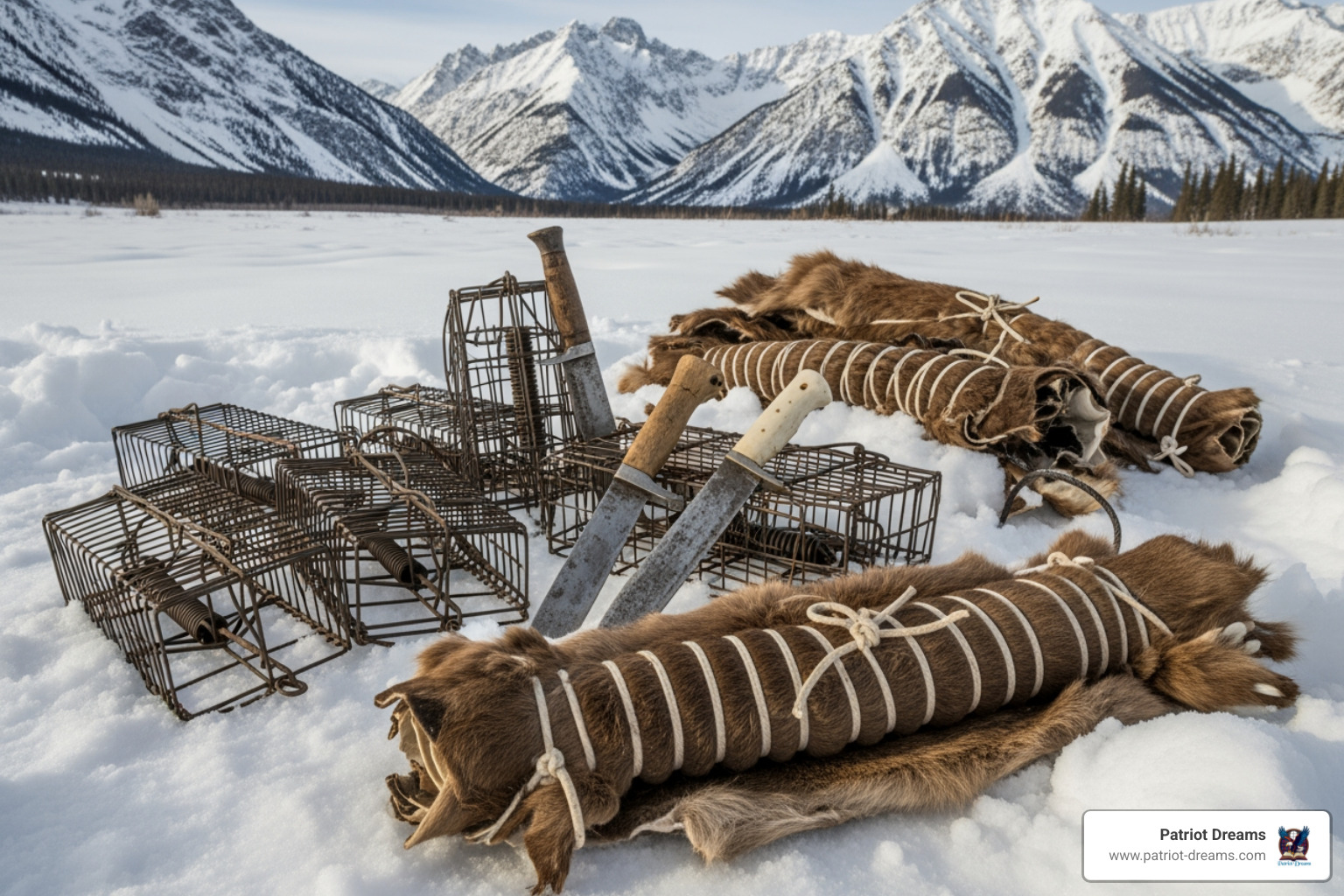
The peak of this era occurred between 1820 and 1840. During this time, the Rocky Mountains were home to "rugged individualists" who had to master a dozen different trades just to see the next sunrise. They were trappers, hunters, navigators, and diplomats. To learn more about the broader context of these times, you can explore more American pioneer stories.
One of the most famous among them was Jim Bridger, a man who started his career at just 18 years old in 1822. Bridger was so well-traveled that historians have called him a "walking atlas of the West." He once famously mistook the Great Salt Lake for an arm of the Pacific Ocean because the water was so salty! It’s these kinds of human moments—the mistakes and the discoveries—that make their stories so relatable to us today.
The Daily Dangers of the High Country
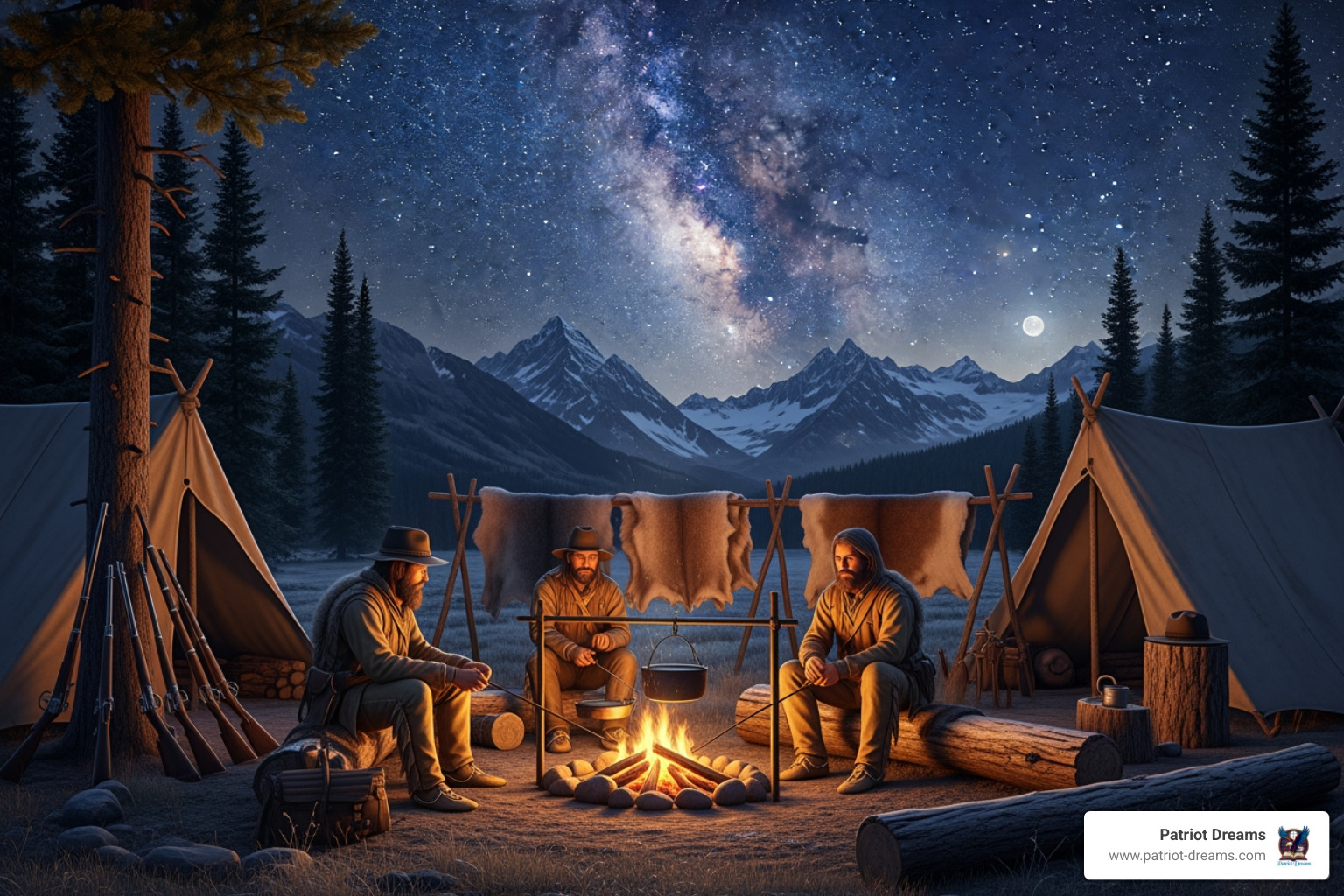
Life in the high country wasn't just about the quiet beauty of the mountains. It was a constant exercise in self-reliance. Mountain men faced winter blizzards that could freeze a man where he stood and grizzly bears that ruled the river bottoms. To protect themselves, they relied on their wits and their gear, most notably the Hawken rifle. These single-shot rifles were heavy but incredibly reliable—a man's best friend when he was hundreds of miles from the nearest town.
The structure of their work also varied. Some were "Company Men," working in militarized brigades led by a "boosway" (a frontier version of the French word bourgeois). Others were "Free Trappers," the most independent of the bunch, who worked for themselves and sold their pelts to the highest bidder.
FeatureFree TrappersCompany MenEmploymentSelf-employedEmployed by fur companiesEquipmentOwned their own gearGear provided by companyIndependenceHigh; chose their own routesLow; moved in brigadesProfitKept all earnings from salesEarned a set wage or credit
Legendary Figures: Heroes of the High Country
While thousands of men tried their luck in the mountains, a few names rise to the top of our history books. These figures weren't just survivors; they were the architects of the American West. They found the passes that would later allow wagon trains to cross the continent.
One such leader was Joseph Walker. Walker was a man of incredible skill and care. Despite leading hazardous expeditions across New Mexico, Arizona, and Colorado well into his 60s, it is said that only one man ever died under his command in five decades of wilderness travel. That speaks to a level of leadership and responsibility that we can all admire.
John Colter’s Race for Life and Other Mountain Men Frontier Tales
If there is one story that defines the "unbelievable but true" nature of mountain men frontier tales, it is "Colter’s Run." In 1809, John Colter was captured by Blackfeet warriors. In a terrifying turn of events, they stripped him naked and told him to run for his life.
Colter didn't just run; he outpaced a group of over 200 warriors across a plain filled with prickly pear cacti. He ran for miles, his feet shredded, until he managed to overpower a lone pursuer and hide in a beaver lodge. He eventually walked 200 miles back to a trading post, arriving more ghost than man.
Colter was also likely the first white man to see what we now know as Yellowstone National Park. When he returned and described the bubbling mud pots and geysers, people didn't believe him, jokingly calling the area "Colter’s Hell." Today, we know he was telling the truth. You can see a Release flier for JOHN COLTER’S ESCAPE, 1912 that shows how his legend has endured in our culture.
Hugh Glass and the Unbreakable Human Spirit
Perhaps the most harrowing story of all is that of Hugh Glass. While on a trapping expedition in 1823, Glass was mauled by a grizzly bear. His injuries were so severe—including a broken leg and a torn scalp—that his companions, believing him to be dying, left him behind.
But Hugh Glass refused to give up. He crawled, dragged himself, and floated down rivers for nearly 200 miles to reach Fort Kiowa. He survived by eating wild berries and even scavenging meat from wolf kills. What makes his story truly special isn't just the survival; it's that when he finally found the men who had abandoned him, he chose to forgive them. It’s a powerful reminder of the strength of the human spirit. For those interested in the deeper history, you can find Scientific research on the Hugh Glass ordeal that explores the reality behind the legend.
Jedediah Smith: The Explorer with a Bible and a Rifle
Jedediah Smith was a different kind of mountain man. He was known for carrying a Bible as often as his rifle. Smith was the first to document the South Pass, the key gateway through the Rockies that would eventually make the Oregon Trail possible for thousands of families.
Like Glass, Smith survived a horrific bear attack. A grizzly literally took his head in its jaws, tearing his ear and scalp. Smith calmly instructed a friend to sew his ear back on with a needle and thread. He was back on the trail within weeks. His life was a testament to the idea that quiet faith and rugged determination can go hand in hand.
Community and Connection in the Great Wilds
It’s easy to think of these men as being completely alone, but the mountains were a place of meeting. Mountain men lived in a world where cooperation was the only way to survive. They formed deep bonds with Native American tribes, often through trade, alliances, and marriage.
Many mountain men, including Kit Carson, worked closely with local tribes. Carson served as an Indian agent and a guide, and his life reflected the complex, often difficult transitions of the era. These interactions were the foundation of what we call the frontier myth today.
The Rendezvous: A Gathering of Frontier Families
The highlight of the mountain man's year was the "Rendezvous." Starting in 1825, this annual summer gathering was part trade fair, part family reunion, and part wilderness carnival. In the mid-1830s, these gatherings at places like Horse Creek would attract up to 500 trappers and hundreds of Native Americans.
They would trade their year's catch for supplies like coffee, sugar, and ammunition. But they also spent weeks storytelling, wrestling, and racing horses. It was a time to reconnect with friends they hadn't seen in a year and to share the news from "the settlements." It reminds us that even the most independent people still need community.
James Beckwourth and the Diversity of Mountain Men Frontier Tales
The mountains were a place where a man was judged by his skills, not his background. James Beckwourth is a perfect example. Born into slavery, Beckwourth became one of the most famous mountain men in history. He lived with the Crow Nation for six years, eventually becoming a chief.
Beckwourth was known as a "Gaudy Liar" because his stories were so grand, but even the facts of his life were extraordinary. He claimed to have run 95 miles in a single day to escape an attack. His memoirs, The Life and Adventures of James P. Beckwourth, remain one of the most important first-hand accounts of the era.
The Legacy of the Buckskin Trailblazers
By the 1840s, the "Golden Age" of the mountain man began to fade. The reasons were simple but final: the beaver had been over-trapped, and fashion in Europe shifted from beaver fur to silk hats. Suddenly, the "plews" that had been so valuable were worth very little.
However, the mountain men didn't disappear; they just changed roles. Because they knew every canyon and river crossing, they became the essential guides for the next wave of Americans moving West.
From Trappers to Guides
Men like Jim Bridger and Kit Carson transitioned from trapping to guiding government expeditions and wagon trains. Bridger established Fort Bridger, which became a vital supply stop on the Oregon Trail. They worked as scouts for the U.S. Army and helped explorers like John C. Frémont map the territory.
Their deep knowledge of the land, documented in places like Idahohistory.net, ensured that the families following them had a much safer journey. They were the bridge between the wild wilderness and the settled frontier.
Frequently Asked Questions about Mountain Men
Who were the most famous mountain men?
The most iconic figures include Jim Bridger, Kit Carson, John Colter, Jedediah Smith, and James Beckwourth. Each contributed uniquely to the exploration and mapping of the American West.
What ended the era of the mountain man?
The era ended due to a combination of factors: the decline of beaver populations from over-trapping, a shift in fashion toward silk hats, and the arrival of permanent settlers which changed the nature of the wilderness they called home.
Was Jeremiah "Liver-Eating" Johnson a real person?
Yes, he was based on a real man named John Johnston (often spelled Johnson). While the 1972 film starring Robert Redford portrayed him as a tragic hero, the real "Liver-Eating" Johnson was a much grittier figure. He was a veteran of the Mexican-American War and was known for a long-standing conflict with the Crow tribe. Over time, his real life and the tall tales told about him merged into the folklore we know today.
Conclusion
The mountain men frontier tales we share today are more than just stories of adventure; they are a tribute to the resilience and curiosity that define the American spirit. These men showed us that with enough courage and a little bit of kindness, a person can survive almost anything.
At Patriot Dreams, we believe that preserving these stories is a way of honoring our shared heritage. Whether it’s the legendary run of John Colter or the quiet compassion of a trapper sharing his meal with a hungry family, these moments remind us of who we are.
As we look back on America 250 years in the making, let's remember the trailblazers who walked the paths before us. Their legacy lives on in the trails we hike, the maps we use, and the stories we tell our children by the glow of a modern campfire. They remind us that the frontier isn't just a place on a map—it's a spirit of discovery that we all carry within us.

Join the Patriot Dreams Community
Download the app today and start your journey through American history and personal legacy.

Explore Our Latest Insights
Dive into stories that shape our American legacy.