The 7 Best Explorers Compared

Why America's Explorers & Trailblazers Still Inspire Us Today
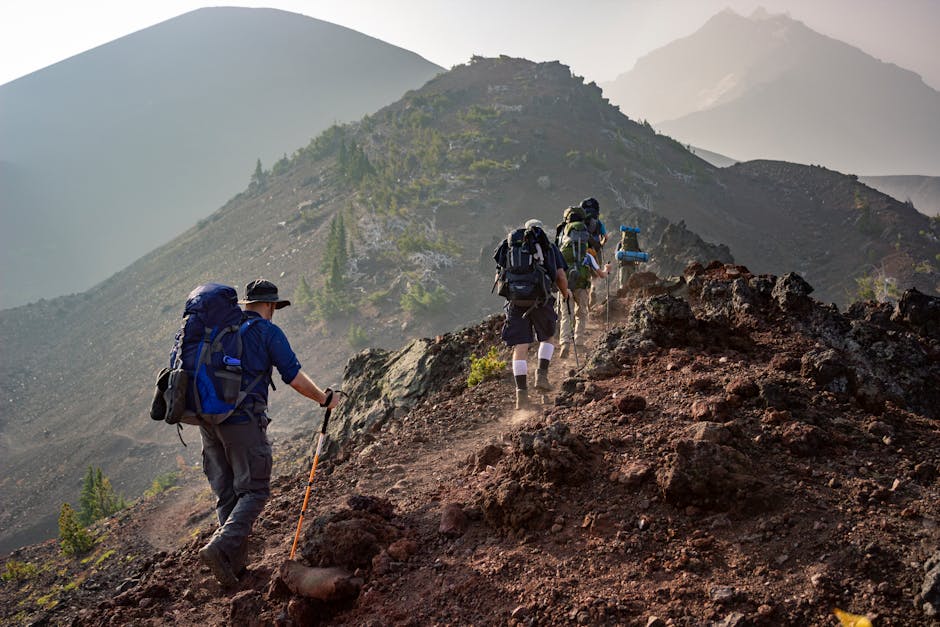
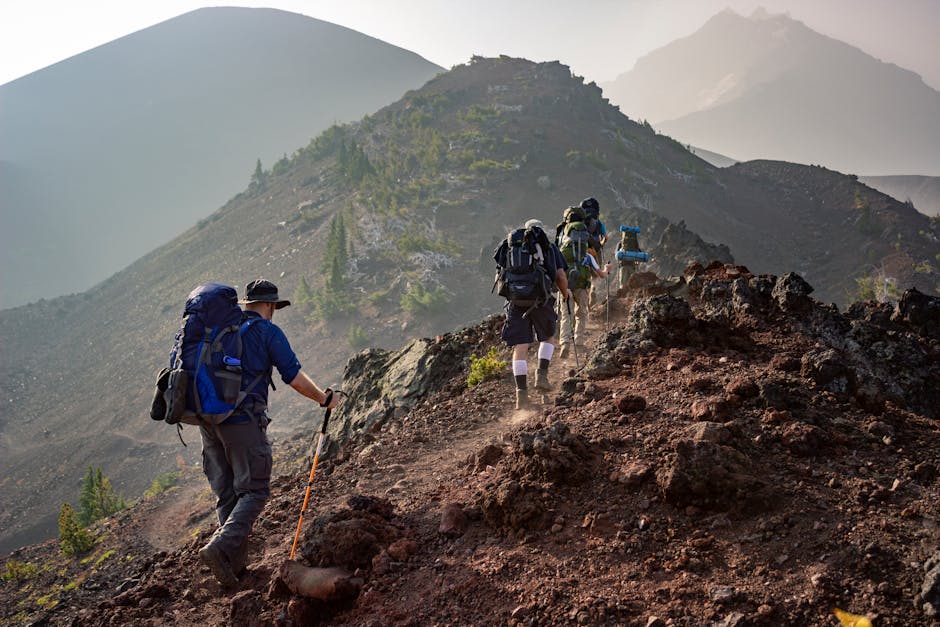
Explorers & Trailblazers have shaped the American spirit in ways that still touch our hearts today. From the moment the first pioneers set foot beyond known horizons, they carried with them a simple, powerful dream: to find what lay just over the next hill.
Quick Overview: America's Greatest Explorers
- Lewis & Clark - Led the Corps of Findy on an 862-day journey, documenting over 200 new species
- Sacagawea - Shoshone interpreter whose guidance and diplomacy made the expedition possible
- Daniel Boone - Blazed the Wilderness Road and founded Boonesborough, opening Kentucky to settlement
- Mountain Men (Jim Bridger, Jedediah Smith) - Mapped the Rocky Mountains and mastered frontier survival
- Frontier Women (Sylvia Stark, Catherine Schubert) - Built communities and families across the untamed West
- John Wesley Powell - One-armed explorer who charted the Grand Canyon and championed conservation
- Neil Armstrong - Carried American exploration to the moon, uniting the world in wonder
These weren't just adventurers seeking glory. They were mothers giving birth on wilderness trails. Scientists sketching plants no one had ever seen. Young men learning to survive in mountains that touched the clouds. Indigenous guides sharing their knowledge to help strangers find their way home.
Their stories remind us of something beautiful about the American character: a gentle courage, a willingness to face the unknown not with conquest in mind, but with curiosity and hope. They teach us that exploration isn't just about finding new places. It's about finding who we are when we step beyond what's comfortable and familiar.
More Stories of American Heritage:
The Corps of Findy: Lewis & Clark's Great Journey
When we think of grand American adventures, the Lewis and Clark Expedition often comes to mind. It was a journey born from a vision, a desire to understand the vast, newly acquired western lands of the United States. President Thomas Jefferson, a true trailblazer himself in political thought, commissioned this expedition with a multifaceted dream: to find a practical water route across the continent, establish an American presence, and carefully document the region's natural wonders. It was a blend of geopolitical strategy and profound scientific curiosity.
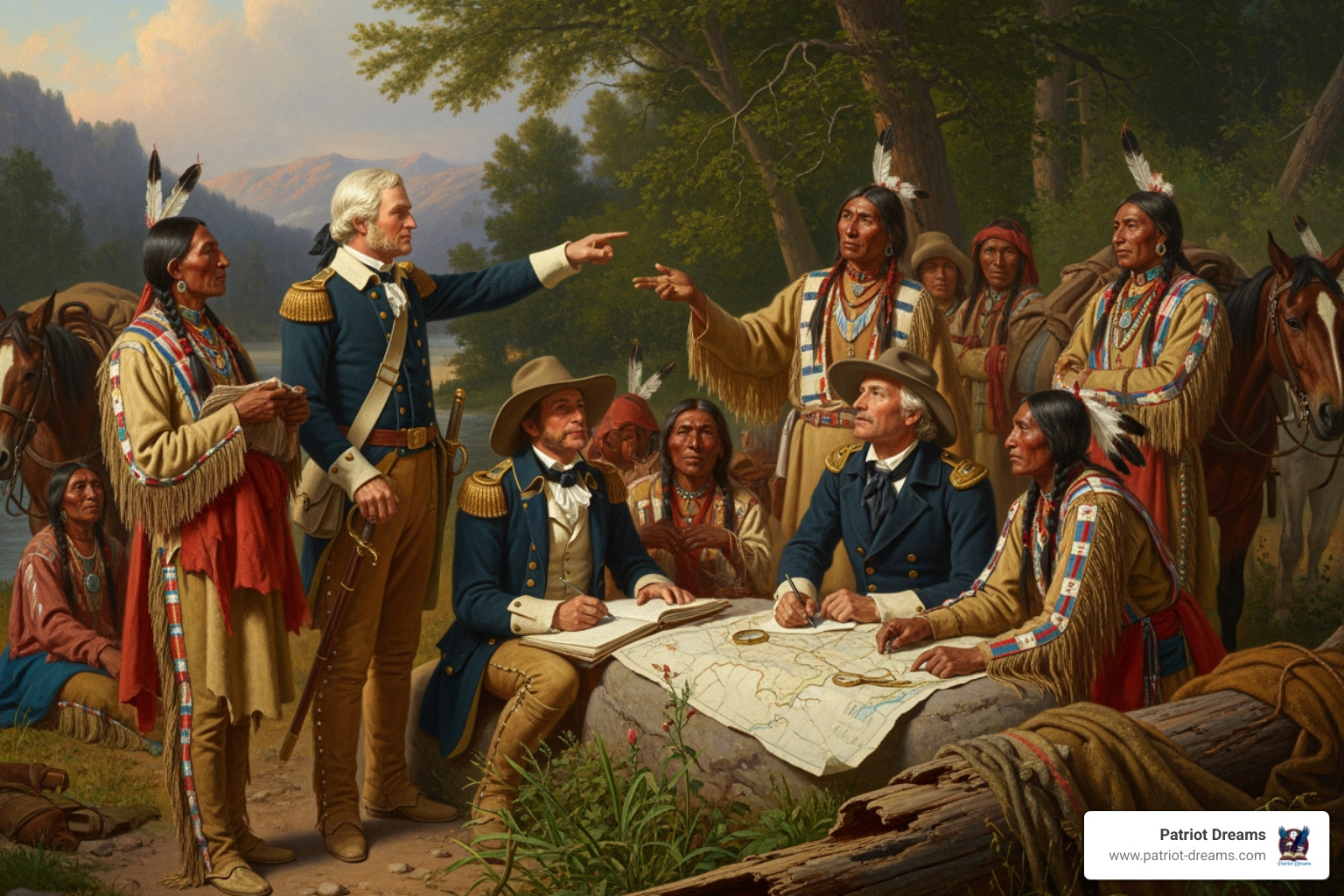
Meriwether Lewis and William Clark, the chosen leaders, started on an incredible odyssey that would last an astonishing 862 days. Their "Corps of Findy" was a carefully assembled team, prepared not just for adventure, but for scientific observation. Lewis, in particular, received extensive training in botany, zoology, and celestial navigation from prominent American scientists of the era. They gathered supplies, including sophisticated weaponry like the Girandoni air rifle, and began their epic trek from places like Pittsburgh, which is now recognized as a starting point for their journey.
Their path stretched from the Missouri River, across the formidable Rocky Mountains, and all the way to the Pacific Ocean. It was a journey filled with both breathtaking beauty and immense challenges. They faced harsh weather, treacherous terrain, and the constant need to find food and shelter. Along the way, they documented over 200 new plant and animal species, providing an invaluable snapshot of America's natural heritage. Their meticulous mapping efforts resulted in about 140 maps, offering the first accurate depiction of the Northwest and fundamentally changing our understanding of American geography.
The expedition's interactions with Native American tribes were a complex mix of diplomacy, trade, and sometimes tension. They made contact with over 70 different tribes, often relying on gifts and careful negotiation to steer their way. These encounters were crucial, not just for the expedition's survival, but for establishing early relationships between the young American nation and the indigenous peoples of the West.
The journey was a testament to teamwork and perseverance. Every member played a vital role, facing the unknown together, day after day. It reminds us that even the grandest explorations are built on the small, steady efforts of many hearts working as one. To learn more about the expedition's origins, we can look to the vision of its architect, Thomas Jefferson, whose belief in an informed citizenry shaped so much of early America. You can explore his contributions further in Thomas Jefferson and the Declaration of Independence: How a Nation Found Its Voice. The details of their journey are also beautifully preserved, for example, in the archives of Monticello.
The Heart of the Expedition: Sacagawea's Guiding Light
Among the most gentle yet powerful figures of the Lewis and Clark Expedition is Sacagawea, a young Shoshone woman whose contributions were nothing short of miraculous. Her story is one of quiet strength, resilience, and profound influence.
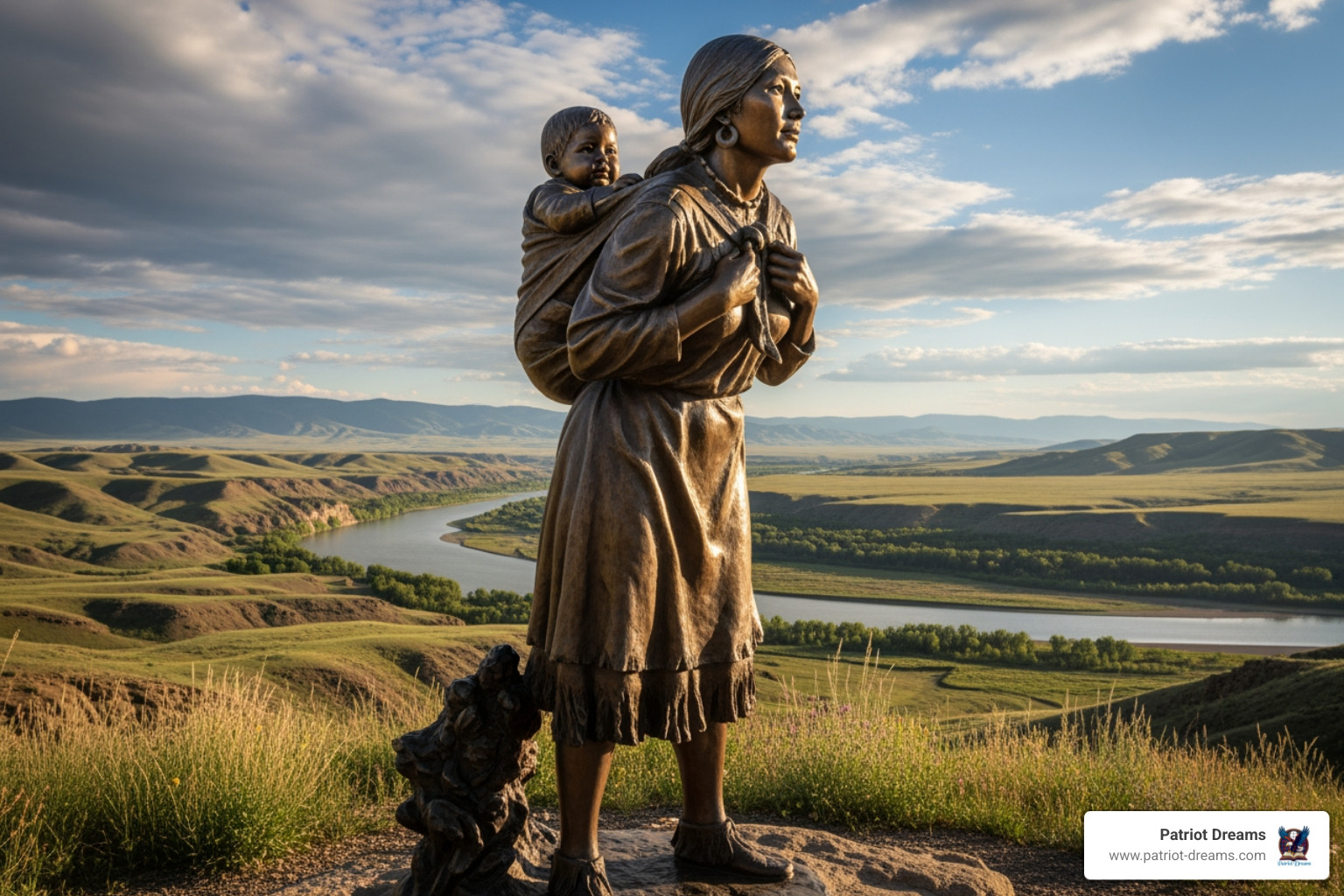
Sacagawea's role was multifaceted and indispensable. As an interpreter, she bridged language barriers between the Corps of Findy and numerous Native American tribes, allowing for crucial communication and negotiation. But her impact went far beyond mere words. Her very presence, often with her infant son strapped to her back, served as a powerful symbol of peace. Indigenous nations, seeing a woman and child among the explorers, often perceived the expedition as less threatening, a mission of peace rather than war.
Her deep knowledge of the land was another guiding light. Sacagawea could identify edible plants, locate safe passages, and recall critical landmarks from her childhood, helping the expedition steer unfamiliar territories. She understood the intricate social customs of the various tribes, offering invaluable advice that helped diffuse tensions and foster diplomatic relations, such as during a tense encounter with the Teton-Sioux.
Imagine the challenges she faced: a young mother, traveling thousands of miles across rugged wilderness, all while caring for her baby. Her resilience in the face of such adversity is truly inspiring. Sacagawea’s story is a beautiful reminder that Explorers & Trailblazers come in many forms, and that strength and wisdom can be found in the most unexpected places. Her guiding light helped illuminate the path for a young nation. We remember her not just as a guide, but as an icon of American history. You can dig deeper into her incredible journey in The True Story of Sacagawea: Guide, Interpreter, and American Icon.
Forging the Path West: The Individual Spirit
While grand expeditions like Lewis and Clark’s captured the imagination, much of America’s westward expansion was shaped by the individual spirit—the solitary trailblazer or small band of adventurers who answered the call of the wilderness. These were the folks who literally forged paths, driven by a deep love for the untamed land and a courageous desire to see what lay beyond the next ridge.
Daniel Boone: The Quintessential Pioneer
Few names evoke the spirit of the American pioneer quite like Daniel Boone. More than just an explorer, Boone was a true trailblazer who saw the potential in the vast, wild lands west of the Appalachian Mountains. His heart belonged to the wilderness, and he spent years hunting, trapping, and exploring the rich forests of Kentucky.
Boone's most famous contribution was blazing the Wilderness Road, a critical route through the Cumberland Gap that opened Kentucky to thousands of settlers. This wasn't a journey of scientific findy in the traditional sense, but an act of profound courage and vision that enabled the expansion of a new nation. He also played a key role in the founding of Boonesborough, one of the first American settlements west of the Appalachians. Daniel Boone's story is a heartwarming reminder that building communities and fostering growth often begins with the brave steps of an individual. His adventures are a cornerstone of American Pioneer Stories.
The Mountain Men: Masters of the Wilderness
Following in the footsteps of Boone, but venturing even deeper into the rugged heart of the continent, were the legendary Mountain Men. Figures like Jim Bridger and Jedediah Smith were not just explorers; they were living embodiments of resilience and self-reliance. These were men who adopted the ways of the wilderness, learning survival skills from Native American tribes and becoming intimately familiar with the vast, uncharted territories of the Rocky Mountains.
Their primary motivation was often the fur trade, but their journeys had an immense impact on the geographical knowledge of the West. They mapped rivers, passes, and valleys, often being the first non-indigenous people to explore these remote regions. They learned to live in harmony with nature, understanding its rhythms and respecting its power. The Mountain Men represent a unique chapter in American exploration, showcasing how individual grit and a deep connection to the land could transform our understanding of a continent. Their stories are fundamental to The Frontier Myth Today: What the Old West Tells Us About Modern America.
America's Enduring Explorers & Trailblazers
The spirit of the explorer and trailblazer isn't confined to a single era or a specific type of journey. It's a continuous thread woven through the fabric of American history, evolving with each generation yet always rooted in courage, curiosity, and a desire to improve the world around us. From the vast prairies to the depths of space, Americans have always sought the next frontier.
The Unsung Trailblazers: Courageous Women of the Frontier
While history often highlights the men who led expeditions, we must never forget the courageous women who were equally vital Explorers & Trailblazers on the American frontier. They didn't always lead mapping parties, but they were often the backbone of westward expansion, establishing homes, nurturing families, and building communities in challenging, untamed lands.
Consider Sylvia Stark, a remarkable woman born into enslavement who, with her family, sought freedom and land ownership in the mid-19th century. Emigrating from California, she joined a movement of Black Americans seeking new lives and opportunities, becoming an original settler on Salt Spring Island. Her journey, like many, was driven by a powerful desire for a better life and the courage to make it happen against incredible odds.
Another shining example is Catherine Schubert, who embodied the resilience of pioneer women. As part of the "Overlanders," a group of settlers heading west in the 1860s, she endured an arduous journey, even giving birth to her fourth child along the trail. Her story, and the stories of countless other women, remind us of the immense personal sacrifices and unwavering hope that fueled the expansion of the frontier. They built homes, established inns, and created the social fabric of new settlements. These women, whether traveling the Oregon Trail Stories or other routes, faced daily challenges with incredible fortitude, proving that the pioneering spirit burned brightly in everyone.
Scientific Explorers & Trailblazers Like John Wesley Powell
The spirit of exploration also moved beyond geographical conquest into the field of scientific understanding and conservation. John Wesley Powell stands out as a remarkable figure, a true trailblazer who combined daring adventure with intellectual rigor. Despite losing an arm during the Civil War, Powell started on an audacious journey to explore the unknown canyons of the Colorado River, including the Grand Canyon, in 1869.
His expeditions were not just about mapping; they were about scientific findy. He carefully documented the geology, flora, and fauna of the region, contributing immensely to our understanding of the American West. Powell's experiences also transformed him into a passionate advocate for conservation and sustainable land use. He understood, perhaps better than many of his contemporaries, the delicate balance of nature and the need to protect America's natural treasures. His work and advocacy laid foundational groundwork for the establishment of national parks, inspiring future generations to cherish and preserve places like Yellowstone. His legacy reminds us that true exploration often leads to a deeper respect for our planet, a theme beautifully echoed in History of Yellowstone: America's First National Park and Its Legacy.
Neil Armstrong: One Giant Leap for All of Us
From scaling mountains to charting rivers, American Explorers & Trailblazers eventually turned their gaze upward, towards the ultimate frontier: space. Neil Armstrong, with his quiet demeanor and unwavering courage, epitomizes this evolution of the exploratory spirit. As the first human to walk on the moon during the Apollo 11 mission in 1969, he transcended earthly boundaries and opened a new chapter in human history.
Armstrong's "one small step" was a culmination of centuries of human curiosity and ingenuity, a testament to the American dream of pushing limits and achieving the seemingly impossible. It was a moment of global unity, where people from all corners of the Earth watched in awe and wonder. His journey was not just a scientific achievement; it was a profound cultural moment that inspired countless individuals to pursue careers in science, engineering, and exploration. Neil Armstrong reminds us that the quest for findy continues, reaching for the stars while still embodying the same spirit of adventure that drove the earliest pioneers.
Frequently Asked Questions about Famous American Explorers
What motivated early American explorers?
The motivations of early American Explorers & Trailblazers were as diverse and varied as the landscapes they traversed, but at their heart, they shared a common thread: a profound sense of curiosity and a yearning for what lay beyond the familiar. For many, it was the raw thrill of adventure, the challenge of the unknown, and the allure of seeing places no one from their world had ever seen before. For others, it was the promise of a better life, the opportunity to find new resources, or to claim land for a growing nation. Scientific curiosity also played a significant role, particularly for expeditions like Lewis and Clark's, where the goal was to document new species, map geography, and expand human knowledge. Whether driven by the simple hope of seeing what was next or the grand vision of building a new nation, their motivations were deeply human and deeply American.
What were the biggest challenges these trailblazers faced?
The challenges faced by these Explorers & Trailblazers were immense and often life-threatening. They ventured into truly unknown territories, where every step was a risk. Harsh weather conditions, from brutal winters to scorching deserts, tested their endurance. The constant threat of starvation or illness due to a lack of supplies was a daily reality. The sheer physical demands of travel—whether by foot, horseback, or primitive boats—were relentless.
Beyond the physical, there was the immense loneliness of the frontier, the isolation from familiar comforts and loved ones. They faced unforeseen dangers from wildlife and the complexities of interacting with diverse indigenous populations. For those building new settlements, the challenge was quite literally building something from nothing, cultivating land, and creating a community in a wild, unforgiving environment. Their stories are a testament to incredible resilience in the face of overwhelming odds.
How did explorers and Native Americans build relationships?
The relationships between Explorers & Trailblazers and Native American peoples were incredibly complex and varied, ranging from mutual respect and cooperation to misunderstanding and conflict. In many instances, Native Americans played an indispensable role in the success of expeditions. They provided invaluable guidance, sharing their deep knowledge of the land, its resources, and safe travel routes. They taught explorers essential survival skills and identified edible plants, preventing starvation.
The presence of interpreters, like Sacagawea for the Lewis and Clark Expedition, was absolutely crucial in bridging language barriers and facilitating peaceful dialogue and trade. Moments of friendship and mutual respect were common, built on shared experiences and the need for cooperation. However, it's also important to acknowledge that these encounters were not always peaceful, and the long-term impact of exploration often led to displacement and hardship for indigenous communities. The story of these relationships is a nuanced one, filled with both moments of shared humanity and profound challenges.
Conclusion: The Trailblazer in All of Us
As we reflect on the incredible journeys of these Explorers & Trailblazers, we realize that their spirit isn't just a relic of the past. It lives on in each of us. It's in our innate curiosity, our dreams for a better tomorrow, and our desire to understand the world and ourselves a little bit more. Whether we're charting a new career path, learning a new skill, or simply trying to make our community a kinder place, we are all, in our own ways, explorers.
Their stories—of courage, perseverance, and the gentle heart of findy—remind us of our shared heritage and the boundless potential of the human spirit. At Patriot Dreams, we believe in preserving these vital tales that connect us, bringing American history and heritage to life through audio storytelling. Just as these Explorers & Trailblazers shaped our nation, their experiences continue to inspire us to look toward the horizon with hope and wonder. Join us in celebrating the ongoing journey of America, a nation continually 250 years in the making. You can explore more of our rich history at America 250 Years in the Making.

Join the Patriot Dreams Community
Download the app today and start your journey through American history and personal legacy.

Explore Our Latest Insights
Dive into stories that shape our American legacy.