The First Jazz Record: How New Orleans Taught America to Swing


A Sound That Changed America Forever
On a winter day in 1917, five musicians walked into a New York recording studio and captured a sound that would change America forever. The Original Dixieland Jass Band's recording of "Livery Stable Blues" became the first commercially released jazz record, selling over a million copies and introducing the nation to a joyful, energetic new music born in the streets and dance halls of New Orleans.
Quick Facts About the First Jazz Recording:
- Date: February 26, 1917
- Artist: Original Dixieland Jass Band
- Songs: "Livery Stable Blues" and "Dixie Jass Band One-Step"
- Label: Victor Talking Machine Company
- Impact: Sold over 1 million copies and launched the Jazz Age
- Birthplace: New Orleans musical traditions brought to New York
Imagine America in 1917, a country filled with energy and possibility. In the heart of New Orleans, something magical had been brewing for decades—a new kind of music that blended African rhythms, European melodies, and the city's unique spirit of celebration. It swung, it improvised, and it invited people to feel free.
The musicians who made that first recording weren't the inventors of jazz. That honor belongs to African American pioneers like Buddy Bolden and Jelly Roll Morton. But when the Original Dixieland Jass Band recorded that day, they captured a snapshot of a sound that had been growing in the neighborhoods and streets of New Orleans for a generation. That recording opened a door, allowing people across America to hear this new music in their own homes. This is the story of how a city built on music and community gave America one of its greatest gifts.
![[object Object]](https://cdn.prod.website-files.com/688af9ede3d5ec75e9d61398/696534deb312bc65497cf900_df57dd690310da5120f51bb851c3655d71bcbfa5.jpeg "[object Object]")
Quick The First Jazz Record: How New Orleans Taught America to Swing terms:
- Soundtracks of a Nation: The Songs That Defined America Through the Decades
- Why Americana Music Keeps Surging: A Look at Roots, Revival, and Relevance
- Folklore Files: Forgotten American Legends and What They Reveal About Us
A City of Music: The New Orleans Melting Pot
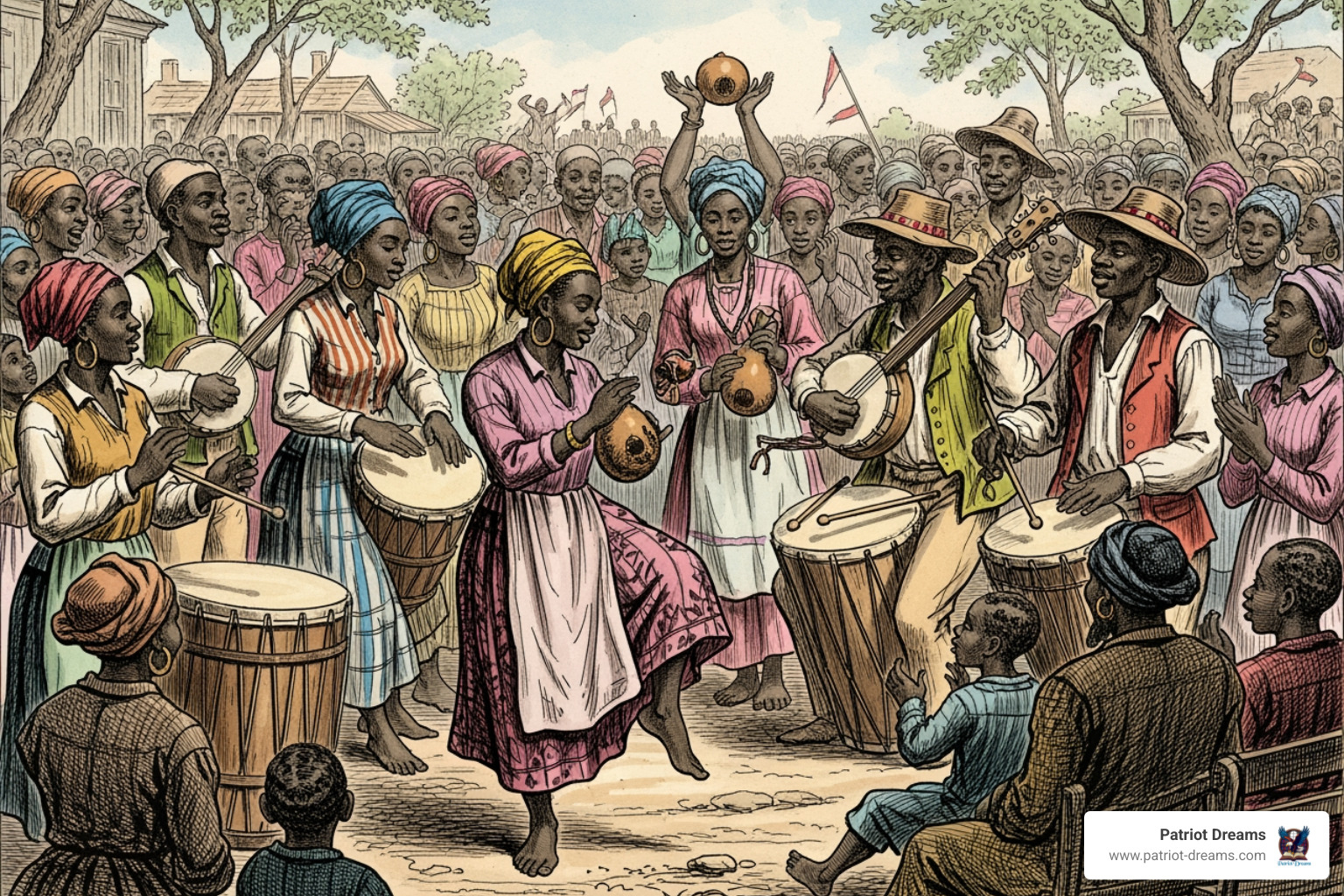
Long before the first jazz record, New Orleans was a city where the world came together to make music. Its unique blend of French and Spanish colonial heritage created a culture of celebration unlike any other American town. The city was alive with sound: grand bals masqués, opera houses, marching bands, and neighbors sharing songs on their porches.
What made New Orleans truly special was how these sounds mixed. African rhythms found a home in Congo Square, where enslaved people gathered on Sundays to play drums and dance. Caribbean melodies brought new beats, while the honest feeling of the blues met the energy of ragtime. In this wonderful melting pot, musicians created something new.
Music was the city's shared language, present at every occasion. Joyful funerals turned somber marches into celebrations on the way home. Parades filled the streets. Musicians learned to play everything, blending European classical influences, folk traditions, the blues, and ragtime. They were working artists, playing for dancers, mourners, and neighbors.
Despite the social divisions of the time, musical collaboration thrived. This welcoming atmosphere for music became a laboratory for creativity. Musicians, many of whom never read sheet music, developed the incredible skill of improvisation. They could take a melody and make it their own, creating beauty on the spot. This spirit of creativity meant that no two performances were the same. It was this joyful mix—African rhythms meeting European harmonies, Caribbean beats dancing with the blues—that created the perfect recipe for jazz. New Orleans celebrated these different sounds, and from that neighborhood of music came a sound that would change America forever.
Discover more about America's rich heritage
The First Voices of Jazz: The Unsung Pioneers
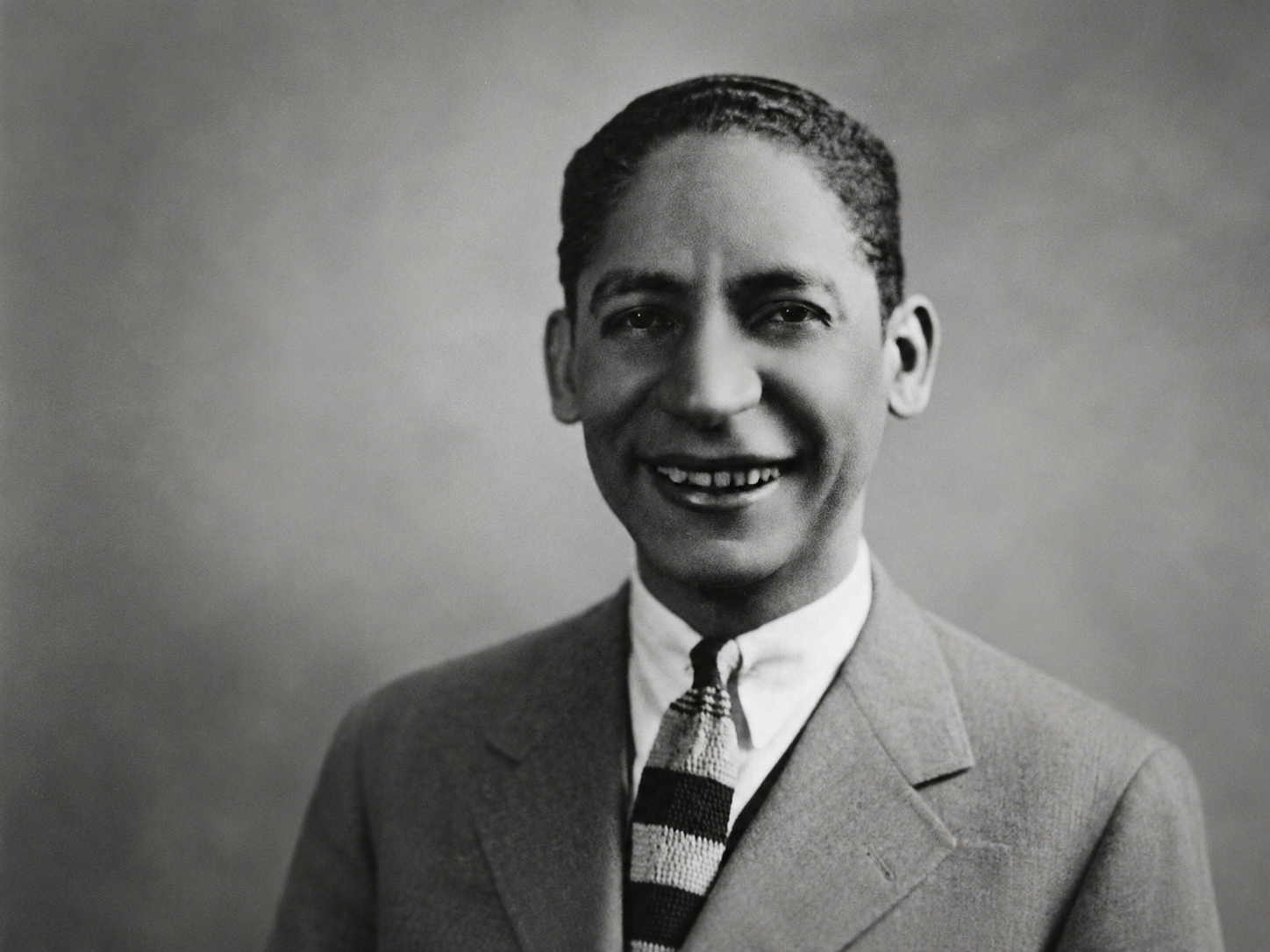
The first jazz record captured a sound that had been decades in the making, crafted by remarkable musicians in New Orleans. Long before the music was recorded, these pioneers were creating something extraordinary.
Buddy Bolden, known as the "First Man of Jazz," was a cornetist with a powerful sound that drew people in from blocks away. Though no recordings of him exist, his influence was immense. He showed musicians what it meant to play from the heart.
Jelly Roll Morton, a brilliant pianist, was the first true jazz composer. He shaped swirling musical ideas into structured yet lively arrangements. Other key figures included King Oliver, whose Creole Jazz Band featured a young Louis Armstrong, and Sidney Bechet, a master of the clarinet and soprano saxophone. These musicians were shaping the music before it was ever recorded, creating a living art form that changed with every performance.
The Heartbeat of Early Jazz
What made this early New Orleans sound so special? It was built on improvisation, with musicians creating melodies on the spot in a joyful conversation. Multiple instruments played interwoven melodies at once—a style called polyphony—all held together by an irresistible, syncopated rhythm.
It was called the "hot" sound for its passion and energy. Musicians were playing from the heart, each finding a unique voice. The cornet's call led the melody, the clarinet's melody danced around it, and the trombone's slide added a playful counterpoint. The rhythm section laid down a beat that was impossible to resist. This was music that brought people together, and when it was finally recorded, America was ready to fall in love.
The First Jazz Record: How New Orleans Taught America to Swing
By the mid-1910s, New Orleans musicians began traveling north, bringing their sound to Chicago and New York. One of these groups was the Original Dixieland Jass Band, five musicians who had honed their skills in New Orleans: Nick LaRocca (cornet), Larry Shields (clarinet), Eddie Edwards (trombone), Henry Ragas (piano), and Tony Sbarbaro (drums).
After success in Chicago, the band moved to New York City, opening at Reisenweber's Cafe in January 1917. The audience was initially unsure, but soon the energetic music caught on, and the band became a sensation. The Victor Talking Machine Company took notice and invited them to record.
On February 26, 1917, the band made history, recording "Livery Stable Blues" and "Dixie Jass Band One-Step." This was the moment jazz became something everyone could hear.
The Song That Captured a Nation
"Livery Stable Blues" was playful and irresistible. The musicians famously imitated barnyard animals—a crowing clarinet, a whinnying cornet, a mooing trombone. It was fun, energetic, and made people smile. Looser and more spontaneous than ragtime, it had a spirit that invited listeners to let go.
When Victor released the record, it became a sensation, selling over a million copies. Suddenly, people across America were hearing New Orleans jazz in their own homes.
Read more American Cultural History
How New Orleans Taught America to Swing with a Single Record
This single record did more than introduce a new song; it launched the Jazz Age. It sparked a nationwide dance craze and carried a feeling of freedom and joy that resonated with young people. The word "jazz" became part of everyday conversation. It was a cultural phenomenon that changed American music forever, all thanks to the sound that had been growing in New Orleans for decades.
A Sound That Traveled the World: The Legacy of Early Jazz
When the first jazz record hit the market in 1917, it opened a door that would never close. The music of New Orleans was suddenly everywhere, and the spelling of "jass" soon evolved into "jazz."
The Original Dixieland Jass Band's success proved the music's universal appeal. Their recording of "Tiger Rag" became a beloved standard, later inducted into the U.S. Library of Congress National Recording Registry. While the ODJB made the first recordings, jazz was created by African American pioneers like Buddy Bolden, Jelly Roll Morton, and King Oliver. The ODJB shared a gift that belonged to an entire community.
As more New Orleans musicians traveled north, the authentic sound spread. Louis Armstrong moved to Chicago in 1922, where he transformed jazz with his pioneering solos and scat singing, becoming a beloved American treasure. Sidney Bechet found adoring audiences in France. These musicians carried the spirit of New Orleans with them, sharing its gift with the world.
Echoes of the Past: How 20th Century America Lives On in Today's Hit Songs
The Enduring Gift of New Orleans
Today, early jazz is still very much alive. New Orleans remains its beating heart, with places like Preservation Hall lovingly protecting this musical heritage. The spirit of joy and improvisation can still be heard in the French Quarter.
Modern brass bands continue the street parade tradition, blending new styles while staying connected to their roots. Contemporary artists like Wynton Marsalis and Nicholas Payton continue to earn international recognition, carrying the torch forward.
The Dixieland style remains beloved, a sound that makes people smile and dance. This gift from New Orleans has become a global treasure, a universal language of creativity and joy. It reminds us that when people share their traditions, they can create something beautiful that lasts forever.
Explore more about early jazz recordings
Frequently Asked Questions about the First Jazz Record
You've just taken a journey through the birth of jazz—from the vibrant streets of New Orleans to that historic recording session in 1917. Now, let's answer some of the most common questions people ask about The First Jazz Record: How New Orleans Taught America to Swing.
What is considered the very first jazz recording?
The first commercially released and widely heard jazz recording is "Livery Stable Blues," recorded by the Original Dixieland Jass Band on February 26, 1917. While earlier experimental recordings may exist, this was the record that became a massive hit, selling over a million copies and introducing millions of Americans to the sound of New Orleans jazz.
Why was New Orleans so important for the birth of jazz?
New Orleans was a unique cultural melting pot where French, Spanish, African, and Caribbean traditions mingled freely. The city's love of celebration and its vibrant music scene—from street parades to dance halls—created the perfect environment for jazz to emerge. In places like Congo Square, African rhythms were preserved, while musicians blended diverse styles like blues, ragtime, and folk music. This spirit of collaboration and improvisation made New Orleans the birthplace of jazz.
Who were some of the earliest jazz musicians?
The musicians on the first record were not the inventors of jazz. They were sharing a sound shaped by African American pioneers in New Orleans. Key figures include cornetist Buddy Bolden, often called the "First Man of Jazz" for his powerful, legendary sound. Pianist Jelly Roll Morton is considered the first true jazz composer, crucial for arranging the music. Other foundational artists include "King" Oliver, who mentored a young Louis Armstrong in his Creole Jazz Band, and the masterful clarinetist Sidney Bechet.
Conclusion
The story of the first jazz record is about more than a song. It’s about what happens when people come together, when cultures blend, and when a community’s joy becomes a gift to the world. Jazz is a testament to shared creation, growing from the streets of New Orleans and the countless musicians who learned from one another.
New Orleans gave America a sound that united a nation. When that first record played in homes across the country, it invited everyone to feel a little of that New Orleans joy. It was music that said, “Come on in. There’s room for you here.” This is the beautiful noise of America—different voices finding harmony together.
At Patriot Dreams, we believe in preserving these shared stories. Just as that first recording captured a moment of American creativity, we bring to life the people and places that define our heritage. Through our interactive map and audio stories, we create a space where America's past comes alive and where we can all feel connected to something bigger than ourselves. Every story matters, and together, they create something beautiful.
Join the Patriot Dreams Community
Download the app today and start your journey through American history and personal legacy.

Explore Our Latest Insights
Dive into stories that shape our American legacy.