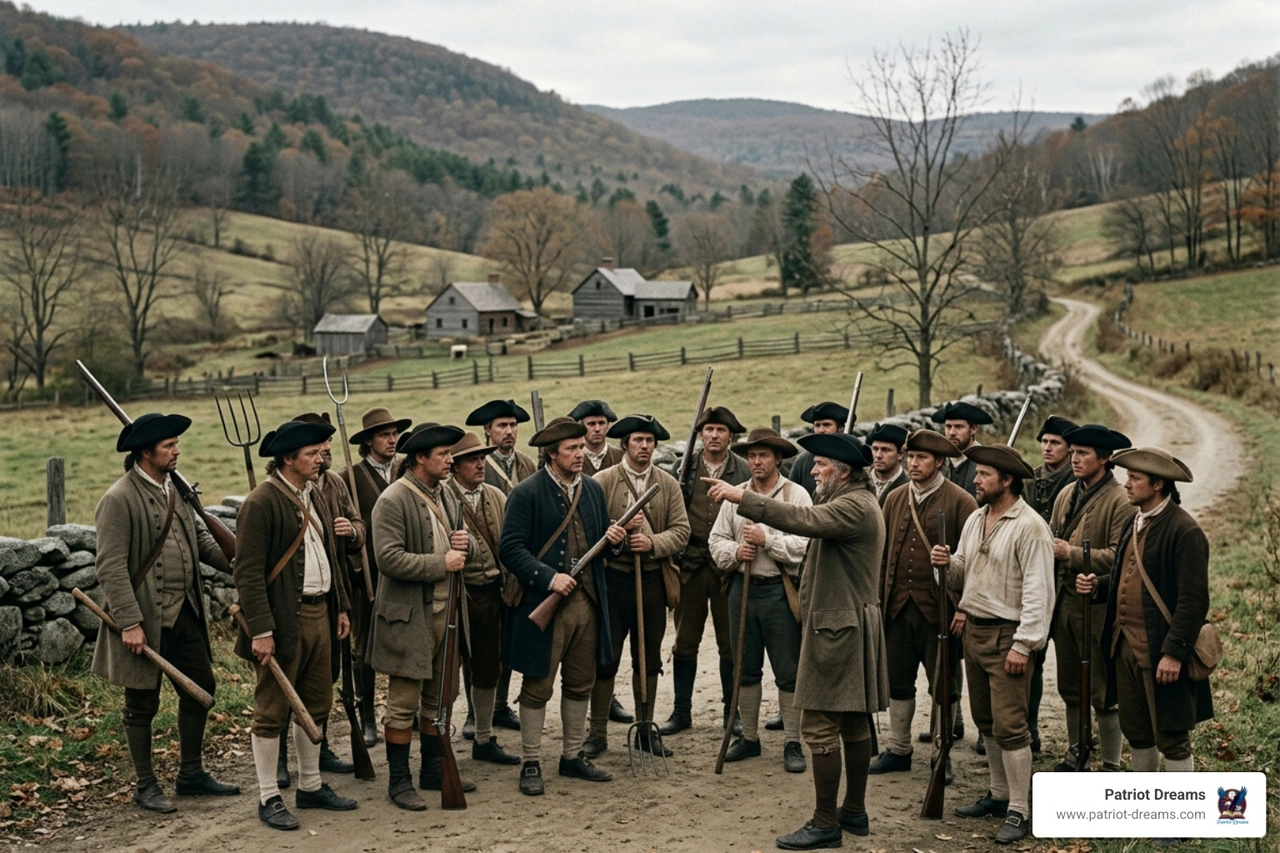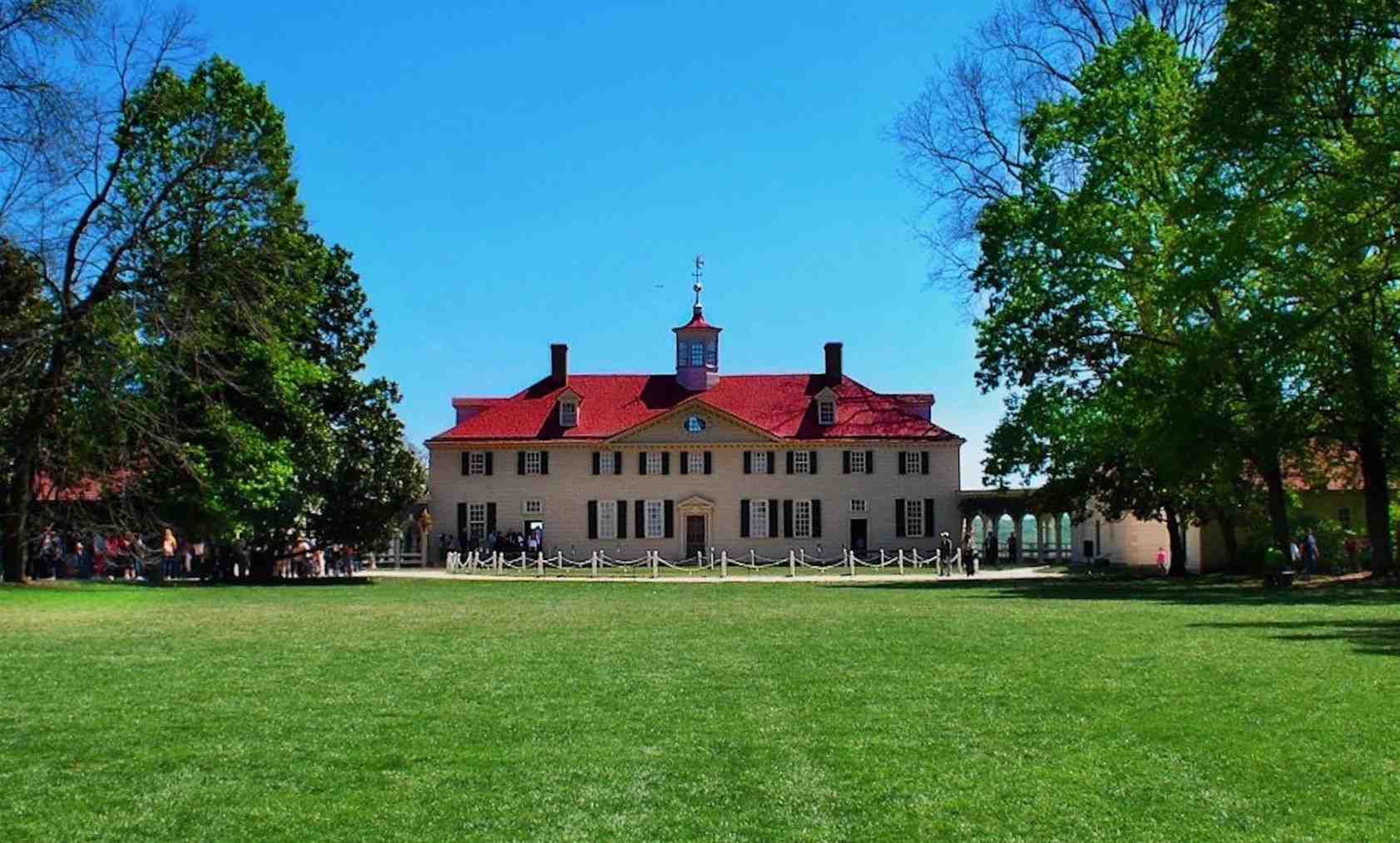
Traveling Through Time: American Small Towns That Feel Like a Vintage Film Set
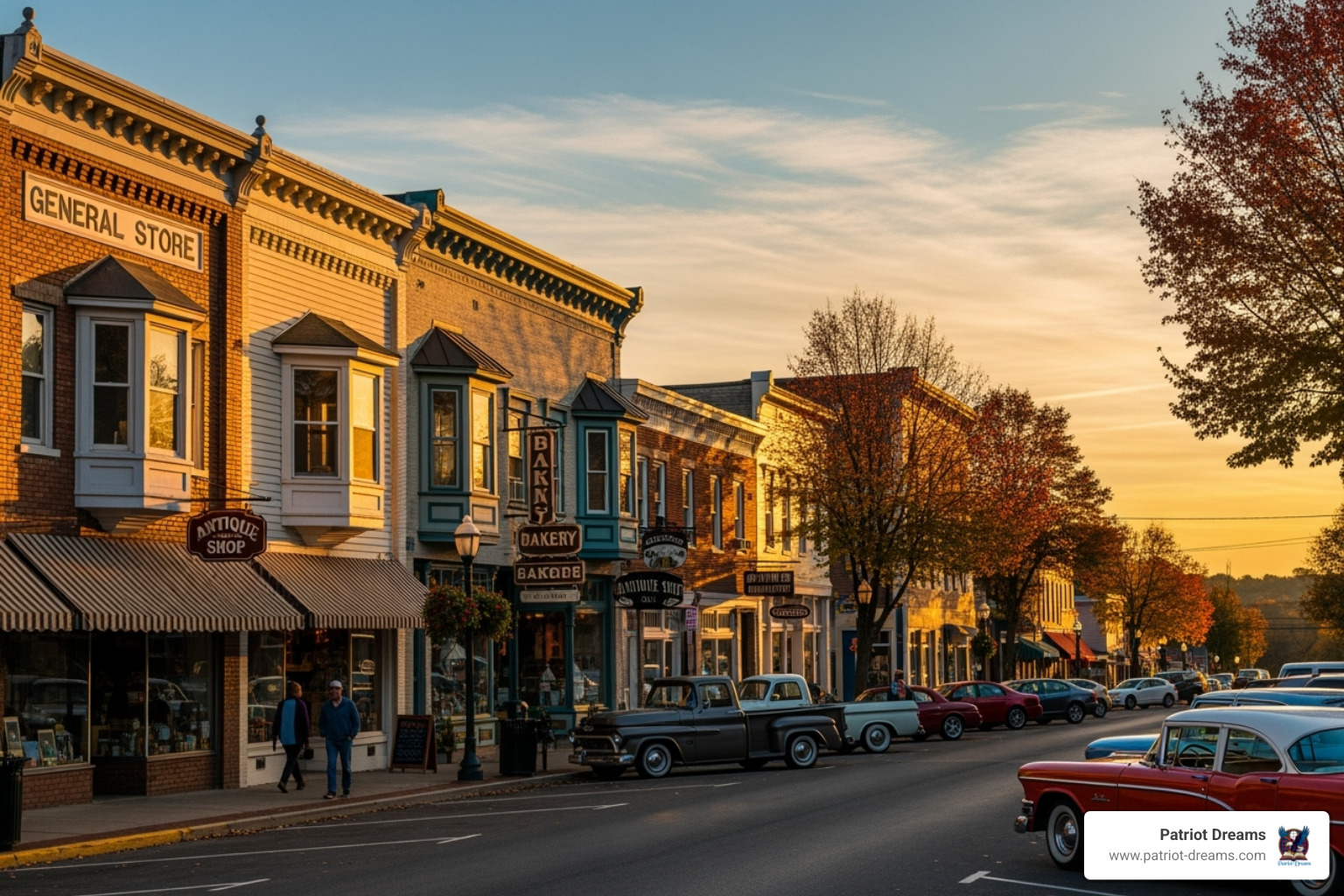

Finding America's Living Time Capsules
Traveling Through Time: American Small Towns That Feel Like a Vintage Film Set isn't just about nostalgia—it's about finding places where history lives and breathes. These special towns have preserved their character so beautifully that walking their streets feels like stepping onto a movie set from another era.
Quick Guide: What Makes a Town Feel Like a Vintage Film Set
- Preserved Architecture - Victorian homes, Colonial storefronts, and historic buildings maintained with care
- Historic Transportation - Horse-drawn carriages, vintage railways, or car-free streets
- Local Character - Family-owned shops, old-fashioned diners, and antique stores instead of chain retailers
- Community Dedication - Active preservation societies and residents who cherish their heritage
- Authentic Details - Brick sidewalks, gas-lit lamps, and buried power lines that keep modern intrusions hidden
There's something magical about places that have kept their stories alive. These aren't museum towns frozen in time—they're living communities where people still gather on Main Street, where local businesses have served families for generations, and where the past feels present in the kindest way.
According to historical preservation experts, towns like Mackinac Island, Michigan, and Jefferson, Texas, have maintained over 90% of their original buildings from the 1800s. That kind of commitment doesn't happen by accident. It comes from neighbors who care, who pass down traditions, and who believe that the best of America's past deserves to be shared with future generations.
Whether you're a history enthusiast, a family looking for an educational adventure, or someone who simply appreciates the beauty of well-preserved heritage, these towns offer something rare: a genuine connection to the American story.

What Makes a Town Feel Like a Storybook Setting?
You know that feeling when you're watching an old movie and the town looks so perfect, so charming, that you wish you could step right through the screen? That's exactly what happens when you visit certain American small towns. They're not movie sets—they're real places where real people live—but they've kept something precious that most places have lost.
Well-preserved architecture is where the magic begins. Picture yourself walking down a street lined with Victorian homes, their gingerbread trim painted in cheerful colors, or past sturdy Colonial buildings that have watched over the town square for two hundred years. These aren't reconstructions or theme park attractions. They're the genuine article, lovingly maintained by communities who understand that these buildings tell their town's story.
Cape May, New Jersey, has over 600 beautifully preserved Victorian buildings that transport you straight to the late 1800s. In Guthrie, Oklahoma, the Victorian architecture and original brick sidewalks make you feel like you're walking through a sepia-toned photograph. These towns didn't just happen to stay beautiful—their residents chose to keep them that way.
The details matter more than you might think. Gas-lit street lamps casting a warm glow at dusk. Brick sidewalks worn smooth by generations of footsteps. Some towns, like Woodstock, Vermont, have even buried their power lines underground so nothing disrupts the view. It's that kind of thoughtful care that makes Traveling Through Time: American Small Towns That Feel Like a Vintage Film Set such a real experience.
Walk into the local businesses and you'll feel the difference immediately. There are no chain stores here—just old-fashioned diners where the waitress knows everyone's order, independent bookstores with creaky wooden floors, and antique shops that feel like treasure hunts. Chagrin Falls, Ohio, is filled with vintage sweet shops and local boutiques run by families who've been serving their neighbors for decades. These aren't just places to shop; they're gathering spots where community happens naturally.
Some towns take the time-travel experience even further with historic modes of transport. Mackinac Island, Michigan, banned cars way back in 1898, and today the only sounds you'll hear are bicycle bells and the gentle clip-clop of horse-drawn carriages on the street. Imagine that—an entire island where the loudest noise is birdsong and friendly conversation. It's not a gimmick; it's how they've always done things, and it works beautifully.
The surrounding natural beauty completes the picture. Rolling hills frame these towns like a painting. Quaint harbors reflect historic buildings in their calm waters. Mystic, Connecticut, sits gracefully by the water, its centuries-old port town charm improved by the sea. Hood River, Oregon, rises from the dramatic Columbia River Gorge, where nature itself seems to be part of the town's heritage.
What brings all these elements together isn't just luck or good fortune. It's community preservation—neighbors who care enough to protect what makes their town special. They serve on historic preservation boards, restore buildings with period-appropriate materials, and pass down traditions to their children. They understand that a town without chain stores might mean driving a bit farther for some things, but what they gain is something money can't buy: a sense of place that's entirely their own.
When you visit these towns, you're not just seeing pretty buildings and quaint streets. You're experiencing what happens when a community decides that its history matters, that beauty is worth preserving, and that the best parts of the past can live comfortably alongside the present. That's the real magic of Traveling Through Time: American Small Towns That Feel Like a Vintage Film Set—it's not about pretending the modern world doesn't exist. It's about choosing to keep the best of what came before.
Our Top Picks: American Small Towns That Feel Like a Vintage Film Set
There's something wonderful about finding places where the past feels present in every brick, every storefront, every cobblestone. These towns aren't just preserving history—they're living it. Each one offers its own special kind of magic, inviting us to slow down and experience America as it once was.
Mackinac Island, Michigan: A Victorian Trip for Traveling Through Time

The moment you step off the ferry onto Mackinac Island, you'll notice something remarkable: the air sounds different. Instead of car engines and honking horns, you hear the gentle rhythm of horse hooves on pavement and the soft ring of bicycle bells. That's because since 1898, cars have been banned from this beautiful island in Lake Huron.
This single decision transformed Mackinac Island into one of America's most authentic examples of Traveling Through Time: American Small Towns That Feel Like a Vintage Film Set. The island's Victorian architecture stands pristine and proud, with the magnificent Grand Hotel as its crown jewel. You might recognize it from the classic film Somewhere In Time, where Christopher Reeve and Jane Seymour brought romance to life against this stunning backdrop.
Walking through the island feels like turning the pages of a living history book. Fort Mackinac, perched on a bluff overlooking the harbor, tells stories of 18th-century military life. The American Fur Company Store, dating back to the 1820s, reminds us when this island was a busy center of the fur trade. And then there's the fudge—oh, the fudge! Local shops craft an incredible 10,000 pounds daily during peak season, continuing a tradition that's become as much a part of the island as its Victorian cottages.
Whether you're riding in a horse-drawn carriage past pristine lawns and clapboard buildings, or cycling along scenic paths with lake breezes in your hair, Mackinac Island offers something precious: a chance to experience the Gilded Age not as a museum exhibit, but as a lived reality. For planning your visit, check out the official Mackinac Island tourism info.
Tombstone, Arizona: Traveling Through Time to the Wild West

Some places are so steeped in legend that walking their streets feels like stepping into a Western film. Tombstone, Arizona, is one of those rare towns where history doesn't just whisper—it shouts from every saloon door and dusty street corner.
This legendary boomtown from the 1880s has kept its Wild West spirit alive in the most authentic way possible. The buildings along Allen Street look remarkably similar to how they appeared when Wyatt Earp and Doc Holliday walked these same boardwalks. The famous Gunfight at the O.K. Corral isn't just a memory here—it's reenacted daily, allowing visitors to witness the dramatic showdown that shaped American frontier mythology.
Step inside the Crystal Palace Saloon or the historic Bird Cage Theatre, and you can almost hear the piano music and card games that once filled these spaces. The Bird Cage, in particular, was known for hosting legendary performers and high-stakes gambling that attracted characters from across the frontier. Today, you can take stagecoach rides that rumble down the same dusty streets that miners and settlers once traveled, or visit The World Famous O.K. Corral to immerse yourself in the town's most famous moment.
What makes Tombstone special isn't just its preservation—it's the town's commitment to keeping that frontier spirit alive. This isn't a sanitized theme park version of the Old West. It's a real community that honors its colorful, sometimes rough-and-tumble past with genuine pride and remarkable attention to detail.
Jefferson, Texas: An Antebellum Steamboat Story
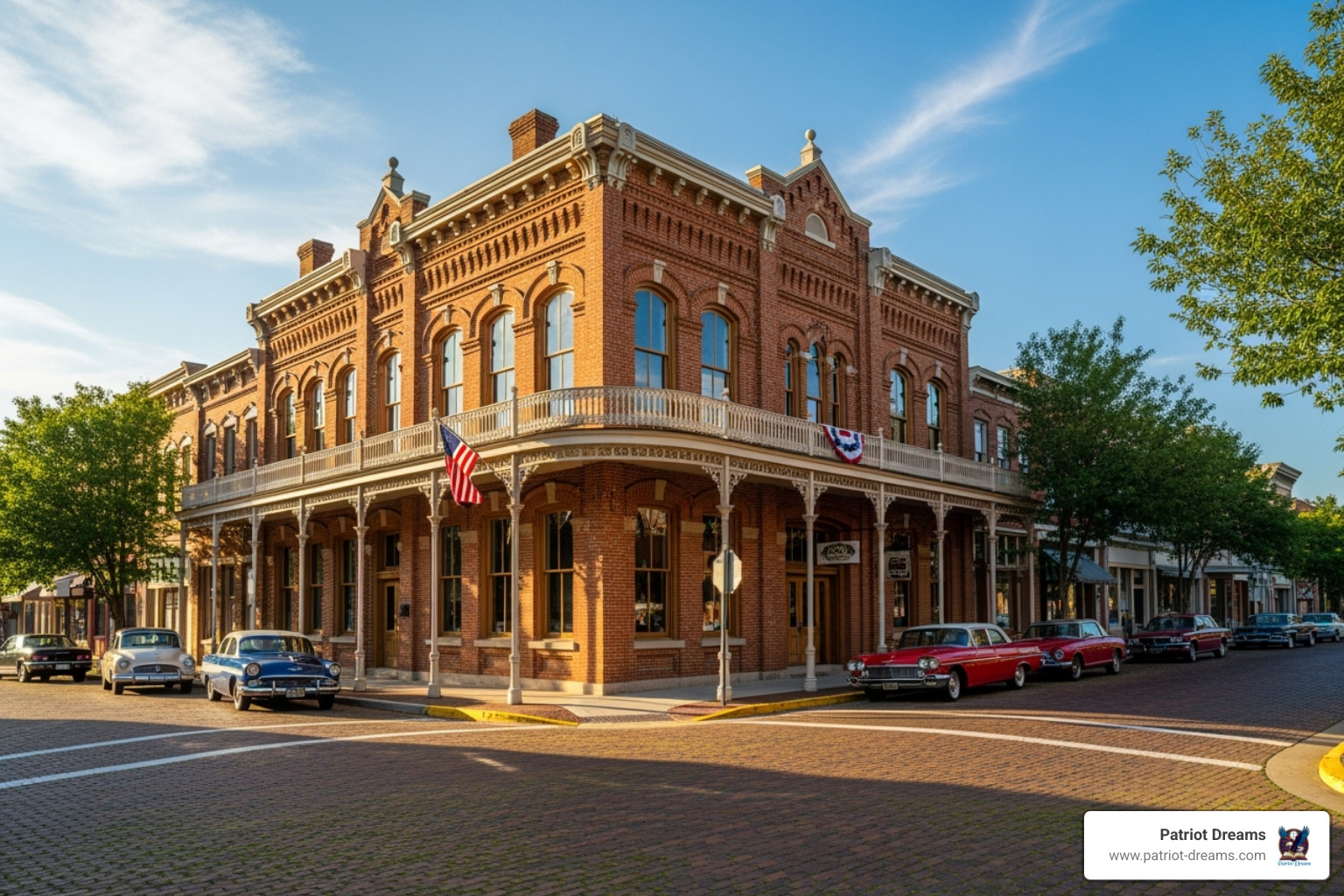
Sometimes what seems like misfortune turns out to be a blessing in disguise. That's exactly what happened to Jefferson, Texas, a charming town of about 2,000 residents that accidentally preserved its 19th-century character when progress passed it by.
During the steamboat era, Jefferson thrived as a major port on the Big Cypress Bayou, connecting Texas to the Mississippi River system. Cotton and timber flowed through its docks, and prosperity built the beautiful Antebellum architecture that graces the town today. When railroads rerouted commerce away in the late 1800s, Jefferson's boom times ended—but its buildings remained, too established to disappear yet too bypassed for modern development.
Today, those brick-paved streets and gas-lit corners make Jefferson a perfect example of Traveling Through Time: American Small Towns That Feel Like a Vintage Film Set. The Excelsior House Hotel has welcomed guests continuously since the 1850s, offering period furnishings and old-world hospitality that transport visitors to another era. At the Jefferson General Store, you can enjoy a float at an authentic old-fashioned soda fountain, where every sip tastes like a sweet memory.
Horse-drawn carriage tours clip-clop down streets lined with magnificent historic buildings, while riverboat tours on the Big Cypress Bayou glide past cypress trees draped with Spanish moss—scenes that could have come straight from a Southern Gothic novel. The town even hosts a Gone With the Wind Museum, celebrating its connection to Old South heritage and classic American cinema.
Jefferson reminds us that authentic places with genuine character can still exist in our modern world. It's not trying to be anything other than what it is: a beautifully preserved piece of Texas history, lovingly maintained by people who understand that some stories are too important to let fade away.
Woodstock, Vermont: The Quintessential New England Scene

Nestled in the foothills of the Green Mountains, Woodstock, Vermont, looks so picture-perfect that you might wonder if it's real. The classic white-steepled church overlooking the village green, the covered bridges spanning gentle streams, the historic buildings lining the town square—every element seems perfectly placed to capture the essence of New England charm.
But Woodstock's beauty isn't accidental. This town has made preservation a priority in ways both big and small. In a move that shows remarkable dedication to maintaining their visual heritage, residents actually buried all the telephone wires to keep modern intrusions from disrupting the town's timeless appearance. That attention to detail has made Woodstock so appealing that Hollywood has come calling more than once.
The Marsh-Billings-Rockefeller National Historical Park offers a window into 19th-century rural life, with its beautifully preserved dairy farm showing us how Vermont families once lived and worked. Walking through the park and around town, you get a sense of continuity—of traditions passed down, of landscapes carefully tended, of a community that values its heritage.
Woodstock invites us to slow down and breathe in the crisp mountain air. It's a place where history isn't locked behind glass cases but woven into everyday life—in the architecture, in the landscape, in the way neighbors still gather around the town green. Whether you're exploring covered bridges, visiting historic farms, or simply sitting on a bench watching the seasons change, Woodstock offers something increasingly rare: a genuine connection to New England's enduring spirit and timeless beauty.
How These Towns Keep Their Timeless Character
There's something deeply moving about a community that decides, together, to protect what makes it special. The towns that truly embody Traveling Through Time: American Small Towns That Feel Like a Vintage Film Set don't maintain their character by accident. Their timeless beauty comes from neighbors who care, from families who pass down traditions, and from a shared belief that some things are worth preserving for the generations to come.
A Commitment to Preservation
Walk down Main Street in any of these remarkable towns, and you're witnessing something precious: the result of countless small decisions made by people who love where they live. Historic preservation societies work quietly behind the scenes, architectural review boards carefully consider each new building, and community members show up to meetings because they believe their town's story matters.
In Franklin, Tennessee, new buildings aren't just slapped up—they're thoughtfully designed to honor the past, constructed in period styles that blend seamlessly with historic structures. Over in Santa Fe, New Mexico, a law from 1958 ensures that new construction respects the Spanish Territorial and Pueblo styles that define the city's soul. These aren't burdensome regulations; they're love letters to heritage, written by communities who understand what they might lose.
Being listed on the National Register of Historic Places offers important protections, but often it's the grassroots efforts that make the real difference. In Crested Butte, Colorado, the town council has kept Elk Street free from chain stores, preserving a Main Street filled with mom-and-pop cafes and family-owned shops where everyone knows your name. Woodstock, Vermont went so far as to bury telephone wires underground, removing modern intrusions from their picturesque landscape.
These communities understand that preservation isn't about freezing a town in amber—it's about honoring the craftsmanship of those who came before while creating spaces where real people still live, work, and raise families. When we visit these towns, we're experiencing places where residents have chosen character over convenience, and heritage over homogenization.
Celebrating History Together
But here's the beautiful secret these towns know: history isn't just about old buildings. It's about the stories we tell, the traditions we keep, and the moments we share together.
Annual heritage festivals bring entire communities together in joyful celebration. The Keene Ice and Snow Festival transforms streets into winter wonderlands. Bell Buckle, Tennessee hosts the delightfully quirky RC Cola-MoonPie Festival. Chagrin Falls, Ohio fills its calendar with art and film festivals that feel like stepping back to a gentler era. These aren't just tourist attractions—they're genuine expressions of community pride, where neighbors reconnect and visitors become friends.
Historical reenactments make the past come alive in ways textbooks never could. When we watch the daily gunfight reenactments in Tombstone, Arizona, we're not just observing actors in costume—we're connecting with the real people who walked those dusty streets. These living history experiences, powered by passionate volunteers, teach us that history isn't distant or boring; it's vivid, exciting, and deeply human.
Fourth of July parades, like the nation's oldest one in Bristol, Rhode Island, remind us of shared values that unite us. Farmers markets create gathering spaces where people exchange more than just fresh vegetables—they share news, laughter, and a sense of belonging. At the T.B. Sutton General Store in Granville, Tennessee, live bluegrass shows fill the air with music that's been passed down through generations.
These celebrations aren't performances for outsiders—they're how communities keep their hearts beating, how they pass stories to children, and how they remind themselves why their town's character is worth protecting. When volunteers organize these events year after year, they're not just preserving buildings; they're preserving the warmth, the connection, and the spirit that make their towns feel like home.
That's the real magic of Traveling Through Time: American Small Towns That Feel Like a Vintage Film Set—these places understand that timeless character comes not just from what we preserve, but from what we celebrate together.
Frequently Asked Questions about Visiting Historic Towns
When friends ask us about planning trips to these wonderful places that embody Traveling Through Time: American Small Towns That Feel Like a Vintage Film Set, we love sharing what we've learned. Here are some questions we hear most often, along with our heartfelt answers.
What is the best time of year to visit these towns?
There's no single "perfect" season for every town—and that's part of the beauty! Each time of year brings its own special magic to these historic communities.
Fall transforms places like Woodstock, Vermont, into a painter's canvas of crimson and gold, while summer breathes life into Mackinac Island with warm breezes and busy fudge shops. Coastal treasures like Cape May, New Jersey, shine brightest in spring and summer, though we've found that winter visits offer something equally precious: quiet streets where we can truly hear the stories these places have to tell.
We always recommend checking local event calendars before booking your trip. Many towns host festivals that celebrate their unique heritage throughout the year. Bristol, Rhode Island's Fourth of July celebration—the nation's oldest—is a heartwarming display of American spirit. During the holidays, towns like Solvang, California, transform into winter wonderlands with traditional Julefest celebrations.
Off-season travel holds its own rewards too. Fewer crowds mean more opportunities to chat with shopkeepers who've served their communities for decades, to linger in museums without rushing, and to experience these towns as their residents do every day. Plus, your travel budget will thank you!
Are these towns good for family vacations?
Oh, absolutely! These living history towns are wonderful places for families to explore together, creating memories that last lifetimes.
Children become completely captivated watching Wild West gunfight reenactments in Tombstone, Arizona, or learning how colonial families lived in places like Williamsburg, Virginia. On Mackinac Island, kids can safely pedal their bikes down car-free streets, their laughter mixing with the clip-clop of horse hooves—it's the kind of freedom that feels both old-fashioned and refreshingly modern.
Many of these towns offer hands-on learning experiences that make history come alive. Museums throughout these communities present American heritage in engaging, interactive ways that spark curiosity in young minds. Beyond the history lessons, there are outdoor adventures waiting—hiking trails, waterfront explorations, and natural beauty that provides the perfect backdrop for family photos.
These destinations offer something rare in our busy world: the chance to slow down together, to share findies, and to show our children that America's story is their story too. The educational value is wonderful, but the real gift is the time spent together, exploring at a gentler pace.
How can I find other towns that feel like stepping back in time?
Finding these hidden gems is part of the joy of exploring America's heritage! We love the thrill of findy, and we're happy to share some approaches that have worked beautifully for us.
Start with local historical societies. These dedicated keepers of community memory often know about other well-preserved towns in their region. Their websites and visitor centers are treasure troves of information, and the volunteers who staff them genuinely love sharing their knowledge.
Follow America's scenic byways. These designated routes wind through landscapes chosen specifically for their natural beauty and historical significance. Many pass through multiple historic towns, turning a simple drive into an adventure of findy.
Talk with the locals. When you visit a town that captures your heart, strike up conversations with the people who call it home. The innkeeper who greets you, the shopkeeper who wraps your purchase, the server at the local diner—they often know about similar communities nearby that aren't in the guidebooks yet. These personal recommendations have led us to some of our most cherished findies.
Trust your instincts. Sometimes the best finds come from simply following a road that looks interesting or exploring a town name that sounds appealing. America is full of communities working hard to preserve their heritage, and many are waiting to share their stories with visitors who care enough to stop and listen.
The journey of finding these special places connects us not just to America's past, but to the living communities that keep that heritage alive today.
Conclusion: Your Own Journey Through America's Story
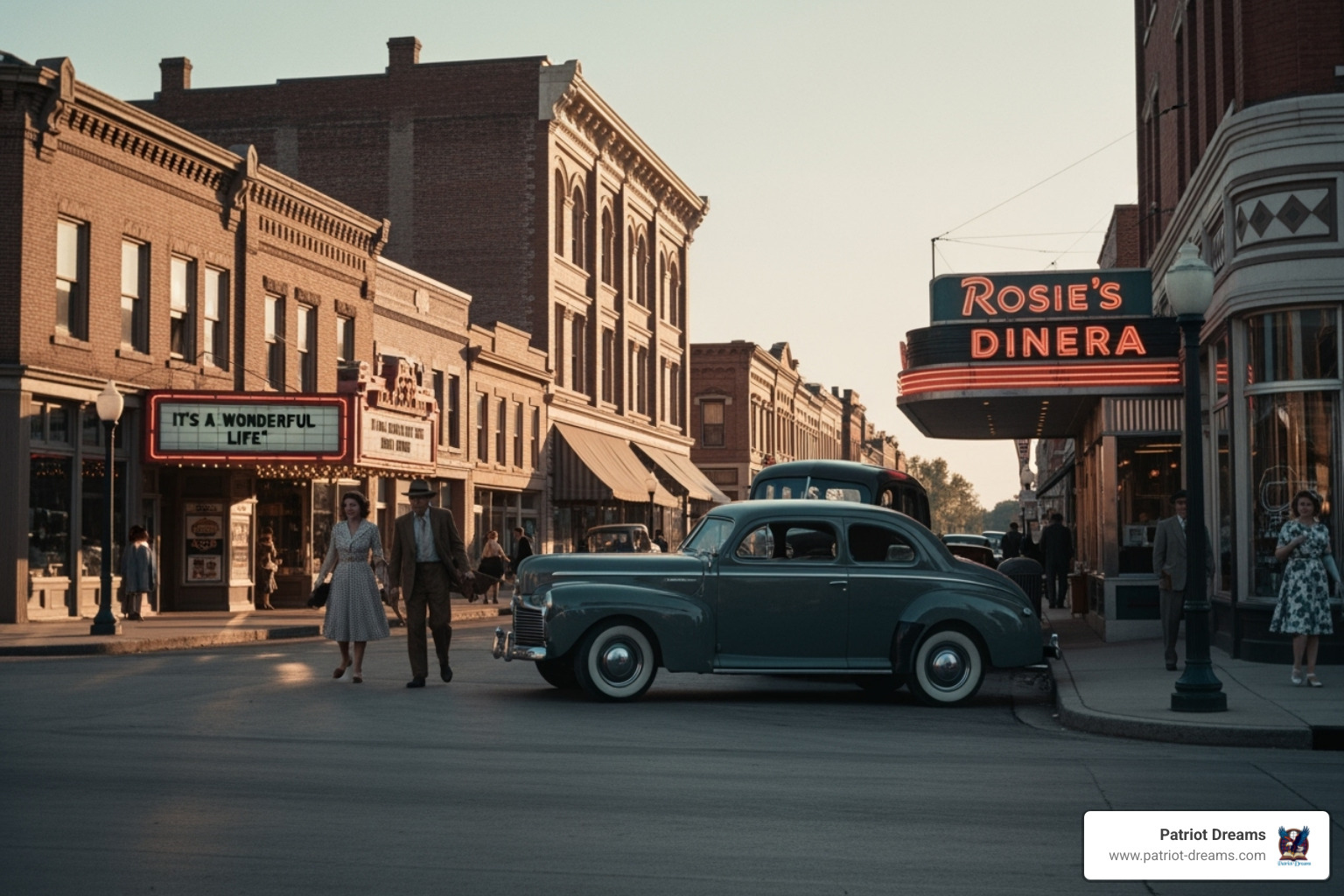
There's something deeply moving about standing on a brick sidewalk in a town where history still lives. Maybe it's the way the afternoon sun hits a Victorian porch, or the sound of horse hooves on cobblestones, or simply the feeling that you've found a place where people still value connection and community. These moments remind us why Traveling Through Time: American Small Towns That Feel Like a Vintage Film Set is about so much more than architecture and nostalgia.
When we visit these remarkable places, we're not just tourists passing through. We're becoming part of an ongoing story—one that began generations ago and continues with every person who walks these streets, supports these local businesses, and shares these experiences with their loved ones. The families who have preserved these towns, often sacrificing modern convenience for historical integrity, have given us an extraordinary gift: the chance to touch the past and carry its lessons forward.
We've seen how the people of Mackinac Island chose horse-drawn carriages over automobiles, how Tombstone keeps its Wild West spirit alive through daily reenactments, how Jefferson's residents maintained their steamboat-era charm, and how Woodstock buried its power lines to preserve beauty for everyone. These aren't just preservation decisions—they're acts of love, expressions of belief that some things are worth protecting.
As you plan your own journey to these hidden gems, you're joining a tradition of travelers who have sought meaning in America's story. You're supporting communities that have chosen character over convenience, and you're creating memories that will become part of your family's own heritage. Whether you're teaching your children about history, reconnecting with your roots, or simply seeking places where kindness and community still thrive, these towns welcome you with open arms.
At Patriot Dreams, we're honored to be part of your exploration of America's rich heritage. These small towns, with their preserved architecture and strong community traditions, represent the best of what we can be when we remember where we came from. We invite you to continue finding the places, people, and moments that have shaped our nation's character.
Explore more American heritage stories with our audio tours and find your own connection to the enduring spirit of America. May your travels fill your heart with hope and leave you feeling grateful for the beautiful, complex, wonderful story we all share.

Join the Patriot Dreams Community
Download the app today and start your journey through American history and personal legacy.

Explore Our Latest Insights
Dive into stories that shape our American legacy.