Everything You Need to Know About Finding American Historical Records

Why American Historical Archives Are the Nation's Most Treasured Attic
American historical archives hold the records, letters, photographs, and documents that tell the story of every person who ever called this country home.
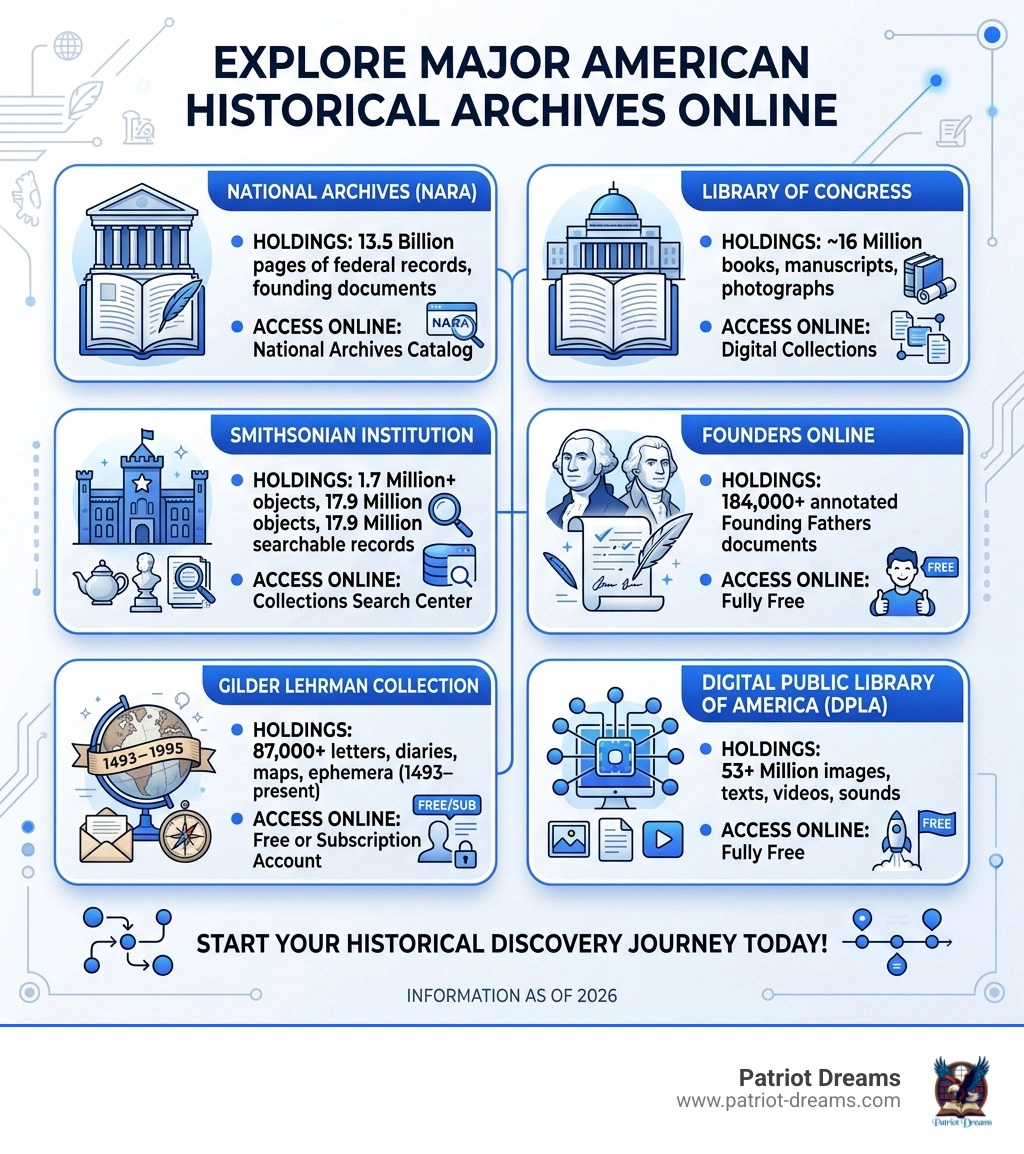
Here is a quick look at the major archives you can explore:
ArchiveWhat It HoldsFree Online AccessNational Archives (NARA)13.5 billion pages of federal records, founding documentsYes, via National Archives CatalogLibrary of Congress~16 million books, manuscripts, photographsYes, via Digital CollectionsSmithsonian Institution1.7 million+ objects, 17.9 million searchable recordsYes, via Collections Search CenterFounders Online184,000+ annotated Founding Fathers documentsYes, fully freeGilder Lehrman Collection87,000+ letters, diaries, maps, ephemera (1493–present)Yes, with free or subscription accountDigital Public Library of America53+ million images, texts, videos, soundsYes, fully free
Think of it this way. Every family has an attic — a quiet place full of old letters, faded photos, and handwritten notes that somehow feel alive when you hold them. America has one too.
It is called the National Archives. And it is just the beginning.
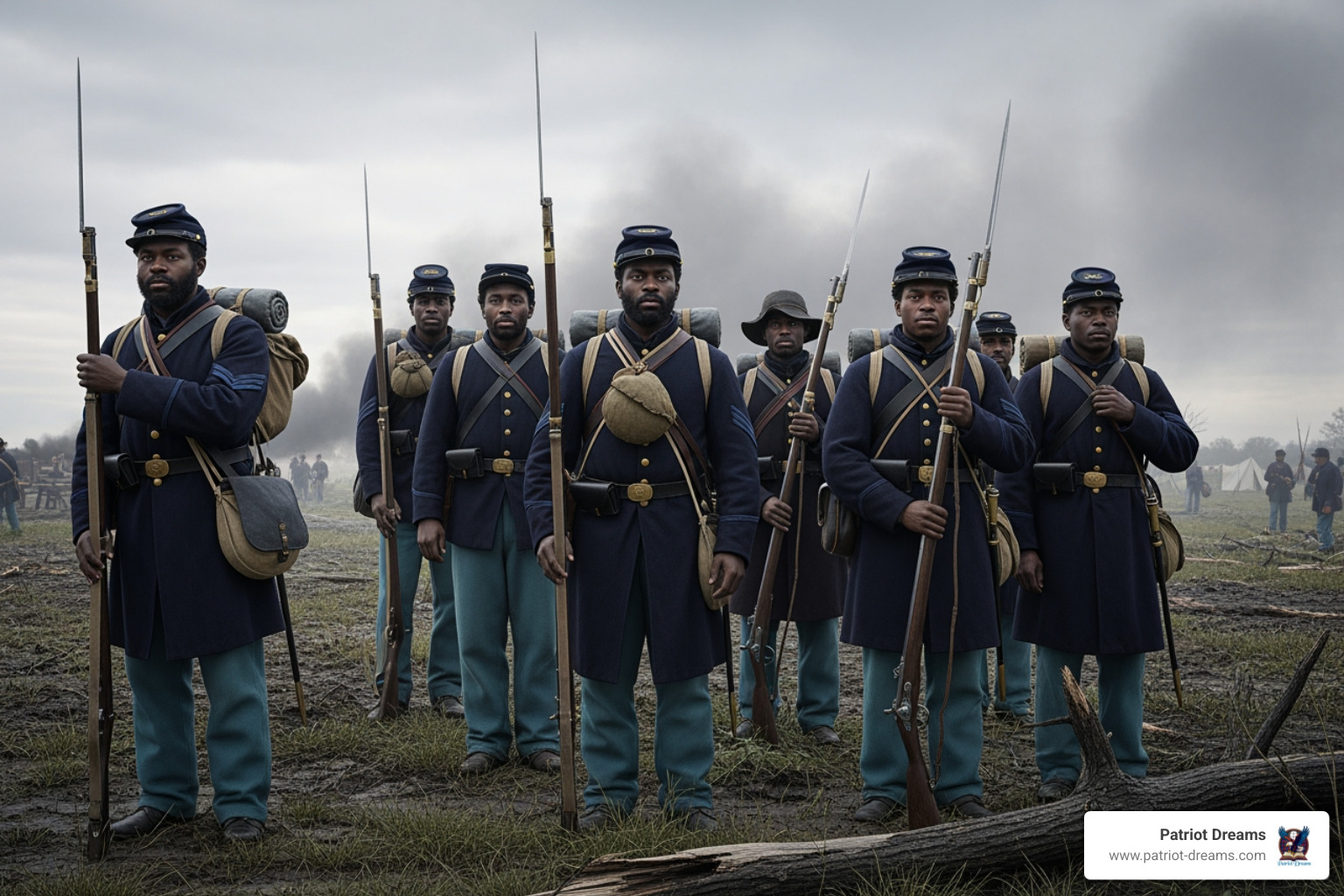
From a soldier's letter home written by lantern light to a grandmother's naturalization paper stamped with hope — these records belong to all of us. They are proof that real people, in real moments, built something worth remembering.
Whether you are tracing your family's roots, studying a piece of history, or simply feeling curious about where we all came from, the good news is this: more of these records are open and searchable today than ever before. You do not need to be a scholar or travel to Washington, D.C. to find them.
This guide will walk you through everything — the big national collections, the hidden regional gems, the best free online tools, and the simple steps anyone can take to start exploring.
American historical archives basics:
- Founding Fathers
- The Declaration of Independence: What It Really Says and Why It Still Matters
- The US Constitution & Bill of Rights Explained Simply
The Heart of Our Nation: Exploring Major American Historical Archives
When we think of our shared heritage, we often picture the grand buildings in Washington, D.C. These institutions are more than just stone and mortar; they are the guardians of our collective memory. The American historical archives housed within these walls contain the DNA of our democracy.
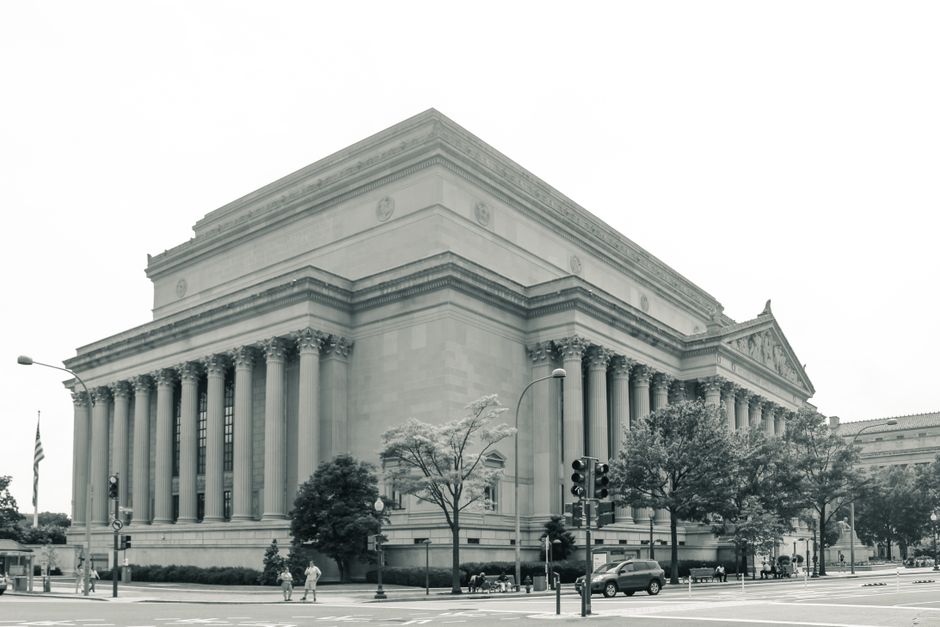
The National Archives and Records Administration (NARA) is the official record keeper of the United States. Established in 1934, its holdings date back to 1775. Within its Rotunda, you can find the "Charters of Freedom" — the Declaration of Independence, the Constitution, and the Bill of Rights. But beyond these famous parchments lie 13.5 billion pages of textual records. These aren't just government papers; they are the stories of veterans, immigrants, and everyday citizens.
According to About the National Archives of the United States, NARA manages the entire lifecycle of federal records. From the Louisiana Purchase Treaty signed by Napoleon Bonaparte to the journals of polar expeditions, these United States Archives ensure that the "past is prologue," as the inscription on the National Archives Building suggests.
The Nation’s Record Keeper
It might surprise you to learn that NARA keeps only about 2% to 5% of all federal records generated in a given year. These are the documents judged to have "continuing value" — those that protect our rights as citizens, hold our officials accountable, and document our national experience.
NARA operates a vast network across the country, including 16 Federal Records Centers and 15 Presidential Libraries, starting with Herbert Hoover. Whether you are visiting a regional facility in Kansas City or the main building in D.C., you are stepping into a space dedicated to Researching Our Records.
The World’s Largest Library
Just down the street from NARA sits the Library of Congress, the largest library in the world. While NARA holds the records of the government, the Library of Congress holds the creative and intellectual spirit of the nation. It contains nearly 16 million books and millions of manuscripts in its American Heritage Archives.
One of our favorite parts of the Library is the Carol M. Highsmith Archive. Highsmith has spent decades photographing American landmarks, from the Statue of Liberty to small-town main streets, and she has donated these images to the public domain. It’s a beautiful photographic journey through the 50 states that reminds us of the incredible diversity of our land.
Treasures Beyond Paper: What You’ll Find in Our National Collections
When we say "archives," you might think of dusty boxes of paper. But our American historical archives are vibrant, multi-media collections. They capture how our ancestors looked, how they spoke, and even the objects they touched.

The national collections include:
- 40 million photographs and digital images.
- 10 million maps, charts, and architectural drawings.
- 448 million feet of motion picture film.
- 837 terabytes of electronic data.
The Archives Center at the National Museum of American History is a wonderful place to see this in action. They hold over 22,000 linear feet of documents that complement the museum's 1.7 million objects. It’s here that history becomes three-dimensional.
Voices from the Past
There is something deeply moving about hearing a voice from a hundred years ago. Our national archives hold 992,000 video and sound recordings. Through American History Audio and our Audio History Library, we can listen to oral histories that bring the past to life in a way no textbook can. Imagine hearing a first-hand account of a World War II veteran or a worker from the Great Depression — it makes the history feel like a conversation with a friend.
Artifacts of Everyday Life
Archives also preserve the "ephemera" of life — the little things we usually throw away, like campaign buttons, theater tickets, or old advertisements. The Smithsonian Collections Search allows you to explore over 17.9 million records of museum objects. You might find anything from a pair of Dorothy’s ruby slippers to massive locomotives that once united the country. These objects remind us that history is made by people who wore clothes, traveled to work, and had hobbies just like we do.
A Guide to Researching American Historical Archives from Home
The digital age has been a wonderful gift for history lovers. Today, in May 2026, you can access millions of records without ever leaving your favorite armchair.
A great place to start is Founders Online. This incredible resource provides over 184,000 searchable documents from the writings of George Washington, Benjamin Franklin, John Adams, Thomas Jefferson, Alexander Hamilton, John Jay, and James Madison. You can read their personal letters and see their early drafts of famous documents. It’s like being a fly on the wall during the founding of our country.
Navigating the Digital American Historical Archives
If you’re feeling a little overwhelmed by where to start, don't worry! Most American historical archives have "finding aids" — these are like roadmaps that tell you what is in a specific box or collection.
The National Archives Catalog is your primary tool for federal records. You can also use the Access to Archival Databases (AAD) for specific sets of records, like passenger lists or military files. Many people also find what they need through partner-digitized records on sites like Ancestry.com, which work closely with NARA to make genealogy records easier to search.
ToolBest Used ForLinkNARA CatalogFederal records, military service, censusResearch Our RecordsLC Digital CollectionsPhotographs, rare books, historic newspapersAmerican History LibraryFounders OnlineCorrespondence of the Founding FathersFounders Online
Tracing Your Family Roots
For many of us, the journey into the archives begins with a single name: a grandfather, a great-aunt, or an immigrant ancestor. Genealogy is one of the most popular uses for American historical archives. By looking through census records, passenger arrival lists, and naturalization papers, we can reconstruct the journey our families took to get here.
In our American History Library, we often talk about how these records aren't just data points — they are the stories of resilience that allowed us to be here today. Every naturalization photo or military discharge paper is a chapter in your family's unique American story.
Regional Gems and Specialized Collections Across the Land
While the big national institutions are vital, some of the most touching stories are found in regional and specialized archives. These smaller "attics" often hold the personal diaries and local maps that give history its flavor.
One standout is The Gilder Lehrman Collection. It holds over 87,000 items, ranging from a 1772 poem by Phillis Wheatley to letters from World War II soldiers. They have a special focus on the "personal stories of ordinary Americans," which we find so inspiring.
Other vital regional repositories include:
- The Historical Society of Pennsylvania: Home to 20 million manuscripts documenting the early mid-Atlantic.
- The Bancroft Library: The premier center for West Coast and California history.
- The John Carter Brown Library: Specializes in the early history of the Americas.
Specialized American Historical Archives for Art and Culture
History isn't just about politics and wars; it’s also about what we created. The Archives of American Art at the Smithsonian is the world’s preeminent research center for visual arts. They hold everything from Frida Kahlo’s letters to Andy Warhol’s factory slides. These records show us the creative heart of America and how our artists have reflected our national identity over time.
Regional Stories and Heritage
If you live in the Pacific Northwest, you might explore Northwest Digital Heritage, which brings together collections from over 250 libraries and museums in Oregon, Washington, and Idaho. They preserve stories like the Vanport Flood or oral histories from Japanese American incarceration during WWII. Similarly, the Bexar Archives in Texas hold 300,000 pages detailing Spanish colonial life. These regional archives remind us that the American story is a tapestry made of many different threads.
Celebrating Our Shared Journey in 2026
As we move through May 2026, we are in a very special season of remembrance. The nation is preparing for America's 250th anniversary of the signing of the Declaration of Independence.
Archives across the country are launching new initiatives to help us connect with this milestone. You might see the "Freedom Plane" national tour or visit the new American Story Discovery Center. These programs are designed to make history feel immersive and personal. They aren't just about looking at the past; they are about inviting us to think about our role in the American story today.
Frequently Asked Questions about American Historical Archives
How do I begin my research at the National Archives?
The best way to start is online! Visit the National Archives Research page and use their "New to Archival Research" guide. It will help you learn how to use the catalog and finding aids. If you plan to visit in person, many facilities require an appointment and a researcher card, which you can often start applying for online.
Can I access these historical documents for free online?
Yes! A vast majority of the digital resources provided by NARA, the Library of Congress, and the Smithsonian are completely free to the public. While some specialized sites or partners like Ancestry.com may require a subscription for certain features, the core "Charters of Freedom" and millions of other records are available at no cost to you.
What is the significance of the "Charters of Freedom"?
The Charters of Freedom refer to the Declaration of Independence, the Constitution, and the Bill of Rights. They are the founding documents of the United States, housed in the Rotunda of the National Archives. They are significant because they establish the philosophical and legal foundation of our nation, guaranteeing the rights and liberties that define the American experience.
Conclusion
At Patriot Dreams, we believe that every person’s story is a vital piece of the American puzzle. When we look into American historical archives, we aren't just looking at the past; we are looking at the foundation of our future.
Whether it’s a letter from a Founding Father or a grainy photograph of your great-grandfather’s first shop, these records remind us of the kindness, resilience, and everyday heroism that built our communities. They show us that while our journeys may be different, we are all part of one shared story.
We encourage you to take a moment this week to explore one of these archives. Search for a family name, a hometown, or a topic you love. You might be surprised by the treasures you find waiting for you in the "national attic." Your legacy is part of this story, too, and we are here to help you preserve it for the generations to come.
If you are interested in sharing your own family stories or learning more about how we bring history to life, we invite you to visit the Patriot Dreams Creator Hub. Together, let's keep the American story growing.

Join the Patriot Dreams Community
Download the app today and start your journey through American history and personal legacy.

Explore Our Latest Insights
Dive into stories that shape our American legacy.