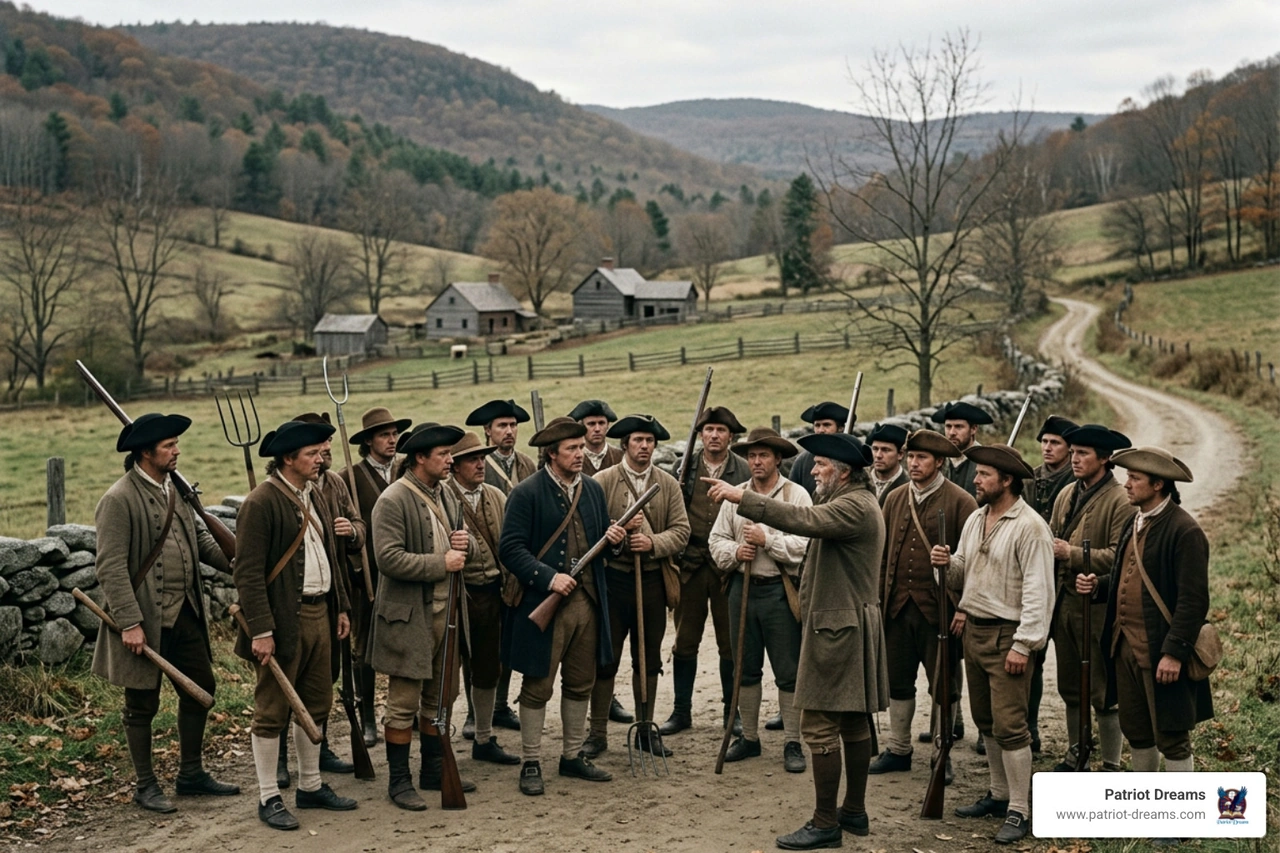
The Ultimate Guide to Finding Family Story Ideas

The Psychological Power and Value of Family Stories
Finding meaningful family story ideas begins right at home. You can uncover rich narratives by exploring everyday keepsakes like handwritten recipe cards and heirloom tools, examining background details in vintage photographs, tracing ancestral road trips or migration routes, and asking relatives targeted, open-ended questions about their daily experiences.
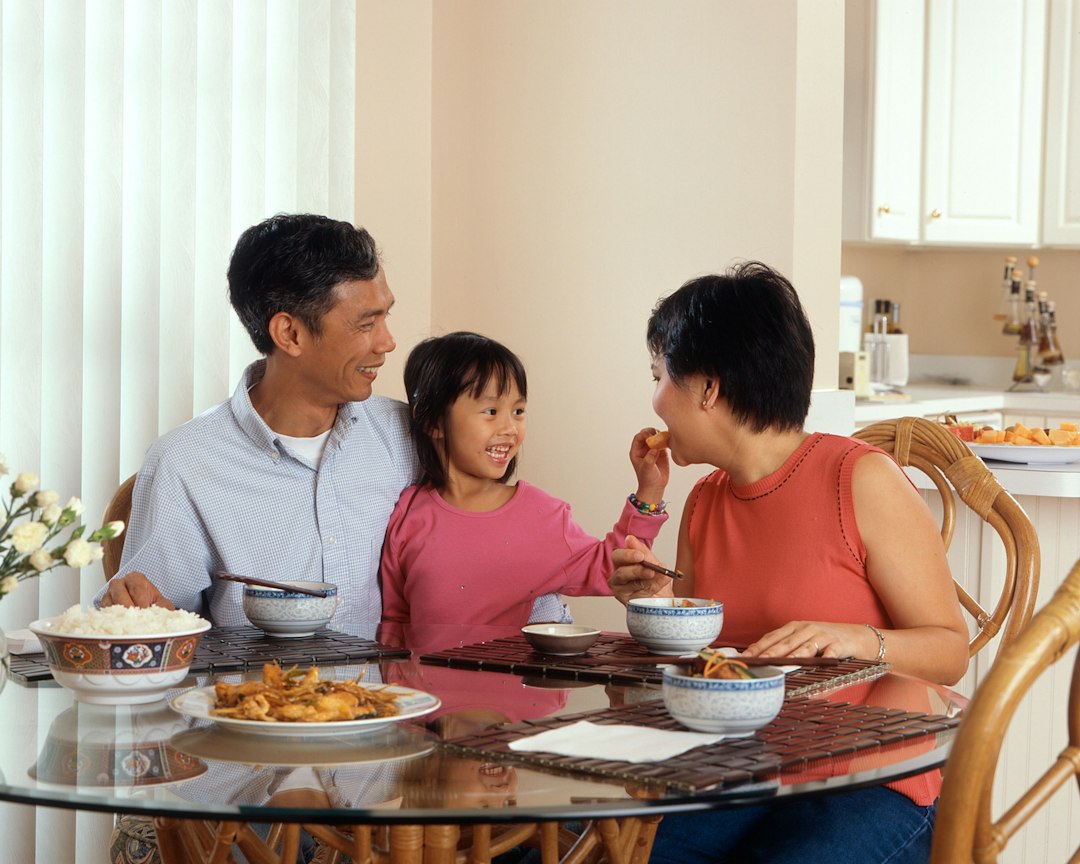
Every family possesses a rich library of lived experiences. When we gather around the kitchen table to talk about where we came from, we offer our children an emotional anchor that tethers them to something strong and enduring. Sharing personal narratives strengthens emotional health and self-esteem. When children hear how their parents met, how a great-grandparent weathered an economic downturn, or how an aunt made a hilarious mistake on her first road trip, they realize they belong to a larger, capable team. For those eager to build a lasting archive of these moments, exploring our Preserving Family Stories Guide is a wonderful place to begin.
The 'Do You Know?' Scale and Emotional Resilience
In the early 2000s, psychologists Dr. Marshall Duke and Dr. Robyn Fivush developed a twenty-question assessment known as the "Do You Know?" scale. The questions measured how much children knew about their family backgrounds—such as where their grandparents grew up, where their parents went to high school, or illnesses and challenges their ancestors faced.
The researchers discovered that a child's knowledge of their family history served as the single best predictor of emotional well-being, self-worth, and family cohesion. When the researchers reassessed these children following the national trauma of September 11, the children who knew the most about their families proved to be significantly more resilient in processing anxiety and coping with uncertainty.
| Metric / Experience | High Knowledge of Family Lore | Low Knowledge of Family Lore |
|---|---|---|
| Self-Esteem & Identity | Strong internal sense of belonging and confidence | More reliant on external peer validation |
| Response to Stress | Contextualizes hardship as a temporary obstacle | Experiences higher anxiety during disruption |
| Family Cohesion | Views extended family as an active support system | Feels isolated from multi-generational heritage |
| Crisis Resilience | High adaptability; draws on ancestral perseverance | Lower emotional reserve during national/personal crises |
Anchoring Identity and Overcoming Hardship Through Generational Narrative
Psychologists categorize family stories into three basic narrative forms: the ascending narrative ("We started with nothing and always climbed higher"), the descending narrative ("We had everything until we lost it all"), and the oscillating narrative ("We worked hard, had great joys, faced hard times, and pulled through together").
The oscillating narrative builds the deepest resilience in children. Knowing that ancestors faced layoffs, illness, or difficult moves—and found ways to adapt through kindness, grit, and unity—teaches children that failure is not fatal. It gives them a moral compass. As explored in A Story for the Making | Plough , a living legacy becomes truly transformative when we actively practice, retell, and embody these generational virtues in our daily lives.

Tangible Prompts to Unlock Forgotten Ancestral Lore
Finding story ideas does not require digging through dusty courthouse basements. Often, the most meaningful family narratives are hidden right in our homes, waiting to be unlocked by physical artifacts and sensory memories.
Discovering Meaningful Family Stories in Heirlooms and Keepsakes
Every home holds everyday artifacts that carry immense emotional weight. A handwritten recipe card with vanilla stains, a pocket knife carried during wartime service, or a well-worn sewing machine holds a doorway into a real life. Preserving these items through Personal Historical Accounts allows future generations to understand the hands and hearts that shaped their world.
To find narrative inspiration through physical objects, ask:
- Handwritten notes and cookbooks: Which meals brought everyone together? Why did Grandma prefer her chocolate chip cookies chewy while someone else wanted them crisp?
- Tools and crafts: What trade or hobby sustained our ancestors? What did that workbench build for the community?
- Clothing and jewelry: Was that watch given for twenty years of dedicated labor, or was that locket worn on an ocean voyage?
Tracing Migration Routes, Old Photographs, and Historical Context
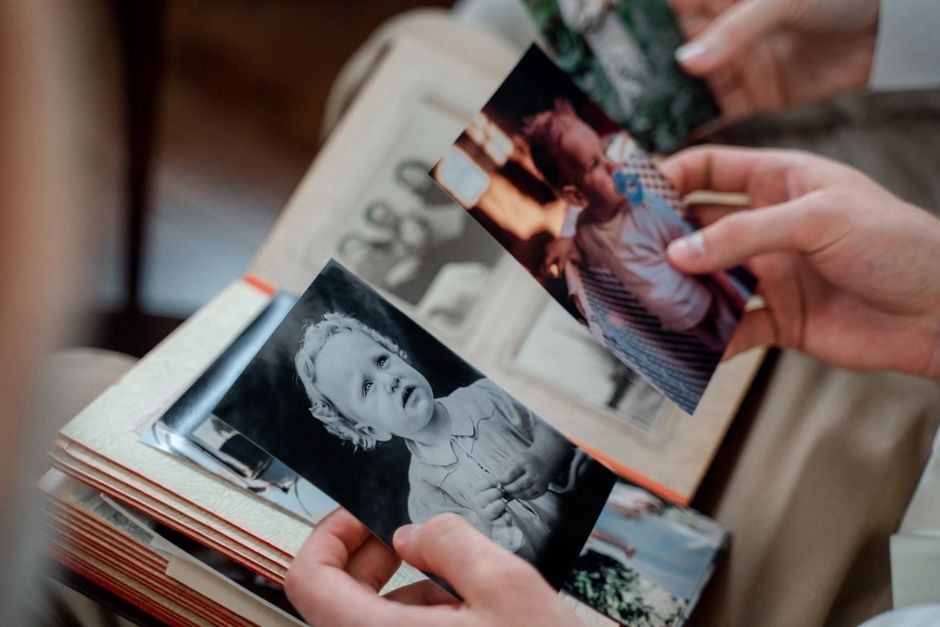
Photographs capture frozen moments, but the backstories breathe life into them. When you hold an old black-and-white picture, look beyond the posed smiles. What car are they standing next to? What town are they visiting?
Tracing migration routes—whether crossing the Atlantic in 1875 or taking a 1958 station wagon road trip across the country—connects micro-level family memories with macro-level historical events. In How one family keeps ancestors’ memories alive after generations – Church News , living descendants show how simple reunion gatherings and photo sharing can keep the adventures of early pioneers and everyday heroes vibrant for hundreds of relatives.
Practical Methods for Recording and Preserving Living Memories
Preserving family narratives should never feel like a chore. The secret is capturing stories naturally during normal routines, rather than waiting for a formal occasion that might never come.
Creative Ways to Share Family Stories Across Generations
Children love play, discovery, and active participation. Turning family history into interactive activities sparks genuine curiosity across generations:
- Reunion Scavenger Hunts: Create a clue sheet based on relatives' past experiences (e.g., "Find the uncle who built his own diving helmet" or "Find the cousin born in another state").
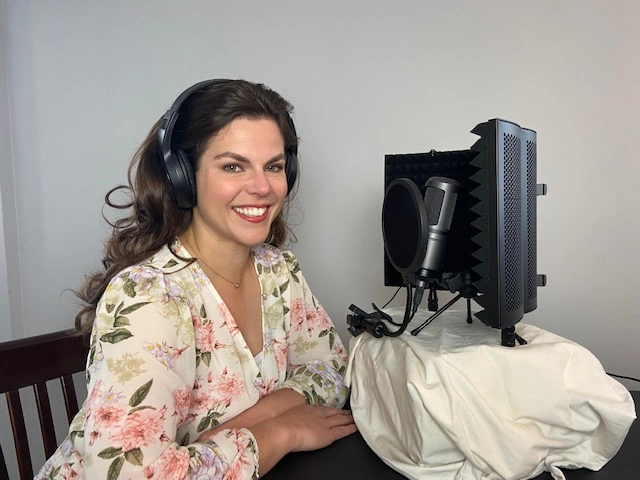
- Open-Mic Story Hours: Set up a comfortable chair and an audio recorder at a family gathering, inviting grandparents and aunts to share a favorite 5-minute memory.
- Family Recipe Cook-Alongs: Teach children traditional holiday dishes while explaining where the ingredients and cooking styles originated.
- Photo Guessing Games: Show vintage childhood photographs of living grandparents and let grandchildren guess who is who.
When you sit down to Record Family Stories, prioritize the unscripted laughter and spontaneous banter that naturally emerge during these shared activities.
Capturing Oral Histories and Audio Testimonies
While written memoirs are wonderful, there is an irreplaceable warmth in hearing a loved one's actual voice—the cadence of their speech, their laughter, and their pauses.
Preserving stories like A Father's Legacy Your Life Story in Your Own Words offers an invaluable gift to children who will one day treasure those spoken memories. Using an accessible Digital Storytelling Platform helps ensure those recordings remain safely preserved and easy to revisit whenever your family wants to listen together.
Overcoming Barriers to Keep Generational Heritage Alive
Modern life moves quickly. Families are often spread across different states, and busy schedules can make intentional storytelling feel difficult. However, gentle consistency and thoughtful tools make Family History Preservation achievable for every household.

Engaging Reluctant Relatives and Bridging Physical Distance
Sometimes older relatives hesitate to share, saying, "My life was ordinary; nobody wants to hear about me." The key is avoiding broad, overwhelming questions like "Tell me your life story." Instead, ask targeted, bite-sized questions:
- "What was the very first car you ever drove?"
- "What was your favorite song when you were sixteen?"
- "What chore did you dislike the most growing up on the farm?"
If your relatives live across the country, use short phone calls, voice memos, or video chats to ask one simple question each week. Over a year, you will have gathered over fifty rich, irreplaceable snapshots of their life.
Embracing Blended, Adoptive, and Evolving Family Dynamics
Every family tree grows its own unique branches. Blended families, adoptive households, and multigenerational homes offer deep, beautiful opportunities for storytelling.
Inclusive family storytelling focuses on shared values, everyday kindness, and chosen bonds. Welcome stories from every branch of the family without forcing comparisons. When children see their heritage reflected in love, loyalty, and mutual support, their sense of belonging flourishes.
Frequently Asked Questions About Family Storytelling
What is the 'Do You Know?' scale in child psychology?
Developed by researchers at Emory University, the 'Do You Know?' scale consists of twenty simple questions assessing how much children know about their parents' and grandparents' backgrounds. Children who score high on this scale demonstrate greater emotional resilience, higher self-esteem, and stronger coping skills during challenging times.
How can families start recording oral history with zero technical experience?
You do not need expensive studio equipment. Simply open the built-in voice recorder app on your smartphone, place the phone on a soft surface (like a tablecloth) between you and your relative, and ask one open-ended question. Keep sessions short—about fifteen to twenty minutes—so the conversation stays relaxed and energizing.
What are the best questions to ask aging relatives about their lives?
Focus on sensory, experiential moments rather than just dates:
- What did your childhood kitchen smell like on Sunday mornings?
- How did you and your spouse meet, and what was your first date?
- What was the hardest decision you had to make as a young adult, and how did you navigate it?
- What advice would you give your twenty-year-old self?
Conclusion
Our family narratives are the invisible threads that weave past, present, and future generations together. When we take the time to preserve family history, we are doing far more than recording names on a page—we are building a shelter of love, identity, and strength for our children and grandchildren.
At Patriot Dreams, our mission is to help you celebrate and preserve these precious legacies through audio storytelling, connecting your family's unique journey with the wider American story. We invite you to sit down with someone you love today, ask a simple question, and begin discovering the timeless stories waiting to be shared.

Join the Patriot Dreams Community
Download the app today and start your journey through American history and personal legacy.

Explore Our Latest Insights
Dive into stories that shape our American legacy.