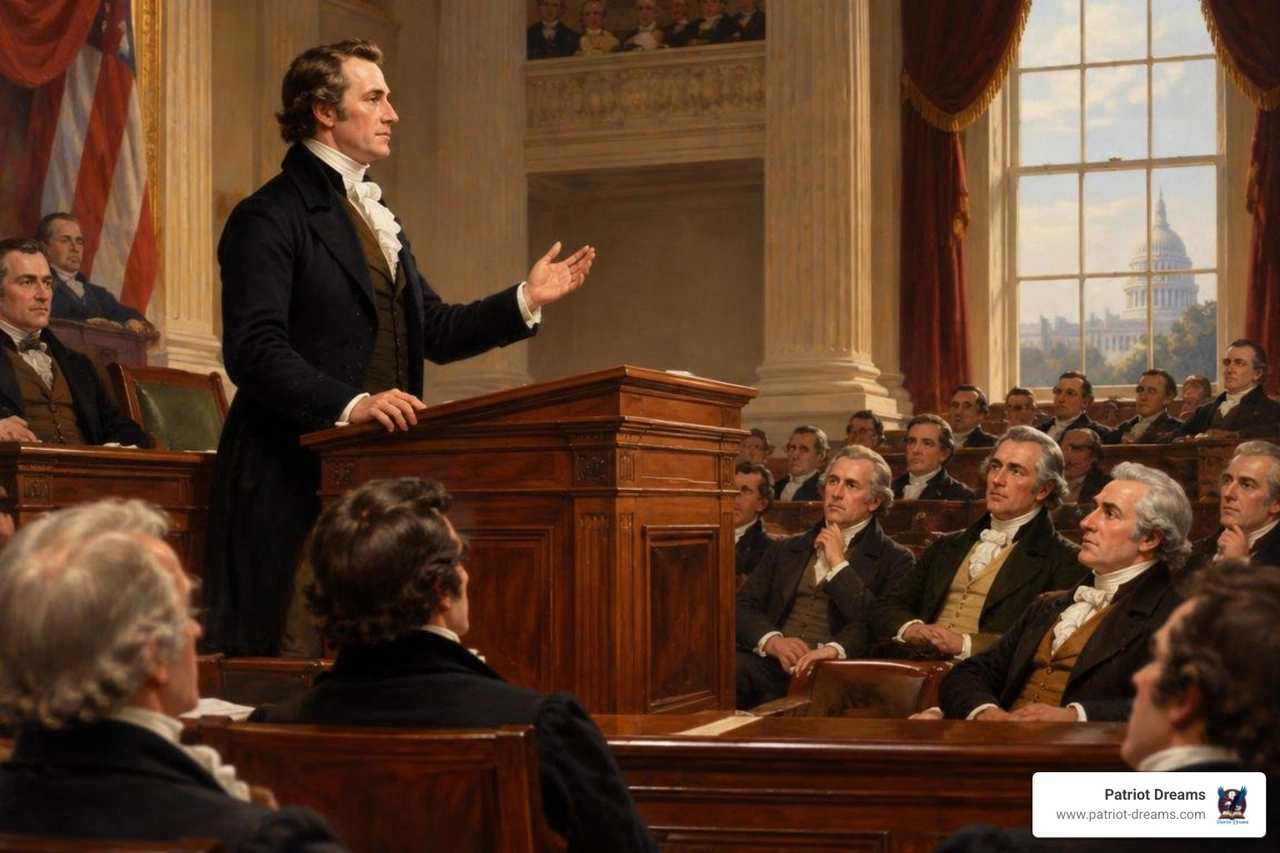
America's Soul: The Enduring Message of a Patriot's Dream

When a Poem Became a Prayer
Oh beautiful for patriot dream is the opening line of the fourth and final stanza of "America the Beautiful," one of America's most beloved patriotic songs. This powerful verse serves as a hopeful vision for the nation's future.
Quick Answer: Understanding "Oh Beautiful for Patriot Dream"
- What it is: The opening of the fourth stanza of "America the Beautiful"
- Who wrote it: Katharine Lee Bates, inspired by her 1893 visit to Pikes Peak, Colorado
- What it means: A vision of America's future—cities gleaming "undimmed by human tears," crowned with brotherhood
- The full stanza: "O beautiful for patriot dream / That sees beyond the years / Thine alabaster cities gleam / Undimmed by human tears! / America! America! / God shed His grace on thee / And crown thy good with brotherhood / From sea to shining sea"
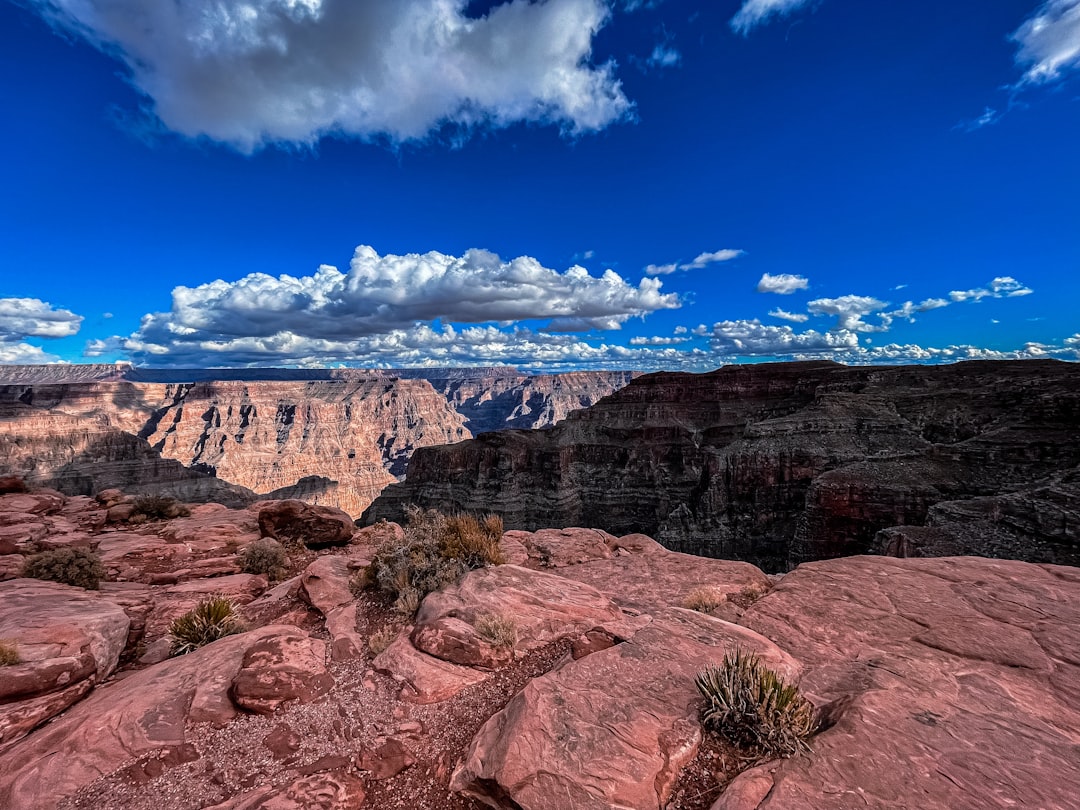
In the summer of 1893, a young English professor named Katharine Lee Bates stood atop Pikes Peak in Colorado. The view took her breath away—a "sea-like expanse" of fertile land stretching in every direction. That moment of awe would give birth to a poem that became a national hymn.
But Bates didn't just write about what she saw. She wrote about what she hoped. She wrote about what we could become.
The fourth stanza—the one beginning with "oh beautiful for patriot dream"—is where her vision soars highest. It's not about mountains or grain fields anymore. It's about the future. It's about us.
This isn't just a song about America's beauty. It's a gentle prayer for America's soul. And in a world that often feels divided, that prayer might be exactly what we need to hear.
Handy oh beautiful for patriot dream terms:
- The First Baseball Game Ever Played — and Why It Still Defines the American Spirit
- The First Drive-In Movie Theater: When America Fell in Love with the Big Screen Under the Stars
A View from a Mountaintop: The Birth of a Poem
To truly understand the profound message embedded in oh beautiful for patriot dream, we must first journey back to its origins. Our story begins not with a grand declaration, but with a quiet moment of inspiration experienced by a remarkable woman, Katharine Lee Bates.

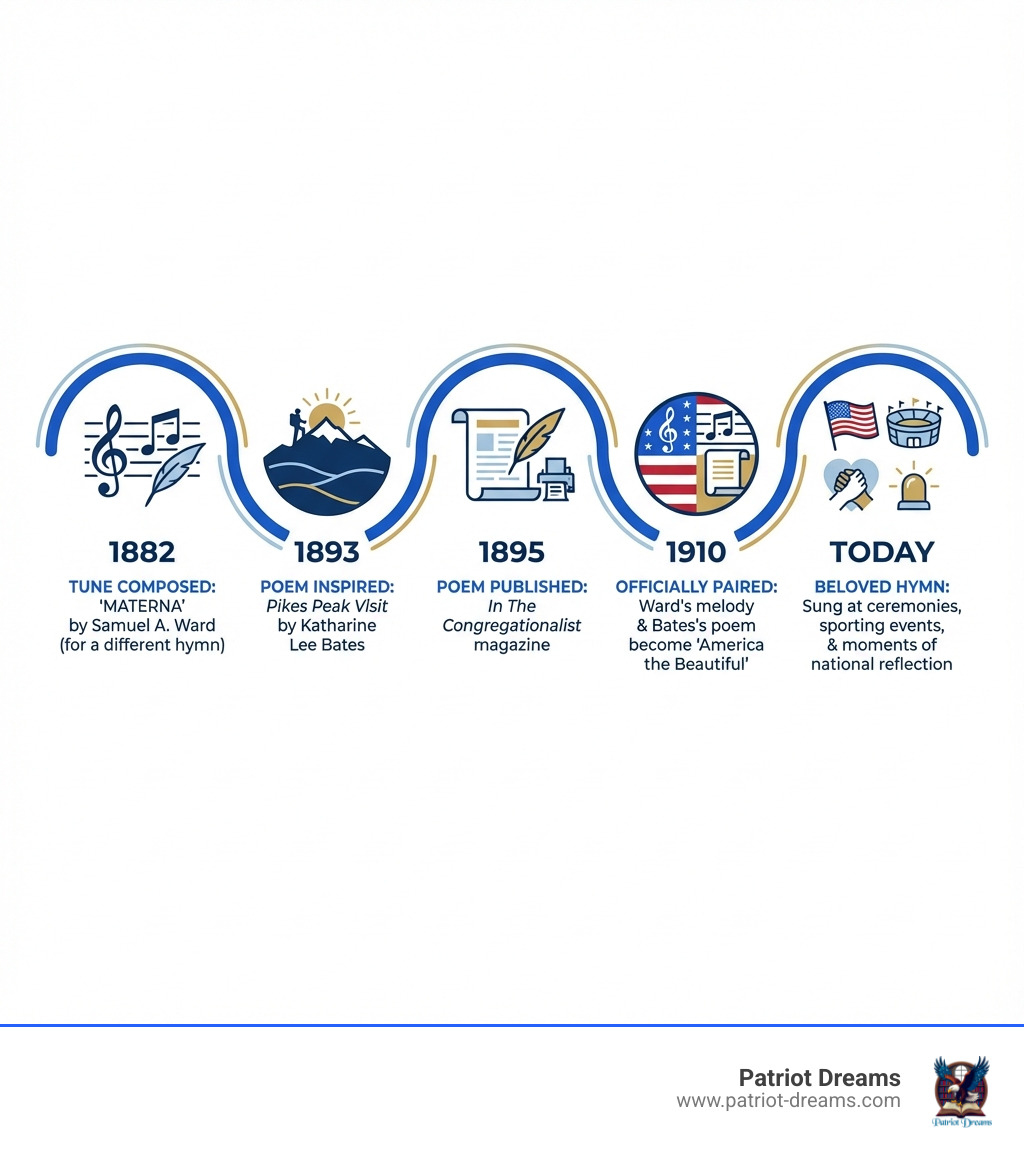
In 1893, Katharine Lee Bates, an English professor from Wellesley College, started on a journey that would forever change the landscape of American patriotic music. Her travels took her across the country, showcasing the vast and diverse beauty of our nation. She visited the busy World's Columbian Exposition in Chicago, witnessed the seemingly endless wheat fields of Kansas, and eventually found herself in the majestic Colorado Springs. It was here, during a wagon trip up the imposing Pikes Peak, that the seeds of "America the Beautiful" were sown.
We can imagine her, a woman of intellect and keen observation, gazing out from that 14,000-foot summit. The panorama that unfolded before her eyes was breathtaking: "purple mountain majesties" reaching towards the sky, and below, a "sea-like expanse of fertile country" – the "fruited plain" – stretching as far as the eye could see. This awe-inspiring view, coupled with the vibrant mix of American life she had witnessed on her journey, sparked a profound emotional and spiritual response within her. As Lynn Sherr beautifully elaborates in her discussions, this experience was not merely scenic; it was a moment of deep connection to the spirit of the land itself. You can learn more about these fascinating insights by exploring historical discussions like the Discussion with Sherr on America the Beautiful.
The Spark of Inspiration
The moment Bates stood atop Pikes Peak was more than just a tourist's delight; it was a profound encounter with the soul of America. She later recounted the "sea-like expanse of fertile country" and the "ample skies" that enveloped her. This feeling of awe, of being connected to something immense and ancient, tapped into a deep well of American idealism. It was a recognition of the nation's natural gifts, yes, but also a contemplation of the sacrifices made to settle such a land. These are the kinds of stories that remind us of the spirit of our ancestors, much like the tales we share about American Pioneer Stories.
This inspiration wasn't just about the physical grandeur; it was about the potential, the promise, and the responsibility that came with such a blessed land. It was this initial spark that illuminated the path for a poem that would articulate a vision for America, blending its physical beauty with its spiritual aspirations.
A Poem's Journey to the People
Bates's poem, initially titled "Pikes Peak," was first published in a church periodical, The Congregationalist, in 1895. It immediately resonated with the public, capturing the hearts of many. However, it was not until 1910 that the poem found its perfect musical counterpart. Samuel A. Ward, a Newark organist and choirmaster, had composed a melody called "Materna" in 1882 for a different hymn, "O Mother Dear, Jerusalem." It was a happy accident, or perhaps a stroke of fate, that Ward's soaring, majestic tune was eventually paired with Bates's evocative lyrics. This combination created the powerful anthem we know today as "America the Beautiful."
The song quickly became a staple in American life, finding its way into hymnals and public gatherings. It demonstrated how music could lift and amplify a message, changing a beautiful poem into a communal expression of national sentiment. This journey from poem to beloved song highlights the enduring power of Americana music, a genre that continues to surge in popularity as we explore its roots, revival, and relevance, much like we discuss in Why Americana Music Keeps Surging: A Look at Roots, Revival, and Relevance.
From Landscape to Legacy: The Song's Four Prayers
"America the Beautiful" is often described as a national prayer, and for good reason. Each stanza, building upon the last, moves beyond mere description of the American landscape to a deeper plea for moral and spiritual strength. It’s a beautiful example of how our American Cultural History is woven with threads of faith and aspiration. The song beautifully connects the physical grandeur of our nation with its spiritual and moral aspirations, echoing our collective hope for a better tomorrow.
Stanza 1: A Prayer for Gratitude
The song opens with a magnificent ode to America's natural splendor: "O beautiful for spacious skies, For amber waves of grain, For purple mountain majesties Above the fruited plain!" This first stanza is a heartfelt prayer of gratitude for the abundance and breathtaking beauty of our land. It reminds us of the sheer generosity of nature, a gift we are so fortunate to cherish. It's a feeling akin to the thankfulness expressed during moments like The First Thanksgiving Day Parade: When America Celebrated in Pageantry and Unity. It acknowledges that this land of plenty is truly a blessing, a foundation upon which our dreams are built.
Stanza 2: A Prayer for Guidance
Moving from natural beauty, the second stanza digs into our history: "O beautiful for pilgrim feet, Whose stern, impassioned stress A thoroughfare for freedom beat Across the wilderness!" Here, Bates acknowledges the arduous journey of those who came before us, who bravely forged a "thoroughfare for freedom" through an untamed wilderness. It's a prayer for guidance, remembering the courage and determination required to lay the groundwork for our nation. This stanza speaks to the pioneering spirit that shaped America, a theme we often explore when we discuss The Frontier Myth Today: What the Old West Tells Us About Modern America. It’s a gentle reminder that our freedom was hard-won, and its preservation requires continuous effort and wisdom.
Stanza 3: A Prayer for Heroes
The third stanza continues this historical reflection, honoring those who sacrificed for liberty: "O beautiful for heroes proved In liberating strife, Who more than self their country loved, And mercy more than life!" This is a solemn prayer, recognizing the "heroes proved" who demonstrated profound self-sacrifice and courage. It calls to mind the countless individuals who have defended our nation, often at great personal cost, embodying the highest ideals of service and compassion. We remember their bravery and dedication, much like we honor our Revolutionary War Heroes. It's a prayer that we might never forget their sacrifices and always strive to live up to the nobleness they exemplified.
O beautiful for patriot dream: A Vision for Tomorrow
After celebrating our land, our past, and our heroes, the song reaches its most aspirational peak with the final stanza, beginning with oh beautiful for patriot dream. This is where Katharine Lee Bates casts her gaze not backward, but forward, offering a powerful vision of hope, progress, and idealism for America's future. It serves as a concluding statement, a heartfelt prayer for the nation's journey ahead.

This final stanza holds a special place in our hearts because it articulates the broader American aspirations—the yearning for a society that continually strives for betterment. It connects the physical beauty and historical struggles of the preceding stanzas to a profound moral and spiritual quest. It’s a gentle hand reaching out, reminding us of the enduring promise of America.
What is the "patriot dream" in oh beautiful for patriot dream?
The "patriot dream" is not a dream of conquest or material wealth, but a vision of a perfected nation, one that "sees beyond the years." It is a forward-looking hope, an aspiration for a national purpose rooted in justice, compassion, and unity. It’s the kind of dream that resonates deeply within us, a collective yearning for a better tomorrow for all. This dream emphasizes that true patriotism involves not just pride in our past, but a commitment to shaping a more ideal future. It’s a core component of Why the American Dream Still Resonates: A Cultural Deep Dive. It invites us to imagine an America where our highest ideals are fully realized, where the promise of liberty and justice for all shines brightly.
The Meaning of "Alabaster Cities Gleam, Undimmed by Human Tears"
Perhaps the most striking imagery in this stanza is "Thine alabaster cities gleam, Undimmed by human tears!" This phrase paints a picture of a utopian vision, an ideal American future. "Alabaster cities" suggest purity, beauty, and grandeur, perhaps even echoing the "White City" of the World's Columbian Exposition that Bates visited, a symbol of progress and architectural marvel. But the crucial addition is "undimmed by human tears." This isn't just about beautiful buildings; it's about a society free from suffering, injustice, and sorrow. It’s a vision of peace and prosperity that transcends mere material success, aiming for a deeper, more humane existence.
Of course, we know that the realities of American history and society have often been marked by tears—by struggles, conflicts, and inequalities. This contrast highlights the aspirational nature of the dream. It’s not a description of what is, but a prayer for what could be. It serves as a constant reminder, a gentle nudge, for us to work towards that ideal. It speaks to the transformative power of industry and innovation, much like the themes explored in The Industrial Ages in Hollywood: How Movies Portray America's Manufacturing Boom. The dream calls us to build a future where our progress is truly for everyone, where the gleam of our cities is not overshadowed by the shadows of human hardship.
A Prayer for a Better Self: The Role of Faith and Brotherhood
The final lines of the song complete this powerful prayer: "America! America! God shed His grace on thee And crown thy good with brotherhood From sea to shining sea." Here, faith and divine grace play a central role. Bates prays for God to "mend thine every flaw," acknowledging that even an ideal nation has imperfections that need divine guidance and human effort to overcome. The call for "self-control" and "liberty in law" speaks to the moral character required of a truly great nation—a nation where freedom is balanced with responsibility, and individual liberties are upheld within a just legal framework.
The prayer culminates in "brotherhood from sea to shining sea." This vision of unity and mutual respect is the ultimate aspiration of the "patriot dream." It suggests that America's true greatness lies not just in its power or prosperity, but in its ability to foster a sense of shared humanity and collective well-being among all its people.
The song's message of an "undimmed" future stands as a guide, guiding us to acknowledge the complexities of our past while holding onto the hope for a more perfect union. It encourages us to strive for a future where the dream of justice and kindness for all is not just a dream, but a living reality.
From a Poem to a People's Hymn: The Song's Enduring Journey
The enduring power of "America the Beautiful" lies in its ability to transcend its origins as a poem and become a true people's hymn. It is one of the most popular of America's patriotic songs, so much so that there have even been efforts to give it legal status as a national hymn or anthem. While "The Star-Spangled Banner" holds that official title, "America the Beautiful" often feels like our unofficial national anthem, a song that speaks to the heart of national unity and shared aspirations. Its melodies and messages resonate across generations, much like the timeless tunes we discuss in Echoes of the Past: How 20th Century America Lives On in Today's Hit Songs.
A Song for All Americans
The interpretation and reception of "America the Beautiful" have indeed evolved over time, yet its core message remains universally appealing. It's a song that brings us together at countless moments of national reflection. We hear it sung at sporting events, from the Super Bowl to the Indianapolis 500, and it has graced presidential inaugurations, conventions, and other significant national gatherings.
One particularly poignant example of its power occurred in the aftermath of the September 11th attacks, when news anchor Dan Rather, overcome with emotion, quoted its lyrics. In moments of great joy or profound sorrow, the song provides a unifying voice, a shared melody that reminds us of our collective strength and resilience. It's a testament to its profound cultural impact that it is preserved and celebrated in institutions like the Library of Congress, where you can find recordings and historical context for "America the Beautiful" at the Library of Congress.
Its ability to unite us across different backgrounds and beliefs is a true testament to the gentle yet powerful spirit of the "patriot dream."
The Dream in Our Own Time
Even today, "America the Beautiful" continues to find new resonance and interpretations. In 2014, the Coca-Cola Company aired a memorable Super Bowl ad featuring the song sung in multiple languages, celebrating the diversity and inclusion that are also integral to the American ideal. While it sparked some discussion, its intent was to highlight the beautiful mix of voices and cultures that make up our nation.
This kind of modern usage demonstrates the song's continued relevance and its capacity to adapt to contemporary conversations about what it means to be American. The "patriot dream" it articulates remains a powerful reminder of our shared ideals, a vision that inspires us to continually work towards a more perfect union, much in the spirit of other great American aspirations, such as those embodied by Martin Luther King Jr: The Dream, The Struggle, The Legacy. It’s a melody that calls us to remember our common ground and to strive for a future where kindness and understanding prevail.
Frequently Asked Questions about "oh beautiful for patriot dream"
Who wrote "O beautiful for patriot dream"?
The line "O beautiful for patriot dream" is from the fourth stanza of the poem "America the Beautiful," written by Katharine Lee Bates. She was inspired during a trip to Pikes Peak, Colorado, in 1893, where the majestic landscape and the spirit of the nation deeply moved her.
What does "alabaster cities gleam" mean?
This imagery paints a picture of a perfect, beautiful, and peaceful future for America. "Alabaster" suggests purity, whiteness, and a luminous quality, evoking cities that are clean, bright, and noble. The phrase implies a society free from the pain and sorrow ("undimmed by human tears") that often accompany progress and conflict. It's a utopian vision, an ideal to strive for.
Why is "America the Beautiful" so beloved?
The song is cherished for its beautiful, singable melody (Samuel A. Ward's "Materna"), its celebration of the nation's stunning natural landscapes, and its hopeful, prayerful tone. Unlike some other patriotic songs, it focuses less on military triumphs and more on the moral and spiritual aspirations of the nation. It calls for gratitude, guidance, a recognition of sacrifice, and a commitment to brotherhood and justice, resonating deeply with fundamental American ideals of unity, kindness, and striving for a better future.
Conclusion
The phrase oh beautiful for patriot dream encapsulates more than just a line in a song; it embodies a profound hope, a gentle aspiration for our nation. It reminds us that America is not just a place of majestic mountains and amber waves of grain, but a continuous journey towards a more perfect union. It's a dream of kindness, community, and brotherhood, where our cities gleam, not just with steel and glass, but with compassion and justice, "undimmed by human tears."
Here at Patriot Dreams, we believe in the power of stories – the grand narratives of our nation and the quiet, personal stories that make up our shared heritage. The "patriot dream" reminds us that America is not just a place, but a promise we all share—a promise of a future crowned with good and brotherhood, from sea to shining sea. Let's keep telling the stories that build that future, stories of resilience, innovation, and unity. We invite you to Explore and preserve your own American story with us, because every voice contributes to the beautiful, ongoing symphony of the American dream.

Join the Patriot Dreams Community
Download the app today and start your journey through American history and personal legacy.

Explore Our Latest Insights
Dive into stories that shape our American legacy.