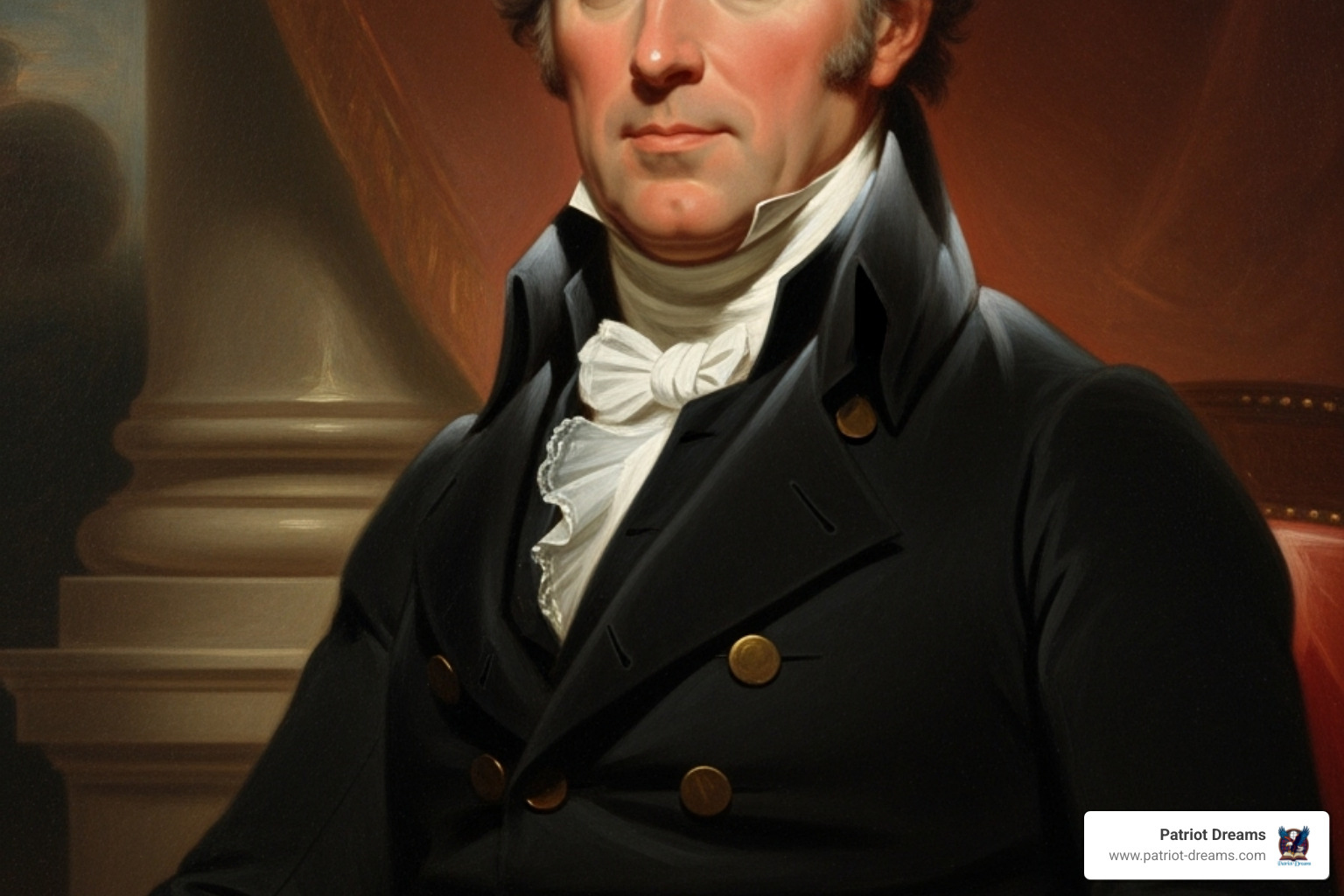
Explore the Bold 1776 Motion Known as the Richard Henry Lee Resolution

Why the Richard Henry Lee Resolution Matters
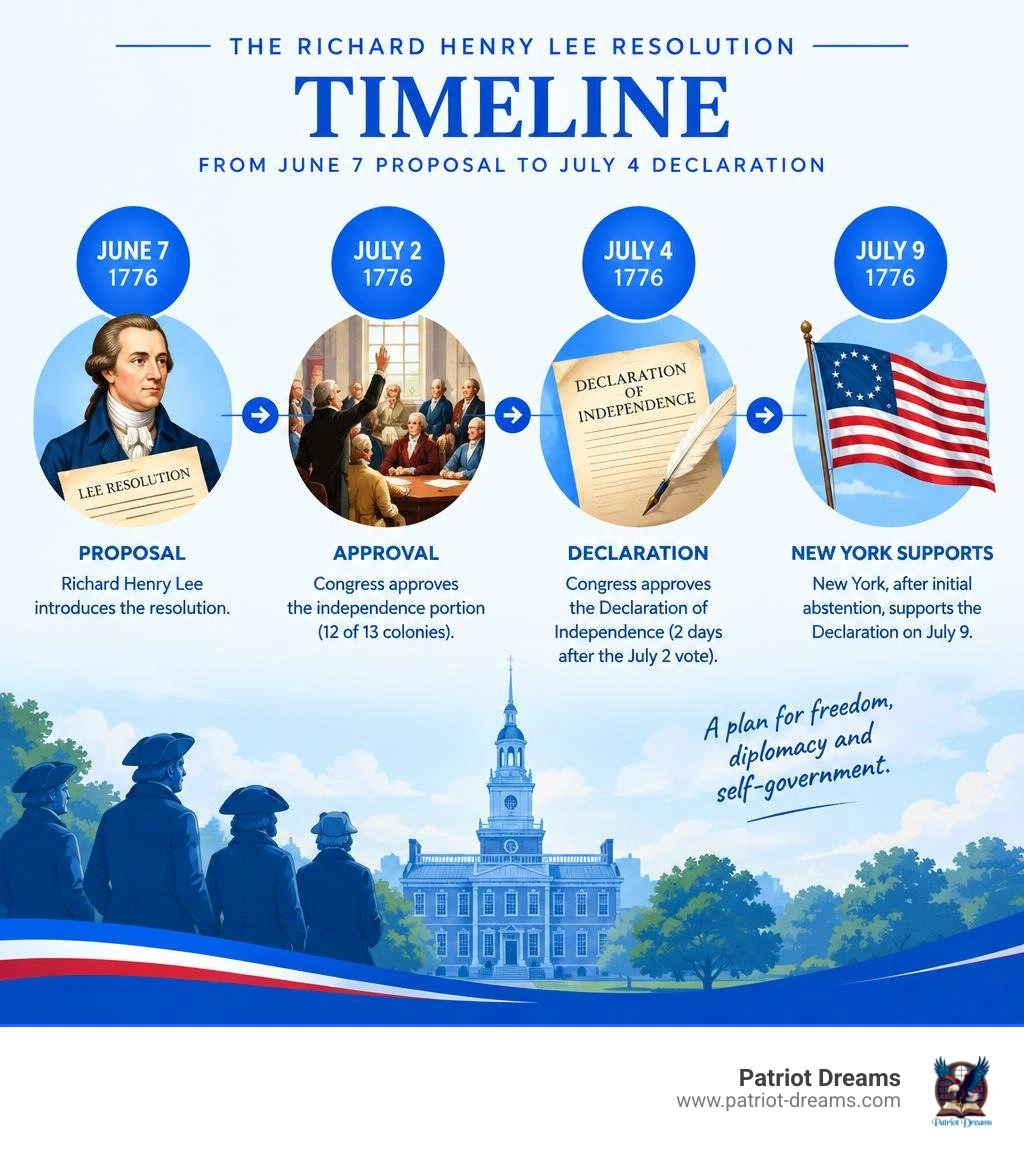
The Richard Henry Lee Resolution was the Second Continental Congress's formal decision to break political ties with Great Britain. Introduced by Virginia delegate Richard Henry Lee on June 7, 1776, it called for three essential actions:
- Declare the colonies free and independent states.
- Seek foreign alliances.
- Create a plan for a confederation among the states.
Congress approved the independence portion on July 2, 1776, with 12 of the 13 colonies voting yes. New York abstained while awaiting instructions, then supported the Declaration of Independence on July 9. Two days after the July 2 vote, Congress approved the Declaration of Independence, giving the new nation's decision a lasting public voice.
Lee's motion matters because it was more than a bold statement. It was a practical plan for independence, diplomacy, and self-government at a moment when the colonies needed all three.
We are Kyle & Emily, and we'll walk with you through the people, choices, and careful steps behind this defining moment in American history.
Simple richard henry lee resolution word guide:
- Declaration Signers
- how many delegates signed the declaration of independence
- list the signers of the declaration of independence
Origins and the Road to June 7, 1776
The journey toward American independence was not an overnight leap. It was a thoughtful, steady progression shaped by community conversations, shared hardships, and deep reflection across thirteen distinct colonies. Throughout early 1776, neighbors gathered in town squares, taverns, and local meeting houses to talk about their future.
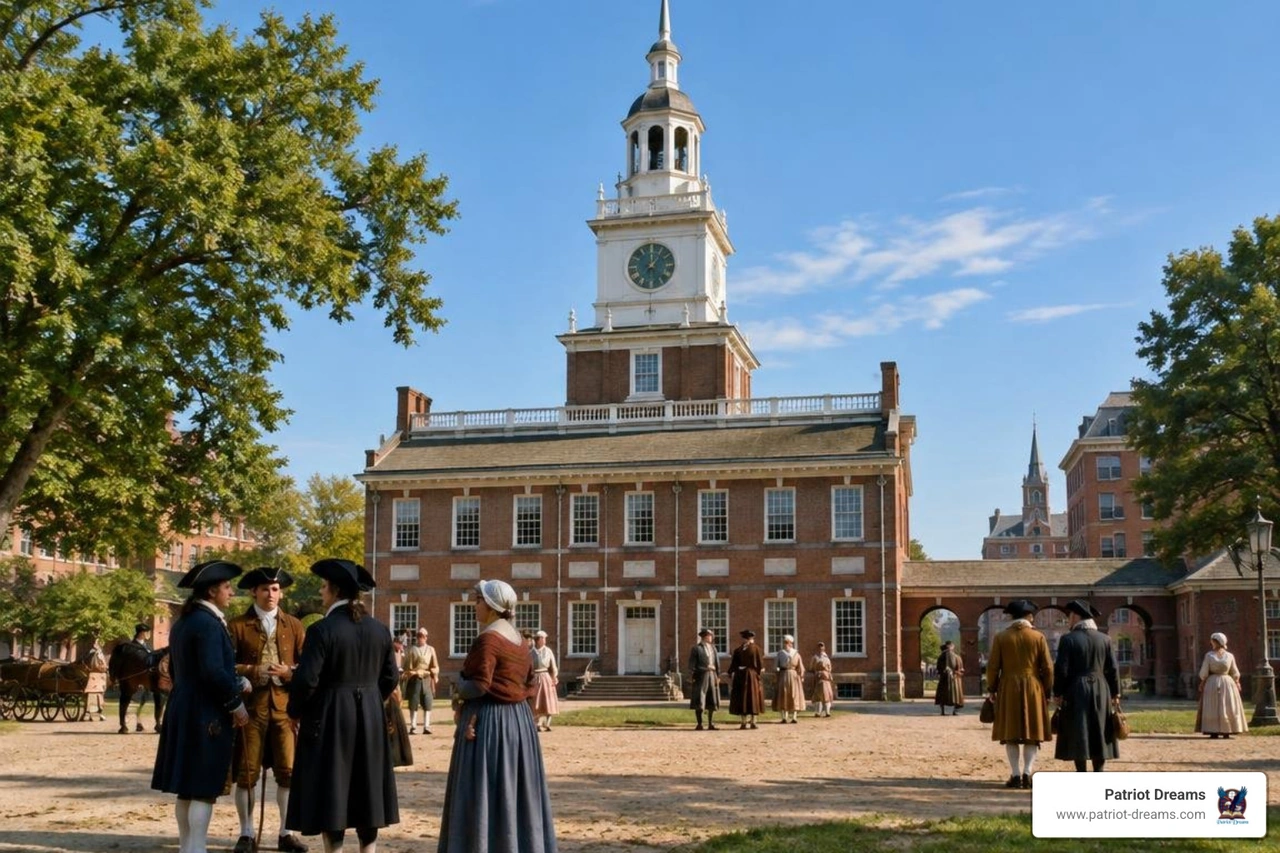
By the time the Second Continental Congress gathered in Philadelphia, colonial grievances had mounted significantly. The passage of the British Prohibitory Act—which placed American trade under an embargo and treated colonial ships as enemy vessels—signaled that reconciliation was growing increasingly remote. At the same time, Thomas Paine’s stirring pamphlet Common Sense made its way into family parlors, inspiring everyday people to imagine a nation built on self-governance, mutual respect, and shared responsibility.
Virginia's Instructions and the Adams-Lee Coalition
In May 1776, the Virginia Convention met in Williamsburg. Led by figures like Edmund Pendleton, the convention passed a unanimous resolution directing its delegates in Philadelphia to propose that the United Colonies declare independence.
When Virginia's instructions reached Philadelphia, Richard Henry Lee partnered closely with John Adams of Massachusetts. Often referred to as the "Adams-Lee Junto," this coalition brought Northern and Southern colonies together in a spirit of shared purpose. Working alongside other influential Founding Fathers, they believed that taking such a monumental step required patience, unity, and a clear legal framework.
Routine Congressional Business and a Revolutionary Motion
Friday, June 7, 1776, began like many ordinary legislative mornings. The delegates gathered at 10:00 AM inside the humid assembly chamber to handle practical matters of the day. They reviewed naval claims regarding Commodore Esek Hopkins and cargo from the seized sloop Endeavour, ordered an inquiry into defective gunpowder produced at Oswald Eve's mill, and addressed a counterfeiting ring involving Elizabeth and Henry Vandine in Morris County, New Jersey.
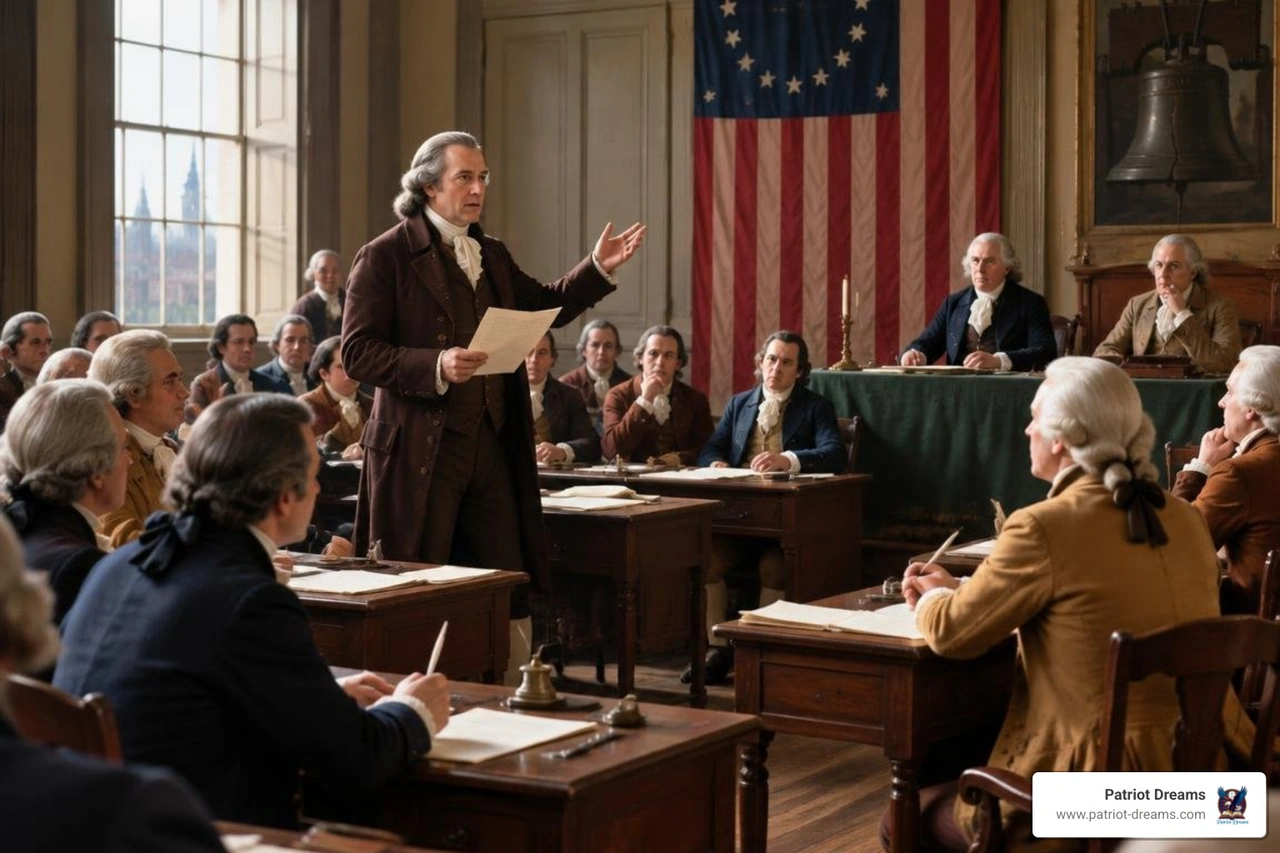
Right in the middle of these everyday community affairs, Richard Henry Lee stood up. As recorded in the Journals of the Continental Congress records, Lee read aloud the instruction from Virginia, formally placing the question of total separation before the assembly. John Adams immediately rose to second the motion.
The Three Core Pillars of the Richard Henry Lee Resolution
The resolution was not just a single sentence; it was a comprehensive tripartite blueprint designed to establish a functioning, sovereign nation.
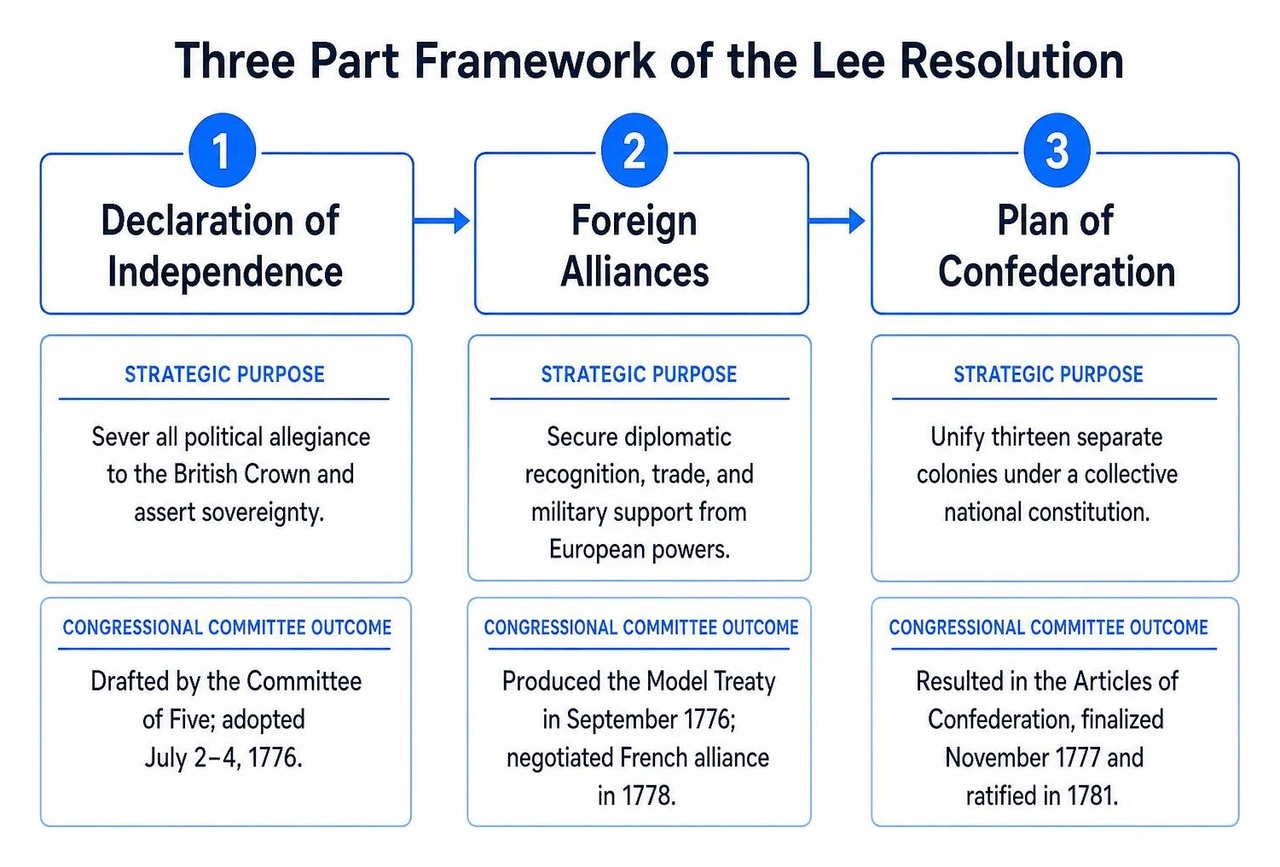
| Resolution Pillar | Strategic Purpose | Congressional Committee Outcome |
|---|---|---|
| 1. Declaration of Independence | Sever all political allegiance to the British Crown and assert sovereignty. | Drafted by the Committee of Five; adopted July 2–4, 1776. |
| 2. Foreign Alliances | Secure diplomatic recognition, trade, and military support from European powers. | Produced the Model Treaty in September 1776; negotiated French alliance in 1778. |
| 3. Plan of Confederation | Unify thirteen separate colonies under a collective national constitution. | Resulted in the Articles of Confederation, finalized November 1777 and ratified in 1781. |
Declaring Complete Independence from the British Crown
The first part of the resolution boldly declared:
"Resolved, That these United Colonies are, and of right ought to be, free and independent States, that they are absolved from all allegiance to the British Crown, and that all political connection between them and the State of Great Britain is, and ought to be, totally dissolved."
This clear language asserted that the colonies were ready to stand together as self-governing equals on the world stage.
Securing Essential Foreign Treaties and Alliances
The second pillar called for measures to form foreign alliances. The delegates knew that to protect their communities, they needed friendly relations and trade agreements with European nations like France and Spain. This motion led directly to the Model Treaty, preserved within historical legislative records from the US House, establishing principles of peaceful international trade and diplomatic cooperation.
Formulating a Plan for Intercolonial Confederation
The third component proposed preparing a plan of confederation to be transmitted to the respective colonies for their consideration. Chaired by John Dickinson, this committee worked diligently to bind thirteen separate colonies into a unified confederation. Their efforts culminated in the Articles of Confederation, ensuring that local self-determination was balanced with collective national defense.
The Legislative Journey and Vote for Independence
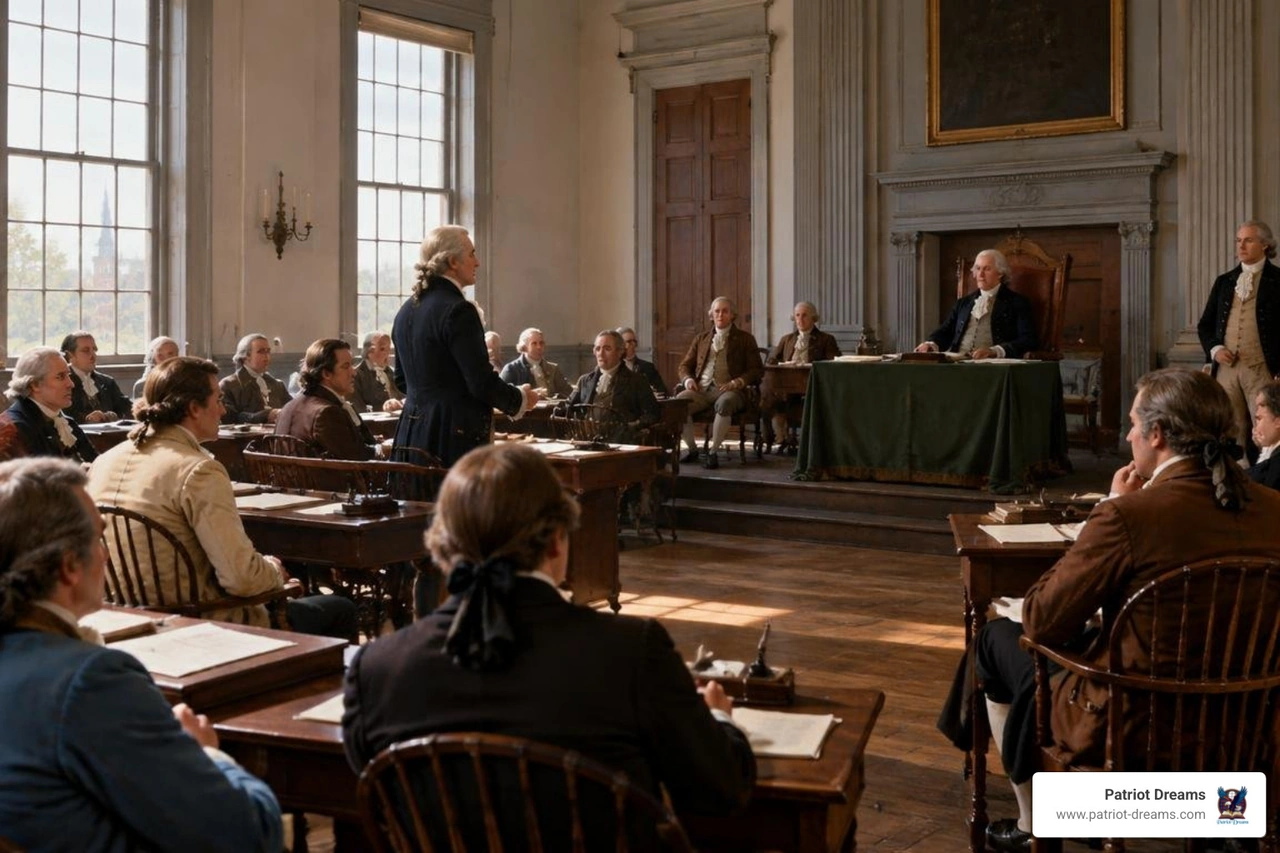
Even with rising enthusiasm, several delegations were not yet authorized by their local assemblies to vote for a complete break. To maintain harmony, Congress voted to postpone the debate on Lee's first resolution for three weeks, giving delegates time to consult their neighbors and assemblies back home.
Congressional Debates Surrounding the Richard Henry Lee Resolution
During the recess, thoughtful discussions continued. Respected leaders like John Dickinson urged caution, wanting to ensure that a framework for confederation was firmly in place before declaring independence. South Carolina’s Edward Rutledge also asked for time to ensure his colony stood fully behind the choice.
When debate resumed on July 1, the Delaware delegation was split. In an act of quiet determination, Caesar Rodney rode eighty miles through a stormy night on horseback to arrive at the Pennsylvania State House just in time on July 2, casting Delaware's tie-breaking vote in favor of unity. Meanwhile, moderate delegates in Pennsylvania stepped aside, and South Carolina shifted its position to support the measure.
The Historic July 2, 1776 Approval
On July 2, 1776, Congress officially voted to adopt the resolution for independence. Twelve colonies voted in favor, with New York abstaining while waiting for its newly elected provincial congress to meet. One week later, on July 9, New York's convention at White Plains formally endorsed the decision.
To explore the details of how the delegates finalized and signed the official parchment, read our guide on how delegates voted and signed the parchment.
The Lasting Legacy of Richard Henry Lee and His Historic Motion
The adoption of the resolution served as the legal birth of the United States, providing the foundation for modern American constitutional statecraft and democratic self-governance.
How the Richard Henry Lee Resolution Shaped the Declaration of Independence
While Congress had postponed the vote in June, it appointed the Committee of Five—Thomas Jefferson, John Adams, Benjamin Franklin, Roger Sherman, and Robert R. Livingston—to prepare a formal document explaining the reasons for their decision.
Jefferson drew upon the spirit of Lee’s resolution to craft the famous text. To learn more about how Jefferson found the words to express these shared ideals, read about Jefferson's role in drafting and explore our deep-dive into the meaning of the Declaration of Independence.
Richard Henry Lee: Statesman, Patriot, and Signer
Richard Henry Lee spent his entire life serving his community and nation. Early in his legislative career in the Virginia House of Burgesses, he took a stand against the importation of enslaved people and drafted the Westmoreland Resolution of 1766 against the Stamp Act.
Despite losing four fingers in a hunting accident in 1768—after which he gracefully wrapped his hand in a black silk glove that became his signature mark—he remained one of the era’s most persuasive and respected orators.
For more details on his life and fellow leaders, see this biography of Richard Henry Lee and our comprehensive guide to Declaration signers.
Frequently Asked Questions about the Lee Resolution
What were the three main components of the Lee Resolution?
The Lee Resolution contained three distinct proposals: declaring the colonies free and independent states, creating effective measures to form foreign alliances, and drafting a plan of confederation to unite the colonies under a shared government.
When did the Continental Congress officially approve the resolution?
Congress officially approved the independence clause on July 2, 1776, with twelve colonies voting in favor. John Adams famously wrote to his wife Abigail that July 2 would be celebrated by future generations as a great anniversary festival.
Why did the New York delegation abstain from the July 2 vote?
New York's delegates personally favored independence, but their older instructions from 1775 did not grant them the legal power to vote on the question. They abstained until their newly elected provincial congress met at White Plains and formally approved the measure on July 9, 1776.
Conclusion
When we look back at the quiet courage of June and July 1776, we are reminded that building a free, self-governing community takes patience, listening, and a willingness to stand together for what is right. Richard Henry Lee’s motion was not born of anger, but of a hopeful vision for a neighborhood of states where people could live in peace, govern themselves with dignity, and care for future generations.
At Patriot Dreams, we love sharing these warm, human stories of American perseverance and unity. When you listen to the voices of those who came before us, history stops being a set of distant dates and becomes a living part of our shared family heritage. We warmly invite you to explore the stories of the Declaration of Independence signers and discover the everyday men and women who helped build our country, step by thoughtful step.

Join the Patriot Dreams Community
Download the app today and start your journey through American history and personal legacy.

Explore Our Latest Insights
Dive into stories that shape our American legacy.