All About American Indian Myths and Legends
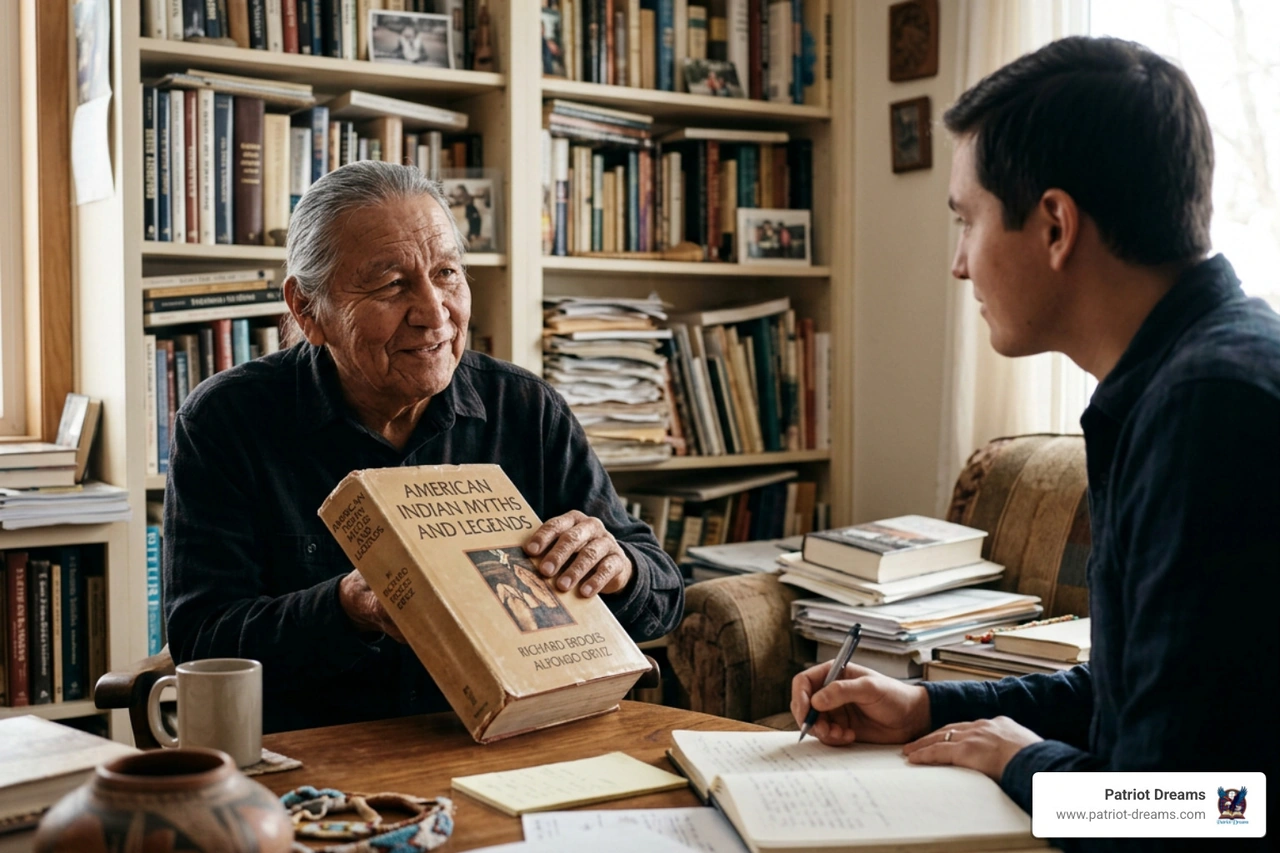

Overview of American Indian Myths and Legends by Richard Erdoes
When picking up this seminal volume, one immediately notices the immense care taken to showcase stories from every corner of the continent. Released as part of the esteemed Pantheon Fairy Tale and Folklore Library by Pantheon Books, the collection spans 544 pages in its standard paperback edition (ISBN 9780394740188).
Rather than focusing on a single region, the text encompasses 160 distinct narratives gathered from 80 tribal traditions. Exploring these traditions enriches our understanding of Native American History, honoring the vibrant oral heritage that sustained communities through generations of harmony, hardship, and renewal.
Scope, Structure, and Thematic Organization
Instead of arranging the book strictly by geographic territory or linguistic family, the editors grouped the tales into ten universal human themes. This structure helps readers see how different communities explored life's fundamental questions—from the birth of the universe to the nature of morality.
The ten sections progress thoughtfully:
- Human Creation (tales of how people came to be)
- World Creation (emergence and earth-shaping)
- Sun, Moon, and Stars (celestial lore and astronomy)
- Monsters and Monster Slayers (heroic deeds and protection)
- War and the Warrior Code (bravery, honor, and counting coup)
- Love and Lust (courtship, flutes, and human passion)
- Trickster Tales (humor, folly, and natural lessons)
- Animals and Other People (kinship with creatures)
- Ghosts and the Spirit World (afterlife and spiritual encounters)
- Visions of the End (prophecies, endurance, and cultural survival)
| Part & Theme | Example Story | Originating Tribe | Core Moral or Cultural Focus |
|---|---|---|---|
| Human Creation | Rabbit Boy | Brule Sioux | Miraculous emergence and community protection |
| World Creation | The Place of Emergence | Hopi / Pueblo | Journeying through layered underworlds to the surface |
| Monsters & Slayers | Son of Light Kills the Monster | Hopi | Overcoming perilous trials through courage and virtue |
| Warrior Codes | Where the Girl Saved Her Brother | Cheyenne | Heroic selflessness, sisterly love, and battlefield honor |
| Love & Courtship | The Legend of the Flute | Brule Sioux | Courting melodies and reverence for the natural world |
| Trickster Tales | Coyote and the Rolling Rock | Plains / Southwest | Humility, natural law, and the consequences of greed |
| Spirit World | Ghost Dance Prophecy | Paiute / Great Basin | Hope, spiritual restoration, and communal peace |
Editors: Richard Erdoes and Alfonso Ortiz
The unique balance of the collection is largely due to the backgrounds of its two co-editors.
Richard Erdoes (1912–2008) was an Austrian-born artist, illustrator, and civil rights chronicler. After fleeing Europe in the 1930s, Erdoes worked as an illustrator for major American publications. In the late 1960s, an assignment brought him into contact with Native American communities on the Plains. He dedicated the remainder of his life to recording oral histories, illustrating traditional tales, and collaborating on celebrated biographical works such as Lame Deer, Seeker of Visions.
Co-editor Alfonso Ortiz (1939–1997) brought essential Indigenous cultural scholarship to the partnership. A Tewa Pueblo anthropologist from Ohkay Owingeh Pueblo and a MacArthur Fellow, Ortiz served as a professor of anthropology at the University of New Mexico. His scholarly expertise in Pueblo ceremonial traditions provided vital cultural framing, ensuring that the diverse traditions included in the collection were handled with genuine care and dignity.
Exploring Core Themes and Legendary Archetypes
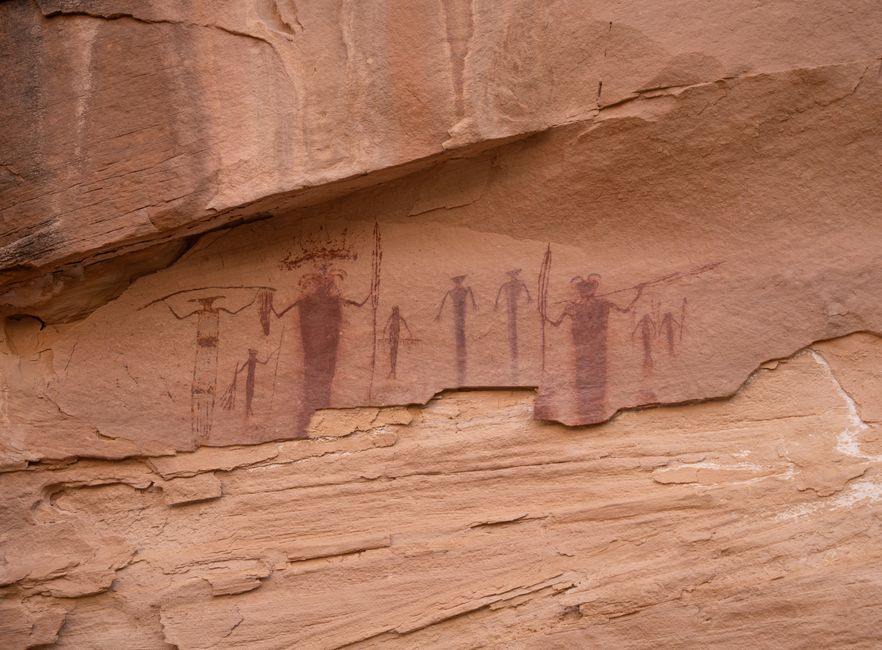
Oral traditions across North America feature a magnificent tapestry of characters that mirror human strengths and foibles. Among the most memorable figures are American Folklore Characters like the clever trickster, who teaches vital lessons about humility and survival through laughter.
In the Southwest and Plains, Coyote takes center stage, while in Lakota stories, the spider trickster Iktomi stumbles into comic mishaps. These archetypes were so compelling that Erdoes later compiled an entire dedicated volume, American Indian Trickster Tales, highlighting how humor serves as a powerful teaching tool.
Creation Myths and Sacred Sustenance
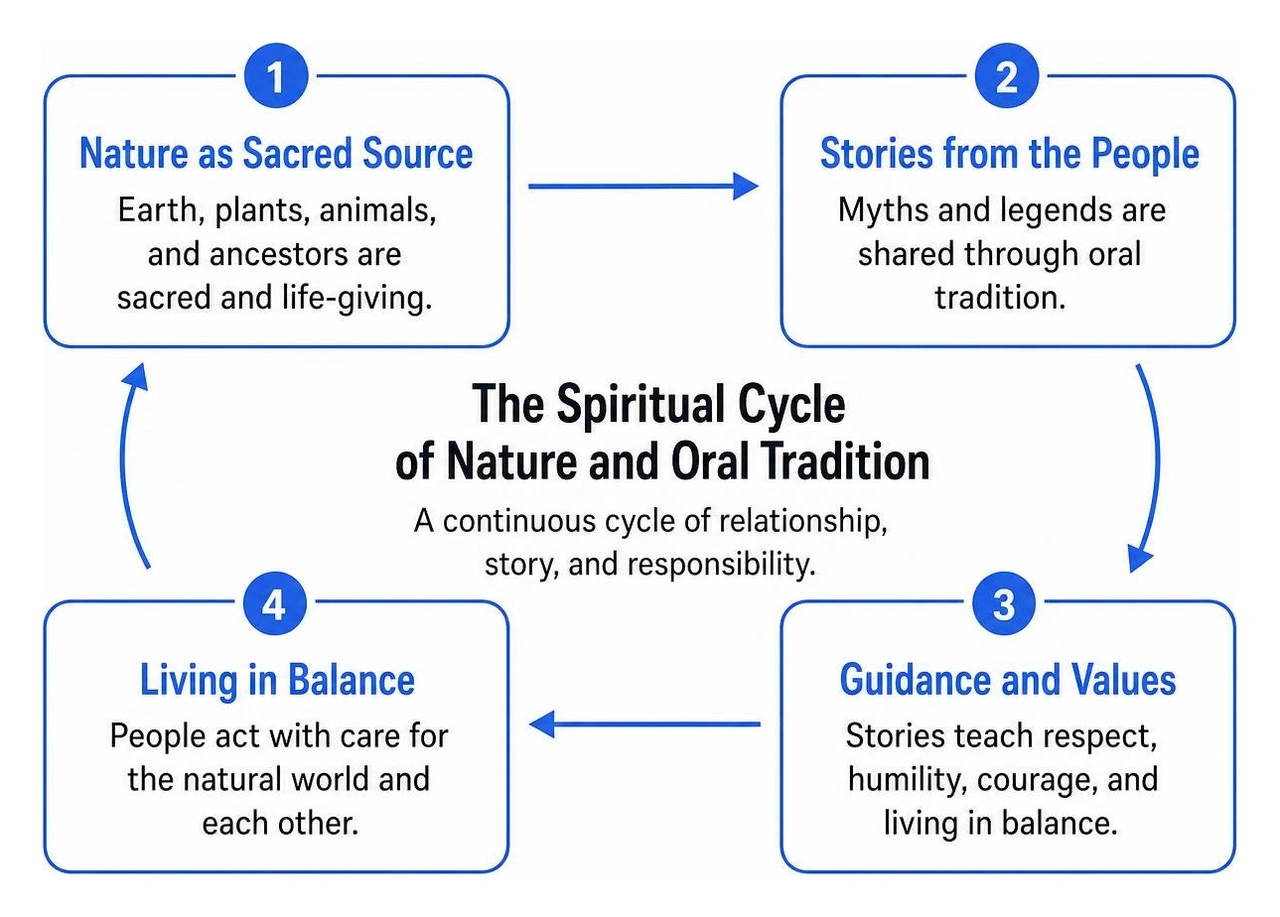
The opening sections of the anthology highlight the bond between humanity and the earth. Rather than viewing nature as something to conquer, these creation accounts emphasize kinship and stewardship.
A prime example is the Penobscot legend of the Corn Mother. During a time of deep famine, First Mother makes the ultimate sacrifice so that her children may survive. Her physical body gives rise to nourishing sweet corn (skarmunal), while her breath produces sacred tobacco (utarmur-wayeh) to bring comfort and facilitate prayer.
Similar agricultural origin narratives appear across cultures, reflecting the deep roots of Iroquois Confederacy Origin Stories and Pueblo emergence cycles.
Spirits, Hero Journeys, and End-of-the-World Prophecies
The book also explores valor, honor, and encounters with the unseen world. In the section dedicated to warrior codes, stories celebrate selflessness and collective defense rather than conquest. Tales such as "Where the Girl Saved Her Brother" honor the courageous acts of women in historical moments of peril.
The ninth and tenth sections address the spirit realm and eschatological visions. Stories dealing with the afterlife share commonalities with traditional American Folklore Ghost Stories, presenting spirits as close, protective presences rather than frightening specters.
The concluding chapter, "Only the rocks and mountains last forever: visions of the end," gathers poignant prophecies. These narratives emphasize perseverance, cultural renewal, and the enduring belief that traditional wisdom will outlast seasons of historical hardship.
Editorial Approach, Strengths, and Scholarly Debates
Gathering 160 tales across 80 distinct tribal groups presented immense editorial and translation choices. The anthology blends two distinct historical threads:
- Transcriptions made by 19th-century ethnographers (such as Franz Boas and James Mooney)
- Firsthand oral accounts shared by 20th-century storytellers (such as John Fire Lame Deer)
This approach ensures that classic legends sit alongside living voices, preserving a rich record of American Legends. Readers seeking archival documentation can examine original Folklore archive records to explore the bibliographic notes that accompany the text.
Sourcing and Methodology in American Indian Myths and Legends by Richard Erdoes
Folklorists and scholars have engaged in thoughtful dialogue regarding the literary methods used by Erdoes and Ortiz. Because traditional storytelling relies heavily on spoken cadence, dramatic pauses, vocal inflection, and audience interaction, transcribing an oral performance onto the printed page is an art in itself.
Some scholars, such as Brian Swann (editor of Coming to Light), advocate for strict, verse-like translations that replicate the original spoken linguistic structure. In contrast, Erdoes and Ortiz chose an accessible, prose-driven literary style. While this stylistic smoothing makes the stories enjoyable and fluid for everyday readers, it can soften the distinctive rhythmic voice of individual Indigenous storytellers. The most vibrant tales in the volume are often those transcribed directly from Erdoes's close friends and contemporary informants, where the warmth of the living speaker shines through clearly.
Critical Reception of American Indian Myths and Legends by Richard Erdoes
Since its release in 1984, the volume has garnered broad appreciation from general readers, educators, and historians. On community platforms like Goodreads, over 73% of readers rate the collection 4 or 5 stars (with 38% awarding 5 stars, 35% 4 stars, 20% 3 stars, and fewer than 4% awarding lower marks across hundreds of ratings and reviews).
Renowned authors have praised the collection's breadth and heart:
- Dee Brown (author of Bury My Heart at Wounded Knee) noted that Erdoes and Ortiz assembled what is likely the most comprehensive and diverse single volume of American Indian legends ever compiled.
- Peter Matthiessen praised the collection as truly alive, mysterious, and brimming with wonder and vitality.
For anyone exploring world mythology, the anthology stands as an essential starting point alongside our comprehensive Ultimate Guide to American Folk Stories.
Frequently Asked Questions About the Anthology
How many stories and tribes are included in the collection?
The anthology features 160 traditional tales representing 80 distinct tribal groups across North America. This geographic breadth spans the Eastern Woodlands, Great Plains, Desert Southwest, Pacific Northwest, Great Basin, and subarctic regions.
Who were the editors Richard Erdoes and Alfonso Ortiz?
The book was a collaborative partnership between Richard Erdoes—an Austrian-born artist, photographer, and civil rights chronicler who authored over 20 books—and Alfonso Ortiz, an acclaimed Tewa Pueblo anthropologist and professor from Ohkay Owingeh Pueblo who received a MacArthur Fellowship for his cultural preservation work.
Is the book an exact transcription of Native American oral tales?
The book blends direct contemporary oral recordings with historical 19th-century transcriptions. The editors presented many of the tales in a unified literary prose style rather than strict verse translations, creating an accessible reading experience while encouraging readers to explore deeper tribal sources.
Conclusion
Stories have an unmatched ability to bring people together across generations. When we listen to the wisdom preserved in oral traditions, we discover timeless values: kindness, courage, respect for nature, and the power of community. American Indian Myths and Legends remains a welcoming gateway into the profound storytelling heritage of North America's first peoples.
At Patriot Dreams, we believe that preserving our shared heritage helps families stay connected to the lessons that shape our nation's character. Whether you are listening to tales around an evening campfire or discovering the history woven into your own neighborhood, every story helps build a deeper sense of belonging. We invite you to join us on America's 250-year heritage journey as we continue celebrating the enduring voices, traditions, and everyday heroes that make our American story so rich and wonderful.
Join the Patriot Dreams Community
Download the app today and start your journey through American history and personal legacy.

Explore Our Latest Insights
Dive into stories that shape our American legacy.