
The Definitive Guide to The History of the Great Smoky Mountains
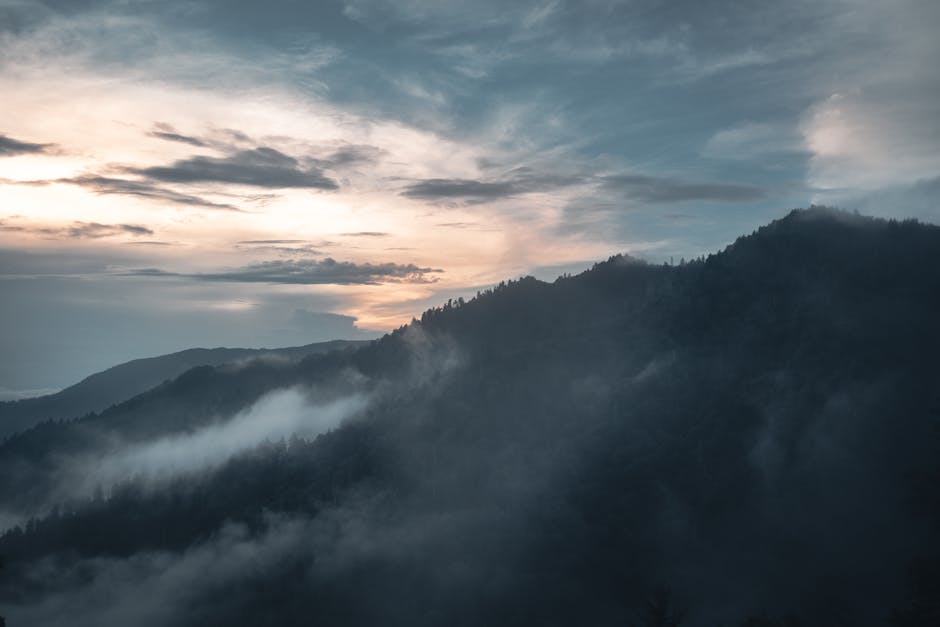

The Story Behind America's Most Beloved Mountains
The history of the Great Smoky Mountains is one of the richest, most layered stories in all of American heritage — stretching back thousands of years before the first national park sign was ever posted.
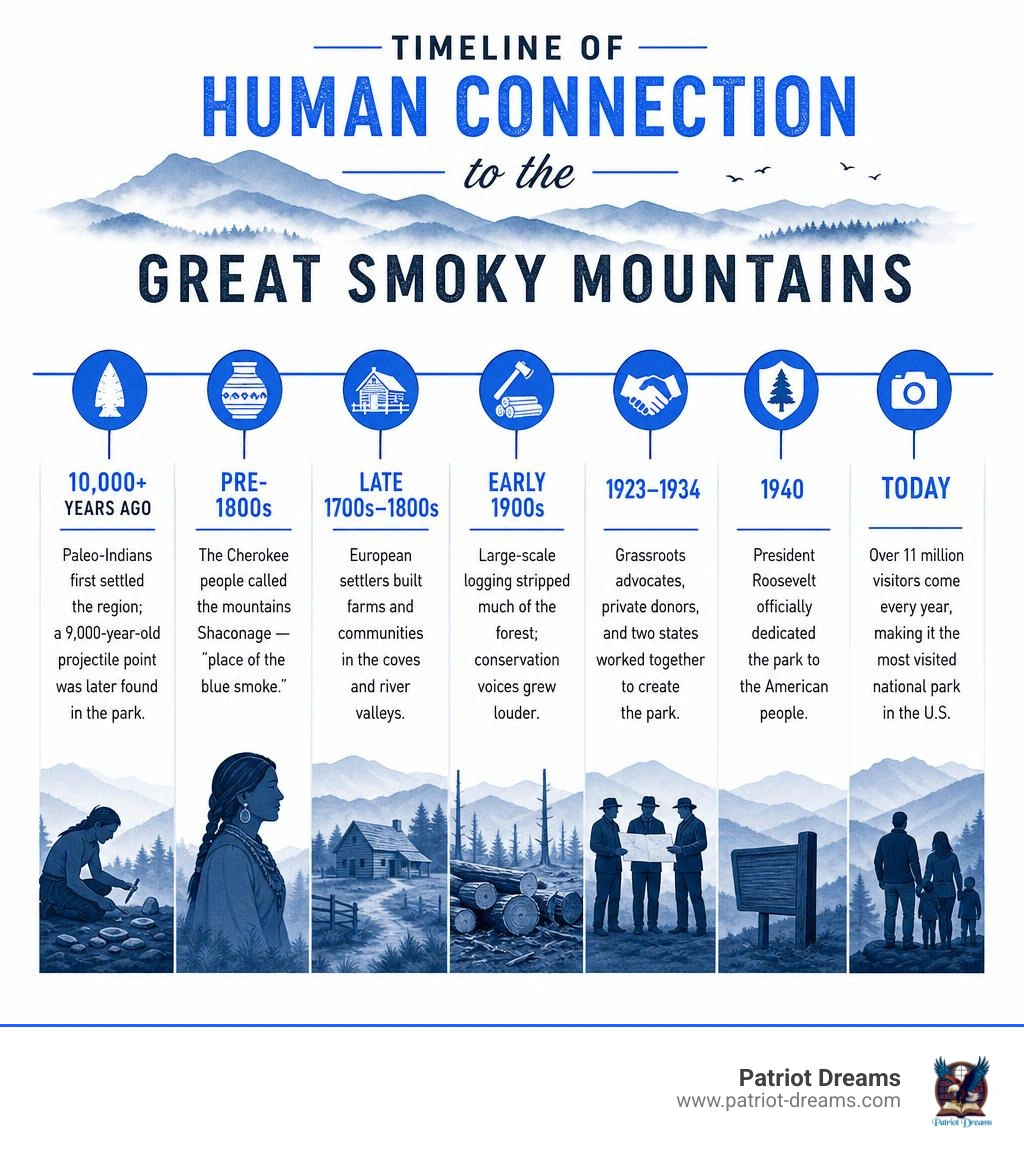
Here's a quick look at the key chapters of that story:
| Time Period | What Happened |
|---|---|
| 10,000+ years ago | Paleo-Indians first settled the region; a 9,000-year-old projectile point was later found in the park |
| Pre-1800s | The Cherokee people called the mountains Shaconage — "place of the blue smoke" |
| Late 1700s–1800s | European settlers built farms and communities in the coves and river valleys |
| Early 1900s | Large-scale logging stripped much of the forest; conservation voices grew louder |
| 1923–1934 | Grassroots advocates, private donors, and two states worked together to create the park |
| 1940 | President Roosevelt officially dedicated the park to the American people |
| Today | Over 11 million visitors come every year, making it the most visited national park in the U.S. |
These mountains have been a home, a refuge, and a source of wonder for a very long time.
Think about that for a moment. Long before there were parking lots or trail maps, people looked up at these ancient, mist-covered peaks and felt something. Something quiet and big and worth protecting.
That feeling never went away. It got passed down — from the Cherokee, to the mountain families, to the conservationists, to the schoolchildren who donated their pennies to help buy the land, all the way to the millions of families who walk those trails today.
This guide tells that whole story — with warmth, honesty, and the care it deserves.
Ancient Giants: The Geological and Ecological Wonders of the Smokies
To truly understand the history of the Great Smoky Mountains, we have to travel back long before human feet ever walked these ridges. We have to go back to a time when the earth itself was shaping what would become one of the oldest mountain ranges in the world.
According to geological records detailed in the Great Smoky Mountains - Wikipedia entry, the story begins with the accumulation of ancient sedimentary rocks known as the Ocoee Supergroup. These sediments settled in a long-lost ocean basin over a billion years ago.
Slowly, over hundreds of millions of years, the earth’s tectonic plates began to shift. During a massive geological event called the Alleghanian orogeny, continental collisions buckled and folded the earth's crust. This monumental pressure pushed these colossal slabs of rock upward and outward, creating the majestic Appalachian Mountains.
Unlike the sharp, jagged peaks of the younger Rocky Mountains out west, the Smokies have spent hundreds of millions of years being gently softened by wind, rain, and ice. Today, looking out from their summits in May 2026, we see a landscape of soft, rolling ridges, deeply carved valleys, and a serene, protective canopy of green.
A Sanctuary of Biodiversity
Because of their unique shape, elevation changes, and geographic location, the Smokies managed to escape the massive glaciers of the last Ice Age. Instead of being scraped bare by ice, these mountains served as a safe haven for thousands of species of plants and animals fleeing the cold northern climates.
Today, the park is celebrated worldwide as a UNESCO World Heritage Site and an International Biosphere Reserve. It is home to an astonishing array of life:
- Old-Growth Forests: The park protects an estimated 187,000 acres of old-growth forest, representing the largest such stand remaining east of the Mississippi River. Walking beneath these towering hemlocks and old cove hardwoods feels like stepping back into a pristine, untouched world.
- Salamander Capital of the World: With 31 distinct species representing five of the world's nine families, the Smokies boast the most diverse salamander population outside of the tropics. This includes the rare red-cheeked salamander, which is found absolutely nowhere else on Earth.
- The Black Bear Population: Home to the densest black bear population in the Eastern United States, the park provides a safe sanctuary for these magnificent, gentle creatures to roam.
- Spruce-Fir Forests: At the highest elevations, you will find Southern Appalachian spruce-fir forests. These are cool, moist relic ecosystems left over from the Ice Age, surviving only on the highest peaks where the climate mimics eastern Canada.
Deep Roots: The History of the Great Smoky Mountains Before the Park
The human history of this region is just as deep and rich as its geological roots. For thousands of years, people have built their lives, their families, and their memories in the shadows of these peaks.
As documented by the National Park Service in their guide on History & Culture - Great Smoky Mountains National Park (U.S. ... , human presence here stretches back into antiquity. Archeologists working in the region discovered a projectile point estimated to be 9,000 years old, proving that Paleo-Indians hunted and gathered in these valleys shortly after the glaciers retreated.
Centuries later, the Cherokee Nation made these mountains their home. The Cherokee developed a deeply spiritual connection to the land. They called the mountains Shaconage (pronounced Shah-con-ah-gee), which translates beautifully to "place of the blue smoke." This signature blue mist is actually a natural phenomenon caused by volatile organic compounds released by the dense vegetation, reacting with sunlight and humidity to create a soft, blue-gray fog.
For generations, the Cherokee lived in harmony with the mountains, building towns, cultivating crops, and passing down sacred stories. Tragically, this peaceful existence was shattered in the 1830s when the U.S. government forced the Cherokee off their ancestral lands along the devastating Trail of Tears. Despite this heartbreak, a small group of Cherokee remained behind in the deep, hidden folds of the mountains, eventually forming the Eastern Band of Cherokee Indians, who still reside in Western North Carolina today.
How Communities Shaped The History of the Great Smoky Mountains
Following the displacement of the Cherokee, European settlers began moving into the coves and valleys in the late 1700s and early 1800s. These settlers were tough, self-reliant people, mostly of Scots-Irish and German descent.
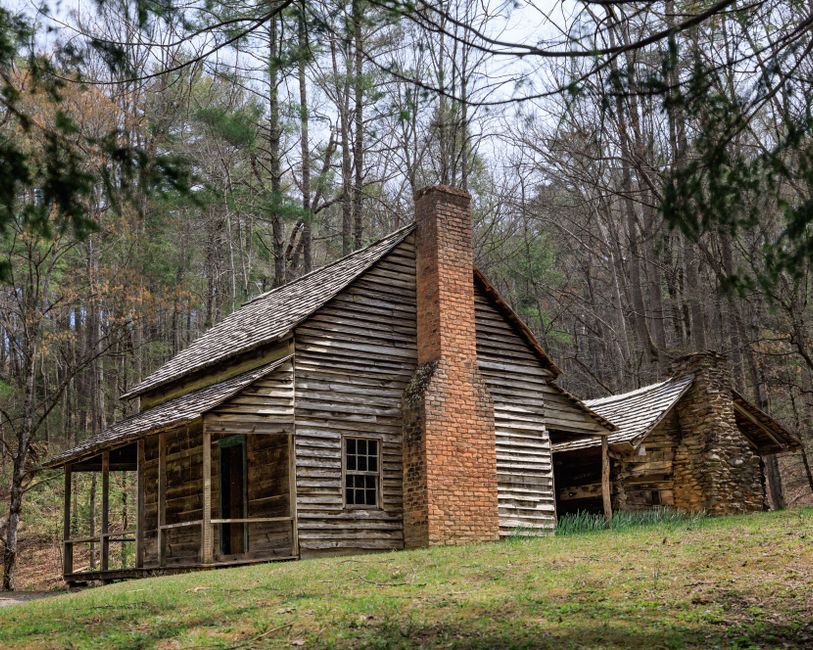
In places like Cades Cove and Cataloochee, families built small, tight-knit communities. They practiced subsistence farming, growing corn, raising livestock, and building sturdy log cabins, barns, and churches. Because of the rugged terrain and physical isolation, these mountain communities developed a unique culture centered around deep neighborly bonds, traditional acoustic music, storytelling, and an incredible spirit of resilience. They took care of one another, shared what little they had, and raised their children to respect the quiet beauty of the hills.
The Era of Timber and Change
By the turn of the 20th century, the outside world began to look at the massive, ancient forests of the Smokies with commercial interest. The industrial logging boom had arrived.
Powerful timber companies, including the Champion Fibre Company, purchased massive tracts of land. They brought in heavy machinery, built logging railroads deep into the pristine valleys, and constructed bustling company towns like Elkmont, Smokemont, and Tremont.
Within a few decades, large-scale logging stripped vast swaths of the mountainside. The clear-cutting caused severe soil erosion, choked mountain streams with silt, and left behind dry brush that fueled devastating forest fires. It was a heartbreaking sight for those who loved the mountains.
This rapid destruction of the natural landscape sparked a deep conservation awakening among local citizens, who realized that if someone didn't step in soon, the magnificent wilderness of the Smokies would be lost forever.
A Shared Dream: How the National Park Was Born
The road to saving the Smokies was not an easy one. Unlike the massive national parks in the western United States, which were already built on public lands owned by the federal government, the land in the Smokies was divided into thousands of privately owned tracts, farms, and corporate logging properties.
As explored in The Story of the Great Smoky Mountains National Park , establishing a park here required an unprecedented grassroots effort to buy back the land piece by piece.
In the 1920s, the Secretary of the Interior established the Southern Appalachian National Park Committee to find a suitable location for a major eastern park. A passionate movement began to grow, uniting everyday citizens, politicians, and business leaders in a shared dream.
The Visionaries Who Led the Way
A few remarkable individuals played pivotal roles in turning this dream into a reality:
- Ann Davis: After visiting western national parks in 1923, Ann Davis returned to Knoxville and asked a simple, powerful question: Why can't we have a national park in our own backyard? She became a tireless advocate, eventually serving in the state legislature to help secure state support.
- Colonel David Chapman: A Knoxville businessman who dedicated years of his life to leading the Great Smoky Mountains Conservation Association, tirelessly negotiating land deals and keeping the public inspired.
- Horace Kephart: A celebrated writer and outdoorsman who lived in the deep woods near Bryson City, North Carolina. His moving articles and books captured the hearts of readers nationwide, showing them the unique beauty of Appalachian nature and culture.
- George Masa: A brilliant Japanese-born photographer who spent 15 years systematically mapping the terrain, measuring trails, and taking breathtaking photographs of the misty peaks. His stunning images were used to show politicians in Washington exactly what was worth saving.
Much of the planning and organizing took place in downtown Knoxville, Tennessee. Crucial meetings were held in Judge Hugh B. Lindsay's law office in the historic Burwell Building on Gay Street, and key decisions were made inside the Farragut Hotel. Knoxville served as the heartbeat of the conservation movement, proving that sometimes the preservation of wilderness begins in the quiet rooms of a bustling city.
A Gift of Love: Funding the Park
By the late 1920s, the states of Tennessee and North Carolina had pledged money, and citizens had raised everything they could — including pennies collected by local school children. But the price of purchasing the land from powerful lumber companies was incredibly high, and the movement began to stall.
That is when an extraordinary act of generosity saved the project. In memory of his mother, John D. Rockefeller Jr. contributed $5 million from the Laura Spelman Rockefeller Memorial (a sum worth well over $70 million today). This incredible gift, combined with an additional $1.55 million from the federal government in 1933, made the purchase of the remaining land tracts possible.
The park was officially established by Congress on June 15, 1934. Six years later, on September 2, 1940, President Franklin D. Roosevelt stood at the Rockefeller Monument at Newfound Gap — straddling the state line between Tennessee and North Carolina — and dedicated the Great Smoky Mountains National Park to the American people "for the permanent enjoyment of the people."
The Human Heart of the Hills: Sacrifice, Community, and Memory
While the creation of the park was a monumental victory for conservation, it came at a deeply personal cost to the people who lived there.
To build the park, more than 1,000 family farms had to be acquired, and over 6,000 residents were forced to sell their homes, pack up their belongings, and leave behind the only valleys they had ever known. These were families who had buried their loved ones in quiet mountain cemeteries, built churches with their own hands, and lived close to the soil for generations.
Some residents were granted lifetime leases, allowing them to live out their days in their family homes, but eventually, the vibrant, living communities faded. The National Park Service made the conscious decision to restore the area to a natural wilderness, but they also recognized the importance of preserving the human history of the region.
Today, the park preserves and maintains 78 historic structures — including log cabins, barns, gristmills, and churches — scattered across five historic districts on the National Register of Historic Places. Walking through Cades Cove or Cataloochee, visitors can still touch the hand-hewn logs and sit in the quiet wooden pews, feeling a deep sense of gratitude for the sacrifices made by those early mountain families.
The Unfulfilled Promise of the North Shore Road
One of the most poignant chapters of this human history belongs to the people of Swain County, North Carolina.
When the federal government acquired land in the 1940s to build the Fontana Dam, it flooded the main highway leading to the remote communities on the north side of the Little Tennessee River. The government promised to build a new road — the North Shore Road — to give displaced families access to their old homesites and sacred family cemeteries.
However, due to environmental challenges, including unstable, acid-bearing rock formations, only a few miles of the road were ever built before construction stopped, leaving a tunnel that leads to nowhere. For decades, this "Road to Nowhere" stood as a symbol of an unfulfilled promise.
Over the years, the Park Service worked with local families to organize boat trips across Fontana Lake so they could still visit and care for their ancestral cemeteries. Finally, a financial settlement was reached with Swain County to resolve the issue, but the story remains a gentle reminder of the deep, unbreakable ties that still bind local families to these sacred hills.
A Sanctuary for All: Modern Management and the Spirit of Preservation
Today, the Great Smoky Mountains National Park stands as the most visited national park in the United States, welcoming over 11 million visits every single year.
Its location in the eastern United States puts it within an easy day's drive of over half the country's population. It is beautifully connected to other scenic treasures, serving as the southern terminus of the breathtaking Blue Ridge Parkway and bordering the scenic Foothills Parkway. This incredible accessibility has made the surrounding towns of Gatlinburg, Pigeon Forge, and Townsend in Tennessee, and Cherokee and Bryson City in North Carolina, bustling gateways of regional tourism.
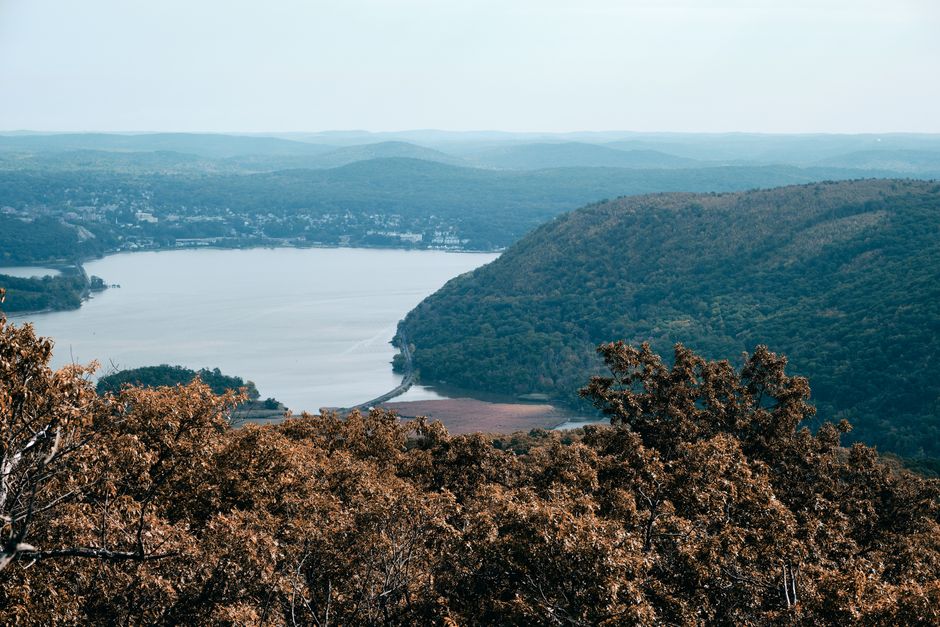
Preserving The History of the Great Smoky Mountains for Future Generations
Managing such a beloved and highly visited park comes with significant challenges. Modern park rangers and conservationists work tirelessly to balance the joy of welcoming millions of visitors with the sacred duty of preserving the natural ecosystem:
- Invasive Species: The park faces threats from non-native pests, such as the hemlock woolly adelgid, a tiny insect that has threatened the park's majestic hemlock forests. Dedicated scientists use biological controls and targeted treatments to save these ancient giants.
- Air Pollution: Because of its geography, the park sometimes traps airborne pollutants from surrounding regions. Continuous monitoring and regional clean-air initiatives have helped improve air quality and visibility over the last few decades.
- Preserving Historic Structures: Maintaining 78 wooden structures against the damp, humid climate of the mountain valleys is a massive undertaking. The park relies on skilled craftsmen to restore these buildings using traditional, historically accurate methods.
- The Legacy of the CCC: Much of the park's beautiful infrastructure — including hand-cut stone bridges, miles of trails, and historic campgrounds — was built by the young men of the Civilian Conservation Corps (CCC) during the Great Depression. Today's trail crews work to maintain this incredible craftsmanship so that future generations can continue to explore the wilderness safely.
Frequently Asked Questions about the Great Smoky Mountains
Why are they called the "Smoky" Mountains?
The distinctive "smoke" that hangs over the ridges is actually a natural mist. The dense vegetation of the mountains releases volatile organic compounds (natural hydrocarbons) that react with the humid air and sunlight. This scatters blue light, creating a soft, smoke-like vapor. The Cherokee beautifully named this phenomenon Shaconage, meaning "place of the blue smoke."
When was the Great Smoky Mountains National Park established?
The park was officially established by Congress on June 15, 1934, after a decade of land acquisition. It was formally dedicated six years later on September 2, 1940, by President Franklin D. Roosevelt at Newfound Gap.
How many historic structures are preserved in the park?
The park preserves and maintains 78 historic structures, including cabins, barns, schools, gristmills, and churches. Many of these are listed on the National Register of Historic Places and can be visited in historic districts like Cades Cove, Cataloochee, and Elkmont.
Conclusion: Tying Our Stories to the Land
The history of the Great Smoky Mountains is more than just a timeline of dates, treaties, and land deeds. It is a beautiful, living tapestry woven from the dreams, the sacrifices, and the deep love of countless everyday people.
It is the story of the Cherokee who treasured the sacred blue smoke; the pioneers who carved out a life in the quiet coves; the visionaries who fought to save the forests; and the families who gave up their homes so that a beautiful piece of America could be preserved for everyone, forever.
Here at Patriot Dreams, we believe that these are the very stories that connect us as a people. We are an audio storytelling platform in the digital history and heritage industry, dedicated to bringing American history, heritage, and personal stories to life through an interactive map and unique listening modes. We believe that every family has a legacy, and every landscape has a voice.
The next time you stand on a ridge in the Smokies and watch the blue mist rise slowly from the valleys, we hope you will take a quiet moment to listen. Listen to the wind in the old-growth trees, the rush of the mountain streams, and the soft whispers of the past.
If you want to bring these stories along on your next journey, we invite you to Download the Patriot Dreams App. Let us help you explore the rich heritage of our beautiful country, preserve your own family's precious memories, and stay connected to the places we all call home.

Join the Patriot Dreams Community
Download the app today and start your journey through American history and personal legacy.

Explore Our Latest Insights
Dive into stories that shape our American legacy.