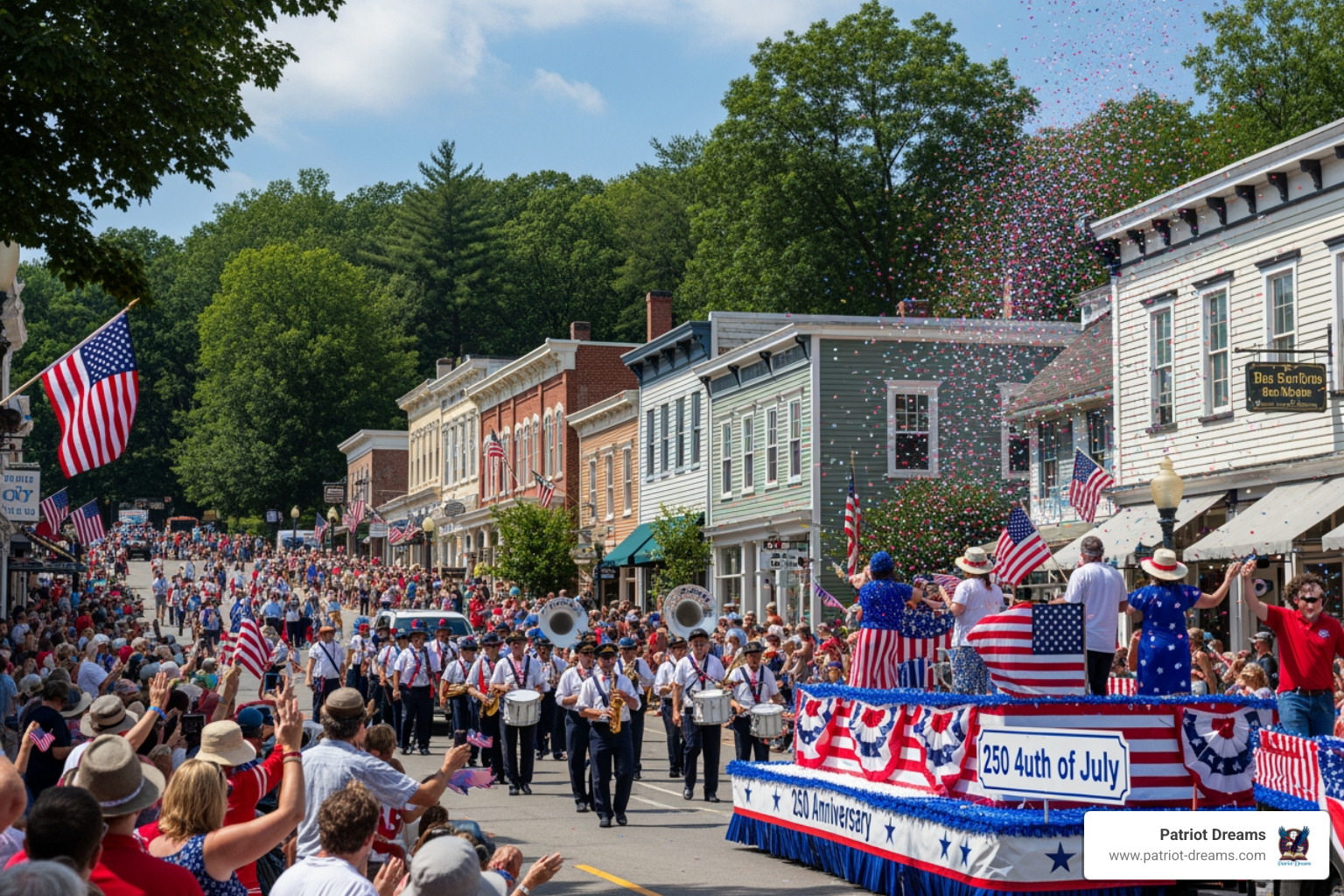
Where History Lives in America

America's Story Lives in Its Places — And It's Waiting for You
American historical places are some of the most moving, meaningful spots you can visit — from the quiet fields of Gettysburg to the cobblestone streets of Philadelphia's Old City.
Here is a quick look at the most significant types of American historical places worth exploring:
| Type of Site | Examples | Why It Matters |
|---|---|---|
| Revolutionary War sites | Independence Hall, Valley Forge, Yorktown | Where America's freedom was won |
| Civil War battlefields | Gettysburg, Antietam, Appomattox | Where the nation was tested and reunited |
| Presidential homes & sites | Mount Vernon, Monticello, Ford's Theatre | Personal stories behind America's leaders |
| Native American heritage sites | Mesa Verde, Cahokia Mounds, Little Bighorn | Thousands of years of civilization before colonization |
| Colonial founding cities | Philadelphia, Boston, Historic Triangle | Where the earliest American communities took root |
| National Historic Landmarks | 2,649 across all 50 states | Officially recognized places of national significance |
There are more than 100,000 places listed on the National Register of Historic Places. Each one holds a story — a family, a decision, a moment of courage that shaped the country we share today.
Think of it this way: every historic site is a little like a letter written by the past, left open for anyone curious enough to read it.
Whether you are planning a family road trip, teaching your kids about their roots, or simply longing to feel connected to something larger than yourself — America's historical places offer something truly special. They remind us where we came from, and just how far we have come together.

Related content about American historical places:
- Founding Fathers
- The Declaration of Independence: What It Really Says and Why It Still Matters
- George Washington: The General Who Became America’s First President
The Cradle of Liberty: Revolutionary Sites and Founding Cities

When we think about the birth of our nation, our minds often drift to the cobblestone streets and brick buildings where the first sparks of independence were struck. These founding cities are more than just dots on a map; they are the neighborhoods where a new idea of freedom began to breathe. Exploring these American historical places feels like visiting the home of an old friend—warm, welcoming, and full of stories.
From the bustling harbor of Boston to the formal halls of Philadelphia, the journey of the American Revolution is etched into the landscape. You can walk these paths today, perhaps using Digital American History Tours to guide your way, and feel the same sense of hope that the founders felt in 1776.
The Spirit of 1776 in Philadelphia and Boston
In Philadelphia, the "heart" of the early United States, Independence Hall stands as a testament to the courage of ordinary people doing extraordinary things. It was here that both the Declaration of Independence and the Constitution were debated and signed. Standing in the room where George Washington sat in his famous "rising sun" chair can bring a tear to your eye—it’s where our shared journey truly began. Just a short walk away, the Liberty Bell serves as a silent but powerful symbol of the resilience of the American spirit.
Further north, Boston offers the famous Freedom Trail, a 2.5-mile path that connects 16 significant landmarks. You can visit the Old North Church, where lanterns signaled the start of a revolution, or stand at the site of the Boston Tea Party, where 342 chests of tea were famously dumped into the harbor—an act of protest worth about $1 million in today's currency! To help visualize how these cities evolved, our Digital Story Map offers a wonderful way to see the connections between these historic events and the places they happened.
The Historic Triangle of Virginia
If you want to see where the English-speaking story of America began, look no further than Virginia’s Historic Triangle. This area includes Jamestown, the first permanent English settlement established in 1607; Colonial Williamsburg, the largest living history museum in the world; and Yorktown.
At the Yorktown Battlefield, you can walk the grounds where the last major battle of the Revolutionary War took place in 1781. It was here that General George Washington, with the help of French allies, besieged Lord Cornwallis’s British army. When the British surrendered on October 19, the world turned upside down, and the United States secured its independence.
Not far away lies Valley Forge National Historical Park. While no battle was fought here, it was the site of the Continental Army’s most difficult winter in 1777-1778. The stories of survival, resolve, and the training led by Baron von Steuben transformed a struggling group of soldiers into a unified army. It’s a place of quiet reflection that reminds us that sometimes, the greatest victories are won through simple perseverance.
Preserving the Soul of the Nation: American Historical Places and Landmarks

How do we decide which places are worth keeping for the next generation? In the United States, we have a beautiful system designed to protect our shared heritage. Since the National Historic Preservation Act of 1966, the National Park Service has worked to identify and honor the sites that tell our national story.
Whether it's a grand monument or a humble home in a small town, these American historical places are protected so that our children and grandchildren can visit them and say, "This is where we come from." To see how these sites are spread across our beautiful landscape, you can explore our Historical Map Interactive.
Discovering Local Treasures in American Historical Places
The National Register of Historic Places is the official list of the nation's historic treasures worthy of preservation. With over 100,000 listings, it includes everything from famous mansions to local post offices. These sites aren't just for tourists; they are the backbones of our communities.
Many of these treasures are found in Traveling Through Time American Small Towns That Feel Like A Vintage Film Set. Visiting these towns allows you to experience history on a human scale—the local bakery that’s been there for a century or the town square where generations of families have gathered for summer concerts. This local pride is what keeps American history alive and vibrant.
The National Significance of American Historical Places
While the National Register includes places of local and state importance, National Historic Landmarks (NHLs) are in a league of their own. There are only about 2,649 NHLs in the country. These are places that possess "exceptional value" in illustrating the heritage of the United States.
| Feature | National Register of Historic Places | National Historic Landmarks |
|---|---|---|
| Primary Scope | Local, state, or national significance | Strictly national significance |
| Total Count | Over 100,000 sites | Approximately 2,649 sites |
| Administration | National Park Service | Secretary of the Interior |
| Protection | Eligible for federal tax incentives | Monitored closely for preservation |
Resources like the Heritage Guide to Historic Sites help visitors find these high-accuracy locations. When you visit an NHL, you are standing at the very spot where history shifted for the entire nation.
Echoes of Resilience: Civil War Battlefields and Presidential Legacies
History isn't always easy, but it is always instructive. The Civil War was a time of great testing for our country, and the battlefields left behind serve as solemn reminders of the cost of unity and the struggle for freedom. These American historical places are now parks where we can walk, listen to the wind in the trees, and think about the resilience of the human spirit.
Visiting Civil War Battlefields allows us to honor those who fought and to appreciate the peace we enjoy today.
Walking with the Presidents
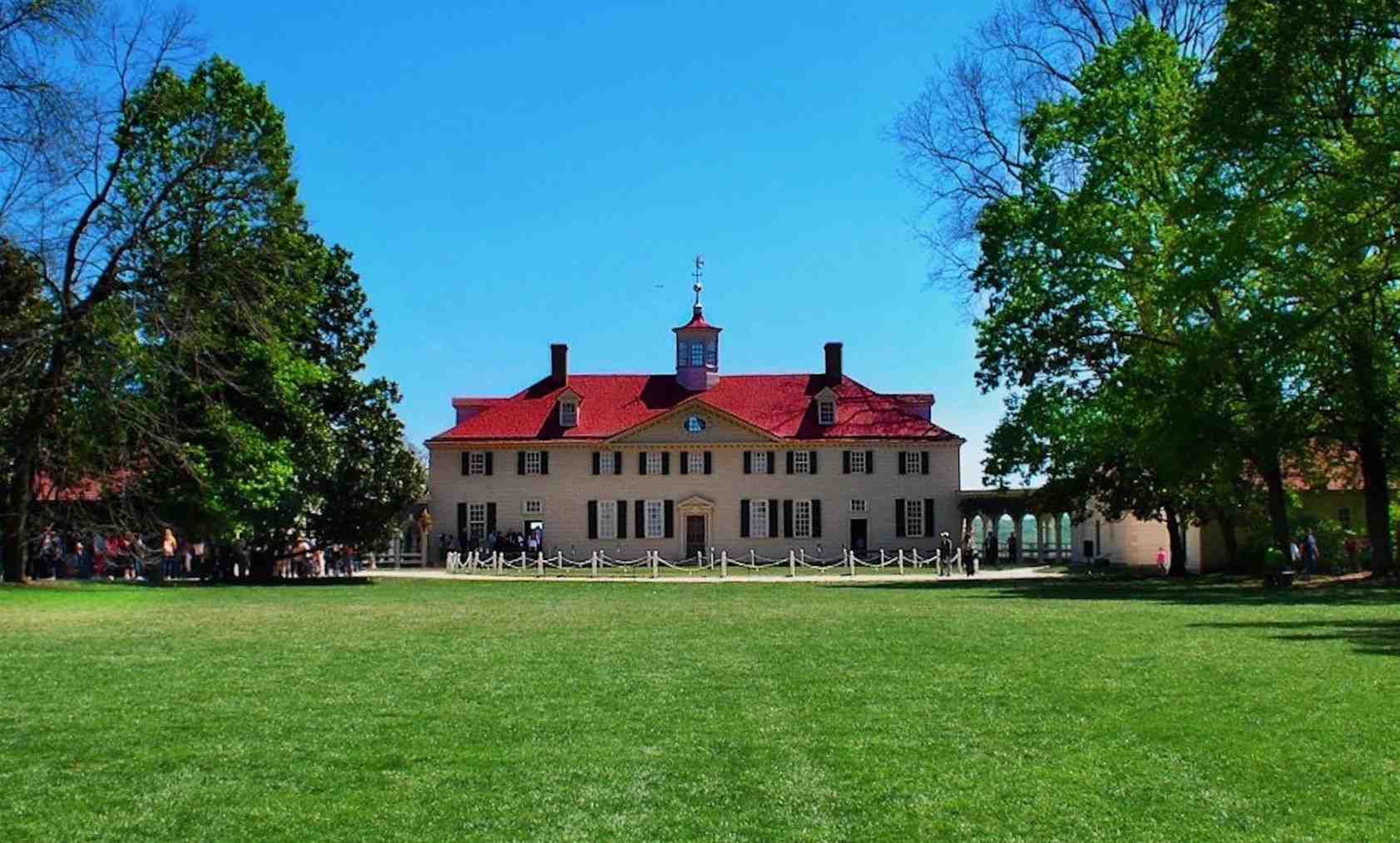
To understand the leaders who guided us through these times, we can visit the homes they loved. Mount Vernon, the home of George Washington, and Monticello, the home of Thomas Jefferson, offer personal glimpses into the men behind the legends. You can see the gardens they planted and the porches where they sat and looked out over the land they helped shape.
In Washington D.C., Ford's Theatre National Historic Site tells a more somber story. It is the site where Abraham Lincoln was assassinated on April 14, 1865. While it was a moment of national tragedy, the site today focuses on Lincoln's enduring legacy of kindness and his vision for a reunited nation. This spirit of equality continues at the Martin Luther King Jr Memorial, which honors the "Stone of Hope" and the ongoing journey toward the ideals laid out by our founders.
Turning Points in the American Journey
The Civil War had many turning points, but none are more poignant than Antietam and Gettysburg. At Antietam, the bloodiest single day in American military history saw nearly 23,000 soldiers killed or wounded. It was a staggering loss that eventually led to the Emancipation Proclamation.
At Gettysburg National Military Park, the "High Water Mark of the Rebellion" was reached. This victory for the Union inspired Lincoln’s "Gettysburg Address," a short speech that redefined the American purpose as a "new birth of freedom."
Finally, the journey toward peace led to Appomattox Court House National Historical Park. On April 9, 1865, General Robert E. Lee surrendered to General Ulysses S. Grant in the parlor of the McLean House. It wasn't just the end of a war; it was the beginning of a long, shared effort to reunite as one people. Grant’s generous terms—allowing Confederate soldiers to take their horses home for spring planting—showed a spirit of reconciliation that we can still learn from today.
Ancient Stories: Native American Heritage and Archaeological Wonders
Long before the first European ships arrived, the land we call home was filled with vibrant civilizations. These American historical places remind us that our history is thousands of years deep. From the soaring mounds of the Mississippi Valley to the intricate cliff dwellings of the Southwest, these sites are sacred spaces that honor the ancestors of today’s Indigenous communities.
Exploring these ancient sites, often found near Mountain Pass Frontier Crossings, helps us appreciate the diverse tapestry of people who have cared for this land.
Pre-Columbian Civilizations and Sacred Lands
Cahokia Mounds in Illinois was once the largest city in North America, a sophisticated urban center of the Mississippian culture that thrived around 1,000 years ago. Today, it is a UNESCO World Heritage site that protects 2,200 acres of history.
In Colorado, Mesa Verde National Park preserves 600 cliff dwellings built by the Ancestral Puebloans over 700 years ago. These homes, carved directly into the canyon walls, are marvels of engineering and community living. Walking through these sites, you can almost hear the echoes of daily life—the laughter of children and the rhythm of corn being ground—reminding us of our shared human connection across the centuries.
Reflection and Honor at Little Bighorn
The Little Bighorn Battlefield National Monument in Montana is a place of deep reflection. It marks the 1876 battle between the 7th Cavalry and the Lakota, Cheyenne, and Arapaho warriors. For many years, the site focused primarily on the story of Lt. Col. George Custer, but in 2003, the Indian Memorial was dedicated to honor all those who fought to protect their traditional way of life. It is a beautiful, circular monument that encourages us to look at history from many perspectives and to honor the bravery found on all sides of the conflict.
Planning Your Visit to Pennsylvania and Beyond
As of April 2026, there has never been a better time to pack the car and head out on a historical adventure. If you aren't sure where to start, Pennsylvania is often called the most "All-American" state for a reason. With 169 National Historic Landmarks, it has the highest number of these significant sites in the country.
Whether you are visiting the 67 landmarks in Philadelphia alone or heading out to the rural battlefields, there is a sense of discovery waiting around every corner. For more ideas, check out this list of the Top 9 American History Parks and Monuments to Visit.
Exploring the Keystone State’s Rich History
Pennsylvania’s history is the story of America in miniature. You can start in the city of brotherly love, then drive out to the rolling hills of Valley Forge. If you continue west, you’ll find Gettysburg, where the landscape itself seems to hold the memory of the past.
To make your trip even more special, you can use our Digital Story Map to find the "hidden" stories in between the major landmarks. Sometimes the most moving part of a trip is the small, unexpected plaque you find in a quiet town that tells the story of a local hero.
Tools for Your Historical Road Trip
Traveling with family is a wonderful way to pass down our heritage. The National Park Service offers some fantastic tools to keep everyone engaged:
- Junior Ranger Program: Kids can complete activities to earn badges at almost every national park.
- B.A.R.K. Rangers: At places like Valley Forge, even your four-legged friends can join the fun and learn the rules of the trail!
- NPS App: This free app works offline and provides maps and tours for over 400 parks.
For more personal tips on traveling with kids, Our Favorite Historical Sites Across the US is a great resource for planning itineraries that keep everyone happy and curious.
Frequently Asked Questions about American Historical Places
What is the difference between the National Register and National Historic Landmarks?
Think of the National Register of Historic Places as the "big tent"—it includes over 100,000 sites that are important to our local, state, or national history. National Historic Landmarks are a much smaller, elite group (about 2,600 sites) that are determined by the Secretary of the Interior to have exceptional value to the entire nation. All Landmarks are on the Register, but not all Register sites are Landmarks!
Which state has the most National Historic Landmarks?
As of late 2024 data, New York actually holds the top spot with 277 landmarks, followed by Massachusetts with 192. However, Pennsylvania is often considered the "richest" in foundational history with 169 landmarks, including a very high density in Philadelphia.
How can I find historic sites near me for a family trip?
The best way is to use the official National Park Service website or app. You can search by state or zip code. Additionally, using tools like the Patriot Dreams interactive map can help you find personal stories and local heritage sites that might not be in the standard guidebooks.
Conclusion
At Patriot Dreams, we believe that history isn't just something found in dusty books—it's a living, breathing part of who we are. Every one of these American historical places is a thread in the quilt of our national story. When we visit them, we aren't just looking at old buildings; we are connecting with the people who lived, dreamed, and worked to build the communities we enjoy today.
We invite you to take your own journey into the past. Listen to the stories, walk the trails, and perhaps even share your own family’s legacy. After all, the history of America is still being written, and you are a part of it.

Join the Patriot Dreams Community
Download the app today and start your journey through American history and personal legacy.

Explore Our Latest Insights
Dive into stories that shape our American legacy.