From Speeches to Sites: Your Journey Through Defining Moments in US History

A Nation's Story Told Through Its People
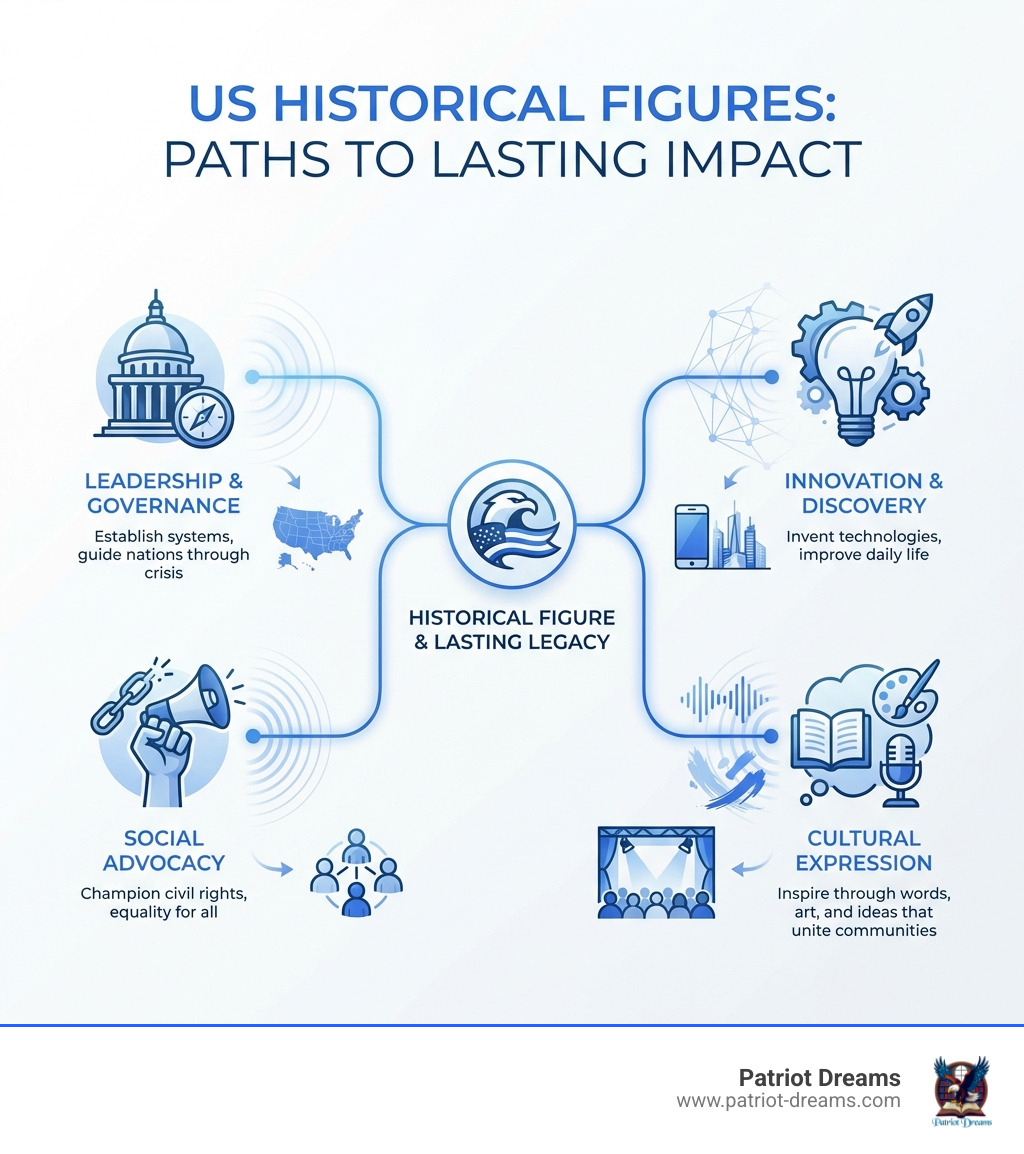
US historical figures are the men and women whose courage, innovation, and dedication shaped the America we know today. From founding fathers who drafted ideas into existence, to civil rights leaders who called for justice, to inventors who transformed daily life—these individuals left lasting legacies that continue to inspire us.
Key Categories of Influential Americans:
- Founding Leaders: George Washington, Thomas Jefferson, Benjamin Franklin, Alexander Hamilton
- Champions of Unity: Abraham Lincoln, Franklin D. Roosevelt, Theodore Roosevelt
- Voices for Justice: Martin Luther King Jr., Susan B. Anthony, Frederick Douglass, Rosa Parks
- Innovators & Inventors: Henry Ford, Wright Brothers, Thomas Edison, Alexander Graham Bell
- Visionaries: Eleanor Roosevelt, Dwight D. Eisenhower, John F. Kennedy
What makes a person's story become part of a nation's story? It's not always about fame or power. Sometimes it's a single act of bravery, like Rosa Parks refusing to give up her seat. Sometimes it's years of quiet dedication, like Susan B. Anthony traveling the country to champion women's right to vote. And sometimes it's the simple act of staying true to your principles when the whole world is watching.
The difference between lasting influence and fleeting celebrity lies in the ripples a person creates. True influence changes how we live, think, and treat one another. When Abraham Lincoln spoke at Gettysburg, his words were so brief that photographers didn't have time to set up their cameras. Yet those 272 words still echo through American hearts today.
These stories remind us that history isn't made by distant, perfect heroes. It's made by real people—people who felt afraid, made mistakes, and kept going anyway. People like us.
Explore more about US historical figures:
- Family history preservation
- Traveling Through Time: American Small Towns That Feel Like a Vintage Film Set
When we talk about what makes a historical figure truly significant, we're looking beyond mere celebrity. Celebrity might grant someone widespread recognition, but gravitas, as authors Skiena and Ward explain, is about the profound impact that shapes society. It's about what individuals did and how well they are remembered and valued for it. This isn't just about being popular; it's about fundamentally altering the course of events, inspiring social change, or fostering cultural shifts that resonate for generations.
For example, a figure like Albert Einstein, though not American by birth, is ranked 1st in popularity among historical figures and 14th out of the top 25 greatest Americans. His scientific work was game-changing, influencing our understanding of the universe. This is gravitas—a deep, lasting intellectual contribution. This contrasts with a figure who might be popular for a time but whose impact doesn't fundamentally shift our world. Skiena and Ward's quantitative analysis, which aggregates data from sources like Wikipedia and Google Books, attempts to measure this influence by looking at factors like how many links point to a person's page, how often it's visited, and how frequently it's edited. This helps us understand the "strength of an individual's Internet meme" and collective memory.
However, such quantitative methods can have inherent biases. For instance, Skiena and Ward's analysis, relying on English-language Wikipedia, can favor Americans, men, white people, and English speakers. Past US presidents, for example, occupy a significant 39 of the first 100 spots in their American rankings. This highlights the ongoing conversation between quantitative analysis and qualitative historical judgment. Smithsonian magazine, for instance, combined Skiena and Ward's data with their own editorial judgment, categorizing figures and making "Editors' Choice" selections to provide a more nuanced view and mitigate these biases. This blend of data and expert insight helps us paint a richer picture of how these individuals truly shaped our nation.
Our perception of these US historical figures also evolves over time, reflecting changes in our own societal values. What was celebrated in one era might be critically re-evaluated in another. For example, while figures like George Washington and Thomas Jefferson are consistently recognized for their foundational roles, modern perspectives often include a deeper examination of their complex legacies, including their ownership of enslaved people. This tells us that history is not static; it's a living conversation, constantly re-examined through the lens of contemporary understanding and values. It’s a wonderful reminder that learning about history is a continuous journey, much like growing and learning about ourselves.
Guiding Lights: Influential US historical figures Who Shaped a Nation

When we look back at the mix of American history, certain figures stand out as true guiding lights, whose actions and beliefs illuminated the path forward for generations. These individuals weren't just leaders; they were visionaries who understood the profound responsibility of shaping a young nation and its ideals.
The Architects of a New Nation
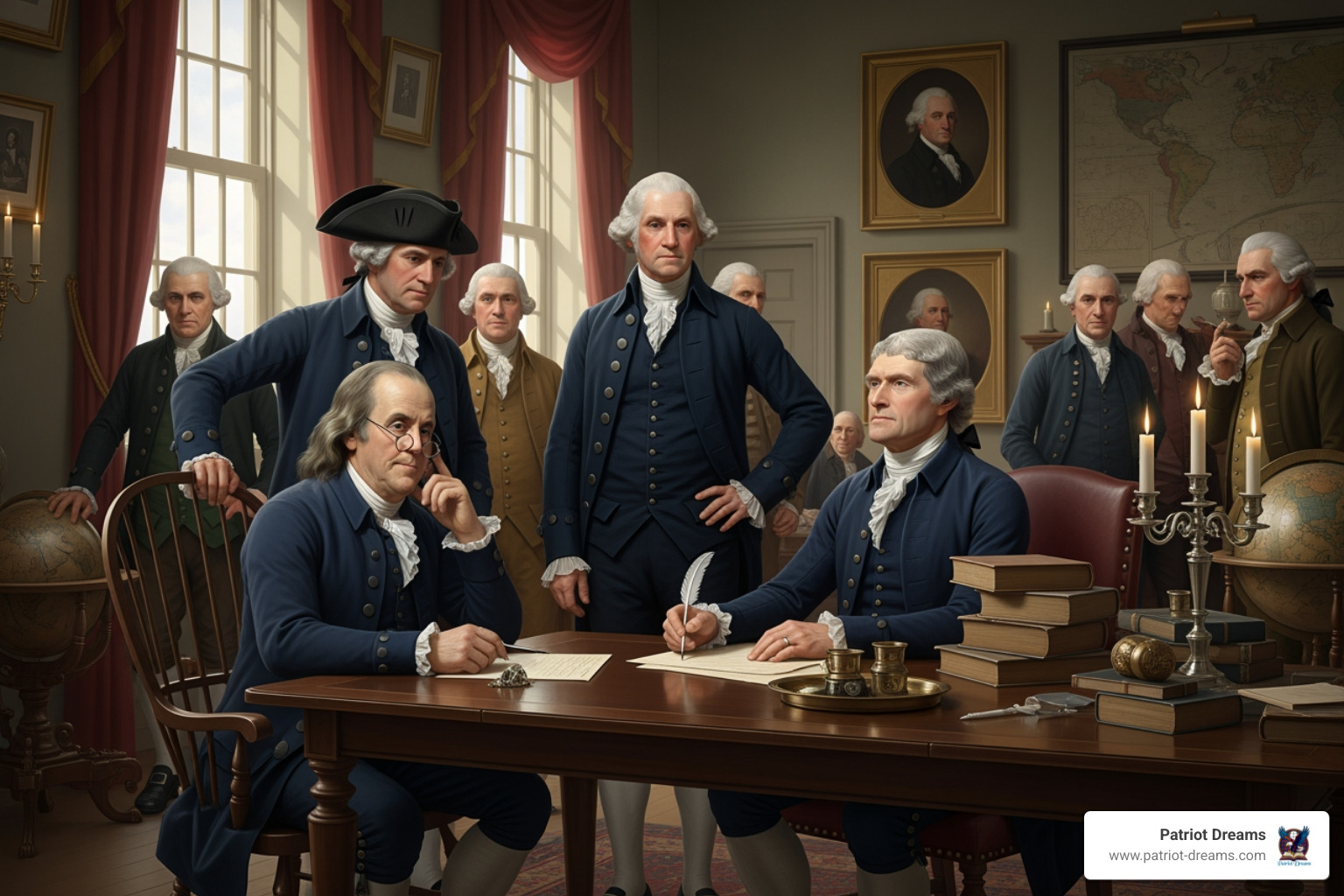
Our nation's story begins with a group of extraordinary individuals we affectionately call the Founding Fathers. These were the men who dared to dream of a self-governing nation, a place where liberty and justice could flourish. Their courage and foresight laid the groundwork for the United States, giving us the very foundations of our democracy.
Among them, George Washington stands tall as a figure of unparalleled importance. Born in 1732, he was not only the commander of the Continental Army during the Revolutionary War but also our very first president. His leadership was crucial to securing independence, and his decision to serve only two terms set a powerful precedent for future presidents, emphasizing service over personal power. It’s a beautiful example of putting country before self. His story, from a middling planter's son to the "Father of His Country," is a testament to perseverance and character. You can learn more about him in George Washington: The General Who Became America's First President.
Then there's Thomas Jefferson, born in 1743, the brilliant mind behind the Declaration of Independence. His eloquent words, proclaiming that "all men are created equal" and endowed with unalienable rights, inspired not only Americans but also independence movements globally. His ideas about human rights and a constitutionally limited government continue to resonate, reminding us of the profound ideals upon which our nation was founded. We dig deeper into his contributions in Thomas Jefferson and the Declaration of Independence: How a Nation Found Its Voice.
And who could forget Benjamin Franklin, born in 1706? A true polymath, he was an inventor, a diplomat, a writer, and a statesman. He’s considered the father of multiple American trades, including science and writing. His civic duty and dedication to public service were exemplary, embodying the spirit of American ingenuity and pragmatism. From using electricity with a kite to playing a pivotal role in securing French support for the Revolution, Franklin’s contributions were immense and varied. We celebrate his wide-ranging talents in All About Benjamin Franklin: Inventor, Diplomat, and Founding Father.
Other vital figures from this era include Alexander Hamilton, born in 1755/57, the first Secretary of the Treasury, whose vision helped establish America as a major industrial force. His advocacy for a strong central government and his prolific contributions to The Federalist Papers were instrumental in shaping the young republic. And John Adams, our second president, who played a critical role in the American Revolution and the success of its ideals, even though he and Jefferson famously died on the same day, July 4, 1826.
Shepherds in Times of Trial
As our nation grew, it faced immense challenges, and other US historical figures stepped forward to guide us through turbulent times. These were leaders who, with steady hands and courageous hearts, steered America through its darkest hours.
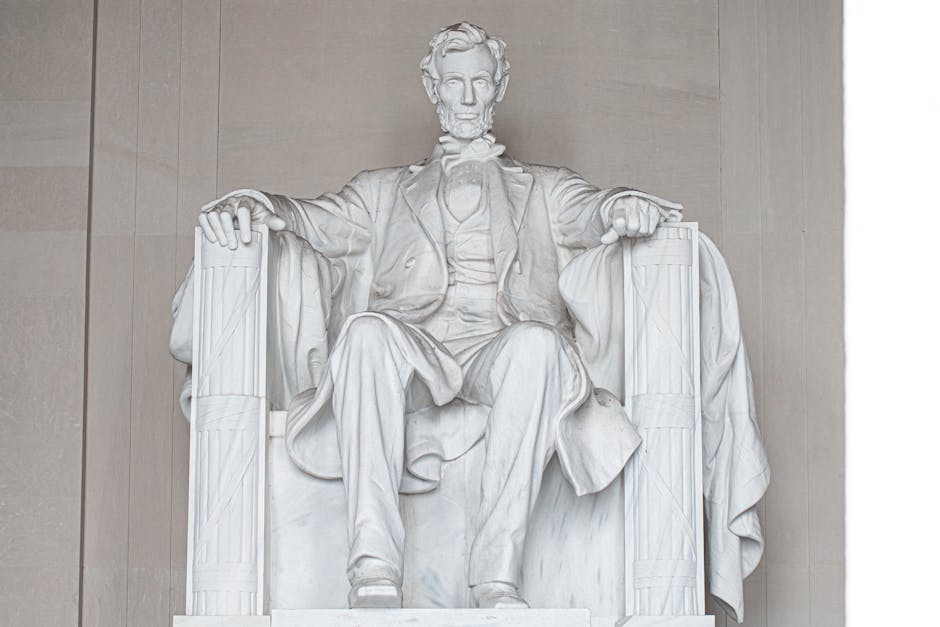
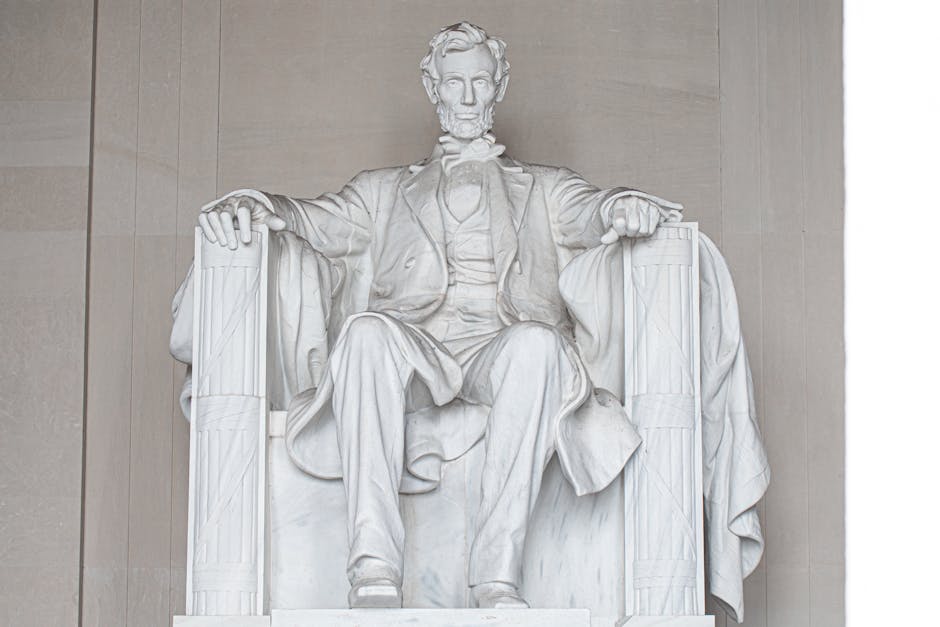
Abraham Lincoln, born in 1809, is forever etched in our hearts as the president who preserved the Union and ultimately ended slavery. His leadership during the Civil War was a defining moment for our nation. His Gettysburg Address, a mere 272 words, affirmed our commitment to equality and the idea that a government "of the people, by the people, for the people, shall not perish from the earth." He is consistently ranked as one of the greatest Americans, holding the 2nd spot out of the top 25 greatest Americans in one survey and 2nd in popularity overall. His popularity is especially strong among Baby Boomers, with 97% fame and 81% popularity.
Decades later, Franklin D. Roosevelt, born in 1882, led us through two of the 20th century's greatest crises: the Great Depression and World War II. His New Deal programs, like Social Security, established crucial social safety nets that continue to protect us today. He not only helped the US recover domestically but also shaped the post-war international order. His leadership exemplified resilience and a deep commitment to the well-being of every American. You can find more about him at Franklin D. Roosevelt. He's ranked 10th out of the top 25 greatest Americans.
And let's not forget Theodore Roosevelt, born in 1858, the 26th president, whose progressive spirit left an indelible mark. His "Square Deal" policies addressed corporate monopolies and consumer protection, ensuring fairness for all. He was also a passionate conservationist, setting the stage for 20th-century America's environmental movement by establishing national parks and forests. His conservation efforts are legendary, and his fearless leadership continues to inspire. Find more about him in Teddy Roosevelt: The Fearless Leader Every Young American Should Know. Theodore Roosevelt has an impressive 98% fame rating and 75% popularity.
Voices That Called for a Better Tomorrow
The journey toward a more perfect Union has also been guided by the powerful voices of US historical figures who bravely challenged the status quo and demanded justice and equality for all. Their unwavering commitment to human dignity reminds us that progress often requires courage and conviction.
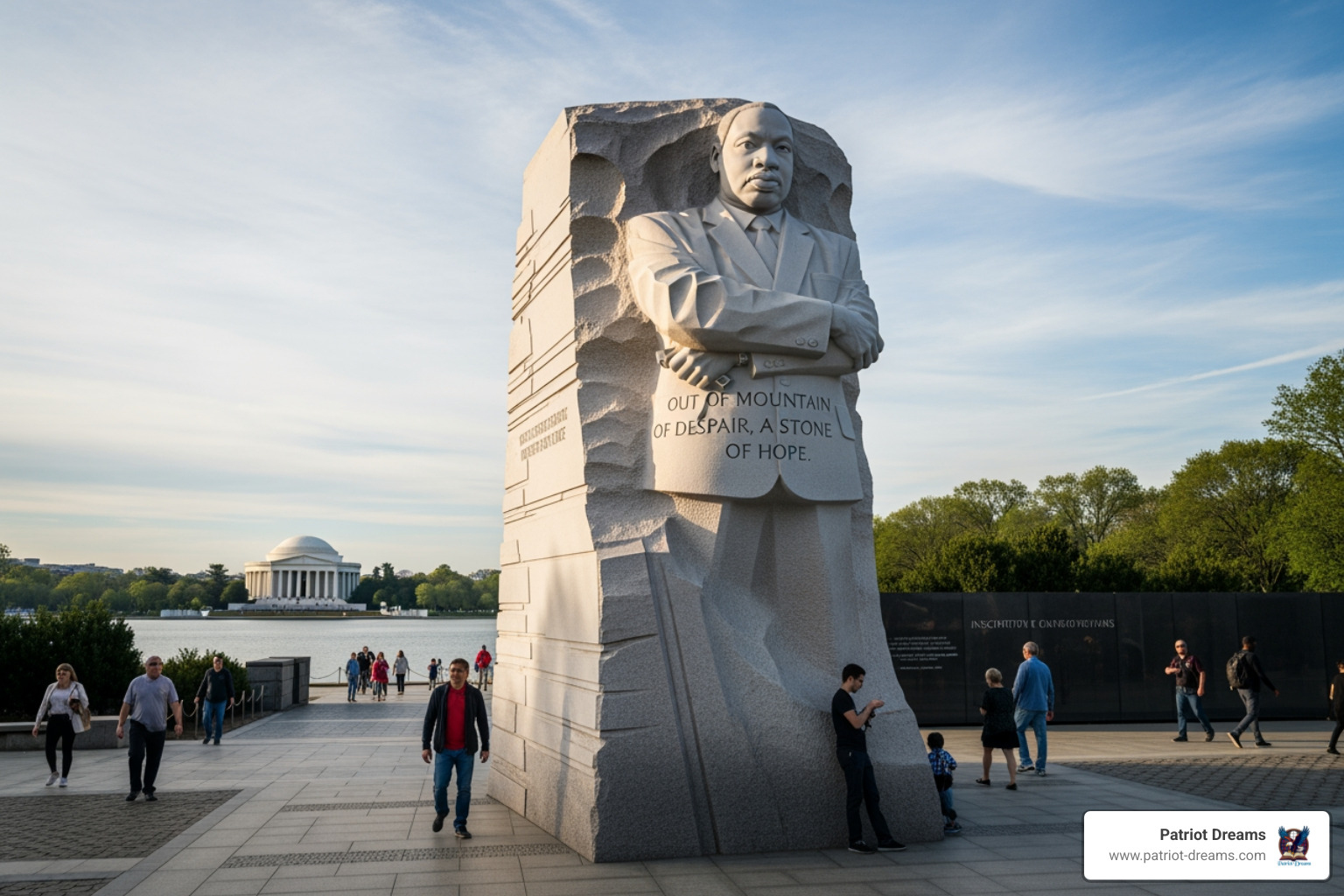
Martin Luther King Jr., born in 1929, is revered as one of American history's most important fighters for racial equality. His leadership in the Civil Rights Movement, marked by nonviolent protest and his iconic "I Have a Dream" speech, led to the passage of the landmark Civil Rights Act and Voting Rights Act. He is ranked 3rd out of the top 25 greatest Americans and 4th in popularity overall, with a high popularity among men. His legacy continues to inspire us to strive for a more just and equitable society. We honor his enduring message in Martin Luther King Jr: The Dream, The Struggle, The Legacy.
Susan B. Anthony, born in 1820, was a pioneer for women's rights and played a key role in the passage of the 19th Amendment, granting women the right to vote. Her tireless advocacy, traveling the country to campaign for suffrage, transformed societal perceptions about women's roles in democracy. Her petition for voting rights is a powerful testament to her dedication. You can explore a historical document related to her efforts here: Susan B. Anthony Petition. She is listed among the top 100 nominees for the greatest American, a recognition of her profound impact.
And then there was Frederick Douglass, born in 1818, an escaped slave who became a leading abolitionist, writer, and orator. His powerful writings on American slavery remain influential, bearing witness to the injustices of his time and advocating fiercely for freedom and equality. His eloquence and moral clarity inspired countless others to join the fight against slavery. He is also listed among the top 100 nominees for the greatest American and ranks 14th in popularity among historical figures.
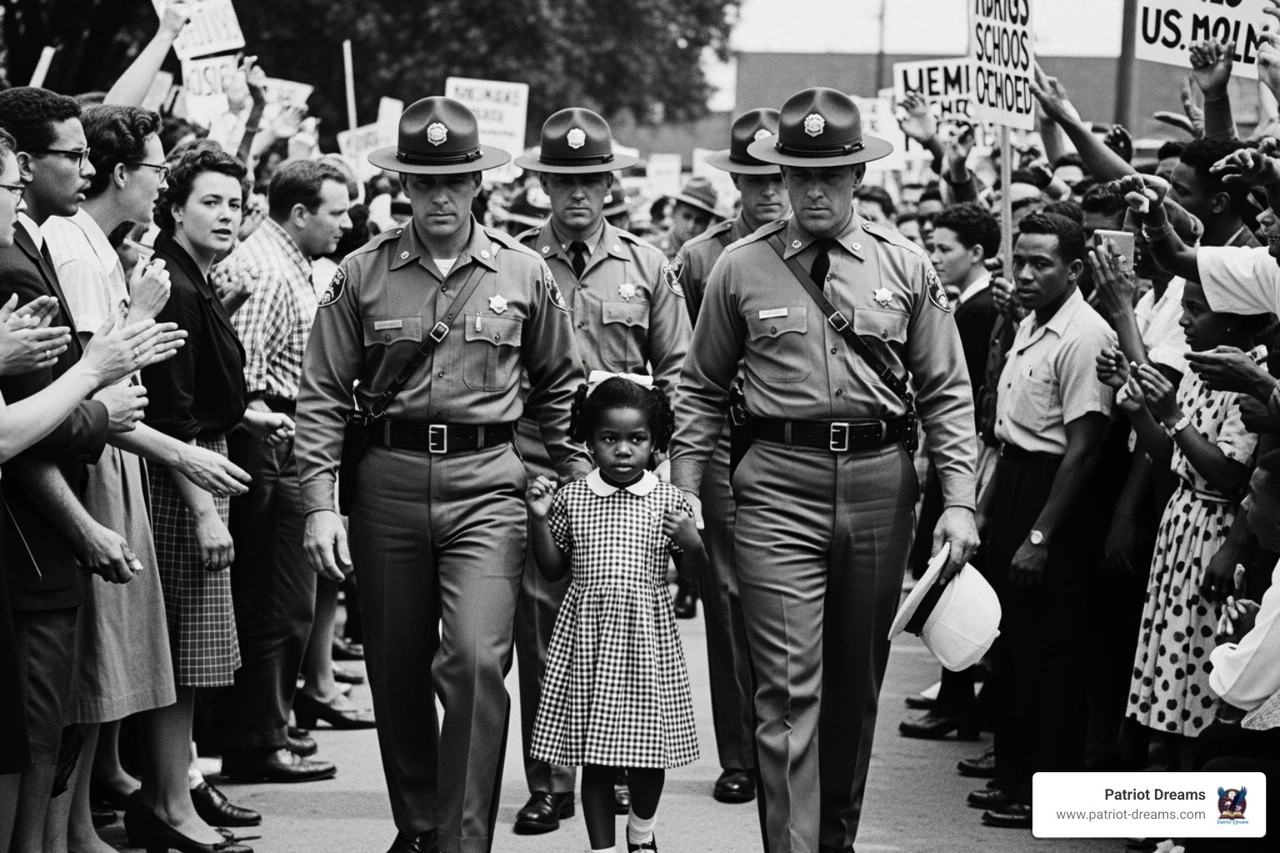
These voices, along with others like Rosa Parks, whose courageous act of defiance sparked the Montgomery Bus Boycott, remind us that change often begins with the brave actions of individuals. Her story is a powerful reminder of how one person's courage can ignite a movement. You can learn more about her impact in Rosa Parks Story. She is ranked 22nd out of the top 25 greatest Americans and 7th in popularity overall.
The Dreamers and Doers: Innovators Who Built Modern America
Beyond leaders and activists, America's story is also rich with the tales of dreamers and doers—US historical figures whose innovative spirits transformed our daily lives and propelled us into the future. Their inventions and ideas sparked new industries, connected people in unprecedented ways, and fundamentally reshaped the American landscape.
Understanding the Legacy of US historical figures in Innovation
The role of innovation and technological advancement in shaping American history is profound. These pioneers didn't just invent things; they created new possibilities for how we live, work, and connect. You can explore more about this spirit of invention in American Innovation History.
Henry Ford, born in 1863, revolutionized automobile production with his Model T, making cars available to the average American and sparking an economic boom. His introduction of the assembly line dramatically increased efficiency, and he popularized the 40-hour, 5-day work week, forever changing labor practices. He is ranked 24th out of the top 25 greatest Americans. His impact was so immense that it not only put America on wheels but also spurred suburbanization and a new "car culture."
Then came The Wright Brothers, Orville and Wilbur, whose first successful flight in 1903 at Kitty Hawk, North Carolina, revolutionized travel and warfare. Their invention of the airplane changed modern transportation forever, shrinking the world and opening up new frontiers of exploration. They are ranked 23rd out of the top 25 greatest Americans.
Thomas Edison, born in 1847, was a prolific inventor who held over 1,000 U.S. patents. His inventions, including the practical incandescent light bulb, the phonograph, and the motion picture camera, changed history and illuminated our world in countless ways. He is listed among the top 100 nominees for the greatest American and ranks 15th in popularity.
And who could imagine our world without the telephone? Alexander Graham Bell, born in 1847, invented this groundbreaking device, fundamentally changing human communication and bringing people closer together across vast distances. He is listed among the top 100 nominees for the greatest American and ranks 13th in popularity.
The Spirit of American Ingenuity
The spirit of American ingenuity continued to flourish, with US historical figures constantly pushing the boundaries of what was possible.
Eli Whitney's invention of the cotton gin in 1793 dramatically increased cotton production, ushering in an era of significant agricultural and economic change, though it also unfortunately entrenched the institution of slavery.
Cyrus McCormick invented the mechanical reaper, which made industrial agriculture possible, changing farming and food production and allowing our nation to feed itself and the world more efficiently.
In the field of public health, Jonas Salk developed the polio vaccine, which rid society of a debilitating plague and saved countless lives. His work is a powerful reminder of how scientific innovation can bring immense relief and hope to humanity.
More recently, figures like Bill Gates have continued this legacy, not only as one of America's greatest innovators in technology but also as a leading philanthropist, investing billions in public health and education globally. These stories of ingenuity and perseverance are a core part of American Pioneer Stories.
Frequently Asked Questions about US historical figures
We often wonder about the stories behind these remarkable individuals and what lessons we can draw from their lives. Here are some common questions we hear:
Who is considered the "Father of His Country"?
George Washington is lovingly remembered as the "Father of His Country" for his indispensable leadership during the American Revolution and for serving as the nation's first president, setting a standard for all who followed. He was born in 1732 and his leadership during the Revolutionary War was crucial. He's consistently ranked among the most influential, appearing as 4th out of the top 25 greatest Americans and 5th in popularity. His decision to serve only two terms established a critical precedent for the peaceful transfer of power in a republic, demonstrating a profound commitment to democratic ideals rather than personal rule.
What makes a historical figure influential?
Influence is about the lasting mark a person leaves on the heart of a nation. It can come from leading a country, sparking a movement for change, inventing something that touches everyone's life, or writing words that inspire generations to dream of a better world. As we explored earlier, it's the difference between mere celebrity and deep "gravitas"—the ability to fundamentally shape our society. Criteria for historical significance often include political impact (like a president's policies), social change (like a civil rights leader's movement), innovation (like an inventor's creation), and cultural influence (like a writer's stories). These are the threads that weave into the fabric of our collective memory, passed down from one generation to the next.
How have perceptions of historical figures changed over time?
Just like friends we get to know better over the years, our understanding of historical figures grows and deepens. As our society's values evolve, we often find new lessons and inspiration in the stories of those who came before us, seeing their struggles and triumphs in a new light. This evolution is natural and reflects our ongoing conversation with history. For instance, while Abraham Lincoln is consistently highly ranked, our understanding of his decisions and their long-term impact continues to deepen. We also see how different demographics perceive figures differently. For example, Albert Einstein is most popular among Millennials (97% fame, 82% popularity), while Abraham Lincoln resonates strongly with Baby Boomers (97% fame, 81% popularity). Anne Frank is most popular among women (95% fame, 79% popularity), and Martin Luther King Jr. is most popular among men (97% fame, 78% popularity). These shifts in perception reveal changing societal values, highlighting which aspects of a figure's legacy resonate most with different groups and generations today. It reminds us that history is not just about the past, but how we understand and connect with it in the present.
Your Journey into America's Story
The stories of these remarkable individuals are more than just history; they are threads in the beautiful, complex quilt of our nation's heritage. Each one offers a lesson in courage, kindness, and perseverance. From the quiet determination of a suffragist to the bold vision of an inventor, these US historical figures show us the power of the human spirit. By listening to their stories, we connect with our shared past and find inspiration for our future. At Patriot Dreams, we believe that understanding these defining moments helps us appreciate the journey we've all been on together.
Explore more defining moments in American history and let these stories inspire your own dreams for tomorrow.

Join the Patriot Dreams Community
Download the app today and start your journey through American history and personal legacy.

Explore Our Latest Insights
Dive into stories that shape our American legacy.