Listen Up: Unearthing the Past Through Audio History


The Magic of Listening to the Past
Audio history lessons bring the past to life through the power of sound and storytelling. Whether you're looking for podcasts, audiobooks, dramatizations, or primary-source speeches, audio formats offer a warm and accessible way to explore American heritage with your family.
Top Ways to Find Audio History Content:
- Podcasts - Short episodes perfect for daily listening (15-75 minutes)
- Audiobooks - Full narrative experiences from trusted sources
- Primary Sources - Historic speeches and oral histories that let you hear history firsthand
- Dramatizations - Story-based series that bring historical figures to life
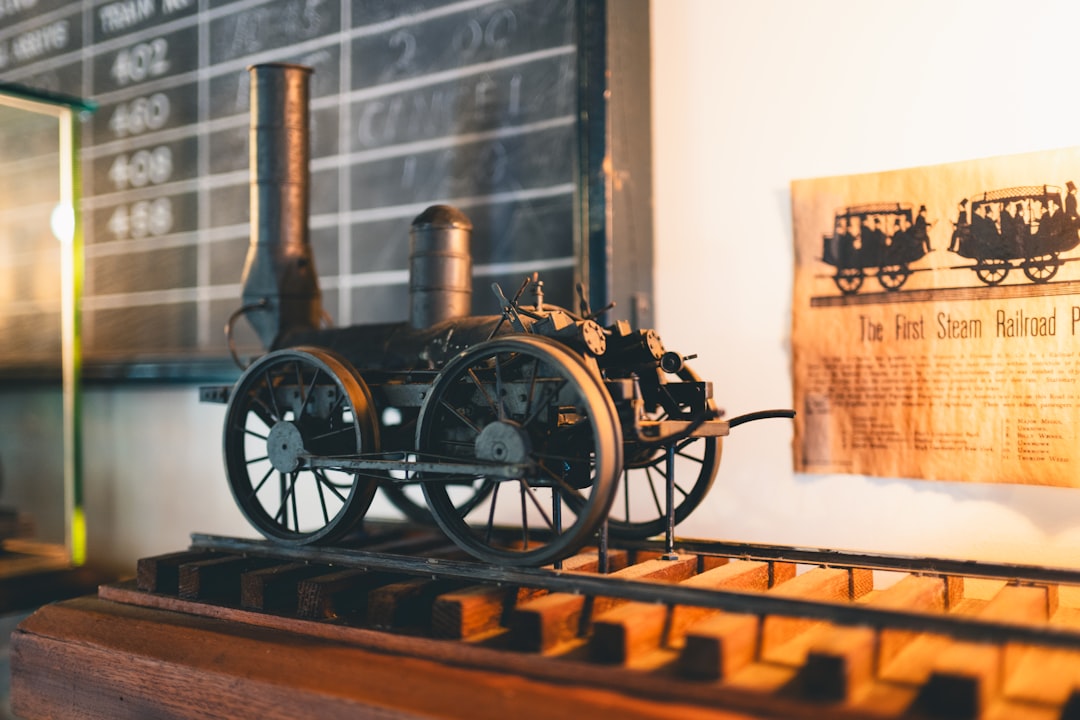
- Object-Based Series - Programs that explore history through the stories of artifacts
There's something special about learning history through listening. It's the way stories were meant to be shared — passed down from one generation to the next, gathered around the warmth of a voice that cares about what happened before us.
When we listen to history, we're not just memorizing dates and facts. We're connecting with real people who lived, dreamed, and built the world we know today. A great narrator can make you feel like you're sitting beside Benjamin Franklin as he reflects on his life, or standing in the crowd as Martin Luther King, Jr. shares his dream.
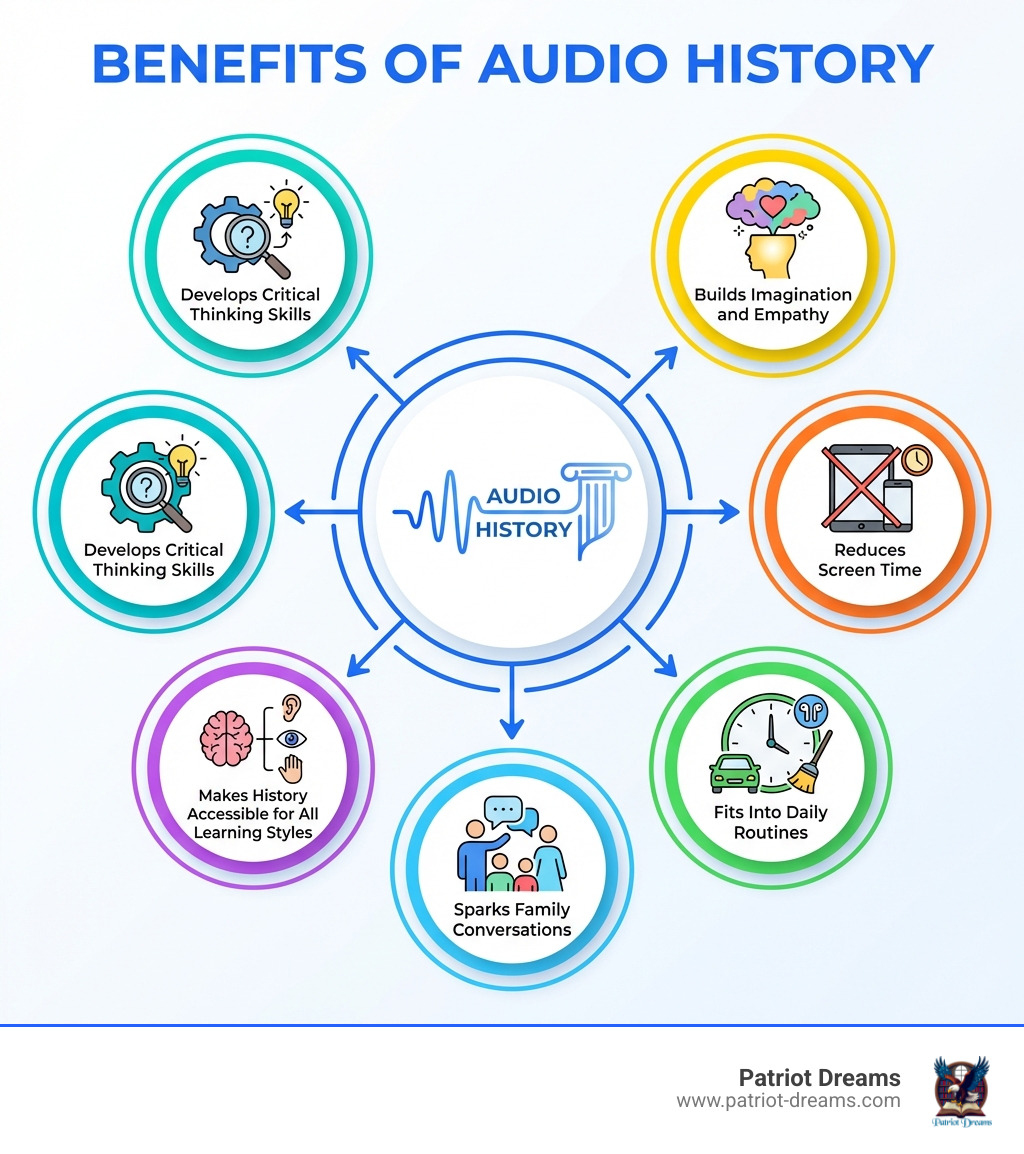
Audio history lessons work beautifully for families. You can listen together during car rides, at dinner time, or while working on a project. There's no screen glowing between you — just voices, imagination, and shared discovery. Kids can picture the past in their minds while parents add context and answer questions. It becomes a conversation, not just a lesson.
With thousands of history audio titles available and options ranging from free resources to comprehensive paid series, there's never been a better time to explore the past through listening.
Easy audio history lessons glossary:
- The First Baseball Game Ever Played — and Why It Still Defines the American Spirit
- "We Stick Together": The Unforgettable Sacrifice of the Sullivan Brothers
Why Listening to History Feels Like Coming Home
There's a unique magic in listening. It’s like gathering around a crackling fire, sharing stories that stretch back through time. The human voice, with its inflections and emotional range, creates an immediate and powerful connection to the past. This isn't just about absorbing information; it's about feeling the weight of history, understanding the triumphs and struggles of those who came before us.
Audio history lessons are incredibly effective for teaching and learning because they tap into our innate love for stories. Unlike textbooks, which can sometimes feel distant and purely factual, audio narratives wrap us in a world of sound, drawing us in with engaging voices and carefully crafted storytelling. They encourage active listening, allowing our imaginations to paint vivid pictures of historical events and figures. This active engagement can lead to deeper understanding and better retention.
Compared to video, audio offers a different kind of immersion. While video provides visual cues, it can also be prescriptive, limiting our personal interpretation. Audio, however, invites us to create our own mental landscapes, fostering imagination and creativity. It also helps reduce screen time, giving our eyes a break while still stimulating our minds.
Moreover, audio history lessons are excellent for developing critical historical thinking skills. As we listen to narratives, we naturally begin to question: Who is telling this story? What is their perspective? How does this event connect to others? This process encourages us to source, contextualize, corroborate, and analyze causation and change over time, much like a detective piecing together clues. This active mental processing cultivates empathy and a nuanced understanding of historical events and their broader implications.
For readers who enjoy the science behind learning, you might appreciate that researchers have explored how listening engages the brain. Studies summarized in resources like "Neuroscience of Learning" describe how spoken stories activate many of the same regions involved in visualization, emotion, and memory. While findings continue to grow and evolve, this emerging field helps explain why a well-told story can stay with us for years.
The Warmth of a Great Narrator
The narrator is the heart of any audio history experience. Think about the joy of listening to a beloved storyteller; their voice can transform a simple account into an unforgettable journey. A skilled narrator doesn't just read words; they interpret, emphasize, and convey emotion, making historical figures and events feel alive and relatable. Their tone and pacing guide us through complex narratives, ensuring we stay engaged and connected.
At Patriot Dreams, we understand the profound impact of a human voice. That's why we feature talented narrators like Grant Benker and Rachel Sloane, who bring warmth, clarity, and passion to our stories. While AI-generated narration is becoming more sophisticated and offers incredible accessibility and creation opportunities, it often lacks the nuanced emotional depth and human connection that a live narrator provides. For stories that aim to inspire and connect, the human touch remains irreplaceable. The subtle inflections, the pauses for dramatic effect, the genuine wonder in a voice — these elements weave a mix that AI, for all its advancements, is still learning to replicate.
From Listening to Understanding
While audio excels at painting mental pictures, sometimes pairing it with visuals can improve comprehension even further. Imagine listening to a vivid account of the Oregon Trail while looking at a map of the route, or hearing about American innovation while seeing images of early inventions. This multi-sensory approach can solidify understanding, making abstract concepts more concrete.
We encourage our listeners to pair their audio history lessons with simple visuals like maps, timelines, or even photographs of the places and people being discussed. For instance, when exploring American Innovation History, a quick look at an image of a historical inventor or a diagram of their creation can bring the audio to life. This creates a richer, more immersive learning experience, allowing us to connect with history on multiple levels.
A World of Stories: Exploring Different Kinds of Audio History Lessons
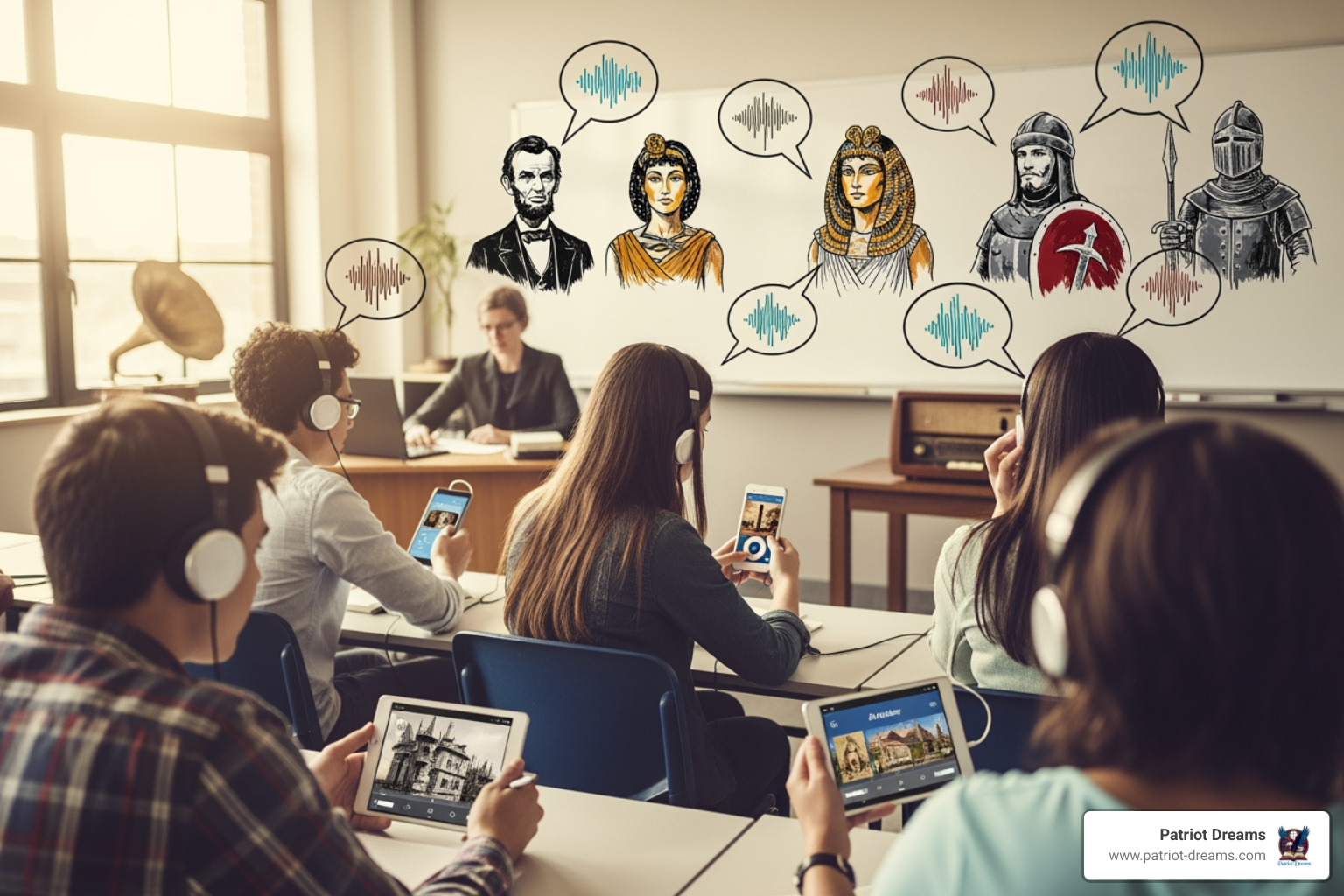
The world of audio history lessons is wonderfully diverse, offering a format for every learning style and interest. From concise daily insights to comprehensive deep dives, there's a treasure trove of stories waiting to be found.
We find that the best audio history lessons for various audiences cater to different time commitments and learning goals. Podcasts are often ideal for shorter, focused listens, ranging from 15-minute segments to 75-minute in-depth discussions, fitting perfectly into commutes or class periods. Audiobooks, on the other hand, offer extensive narratives that are ideal for comprehensive study or extended listening sessions.
Narrative Storytelling: Journeys Through Time
Narrative storytelling is perhaps the most engaging way to learn history through audio. These series follow a chronological path, weaving together events, characters, and contexts into a compelling story. They allow us to connect deeply with historical figures, understanding their motivations, challenges, and triumphs. By presenting history as a continuous narrative, we can better grasp cause and effect, seeing how past decisions shaped the world we inhabit today.
For those eager to dig into pivotal moments in American history, narrative series are invaluable. Imagine tracing the bravery of our early patriots in American Revolution Stories: Ultimate Guide, or understanding the remarkable journey of The True Story of Sacagawea. And who better to guide us through the nation's founding than George Washington: The General Who Became America's First President? These stories don't just recount facts; they invite us to experience history from the perspective of those who lived it.
Object-Based History: The Past in Your Hands
Sometimes, history isn't just about people and events; it's about the tangible things they left behind. Object-based history lessons use artifacts as starting points, revealing entire civilizations, cultures, and daily lives through a single item. This approach offers a unique pedagogical lens, allowing us to ask: What can this object tell us about its creators? What was its purpose? How does it reflect the values and technologies of its time?
While we must keep our focus on American history, the concept remains powerful. Imagine an audio series exploring the history of the United States through objects: a Civil War-era uniform, a tool from a pioneer wagon, a piece of early American pottery. Each item becomes a doorway to a story, connecting us to the past in a concrete, relatable way. This method encourages us to think critically about material culture and how objects serve as silent witnesses to history.
Primary Sources: Hearing History Firsthand
There's nothing quite like hearing history directly from the voices of those who lived it. Primary-source audio, such as historic speeches, oral history interviews, or even old radio broadcasts, offers an unparalleled opportunity to connect with the past unfiltered. These recordings allow us to hear the emotion, conviction, and context that might be lost in a written transcript.
Using primary-source audio is a powerful way to build critical analysis skills. When listening to a historic speech, we can analyze not just the words, but the speaker's tone, pacing, and the audience's reaction (if audible). This helps us understand the context, purpose, and potential impact of the message. For example, listening to Martin Luther King, Jr.: The Dream, The Struggle, The Legacy allows us to experience the power of his words in a way that reading them alone cannot convey. Similarly, exploring resources like The US Constitution & Bill of Rights Explained Simply through audio can bring these foundational documents to life, making their principles resonate more deeply.
Bringing History into Your Home and Classroom
One of the greatest gifts of audio history lessons is their flexibility. They fit seamlessly into our busy lives, changing ordinary moments into opportunities for findy. Whether you're commuting, doing chores, or relaxing, audio can turn downtime into learning time. For families and homeschoolers, this means history can become a shared adventure, woven into daily routines and even road trips. Imagine learning about the westward expansion while driving through states that were once part of the frontier – that’s road schooling at its best!
Tips for Learners and Families
Choosing the right audio history lessons depends on your goals. Are you looking for a broad survey course, a deep dive into a specific topic, or perhaps some primary source material? For younger learners, engaging narrative storytelling with clear voices and moderate pacing works best. Older students and adults might prefer more complex discussions or academic lectures.
Creating themed playlists can be a fantastic way to align audio content with your units of study or family interests. For example, you could curate a playlist about the Civil War, the American Revolution, or influential figures. When listening, we encourage simple note-taking – jotting down key names, dates, or intriguing facts. Learners can then convert these notes into summaries, timelines, or concept maps, reinforcing what they've learned. Most importantly, discuss the stories together! Ask questions, share reflections, and explore how these past events connect to our lives today. Dive into stories like American Pioneer Stories to spark conversations about resilience and courage.
A Resource for Educators
Audio history lessons are a powerful tool for educators, offering dynamic ways to engage students and meet diverse learning needs. We can integrate audio into lesson plans by using pre-listening prompts to activate prior knowledge, providing guided notes to help students focus, and following up with discussions or Socratic seminars. Audio can also inspire project-based learning, where students create their own historical presentations or even mini audio histories.
Mapping audio history lessons to curricula and standards is often straightforward. Many audio series are structured chapter-by-chapter, making them easy to align with textbook units. For English language learners, audio is particularly beneficial. Some resources use controlled vocabulary and slower pacing to aid comprehension. Providing transcripts allows learners to read along, improving listening comprehension, vocabulary acquisition, and literacy skills. This approach helps make complex historical narratives accessible to a wider range of students.
Finding Voices You Can Trust
To understand the past, listen to voices we can trust. Just as with written sources, not all audio history lessons are created equal. We must approach audio content with a thoughtful ear, evaluating sources, checking for potential biases, and understanding the perspective from which a story is told. Recognizing the importance of historiography – the study of historical writing – helps us appreciate that history is an ongoing conversation, shaped by new discoveries and interpretations.
A Guide to Quality Audio History
When choosing audio history lessons, consider these criteria to ensure you're getting reliable and enriching content:
- Author Credentials: Is the content created by historians, educators, or institutions with a strong reputation for historical accuracy? Look for resources that are peer-reviewed or widely used in academia.
- Production Values: Clear audio, engaging narration, and appropriate sound design improve the learning experience without distracting from the content.
- Citing Sources: Does the audio content or its accompanying materials reference the historical sources used? This indicates thorough research and allows for further investigation.
- Proper Attribution: For open-license content (like Creative Commons materials), proper attribution is essential. Reputable sources will clearly state their licensing, which allows for legal and ethical use of educational materials.
Making History a Story for Everyone
Accessibility is key to making audio history lessons truly inclusive. We believe everyone should have the opportunity to connect with American heritage. Look for features that support diverse learners and listening environments:
- Transcripts and Captions: These are invaluable for hard-of-hearing listeners, English language learners, and anyone who benefits from visual reinforcement.
- Speed Control: The ability to slow down or speed up narration allows listeners to adjust the pace to their comprehension needs.
- Downloadable Files: This is crucial for offline listening, especially in areas with limited internet access or for managing bandwidth constraints. Our Educational Audio App offers features designed with these needs in mind.
When discussing sensitive topics in history, such as slavery or war, audio can be particularly effective. The careful pacing and contextualization provided by a thoughtful narrator can help present these subjects with the care and nuance they deserve, fostering understanding without sensationalism.
Frequently Asked Questions about Audio History
How do I get started with audio history?
Starting your audio history journey is like starting on a grand adventure! We recommend beginning with a topic that genuinely sparks your interest. If you love stories about pioneers, seek out narratives about westward expansion. If you're curious about American figures, look for biographies. Try a short audio history lesson series or a podcast to get a feel for the format. Explore different types of content – perhaps a narrative series first, then a primary source. The goal is to find what resonates with you. You might enjoy diving into stories about Historical American Figures to find your starting point.
What are the best audio history lessons for families?
For families, the best audio history lessons are those that are engaging, clearly narrated, and spark conversation. We suggest looking for series specifically designed for younger audiences, often characterized by captivating storytelling and age-appropriate content. Shorter episodes are usually better for children, as they can maintain focus. The key is to find content that everyone can enjoy together, fostering a shared learning experience. Our App for Patriotic Families is designed with this in mind, offering engaging stories that bring American history to life for all ages.
How can I use audio to learn about my own family's history?
Audio is an absolutely beautiful medium for preserving and learning about your own family's history. We can encourage you to become a family historian by interviewing older relatives and recording their stories. These oral histories are invaluable primary sources, capturing personal memories, anecdotes, and perspectives that might otherwise be lost. You can ask about their childhoods, significant historical events they lived through, family traditions, and what life was like in different eras. Creating your own mini audio histories is a wonderful performance task for students and a heartfelt way to preserve your unique family legacy. Our platform is dedicated to helping you Record Family Stories, ensuring these precious memories endure for generations.
Conclusion
The enduring power of stories is a cornerstone of our human experience, and audio history lessons rekindle that ancient tradition in a modern way. They invite us to connect with our shared American heritage not just through facts, but through the warmth of human voices, the stirring of imagination, and the quiet contemplation that listening provides. History, when truly heard, becomes a source of inspiration and unity, reminding us of the resilience, ingenuity, and spirit that have shaped our nation.
At Patriot Dreams, we believe in the joy of discovery through listening, and in making history feel like coming home. We are dedicated to bringing American history, heritage, and personal stories to life, uniquely combining historical exploration with family legacy preservation. We hope you'll join us in this auditory adventure.
Explore a world of inspiring American stories on the Patriot Dreams app

Join the Patriot Dreams Community
Download the app today and start your journey through American history and personal legacy.

Explore Our Latest Insights
Dive into stories that shape our American legacy.