Continental Army Facts for History Buffs

Why Continental Army Facts Still Inspire Us Today
Continental Army facts remind us that ordinary people — farmers, immigrants, free Black men, and everyday families — came together to build something extraordinary.
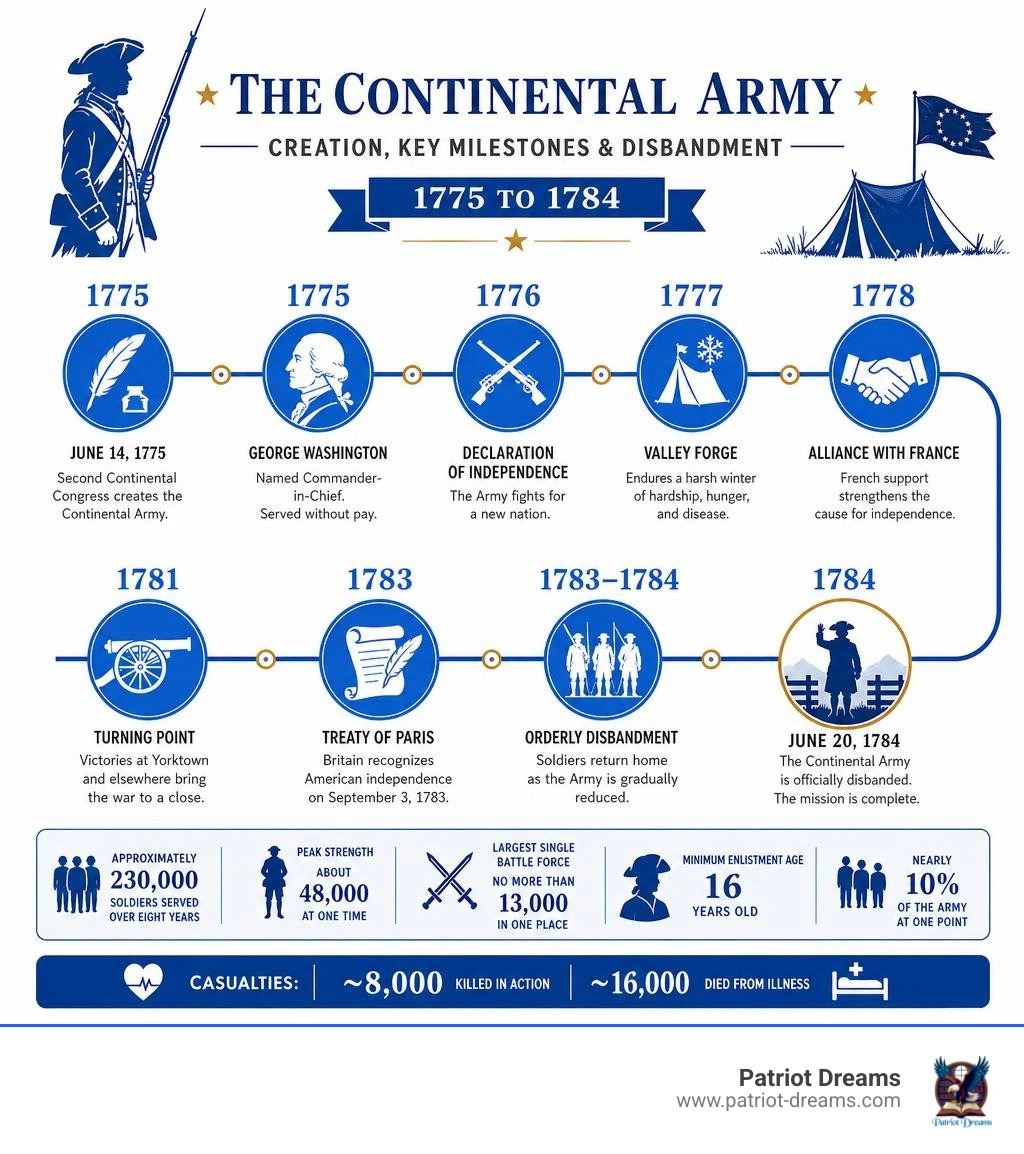
Here are the most important facts at a glance:
| Fact | Detail |
|---|---|
| Founded | June 14, 1775, by the Second Continental Congress |
| Commander-in-Chief | George Washington (served without pay) |
| Total soldiers served | Approximately 230,000 over eight years |
| Peak strength | About 48,000 at one time |
| Largest single battle force | No more than 13,000 in one place |
| Minimum enlistment age | 16 years old |
| Monthly pay (private) | $6.25 |
| Black soldiers | Nearly 10% of the army at one point |
| Casualties | ~8,000 killed in action; ~16,000 died from illness |
| Disbanded | June 20, 1784 |
This wasn't a polished, professional army from the start. It was a ragtag group of people who believed in something bigger than themselves. And somehow — through freezing winters, empty stomachs, and impossible odds — they held together.
George Washington himself called their perseverance "little short of a standing miracle."
Whether you're tracing your own family roots back to the Revolution, or just love discovering the human stories behind the history books, there is so much here that will surprise and move you.
Let's take a closer look at the people, the struggles, and the moments that shaped America's first army — and, in many ways, America itself.
Basic Continental Army facts vocab:
- Founding Fathers
- Revolutionary War heroes
- George Washington: The General Who Became America’s First President
The Birth of America's First Army: Essential Continental Army Facts
To truly appreciate the story of the Continental Army, we have to travel back to the late spring of 1775. The air in Philadelphia was thick with tension. Just a couple of months earlier, in April, the Battles of Lexington and Concord had changed everything. The local New England militias had stood their ground, but everyone knew that a collection of localized, independent groups wouldn't be enough to sustain a long-term defense of their homes and families.
On June 14, 1775, the Second Continental Congress made a historic decision. They voted to adopt the New England "Army of Observation" currently surrounding Boston, transforming it into a unified, national force representing all thirteen colonies. This marked the official birth of the Continental Army, an event we still celebrate today as the birthday of the United States Army.
If you love diving deep into these early moments of courage, our American Revolution Stories Ultimate Guide offers an even closer look at the human experiences that defined this era.
The creation of The Continental Army was a massive leap of faith. Before this moment, the colonies had no central military institution. Many early Americans were deeply suspicious of a standing army. They had seen how professional armies in Europe could be used by monarchs to suppress liberty. Yet, the Founders realized that to protect their communities and build a secure future, they needed a disciplined, cohesive force. This tension between the fear of a standing military and the necessity of national defense shaped the very character of the new army. It was designed from the ground up not as an instrument of conquest, but as a protective shield for a budding community.
How the Continental Army Differed from Local Militias
It is easy to picture the Revolutionary War as a conflict fought entirely by simple farmers grabbing their muskets from above the fireplace and rushing out to meet the enemy. While local militias played a vital, heroic role in defending their immediate neighborhoods, they were very different from the Continental Army regulars.
The colonial militia system was generally compulsory, local, and short-term. Militiamen were citizens first. They would gather for local defense, often serving for just a few weeks or months at a time before returning to their farms to plant crops or harvest fields. They chose their own local officers, wore their everyday clothes, and had little standardized training.
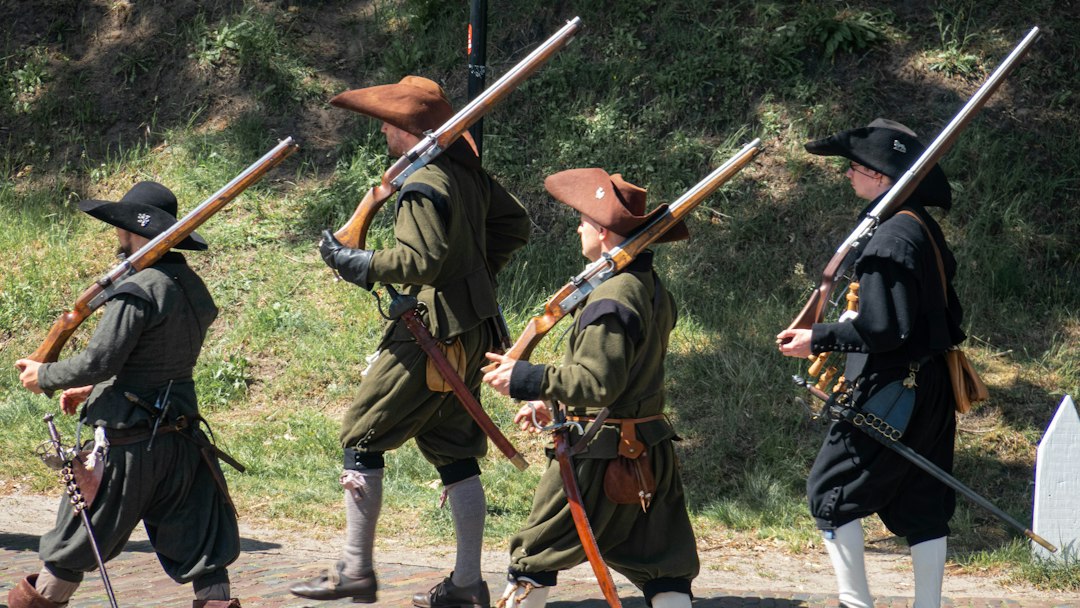
The Continental Army, on the other hand, was designed to be a professional, national institution. These were soldiers who signed enlistment contracts — initially for one year, but later extended to three years or even the entire duration of the war. They answered to a unified command structure appointed by Congress, underwent rigorous daily drills, and strove to represent the collective spirit of all thirteen colonies rather than just their home towns.
| Feature | Colonial Militias | Continental Army Regulars |
|---|---|---|
| Scope of Service | Localized; defended their own counties or states. | National; traveled wherever the campaign required. |
| Enlistment Period | Very short-term (often a few weeks to a few months). | Long-term (1 to 3 years, or the duration of the war). |
| Training & Drill | Minimal; varied widely by town and local tradition. | Standardized, rigorous daily drill (especially after 1778). |
| Command Structure | Officers often elected by local neighbors. | Officers commissioned by the Continental Congress. |
| Primary Focus | Part-time defense of home and harvest. | Full-time professional service for national unity. |
George Washington's Leadership and Vision
Every great endeavor needs a steady hand, and on June 15, 1775, the Continental Congress unanimously chose George Washington of Virginia to lead this new army. When Washington accepted the commission, he made a remarkable gesture of selfless service: he refused to take a salary, asking only that his actual expenses be reimbursed at the end of the conflict. This act of humility set a profound tone for the entire army.
Washington was not just a military strategist; he was a builder of character and unity. When he arrived in Cambridge, Massachusetts, in July 1775 to assume command, he found a collection of passionate but deeply divided regional groups. Soldiers from Massachusetts often looked at volunteers from Pennsylvania or Virginia with suspicion, and regional rivalries threatened to tear the camp apart from within.
With patience, kindness, and firm discipline, Washington worked to dissolve these invisible barriers. He taught his men to see themselves not as Virginians or New Englanders, but as Americans fighting side-by-side.

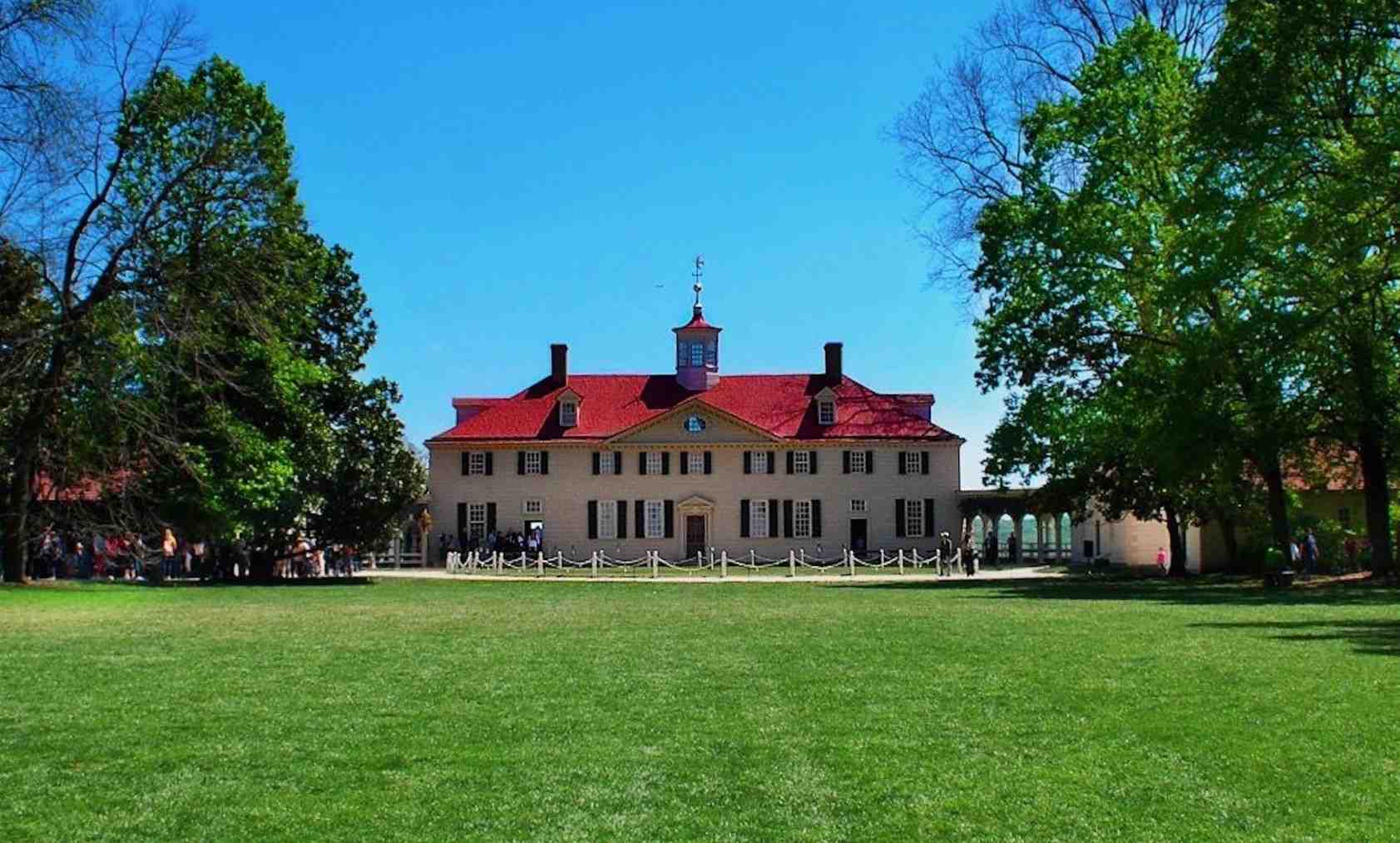
Throughout the long, dark years of the war, Washington’s greatest strength was his sheer perseverance. He lost more battles than he won, but his strategic genius lay in keeping the army intact. He understood that as long as the Continental Army survived in the field, the American dream remained alive. To learn more about his incredible journey from a planter to a national icon, visit our guide on George Washington: The General Who Became America's First President. For a deeper look at his daily life and headquarters during the war, you can also explore the resources provided by the Continental Army | George Washington's Mount Vernon.
A Diverse Tapestry of Everyday Heroes
When we look back at the faces of the Continental Army, we find a beautiful, diverse tapestry of humanity. These were not seasoned, uniform professionals; they were everyday people from all walks of life. The average age of a Continental soldier was about 22, but the ranks included enthusiastic boys as young as 15 and determined grandfathers in their 70s.
Among them were immigrants from Germany, Ireland, Scotland, France, and the Netherlands, standing shoulder-to-shoulder with native-born colonists. They brought different languages, traditions, and skills to the campfires, but they were bound together by a shared hope for a free and peaceful home. You can read more about these diverse and deeply moving personal journeys in our Revolutionary War Perspectives Guide 2026 and discover the individual stories of our Revolutionary War Heroes.
Surprising Continental Army Facts About Black Soldiers
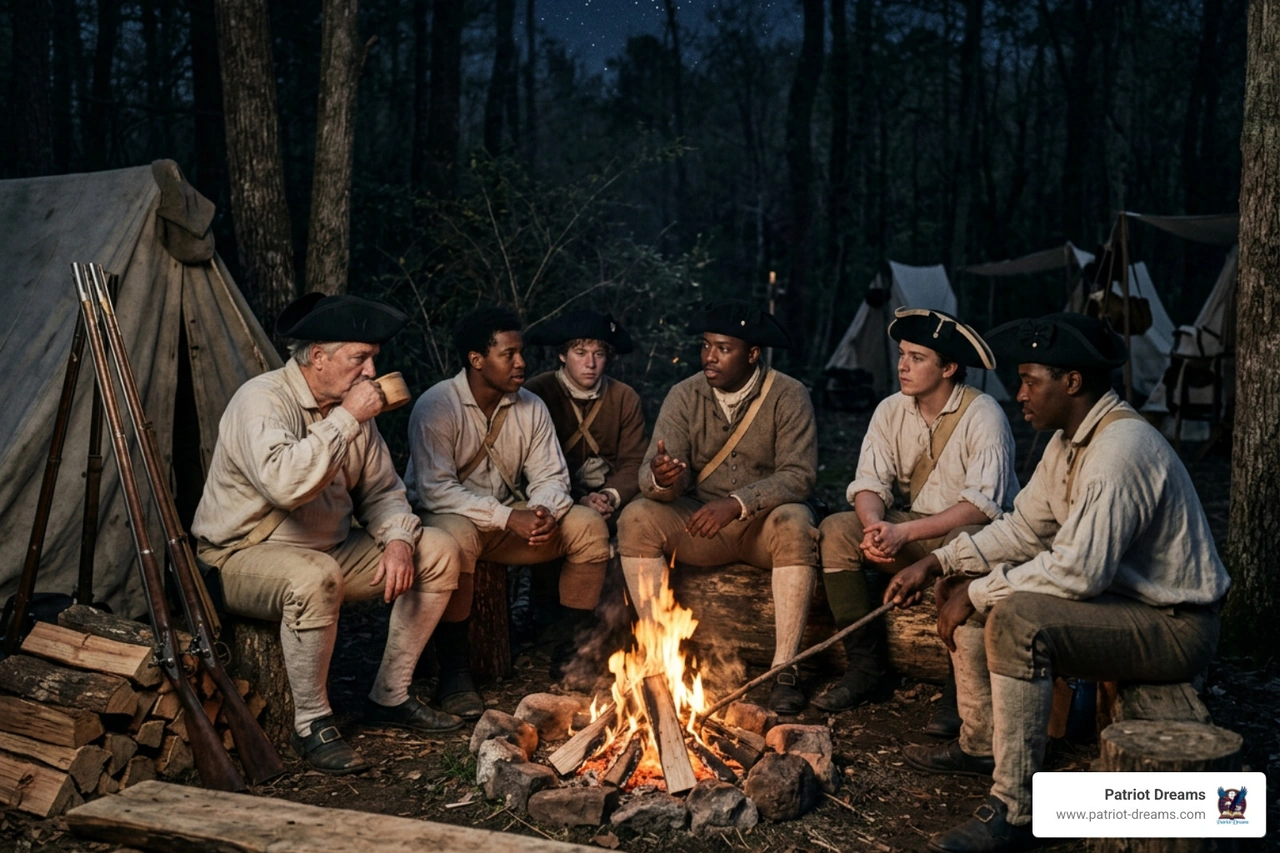
One of the most inspiring,, Continental Army facts is that it was the last racially integrated American military force until the Korean War, nearly two centuries later.
At a time when society was deeply divided, the crucible of the Revolutionary War brought free and enslaved Black Americans into the heart of the struggle. By 1780, persons of color made up an estimated 10% to 15% of the army, with some northern regiments reaching even higher percentages.
A shining example of this courage was the famous 1st Rhode Island Regiment, where more than three-quarters of the soldiers were Black or Indigenous. These men fought with incredible bravery, earning the deep respect of their fellow soldiers and commanders alike.
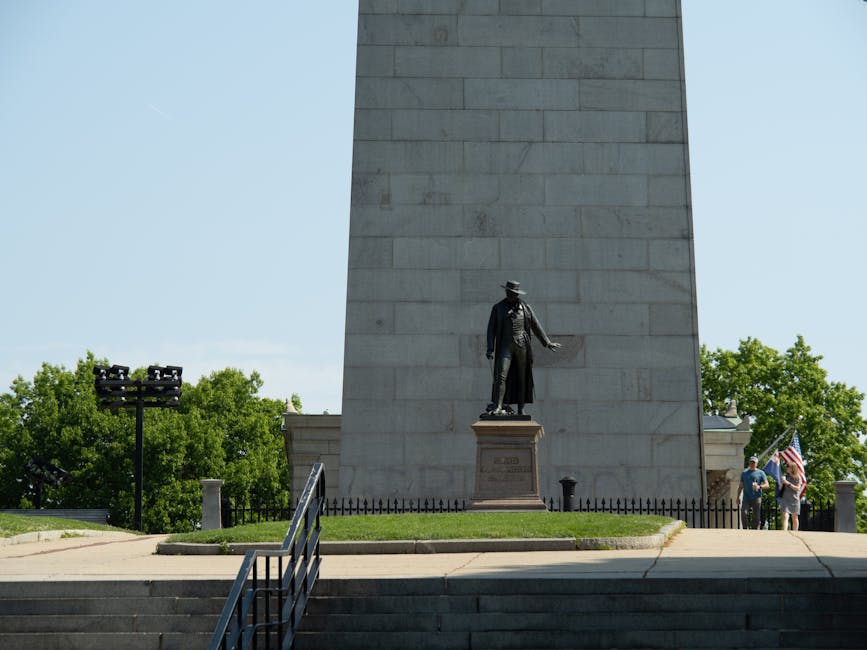
We also remember individual heroes like Peter Salem, a formerly enslaved man who joined the Massachusetts militia and later the Continental Army. Salem served with honor for nearly five years, fighting in major engagements like the Battle of Bunker Hill, where he is credited with a crucial stand that saved many of his comrades. You can read his heartfelt story of courage in our feature, At Bunker Hill and Beyond: Peter Salem's Revolutionary War Legacy.
The Brave Women and Families of the Encampments
The story of the Continental Army is also a story of families. Wherever the army marched, they were accompanied by hundreds of women and children known as "camp followers." Far from being a distraction, these families were the unsung backbone of the army's daily survival.
These brave women served as nurses, cooks, seamstresses, and laundresses. They washed clothes, mended uniforms, comforted the sick, and brought a touch of home and warmth to the rugged military camps. Some, like Martha Washington, spent their winters at the freezing encampments, fundraising, sewing socks, and organizing comfort supplies for the shivering soldiers.
Others stepped directly into the pages of legend. We remember Mary Ludwig Hays, affectionately known as "Molly Pitcher," who carried water to thirsty soldiers under blistering heat at the Battle of Monmouth. When her husband, an artilleryman, collapsed from heat exhaustion, Mary stepped forward without hesitation, taking his place at the cannon and continuing to fire at the enemy.
We also honor Margaret Corbin, who took her husband's place at a cannon during the defense of Fort Washington and was severely wounded in the process.
To explore more about these incredible women who shaped the nation, check out our articles on Women in Revolution and the legendary Molly Pitcher.
Overcoming Hardships: Valley Forge and the Crucible of Training
To understand the true spirit of the Continental Army, we must look at the quiet, difficult moments between the battles. The winter of 1777–1778 at Valley Forge, Pennsylvania, remains the ultimate symbol of American resilience.
Located about twenty miles north of British-occupied Philadelphia, Valley Forge was not a battlefield, but a crucible of suffering and hope. The soldiers arrived tired, hungry, and poorly clothed. Many had no shoes, leaving bloody footprints in the snow as they built their own log cabins. Supply chains had completely broken down, and the Continental Congress struggled to provide basic food, blankets, and medicine.
Diseases like typhus, influenza, and smallpox swept through the camp. Out of approximately 12,000 soldiers encamped there, nearly 2,000 died from illness and exposure. Yet, despite the hunger and the biting cold, the vast majority of the soldiers chose to stay. They huddled around small campfires, shared what little bread they had, and kept each other's spirits alive.
Tactical Continental Army Facts: From Amateurs to Professionals
It was during this dark winter at Valley Forge that a remarkable turning point occurred. A Prussian military officer named Baron Friedrich Wilhelm von Steuben arrived in camp. Though he spoke very little English, von Steuben possessed a warm heart, a colorful vocabulary, and a brilliant mind for organization.
Washington welcomed him warmly, and von Steuben set to work. He began by forming a "model company" of 100 chosen soldiers, personally training them in simplified European military drills. Once they mastered the movements, these soldiers went back to their respective regiments and taught their comrades.
Von Steuben transformed the camp's hygiene, reorganizing the layout of the cabins to prevent the spread of disease. He also wrote the first official drill manual for the American military, commonly known as the "Blue Book," which synthesized European tactics into simple, practical steps.
Before Valley Forge, loading a musket was a chaotic process. Von Steuben standardized it into thirteen precise steps, enabling a soldier to load and fire three rounds per minute.
According to the 10 Facts: The Continental Army | American Battlefield Trust, this intensive training turned a ragtag group of survivors into a highly disciplined, professional army. When they marched out of Valley Forge in the spring of 1778, they were ready to stand face-to-face with the most powerful army in the world.
Turning the Tide: Major Victories and the Road to Peace
While the Continental Army lost many of its early battles, their growing discipline and tactical skill eventually began to bear fruit. The path to victory was paved with moments of brilliant strategy and profound perseverance.
The first major turning point came in the autumn of 1777 at the Battle of Saratoga in New York. There, American forces surrounded and captured an entire British army under General John Burgoyne. This stunning victory proved to the world that the Americans could win major engagements. Most importantly, it convinced King Louis XVI of France to officially enter the war as an American ally, bringing vital naval support, troops, gunpowder, and financial aid.
Four years later, in the autumn of 1781, this alliance reached its glorious peak at the Siege of Yorktown, Virginia. The Continental Army, marching alongside French troops and supported by the French navy, trapped British General Cornwallis on a narrow peninsula.
After weeks of siege, Cornwallis realized escape was impossible. On October 19, 1781, more than 7,000 British and Hessian troops surrendered, effectively bringing the military operations of the Revolutionary War to an end.
As we look toward the future, these victories remind us of the enduring power of unity. You can read more about how we celebrate these foundational milestones in our features on The 250th Anniversary of the Declaration of Independence and our look ahead to the 250 Anniversary.
From Swords to Ploughshares: The Legacy of America's First Soldiers
When the Treaty of Paris was officially signed in September 1783, recognizing the independence of the United States, the Continental Army faced its final, perhaps most beautiful, transition.
Throughout history, victorious armies have often seized political power, turning their generals into dictators. But the soldiers of the Continental Army were different. They had fought for the right to return to their quiet, peaceful lives.
In late 1783, the army began to demobilize. On December 23, 1783, George Washington walked into the statehouse in Annapolis, Maryland, and returned his commission to the Continental Congress, resigning his military power and returning to his farm as a private citizen.
By early 1784, the massive army was almost entirely disbanded, leaving only a small, token force of 80 active-duty soldiers to guard military stores. Soon after, this tiny remnant was expanded and reorganized, eventually transitioning into the First American Infantry Regiment, which laid the foundation for today's United States Army.
These brave souls had beaten their swords into ploughshares, returning to their families, their fields, and their trades. Yet, the legacy of their unity, sacrifice, and quiet heroism remained, forming the very bedrock of the American spirit.
At Patriot Dreams, we believe in keeping these precious memories alive for future generations. Learn more about how we are empowering the next generation of storytellers and historians in our guide, Patriot Dreams and America 250: Empowering the Next Generation of Leaders for the Nation's Semiquincentennial.
Frequently Asked Questions about the Continental Army
When was the Continental Army officially established?
The Continental Army was officially established on June 14, 1775, by a resolution of the Second Continental Congress meeting in Philadelphia. It was created to provide a unified, national defense for all thirteen colonies following the outbreak of hostilities at Lexington and Concord.
How many soldiers served in the Continental Army?
Approximately 230,000 soldiers served in the Continental Army over the eight years of the Revolutionary War. Because enlistments were temporary and many soldiers returned to their families after their terms ended, the army's active strength fluctuated, peaking at about 48,000 men at one time, with no more than 13,000 troops gathered in a single place for battle.
What happened to the Continental Army after the Revolutionary War?
Following the Treaty of Paris in 1783, the Continental Army was quickly demobilized. By early 1784, only a small token force of 80 soldiers remained on active duty. This small force eventually transitioned into the First American Infantry Regiment, forming the direct lineage of the modern United States Army.
Conclusion
The story of the Continental Army is not just a collection of dates, tactics, and battle statistics. It is a deeply personal story of everyday people who dared to dream of a better, freer world for their children. They faced hunger, freezing winters, and overwhelming odds, yet they stood together with kindness, resilience, and an unwavering commitment to one another.
Here at Patriot Dreams, we believe that these stories are a vital part of our shared family heritage. Our interactive map and unique audio storytelling platform are designed to bring American history and personal family legacies to life, helping you discover and preserve the beautiful stories of perseverance in your own family tree.
We invite you to take a moment to explore your own family's history of courage. Preserve your family's own stories of perseverance and heritage with us today, and let's keep the warm, inspiring spirit of America's first heroes alive for generations to come.

Join the Patriot Dreams Community
Download the app today and start your journey through American history and personal legacy.

Explore Our Latest Insights
Dive into stories that shape our American legacy.