MLK Nobel Acceptance Speech: A Powerful Manifesto for Lasting Peace

What Martin Luther King Jr. said in his Nobel acceptance speech
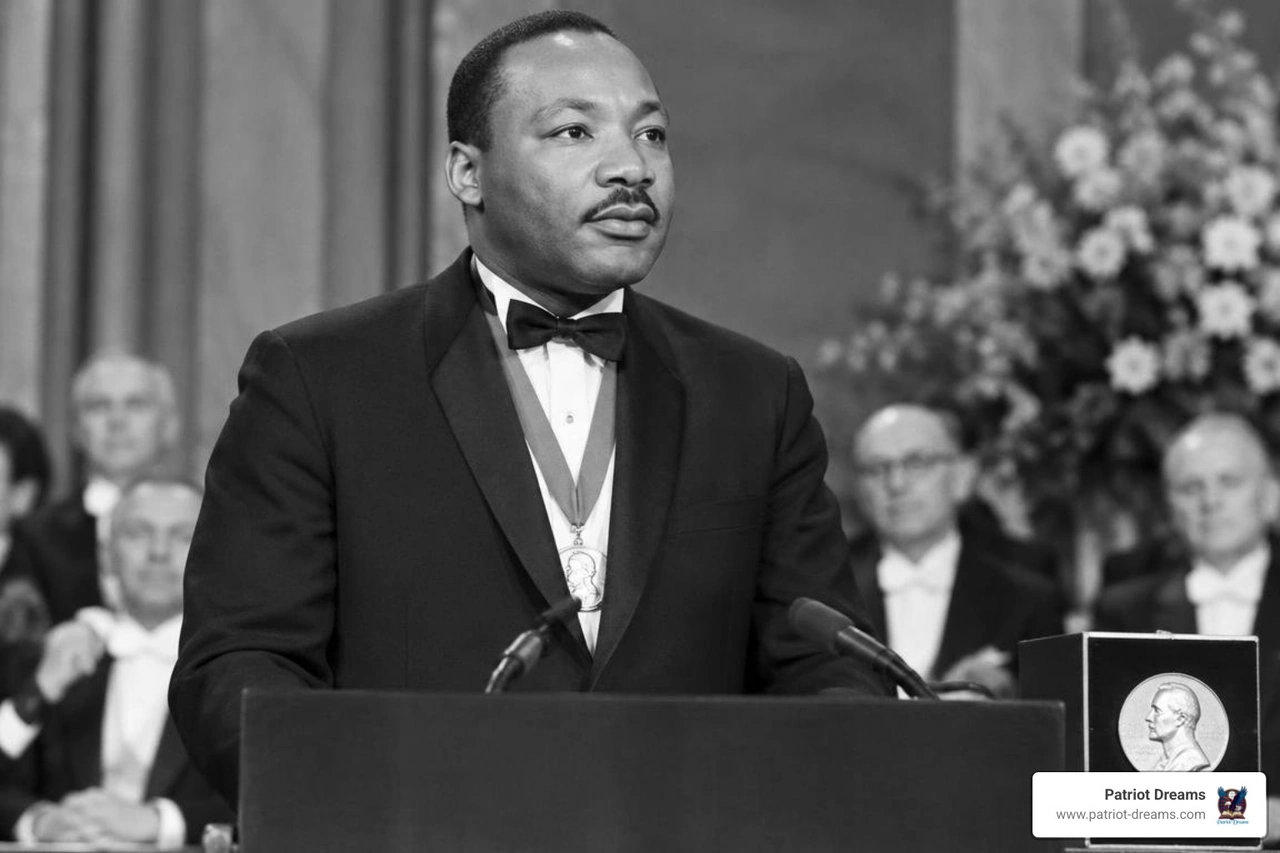
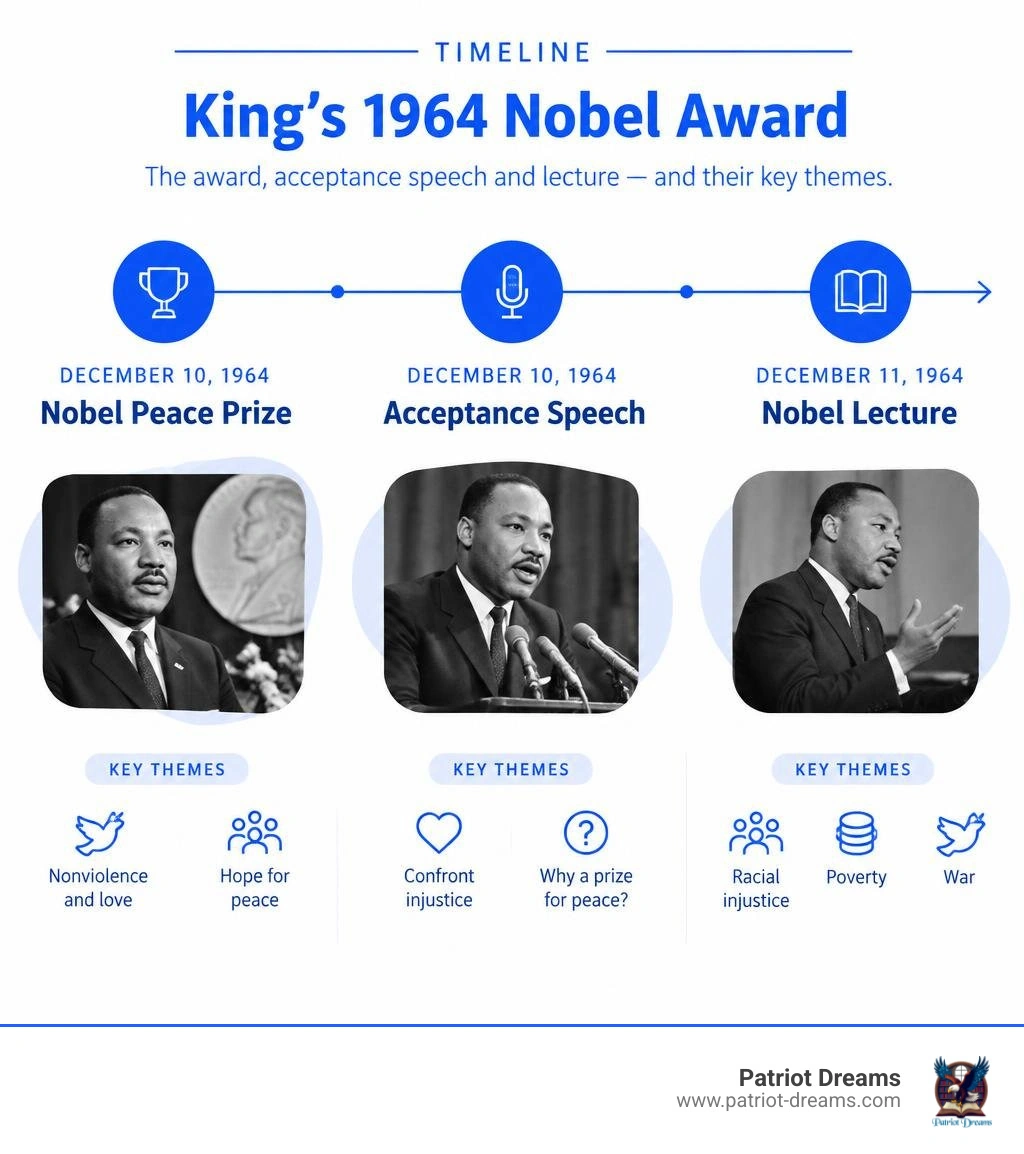
In his Nobel acceptance speech on December 10, 1964, Martin Luther King Jr. accepted the Peace Prize on behalf of the civil rights movement, not himself alone. His central message was that nonviolence and love could help people confront injustice without giving up hope for peace. He also asked why a movement still facing violence should receive a prize for peace.
King gave a separate Nobel lecture the next day, where he spoke more fully about racial injustice, poverty, and war. We’re Kyle & Emily, and we’ll explore how these two Oslo addresses carried the courage of everyday people to a global audience.
MLK Nobel acceptance speech further reading:
- Civil Rights Movement facts
- MLK dream for America
- martin luther king jr quotes
Historical Context of the MLK Nobel Acceptance Speech
When Dr. Martin Luther King Jr. traveled to Oslo, Norway, in December 1964, he carried the hopes and burdens of millions of Americans with him. That year had already seen landmark triumphs and immense heartbreak across the United States. Just months earlier, President Lyndon B. Johnson signed the historic Civil Rights Act of 1964, legally ending segregation in public places and banning employment discrimination.
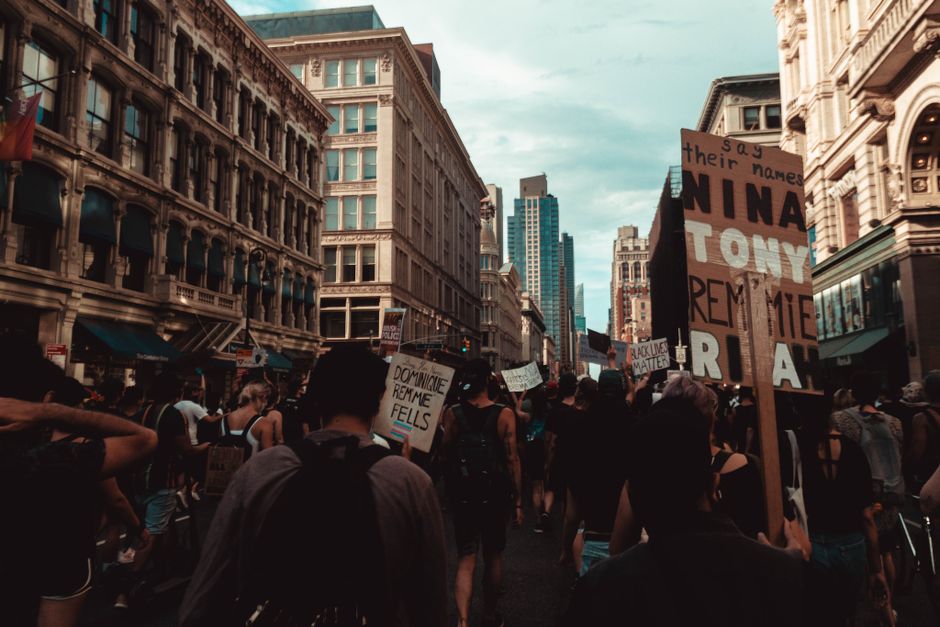
Yet, daily life for many people remained fraught with hardship. In Mississippi alone, more than 40 houses of worship were burned or bombed because they opened their doors as sanctuaries for voting education and nonviolent fellowship. The nation had also mourned the murders of civil rights workers in Philadelphia, Mississippi, and violent clashes in Birmingham, Alabama.
Standing before the Norwegian Nobel Committee in the auditorium of Oslo University, King spoke as the leader of the Southern Christian Leadership Conference (SCLC). He made it clear that he was not standing there as an isolated hero. Instead, he represented the 22 million African Americans across the United States who were striving daily to create a fairer society. You can read the full acceptance speech transcript to see how he placed this domestic struggle onto the global stage.
Accepting the Honor on Behalf of Unsung Heroes
Rather than treating the Nobel Peace Prize as a personal trophy, King shared a beautiful metaphor that honored everyday citizens. He likened the award to a tribute given to a flight crew, explaining that while people often see the pilot stepping off the plane, the flight would never take off without the dedicated work of the ground crew.
To King, that ground crew consisted of the quiet, courageous neighbors who rarely made the evening news:
- Everyday mothers and fathers who walked miles rather than ride segregated buses.
- Young students who sat peacefully at lunch counters despite verbal taunts.
- Grassroots volunteers who taught voter registration classes in rural community halls.
- Devoted activists who embraced nonviolent discipline across the Civil Rights Movement.
By dedicating the prize to these unsung heroes, King showed that lasting change is built through shared neighborly commitment and selfless care.
Nonviolence as a Moral Force for Social Transformation
A central question King explored in Oslo was whether nonviolence was practical in the face of deep adversity. He answered with gentle certainty: nonviolent direct action is not passive surrender, but a proactive, moral power that disarms bitterness and invites reconciliation.
King drew upon the concept of agape—a profound, understanding, and redemptive goodwill for all people, regardless of whether they are friends or opponents. Inspired by Christian teachings and the example of Mahatma Gandhi in India, King believed that choosing not to strike back breaks the cycle of animosity. Suffering endured with dignity, he argued, has the power to transform both the person standing for justice and the observer witnessing it.
| Approach | Primary Method | Guiding Mindset | Intended Long-Term Outcome |
|---|---|---|---|
| Nonviolent Resistance | Peaceful assembly, dialogue, and redemptive goodwill | Agape (unconditional love) and moral discipline | Reconciliation, lasting community, and mutual respect |
| Violent Conflict | Physical force, retaliation, and coercion | Bitterness, suspicion, and defeat of the opponent | Lingering resentment, deeper division, and ongoing conflict |
Core Philosophy and Themes in the MLK Nobel Acceptance Speech
Throughout his remarks, King expressed an unshakable trust in the power of moral integrity. He famously proclaimed his faith in "unarmed truth and unconditional love," reminding the world that these gentle forces would ultimately have the final word over discord and injustice.
He envisioned society moving forward along what he called a "superhighway of justice," where every person has the space to thrive. For King, peace was never merely the absence of tension, but the active presence of brotherhood and fairness. For those interested in studying his inspiring words, our Martin Luther King Jr. Quotes Guide offers deeper insight into his lifelong messages of hope.
Confronting the Three Evils: Racism, Poverty, and War
The day after accepting the prize, Dr. King delivered his formal Nobel Lecture, titled "The Quest for Peace and Justice." In this address, which is preserved by the Stanford King Institute archive, he expanded his vision from the American South to the entire human family. He identified three interrelated challenges facing modern civilization: racial injustice, economic poverty, and war.
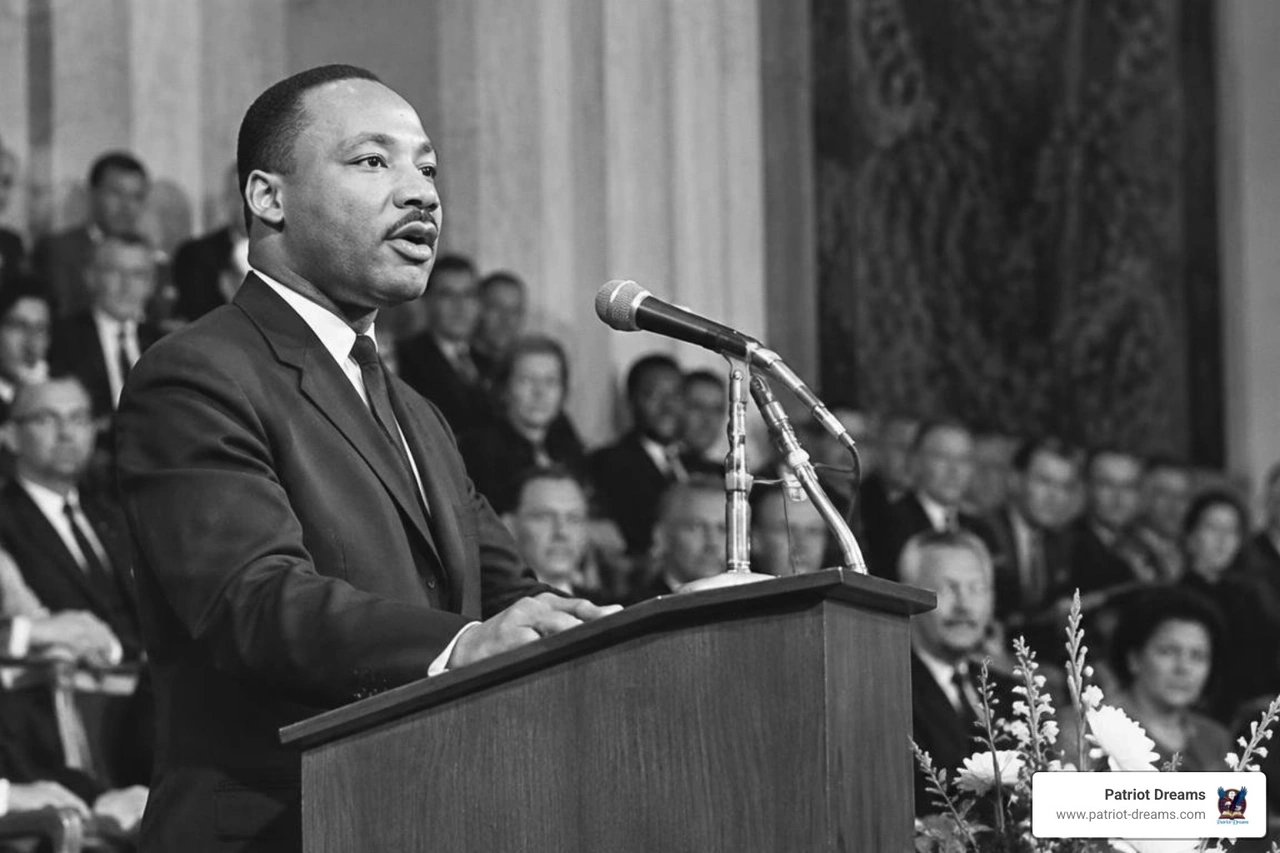
King noted a striking paradox of modern life: humanity had achieved breathtaking scientific and technological milestones, yet suffered from a profound "spiritual lag." We had built faster transit, conquered great distances, and split the atom, but we still struggled to live together as caring neighbors. He warned against having "improved means to an unimproved end," urging societies to match their scientific genius with moral maturity.
Decolonization, Economic Justice, and the World House Metaphor
King connected the American civil rights struggle to the worldwide decolonization movements taking place across Africa and Asia. He noted with joy that just thirty years prior, there were only three independent nations across the entire African continent; by late 1964, 35 sovereign African nations had emerged into independence, demonstrating a worldwide yearning for human dignity.
He also turned his attention to economic hardship. In 1964, the United States was producing a national gross product approaching 650 billion dollars, yet nearly one-fifth of its population—roughly 40 million individuals across 10 million families—lived in poverty. On a global scale, two-thirds of the world went to bed hungry each night. King called on wealthy nations to wage an all-out, collaborative "peace race" to eliminate hunger, illiteracy, and inadequate housing.
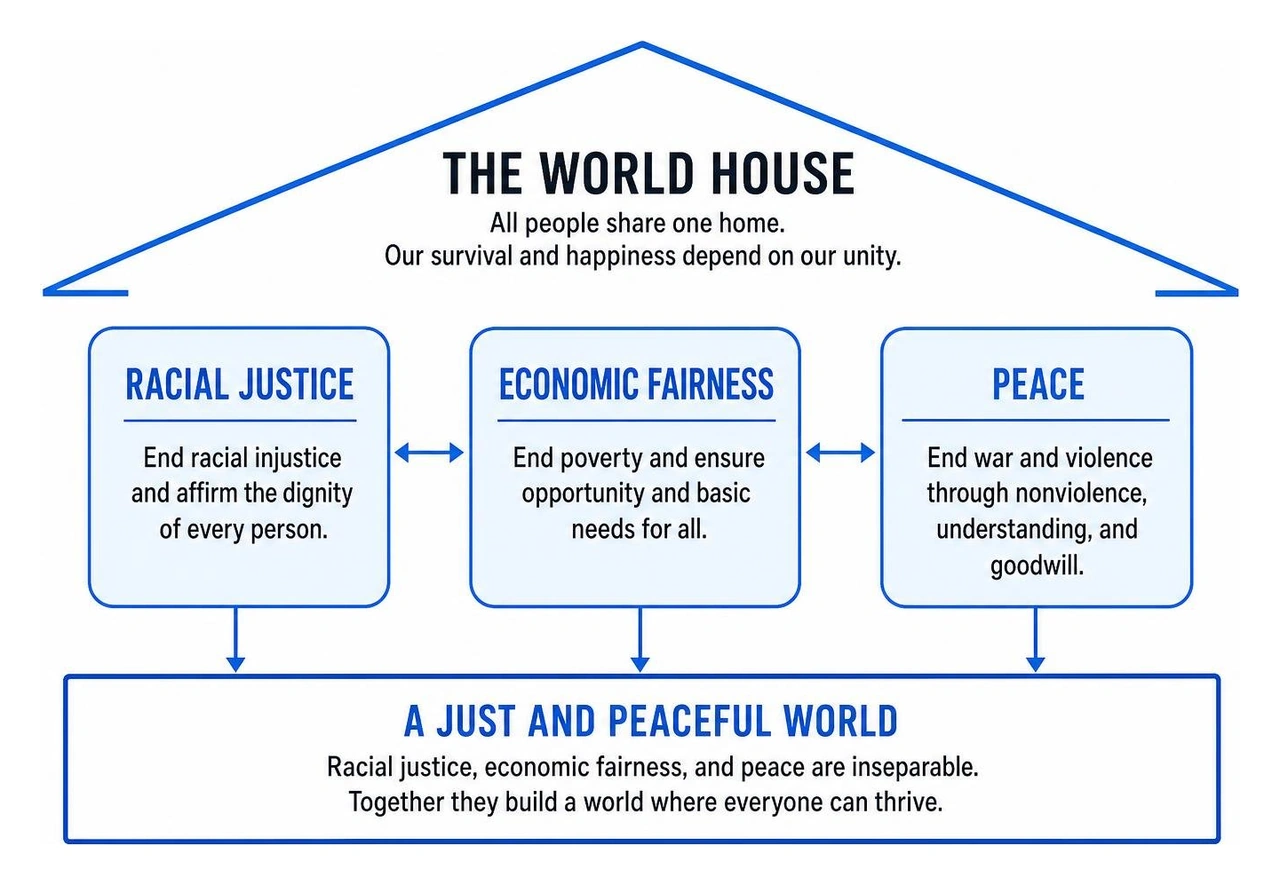
To tie these ideas together, King introduced the warm metaphor of the "World House." He explained that all people—across every race, background, and culture—have inherited a shared home. Because we must all live under the same roof, our survival and happiness depend on recognizing our mutual connection and treating one another with kindness.
Enduring Legacy and Archival Audio Preservation
Experiencing Dr. King's Nobel addresses through sound offers an intimate glimpse into the warmth, cadence, and quiet power of his voice. Listening to the original recordings lets us hear the deliberate pauses and heartfelt sincerity that moved the audience in Oslo.
Archival organizations and broadcast networks have worked to preserve these recordings for future generations. As highlighted by PBS NewsHour, hearing King's authentic voice helps educators, students, and families connect with the living spirit of the 1960s. For a broader overview of his life and teachings, explore our Martin Luther King Jr. Complete Guide.
Lasting Impact and Modern Resonance of the MLK Nobel Acceptance Speech
King’s words in Oslo continue to offer gentle guidance for our communities today. His message reminds us that progress does not require bitter division, and that working toward a fairer society begins with how we treat our neighbors every day.
The values he championed—patience, empathy, and peaceful cooperation—are honored today at sites like the Martin Luther King Jr. Memorial in Washington, D.C. His legacy encourages each of us to listen with an open heart and build bridges of understanding within our own neighborhoods.
Frequently Asked Questions About the 1964 Nobel Ceremony
How old was Martin Luther King Jr. when he received the Nobel Peace Prize?
Dr. King was 35 years old when he received the award on December 10, 1964. At that time, he was the youngest person ever to receive the Nobel Peace Prize, a milestone that brought worldwide attention to the nonviolent struggle in America.
Why did King question accepting the prize during ongoing civil rights struggles?
King felt a deep moral humility because the struggle in the United States was still actively underway, with many people still facing hardship and violence. He resolved this tension by accepting the honor as a custodian or trustee on behalf of the thousands of unsung volunteers who made the movement possible.
What were the three major global problems King identified in Oslo?
In his Nobel Lecture, King identified three interrelated challenges: racial injustice, widespread poverty, and the destructive threat of war and nuclear weapons. He urged humanity to address these together through moral growth and universal goodwill.
Conclusion
When we reflect on Dr. Martin Luther King Jr.’s journey to Oslo, we are reminded of the remarkable difference that quiet courage and steady kindness can make in our world. He stood on an international stage not to claim personal praise, but to lift up the everyday men, women, and young people who chose goodwill over bitterness and hope over despair.
At Patriot Dreams, we love bringing these timeless American stories into your home, helping families explore our shared heritage through the warm power of spoken history. Dr. King showed us that we are all neighbors sharing one great house, and that each small act of care helps make that home a little brighter for everyone. We warmly invite you to explore the legacy of the civil rights movement and discover more uplifting stories of everyday heroes who helped shape our nation.

Join the Patriot Dreams Community
Download the app today and start your journey through American history and personal legacy.

Explore Our Latest Insights
Dive into stories that shape our American legacy.