Why Route 66 Is More Than a Road: The Nostalgia and Myth of America’s Main Street

The Road That Captured America's Heart
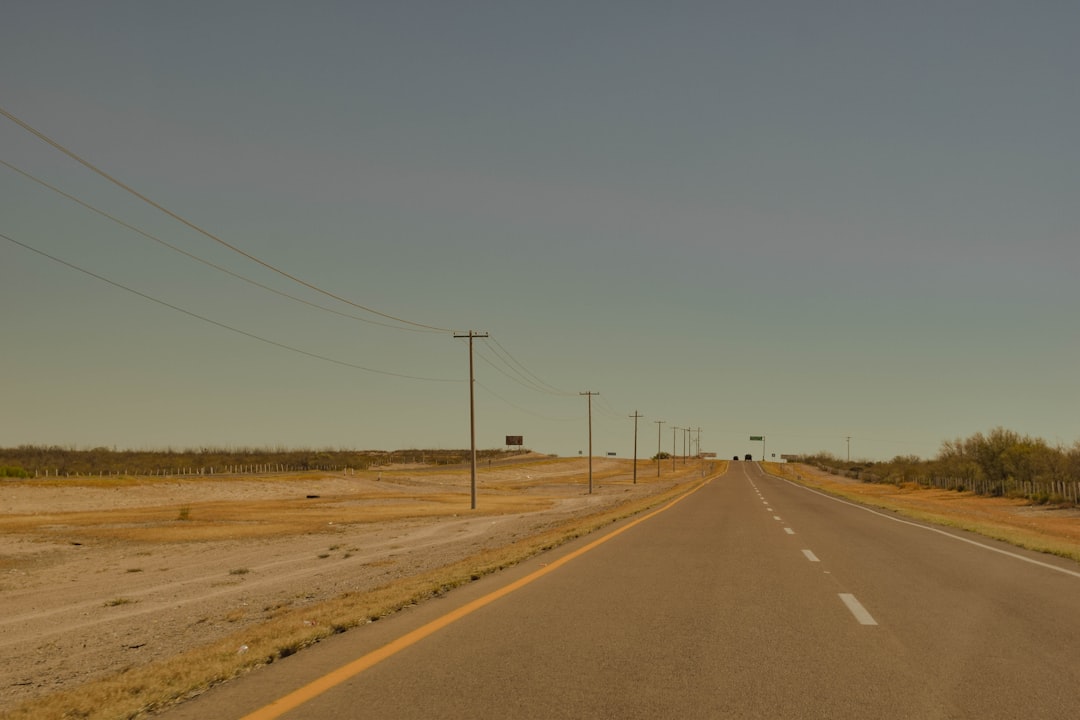
Why Route 66 Is More Than a Road: The Nostalgia and Myth of America's Main Street — it's a question that touches something deep in the American spirit. This 2,400-mile ribbon of asphalt was more than a way to get from Chicago to California; it became a symbol of freedom, hope, and the American dream.
Route 66 became America's most legendary highway because:
- It connected people — linking eight states and hundreds of small towns to the wider world
- It carried dreams — from Dust Bowl migrants seeking better lives to families on their first vacations
- It created community — giving birth to diners, motels, and roadside attractions run by everyday Americans
- It symbolized freedom — representing the open road and the chance to reinvent yourself
- It lives in our hearts — immortalized in songs, books, TV shows, and countless family memories
When Route 66 was born in 1926, no one could have predicted its destiny. It began as a patchwork of roads, stitched together by visionaries like Cyrus Avery who dreamed of uniting the country. By 1938, it became the first highway in America to be completely paved — a ribbon of possibility stretching across two-thirds of the continent.
But Route 66 is special not just for its history, but for the way it made people feel. As Bobby Troup wrote in his famous song, you could "get your kicks on Route 66." The road became a character in America's story — a place where mom-and-pop diners served travelers, neon signs lit up the desert, and families found the journey was as wonderful as the destination.
Though bypassed by interstates in 1985, the road refused to fade. Today, it lives on as "The Mother Road," drawing travelers worldwide to experience a simpler America — one where neighbors waved from porches and every mile promised a new adventure.
Why Route 66 Is More Than a Road: The Nostalgia and Myth of America’s Main Street terms explained:
- Family history preservation
- Traveling Through Time: American Small Towns That Feel Like a Vintage Film Set
The Birth of a Dream: From Patchwork Paths to a National Icon
Long before it was Route 66, the path was already there, worn into the landscape by Native American trails, Spanish explorers, and railroad tracks. As David Dunaway, a professor emeritus at the University of New Mexico, reminds us, "To understand Route 66 you have to go back to the native settlements: the animal trails that were followed by Native Americans, and then the people who followed the Native Americans on trains, stagecoaches and other means of transportation."
Why Route 66 Is More Than a Road: The Nostalgia and Myth of America's Main Street begins with understanding this deep history. We're all walking paths that others walked before us, adding our own stories to theirs.
The early 1900s brought the automobile to American life. With affordable cars like the Model T, ownership exploded, creating an urgent need for better roads than the existing dirt paths. The "Good Roads Movement" gained momentum, with citizens demanding better roads to connect their communities.
In 1926, the federal government created a national highway system. Among the new roads was U.S. Route 66, stretching 2,400 miles from Chicago to Santa Monica.
Visionaries like Cyrus Avery of Tulsa, Oklahoma, and John Woodruff of Springfield, Missouri, saw more than a road. They saw a lifeline that would bring prosperity to small towns and unite a growing nation.
Route 66 became a symbol of hope and possibility. It was designed as an all-weather highway, meaning families could travel it year-round. Small towns that had been isolated suddenly found themselves part of something bigger. This commitment to bringing Americans together is a beautiful thread in our shared American Cultural History.

A Road Built by Many Hands
In 1926, much of Route 66 was still unpaved. During the Great Depression, President Roosevelt's New Deal programs, like the Civilian Conservation Corps (CCC) and Works Progress Administration (WPA), put millions to work building the nation's infrastructure.
From 1933 to 1938, these workers transformed the road. In 1938, Route 66 became the first completely paved highway in the U.S., a smooth ribbon of possibility they built with their own hands.
This wasn't just a construction project. It was a story of community building, of Americans coming together to create something bigger than themselves. You can learn more on the CCC's work and see how their legacy still touches us today.
The "Mother Road": A Lifeline of Hope
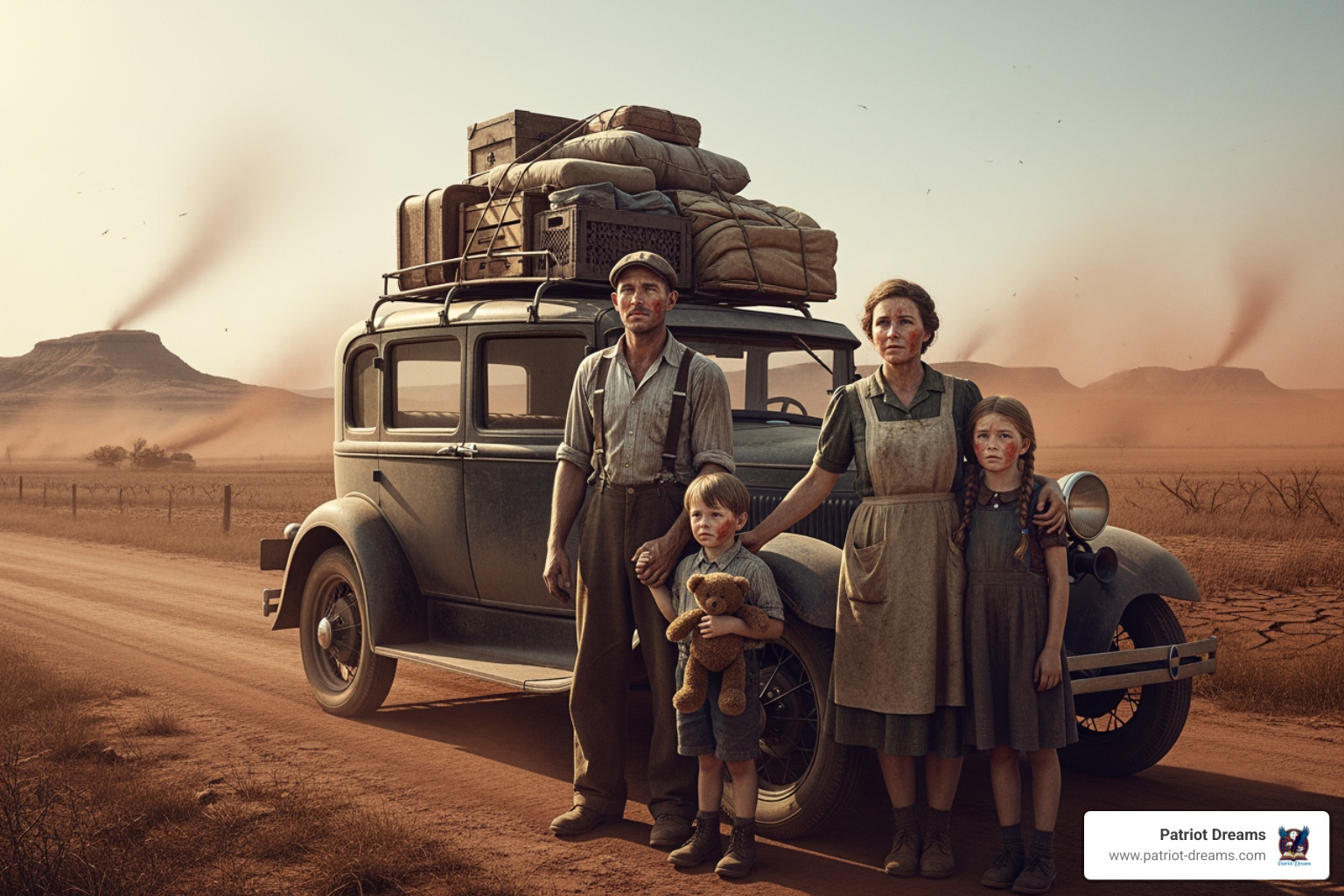
As the road was completed, the Dust Bowl devastated the Great Plains. Drought and dust storms forced hundreds of thousands of families to flee their homes. They packed their cars and headed west on Route 66, seeking a fresh start in California.
John Steinbeck's novel, "The Grapes of Wrath," immortalized their journey and gave the highway its enduring nickname: "The Mother Road." It was a fitting name for a road that carried families toward hope, even when the journey was hard.
These were real families facing incredible hardship. Yet, along the way, they found kindness. A diner owner might offer a free meal; a mechanic might fix a car for a pittance. These small acts of compassion showed that even in dark times, people could choose to help one another.
These stories of courage and community are powerful examples of American Pioneer Stories — tales that remind us what Americans are capable of when we hold onto hope and look out for our neighbors.
Why Route 66 Is More Than a Road: The Nostalgia and Myth of America's Main Street
After World War II, America accepted a new era of optimism. The automobile became a ticket to freedom and adventure. Car ownership soared, and families took to the highways for the great American road trip. Route 66 was calling their names.
This was an age of discovery, where the journey itself — the small towns, the shared experiences — was the real treasure.
Bobby Troup's 1946 song, made famous by Nat King Cole, captured this spirit perfectly. It turned Route 66 into a national invitation to "get your kicks." The road became more than a map location; it became a promise and a dream. This era beautifully illustrates The First Route 66 Road Trip: How America Learned to Wander.
The Quirky and Wonderful World of Roadside America
The heart of Route 66 wasn't the pavement, but the people. Family-owned businesses lined the highway, from diners where the owner knew your name to cozy motels with a personal touch.
Entrepreneurs expressed boundless creativity. You could sleep in a concrete teepee at the Wigwam Motels or marvel at the cheerful Blue Whale of Catoosa in Oklahoma. These business owners knew travelers sought more than just a bed or a meal; they were looking for memories to treasure.
This spirit of roadside innovation extended beyond Route 66 itself, inspiring beloved American traditions like the drive-in movie theater, where families could enjoy entertainment under a blanket of stars, as explored in The First Drive-In Movie Theater: When America Fell in Love With the Big Screen Under the Stars.
Why Route 66 Is More Than a Road: A Mix of American Dreams
So Why Route 66 Is More Than a Road: The Nostalgia and Myth of America's Main Street? The answer lives in our hearts as much as in history books.
Route 66 became a symbol of the American spirit: the freedom of the open road. It connected people not just from town to town, but to the heart of the country itself.
The road echoed the pioneering spirit, a modern-day wagon trail for families in station wagons. For many, it was a journey of self-discovery. Away from the familiar routines of home, people found space for reflection and renewal.
But the story of Route 66 is not without its complexities. The freedom of the road was not shared equally by all travelers. Their stories of perseverance in the face of obstacles remind us of the ongoing journey toward building a more welcoming America for everyone. This connection to our frontier heritage remains powerful today, as explored in The Frontier Myth Today: What the Old West Tells Us About Modern America.
The End of One Road, The Beginning of a Legacy
By the mid-1950s, the two-lane Route 66 was overwhelmed with traffic. Meanwhile, a new vision for America's roads was forming in Washington.
President Dwight D. Eisenhower, inspired by Germany's autobahn during World War II, envisioned a modern highway network for America that would be faster, safer, and vital for national defense. His vision led to the Interstate Highway System, launched in 1956. These new roads were marvels of engineering, designed for speed and efficiency. You can learn about the Interstate Highway Act and find just how profoundly it changed our nation.
But this progress came at a cost. The new interstates bypassed the small towns that were the heart and soul of Route 66. For these communities, whose livelihoods depended on travelers, the effect was heartbreaking. Gas stations grew quiet, and motels found their "No Vacancy" signs gathering dust.
The decline was gradual. One by one, sections were bypassed, until the road was officially decommissioned on June 27, 1985. It was a bittersweet moment. America gained faster, safer highways but lost a slower, more intimate way of connecting with the country and its people.
Here's a look at what changed:
On Route 66, the journey was:
- Connected: The road was a main street, weaving through towns and fostering local businesses.
- Scenic: It offered intimate views of American landscapes and small-town life.
- Slower: The pace was unhurried, with frequent stops and a focus on the experience.
The new Interstate System offered a different experience:
- Efficient: It was designed for high-speed, direct travel, often bypassing towns.
- Standardized: The roads and scenery were more uniform, built for function over charm.
- Detached: It separated travelers from the local communities along the way.
The Revival: Keeping the Dream Alive
But the story doesn't end there. Route 66 refused to fade away, its spirit kept alive by people who understood that Why Route 66 Is More Than a Road: The Nostalgia and Myth of America’s Main Street — it's a keeper of memories and a connection to a kinder America.
A barber from Seligman, Arizona, Angel Delgadillo, watched his town suffer when the interstate bypassed it. Instead of giving up, he co-founded the Historic Route 66 Association of Arizona in 1987, earning the name the "Guardian Angel of Route 66."
Angel's passion spread. Soon, similar associations formed in other states. These volunteers worked tirelessly to preserve the road, marking historic sections and protecting its unique landmarks.
Their work gained national attention, leading to the creation of the National Park Service's Route 66 Corridor Preservation Program, which offered support for these community efforts.
The revival has been a wonderful success. Towns found new life, restored neon signs glow once more, and travelers from around the world now come to experience this legendary piece of Americana. They come seeking the charm of Traveling Through Time: American Small Towns That Feel Like a Vintage Film Set, and they find it in abundance along the Mother Road.
Frequently Asked Questions about Route 66
If you're thinking about experiencing the magic of Route 66 yourself, you probably have some questions. Let's explore the most common ones together.
How long was the original Route 66?
The original Route 66, designated in 1926, was approximately 2,448 miles long. It connected Chicago, Illinois, to Santa Monica, California, crossing eight states. While its exact length shifted over the years due to realignments, the epic 2,400-mile journey remained its hallmark.
Can you still drive the entire Route 66?
Yes! Even though it was decommissioned, over 85% of the original route is still drivable. Look for the "Historic Route 66" signs that guide you along the old path. While you may need a good map and have to hop on the interstate occasionally, navigating the old road is part of the adventure. Traveling these preserved sections offers a chance to experience the nostalgia and charm of the Mother Road. It’s a living connection to our shared past and a beautiful reminder of Why Route 66 Is More Than a Road: The Nostalgia and Myth of America’s Main Street.
What is the best time of year to travel Route 66?
Spring (April-May) and fall (September-October) are the best times to travel Route 66. The weather is generally mild across the entire route, perfect for driving and exploring. This allows you to avoid the intense summer heat in the desert and the potential for snow and ice in the Midwest and mountain passes during winter. Planning your adventure during these seasons will allow you to savor every moment of your journey and experience the warmth and hospitality that made Route 66 legendary.
The Enduring Spirit of America's Main Street
Stand on a weathered piece of Route 66, and you can almost hear the echoes of the past: the laughter of families on vacation, the rumble of cars heading west toward new dreams, and the spirit of entrepreneurs who built a life along its path.
The answer to Why Route 66 Is More Than a Road: The Nostalgia and Myth of America's Main Street is found in these echoes. The highway is a symbol of resilience, hope, and our connection to a shared past.
Its legacy lives on in the kindness of a small-town diner and the glow of a restored neon sign. It reminds us that the journey matters just as much as the destination — a lesson that feels especially important today.
Route 66 has always been about bringing people together. It was a road where strangers became friends and communities welcomed travelers, making the simple act of getting there an adventure worth remembering.
At Patriot Dreams, we believe in the power of these stories. We are dedicated to connecting you with the American heritage that unites us, keeping precious memories alive through interactive audio storytelling — whether it's the grand sweep of national history or the intimate details of your own family's journey.
The spirit of Route 66 — its kindness, optimism, and celebration of everyday dreams—continues to inspire. It invites us to slow down, appreciate the journey, and remember we are all part of a larger American story. We hope you’ll explore more stories of the American journey with us, and find how the threads of history weave together to create the wonderful story of America.

Join the Patriot Dreams Community
Download the app today and start your journey through American history and personal legacy.

Explore Our Latest Insights
Dive into stories that shape our American legacy.