The Ultimate Guide to Crispus Attucks

The First to Fall: Why Crispus Attucks Still Matters
Crispus Attucks, martyr of the American Revolution, was the first person killed in the Boston Massacre on March 5, 1770 — and the first to die in the fight for American independence.
Here is a quick summary of who he was and why he matters:
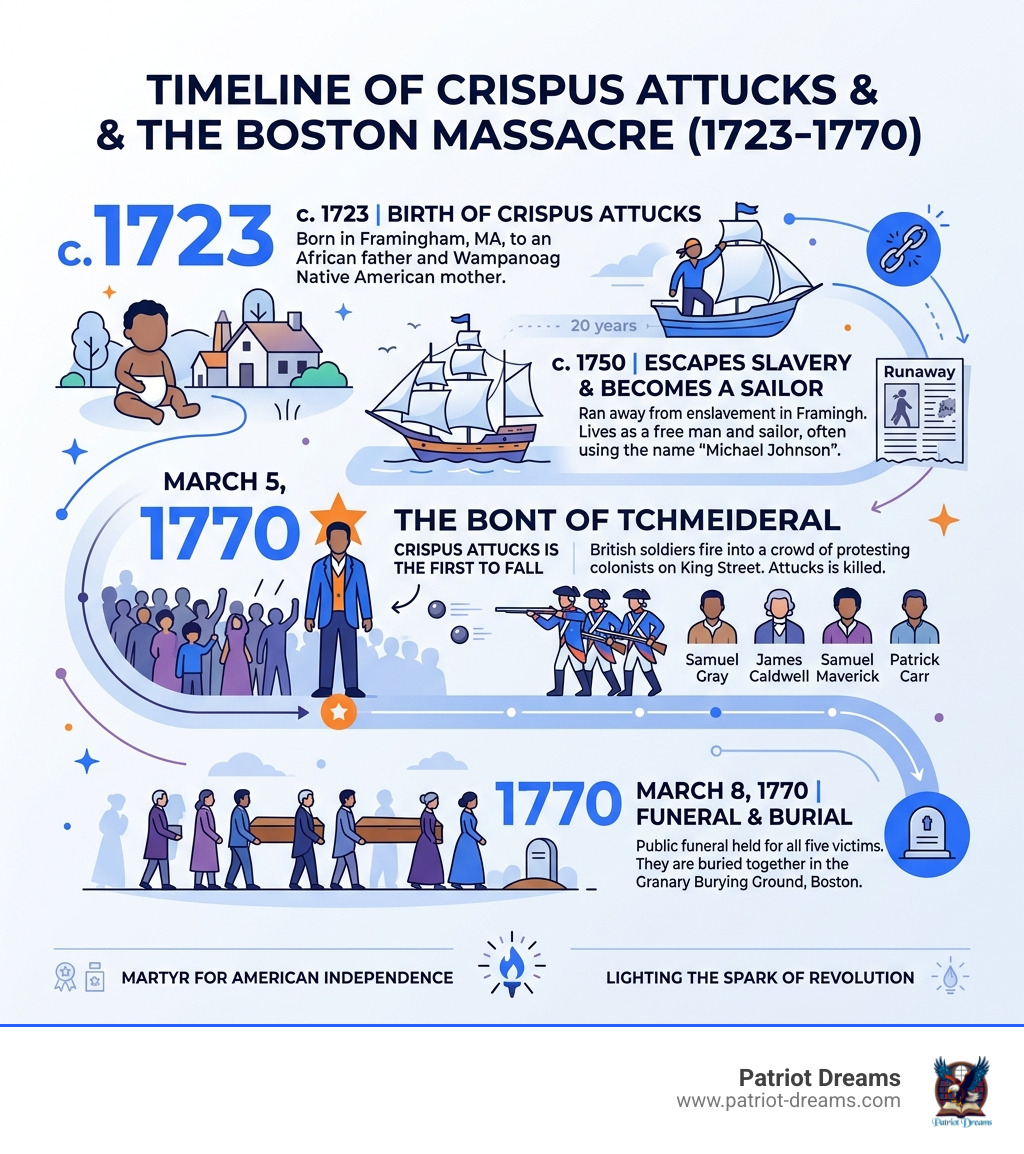
- Who he was: A sailor of African and Wampanoag Native American descent, born around 1723
- His status: Likely an escaped slave living under a false name for nearly 20 years before his death
- How he died: Shot by two musket balls in the chest by British soldiers on King Street, Boston
- Why he's called a martyr: He was the first of five colonists killed that night — a moment that lit the spark of revolution
- His lasting legacy: From abolitionist symbol to civil rights icon, his story has inspired Americans for over 250 years
On a freezing March night in 1770, a crowd of colonists faced a line of nervous British soldiers on a narrow Boston street. When the smoke cleared, Crispus Attucks lay dead — the first to fall.
He was approximately 47 years old. He was tall, strong, and by all accounts standing right at the front.
Nobody fully knows why he was there. Nobody knows exactly what he was thinking. But his death changed everything.
What makes his story so remarkable is what came before and after that night. He had lived in the shadows for two decades — a runaway, a sailor, a man with a secret name. And yet, his final moment became one of the most powerful in American history.
This guide tells the full story of his life, his death, and the extraordinary legacy he left behind.
Terms related to Crispus Attucks martyr:
The Life of a Brave Soul: Who Was Crispus Attucks?
To understand the man who became a national symbol, we have to look back at his roots. Attucks’ background is a beautiful, complex tapestry of early American life. Born around 1723, he was of mixed heritage, embodying the intersection of African and Indigenous cultures.
His father is believed to have been Prince Yonger, an African man brought to the colonies in chains, while his mother was Nancy Attucks, a woman of the Natick tribe (part of the Wampanoag or Narragansett people). Even his name carries a deep connection to the land; "Attuck" is derived from the Narragansett word for "deer." This dual heritage meant that Attucks belonged to two groups who were already struggling for their own versions of freedom long before the first shots of the Revolution were fired. You can learn more about his unique background at the Crispus Attucks | American Battlefield Trust biography page.
A Journey Toward Freedom
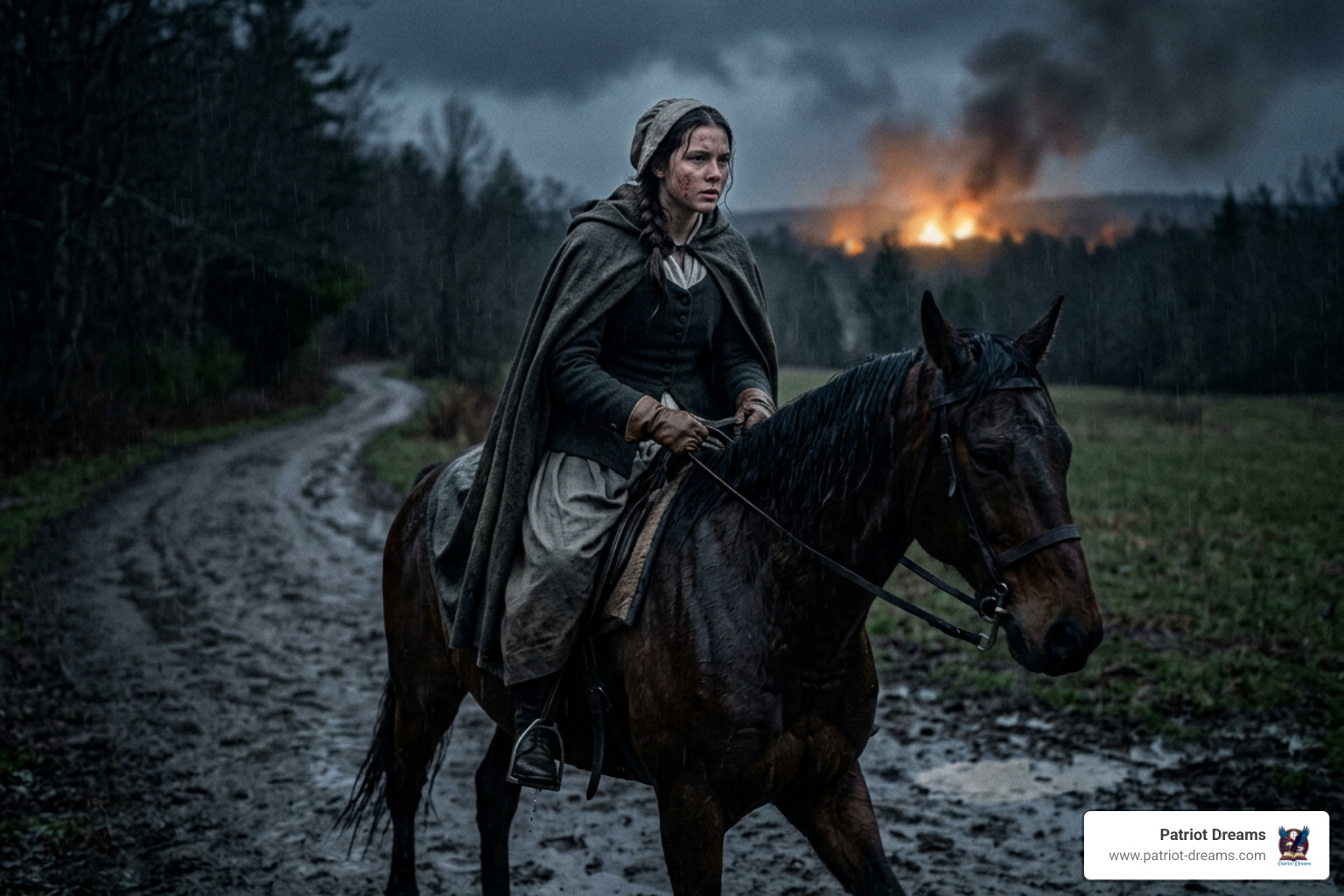
For the first twenty-seven years of his life, Attucks was held in bondage in Framingham, Massachusetts. However, the spirit of liberty was clearly already burning within him. In 1750, he made a daring escape from his enslaver, William Brown.
We know about this pivotal moment because of an advertisement placed in the Boston Gazette on October 2, 1750. Brown offered a 10-pound reward for the return of a "Molatto Fellow" named "Crispas," described as being 6 feet 2 inches tall with "short curl'd hair." That height was extraordinary for the 18th century—Attucks would have literally towered over most men of his time. This act of defiance was his first personal revolution. For more context on figures like him, explore our American Historical Figures Complete Guide.
Life on the High Seas
After his escape, Attucks didn't just hide; he built a life. He spent the next twenty years as a merchant seaman and whaler, a profession that offered a degree of anonymity and freedom not found on land. To protect himself from being captured and returned to slavery, he likely used the alias "Michael Johnson."
Working in the Atlantic basin, he became a skilled stevedore and sailor, often found around the docks of Boston when he wasn't at sea. His life as a fugitive required constant vigilance, yet he chose to remain in a city that was becoming a powder keg of political tension. His presence in Boston on that fateful night in 1770 wasn't an accident; it was the result of a man who had spent two decades navigating the world on his own terms. Discover more about the lives of people like Attucks in our US Historical Figures section.
A Cold Night on King Street: The Story of the Crispus Attucks Martyr
By March 1770, Boston was a city under occupation. Four thousand British troops—the 29th Regiment of Foot—were stationed in a town of only 16,000 people. Tensions were high, fueled by disputes over taxes, trade, and even a minor argument over an unpaid bill for a wig.
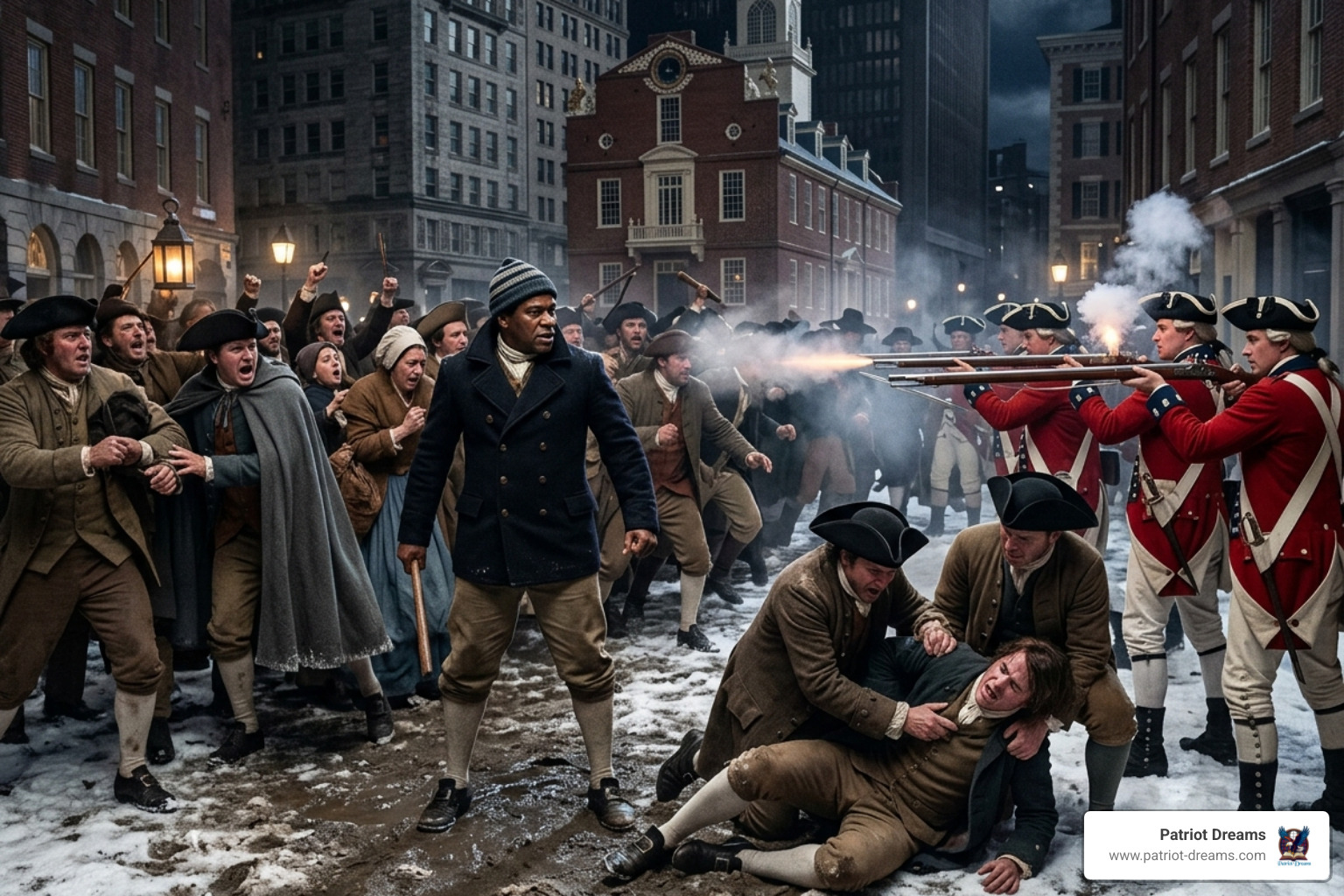
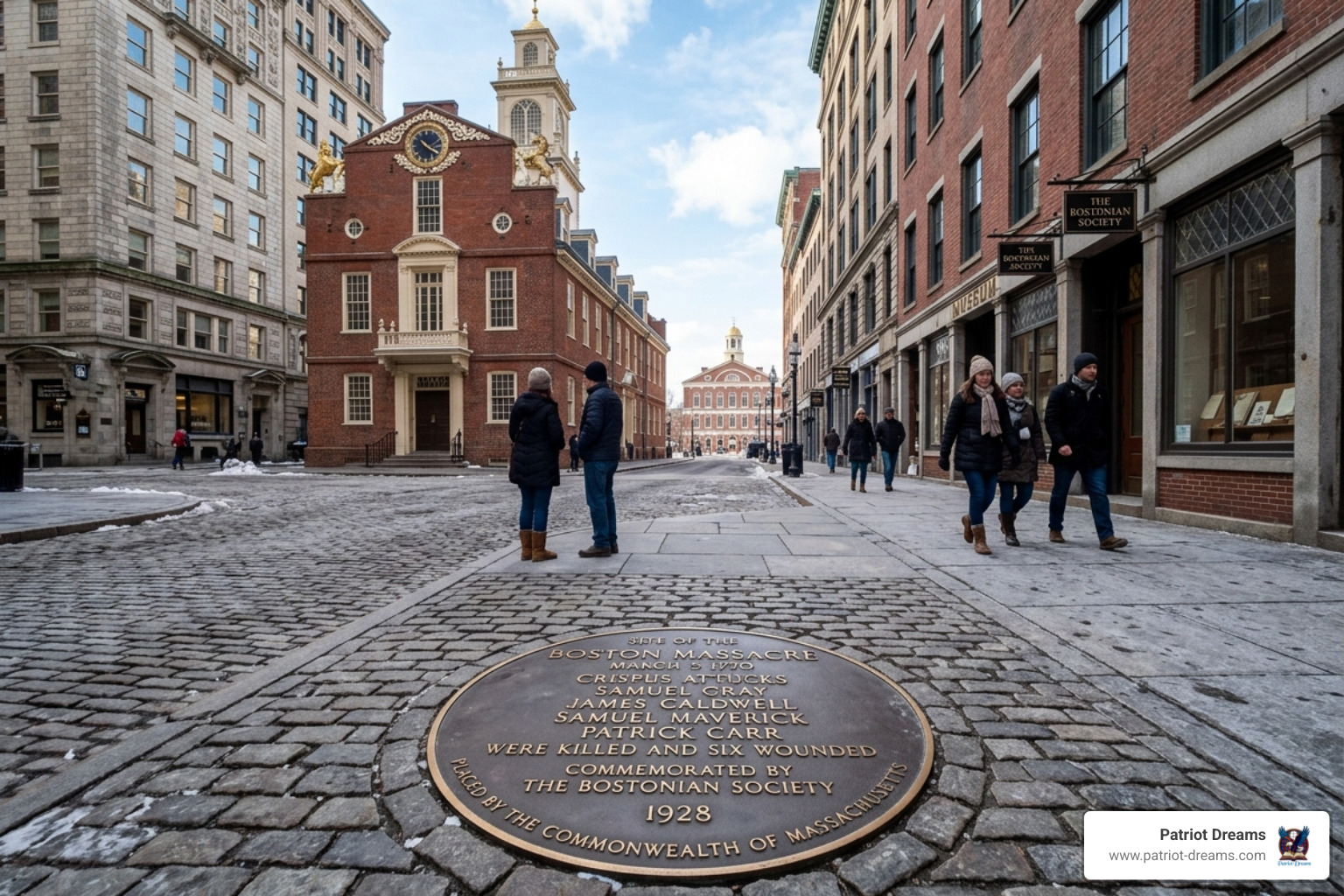
On the night of March 5, a crowd gathered near the Custom House on King Street. They were frustrated, cold, and tired of the red-coated soldiers patrolling their streets. In the middle of this "motley rabble," as some would later call it, stood the Crispus Attucks martyr. Armed only with a cordwood club, he was a leader among the protesters, a man who had already tasted the bitterness of oppression and was ready to stand his ground. Detailed accounts of this event can be found at Crispus Attucks | Revolutionary War, African American, Patriot | Britannica.
The First to Fall for Liberty
As the confrontation escalated, the British soldiers, panicked by the growing crowd and the snowballs being thrown their way, opened fire. Attucks was the first to be hit. Two musket balls struck him in the chest, killing him instantly.
He was the first of five colonists to die that night. Alongside him fell James Caldwell, Samuel Gray, Samuel Maverick, and Patrick Carr. Because Attucks and Caldwell had no family in Boston, their bodies were carried to Faneuil Hall, where they lay in state—a rare honor that transformed them from common laborers into public heroes. This event, later immortalized as the Boston Massacre, is a cornerstone of our American Revolution Stories Ultimate Guide.
The Trial and the Defense of John Adams
The legal aftermath of the massacre was just as dramatic as the event itself. Future President John Adams took the unpopular job of defending the British soldiers in court. To secure their acquittal, Adams used a strategy that relied heavily on the racial and class prejudices of the jury.
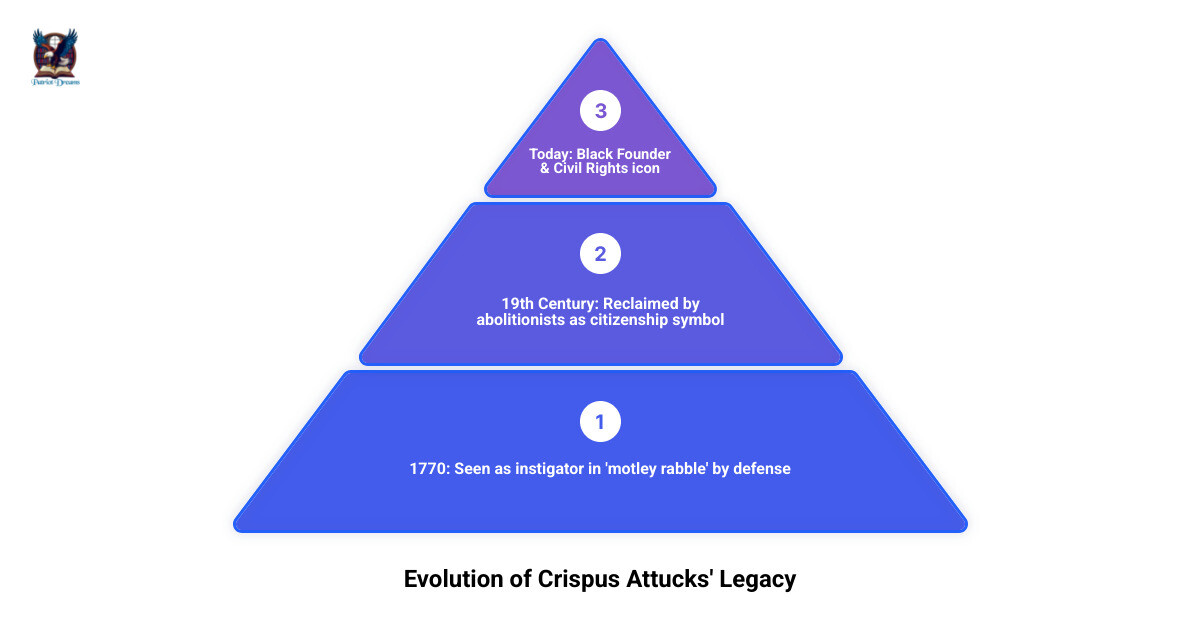
He described the crowd as a "motley rabble of saucy boys, negros and molattoes," and specifically singled out Attucks. Adams portrayed him as a terrifying, "mad" instigator whose behavior forced the soldiers to fire in self-defense. While Adams succeeded in getting most of the soldiers acquitted (two were convicted of manslaughter and branded on their thumbs), his words couldn't erase the fact that Attucks had died for a cause that Adams himself would soon lead. You can read more about the complexities of these Revolutionary War Heroes on our site.
From Shadow to Light: The Legacy of the Crispus Attucks Martyr
In the years immediately following the massacre, Attucks’ name faded somewhat from the mainstream narrative as the colonies moved toward formal war. However, his memory was never lost. In the mid-19th century, he was rediscovered by the abolitionist movement.
Led by activists like William Cooper Nell, African Americans reclaimed the Crispus Attucks martyr as a symbol of their own right to citizenship. If a Black man was the first to bleed for American independence, they argued, how could the nation continue to deny Black people their freedom?
A Symbol for the Ages
The legacy of the Crispus Attucks martyr continued to grow through the 20th century. During the Civil Rights Movement, leaders like Dr. Martin Luther King Jr. pointed to Attucks as a reminder that African American history is American history. King noted that Attucks was a figure of hope for all oppressed people, proving that courage knows no color.
Today, many historians refer to him as a "Black Founder." He represents the millions of people of color who contributed to the building of this nation, often while being denied the very liberties they helped secure. His story is a vital part of our Famous Figures in American History collection.
The Enduring Spirit of the Crispus Attucks Martyr
While some point out that an 11-year-old boy named Christopher Seider was killed by a customs official a few weeks before the massacre, Attucks remains the "first casualty" in the hearts of many. Why? Because the Boston Massacre was the moment the relationship between Britain and the colonies broke beyond repair.
Attucks’ patriotism wasn't about a government or a flag—those didn't exist yet. It was about the fundamental human desire to stand up against unfair treatment. That spirit is what we celebrate when we look at the Who Are Founding Fathers of USA and the diverse group of people who stood beside them.
Honoring a Hero: Monuments and Memories Today
If you walk through Boston today, you can feel the presence of the Crispus Attucks martyr everywhere. In the Granary Burying Ground, a single stone marks the shared grave of the five victims of the massacre. It is a quiet, somber place that invites reflection on the cost of liberty.
On the Boston Common, a magnificent 25-foot-high monument stands in their honor. Erected in 1888 after years of petitioning by the Black community, it features a bas-relief of Attucks falling as the soldiers fire. It serves as a permanent reminder that the foundation of American freedom was laid by a diverse group of people. You can find more sites like this in our guide to Historical American Figures.
Cultural Tributes and Commemorations
Attucks has inspired more than just stone monuments; he lives on in our culture.
- Crispus Attucks Day: Observed on March 5th, this day was first established by abolitionists in 1858.
- Commemorative Currency: In 1998, the U.S. Treasury released a silver dollar featuring Attucks to mark the 275th anniversary of his birth.
- Music and Media: From Stevie Wonder’s song "Black Man" to references in the Netflix series Luke Cage, Attucks continues to be a touchstone for strength and resilience.
These tributes help ensure that the story of this Founding Fathers era hero is never forgotten by future generations.
The Declaration of Our Shared History
At its heart, the story of Crispus Attucks is a story about us—all of us. It’s about the resilience of the human spirit and the community values that bind us together. When we look at the The Declaration of Independence What It Really Says and Why It Still Matters, we see the echoes of Attucks’ sacrifice in the pursuit of "life, liberty, and the pursuit of happiness."
Frequently Asked Questions about the Crispus Attucks Martyr
Was Crispus Attucks a free man or an escaped slave?
At the time of his death, Attucks was technically a runaway slave, having escaped twenty years earlier. However, he had lived as a free man for two decades, working as a sailor and whaler under the name Michael Johnson.
Why is he called the first martyr of the American Revolution?
He is called the first martyr because he was the first person killed during the Boston Massacre, which is widely considered the event that catalyzed the colonies toward revolution and independence.
Where is Crispus Attucks buried today?
He is buried in the Granary Burying Ground in Boston, Massachusetts. He shares a grave with the other four victims of the Boston Massacre.
Conclusion: A Legacy of Courage and Unity
The story of the Crispus Attucks martyr reminds us that the American dream has always been a shared journey. From his brave escape from slavery to his final stand on King Street, Attucks lived a life of quiet defiance and loud courage. He wasn't just a victim of history; he was a maker of it.
At Patriot Dreams, we believe that every American has a story worth telling. Our interactive map and unique audio storytelling modes are designed to help you explore these historical narratives and preserve your own family legacy. History isn't just about dates and battles; it's about the people—like Crispus Attucks—who dared to dream of a better world.
We invite you to join us in discovering more Historical American Figures and the incredible stories that make our nation what it is today. Together, we can keep the spirit of liberty alive for generations to come.
Read Time: 10 mins read

Join the Patriot Dreams Community
Download the app today and start your journey through American history and personal legacy.

Explore Our Latest Insights
Dive into stories that shape our American legacy.