10 Famous Historical African American Figures You Should Know

Why Famous Historical African American Figures Matter
Famous historical African American figures helped shape the United States through brave leadership, groundbreaking ideas, creative work, and everyday determination. Their stories span abolition, civil rights, law, science, politics, music, literature, aviation, and sports.
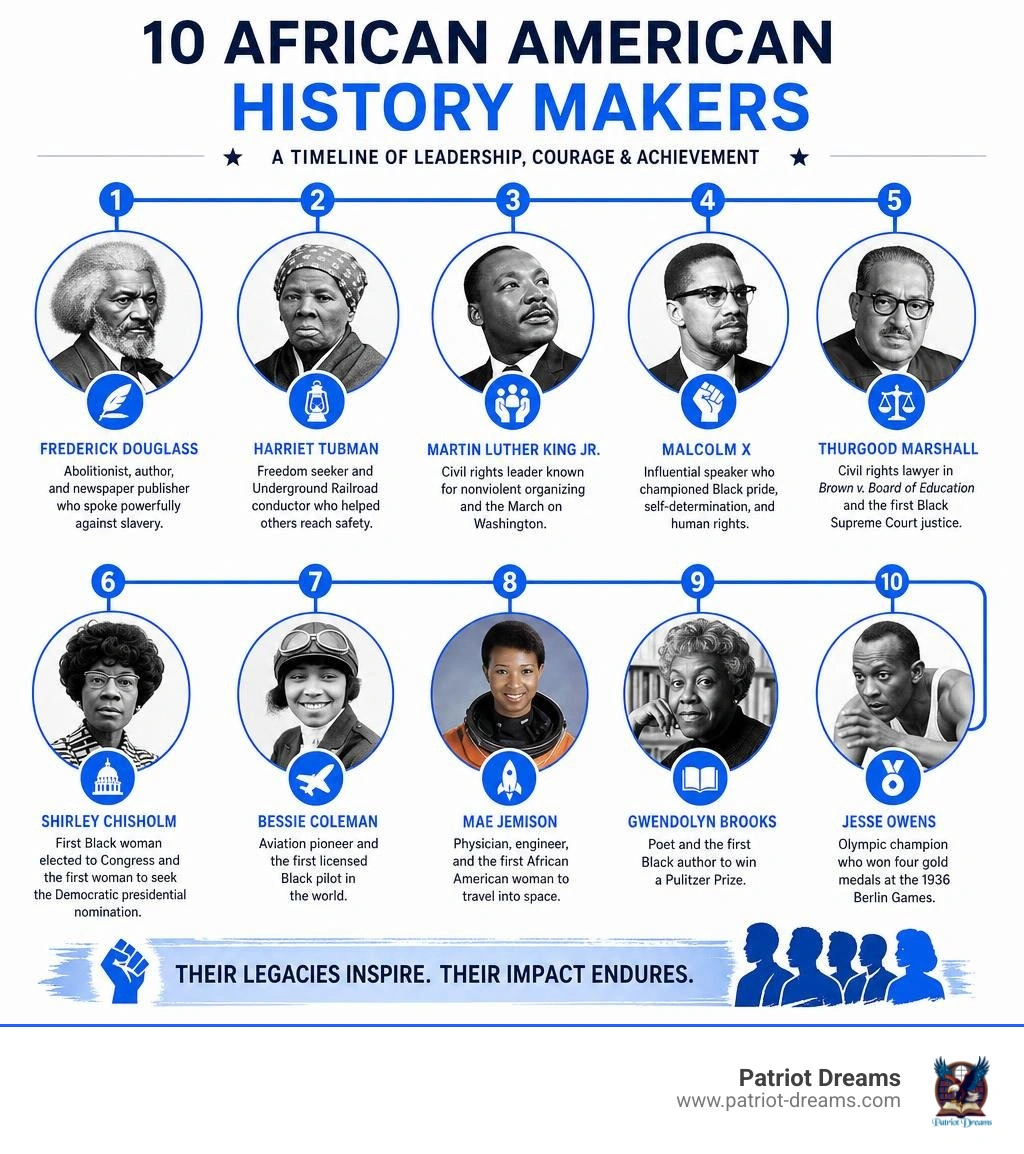
Here are 10 history makers to know:
- Frederick Douglass - Abolitionist, author, and newspaper publisher who spoke powerfully against slavery.
- Harriet Tubman - Freedom seeker and Underground Railroad conductor who helped others reach safety.
- Martin Luther King Jr. - Civil rights leader known for nonviolent organizing and the March on Washington.
- Malcolm X - Influential speaker who championed Black pride, self-determination, and human rights.
- Thurgood Marshall - Civil rights lawyer in Brown v. Board of Education and the first Black Supreme Court justice.
- Shirley Chisholm - First Black woman elected to Congress and the first woman to seek the Democratic presidential nomination.
- Bessie Coleman - Aviation pioneer and the first licensed Black pilot in the world.
- Mae Jemison - Physician, engineer, and the first African American woman to travel into space.
- Gwendolyn Brooks - Poet and the first Black author to win a Pulitzer Prize.
- Jesse Owens - Olympic champion who won four gold medals at the 1936 Berlin Games.
These leaders did not work in easy conditions. They faced unfair laws, closed doors, and deep prejudice, yet they built organizations, told their stories, trained for excellence, and opened paths for others. Their achievements are not separate chapters of American history; they are central to it.
Kyle & Emily invite you to meet these remarkable people and discover the courage, skill, and hope their legacies still offer today.
Handy famous historical african american figures terms:
Abolitionists and Civil Rights Champions
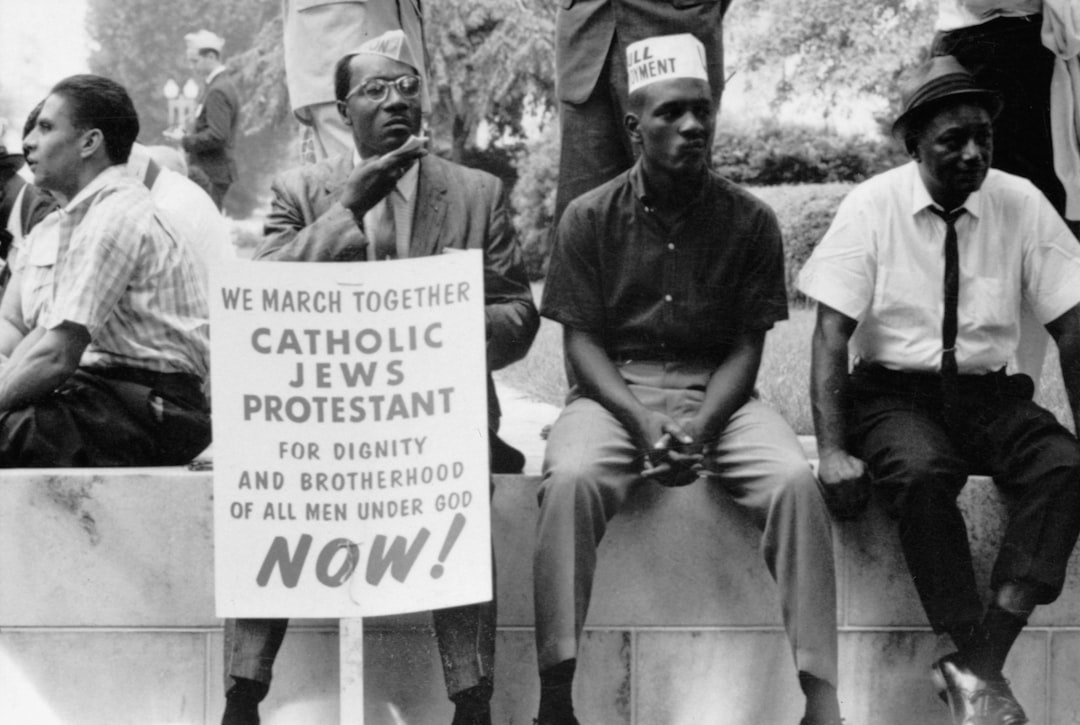
When we look back at the journey toward liberty and equality in America, we see extraordinary people who answered the call of justice with unmatched bravery. Long before the modern Civil Rights Movement transformed our nation's laws, courageous individuals risked everything to ensure that the promises of freedom applied to all. They used the power of the written word, peaceful protests, and grassroots organizing to shift the conscience of a nation.
Early Famous Historical African American Figures in the Abolition Movement
In the 19th century, courageous abolitionists proved that personal testimony and unwavering conviction could disassemble the moral foundation of slavery.
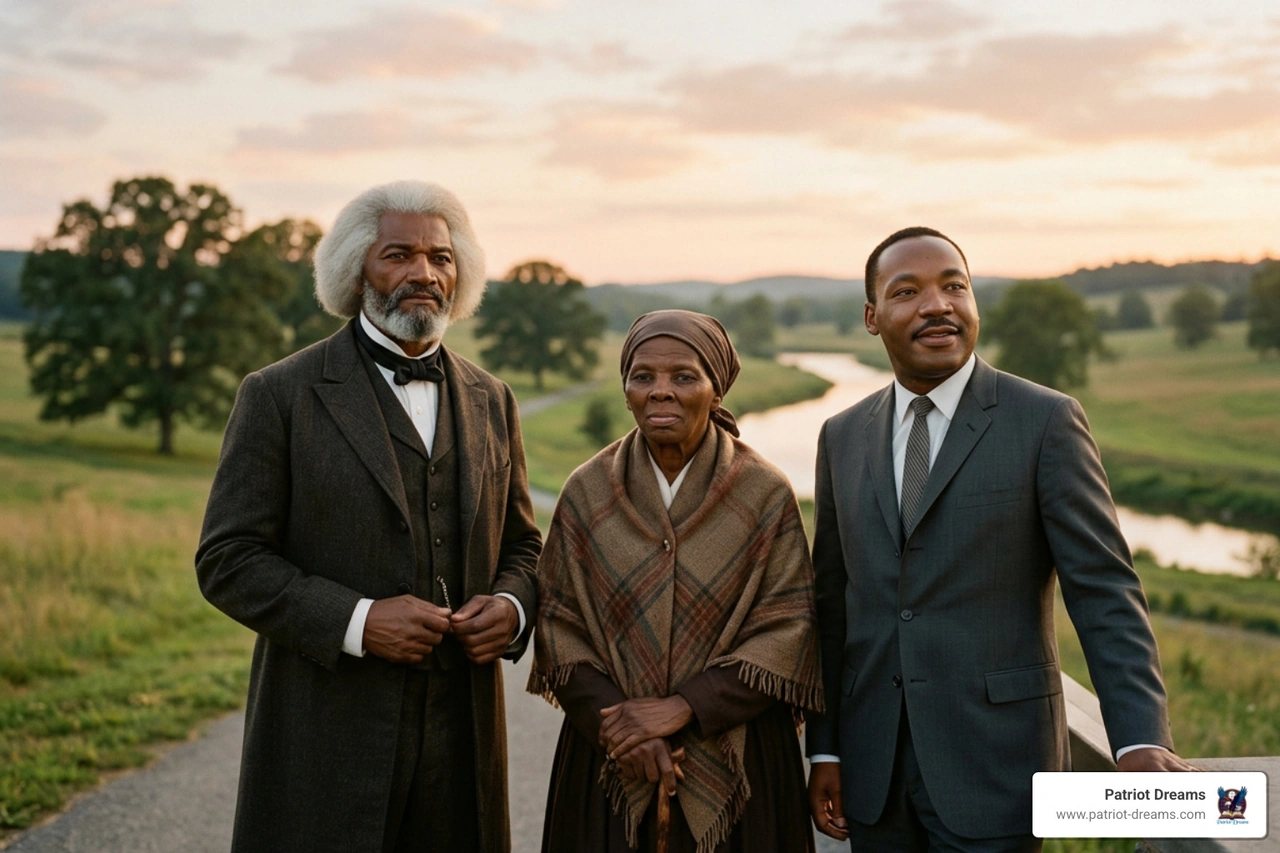
- Frederick Douglass: After escaping from slavery in Maryland on September 3, 1838, Frederick Douglass dedicated his life to advocating for human dignity. He recognized that telling his own story was one of the strongest tools against oppression. Douglass published three landmark autobiographies and launched the anti-slavery newspaper The North Star in 1847. To counter racial prejudice, he strategically posed for public portraiture, becoming one of the most photographed Americans of the 19th century. You can learn more through Frederick Douglass: Abolitionist, Author, Statesman | Smithsonian Institution.
- Harriet Tubman: Known as the "Moses of her people," Harriet Tubman escaped bondage in 1849 and returned to the South roughly 13 times to guide over 70 enslaved family members and friends to freedom along the Underground Railroad. She never lost a single passenger on her journeys. During the Civil War, she served as a nurse, scout, and Union spy, continuing her lifelong mission of uplifting others.
- Sojourner Truth: Born into slavery, Sojourner Truth became a powerful itinerant preacher and advocate for both abolition and women's rights. Her famous 1851 address at the Women's Rights Convention in Akron, Ohio, captured in the spirit of the Sojourner Truth Speech, demonstrated her skill at connecting human rights across all communities.
Leadership in the Civil Rights Era
During the mid-20th century, a new generation of leaders stood up to segregation using community organizing and peaceful moral action.
- Dr. Martin Luther King Jr.: Guided by Christian faith and nonviolent principles inspired by Mahatma Gandhi, Dr. King transformed civil rights organizing. From leading the 382-day Montgomery Bus Boycott in 1955 to delivering his iconic address at the 1963 March on Washington, he demonstrated how community action creates lasting change. At age 35, he became the youngest man to receive the Nobel Peace Prize at that time, generously donating the $54,123 award money back to civil rights causes. Discover his full story in our Martin Luther King Jr. Complete Guide or read about his recognition on Martin Luther King Jr. – Biography - NobelPrize.org.
- Malcolm X: Born Malcolm Little on May 19, 1925, Malcolm X grew up with parents who were dedicated organizers for Marcus Garvey's Universal Negro Improvement Association. As a public voice, he spoke eloquently on Black pride, cultural heritage, self-determination, and global human rights. His personal evolution, warmth toward family, and love of literature and art continue to inspire millions. Explore his official background at Malcolm X – The Official Website of Malcolm X.
- Rosa Parks: When Rosa Parks refused to give up her bus seat in Montgomery, Alabama, on December 1, 1955, her quietly courageous act sparked a movement that reshaped American law. Read the full journey in the Rosa Parks Story.
Famous Historical African American Figures in Politics, Law, and Science

Across government, legal courtrooms, and scientific laboratories, African American visionaries broken down long-standing barriers. Through academic excellence, rigorous preparation, and public service, they established historic legal precedents, drafted federal legislation, and expanded human knowledge out into the stars.
Legal and Political Visionaries
Legal strategy and political representation have always been vital pillars for advancing equality and protecting constitutional rights.
- Thurgood Marshall: Before becoming the first African American Supreme Court Justice, Thurgood Marshall built a brilliant career as chief legal counsel for civil rights organizations. He argued the historic 1954 Brown v. Board of Education case before the U.S. Supreme Court, striking down legal public school segregation and opening doors for generations of students across America.
- Shirley Chisholm: In 1968, Shirley Chisholm made history as the first Black woman elected to the United States Congress, representing New York’s 12th District from 1969 to 1983. In 1972, she broke additional ground by becoming the first African American and the first woman to seek the Democratic Party’s presidential nomination. Her unbought and unbossed spirit remains an enduring model of public service.
- Jane Bolin: In 1931, Jane Bolin became the first Black woman to graduate from Yale Law School. Eight years later, in 1939, she was appointed as the first Black female judge in the United States, serving on the Family Court in New York City for four decades with deep compassion for children and families.
Science and Aviation Leaders
Pioneers in science and aviation showed the world that dedication and curiosity know no boundaries.
- Mae Jemison: On September 12, 1992, Dr. Mae Jemison blasted into orbit aboard the Space Shuttle Endeavour, becoming the first African American woman in space. A trained physician and chemical engineer, Jemison brought scientific rigor and a passion for science education to the NASA space program.
- Bessie Coleman: Facing refusal from American flight schools due to her race and gender, Bessie Coleman saved her earnings, learned French, and traveled to France in 1920. In 1921, she earned her international pilot's license from the Fédération Aéronautique Internationale, becoming the first Black licensed pilot in the world and inspiring stunt aviation across the globe.
Groundbreaking Trailblazers in Arts, Culture, and Sports
Arts, literature, and athletics offer some of the most warm and universally shared spaces in American life. Through their creative expression and physical grace, African American pioneers brought people together, broke racial barriers, and set new world standards for artistic and athletic achievement.
Trailblazing Famous Historical African American Figures in Arts and Sports
In literature and classical music, Black artists demonstrated world-class mastery while sharing genuine human emotion and community life.
- Gwendolyn Brooks: In 1950, poet Gwendolyn Brooks became the first African American author to win the prestigious Pulitzer Prize for Poetry for her collection Annie Allen. Her poetry captured the quiet beauty, everyday joys, and subtle struggles of urban neighborhood life in Chicago with exquisite warmth and rhythm.
- Marian Anderson: Renowned as one of the finest contraltos of the 20th century, Marian Anderson captivated audiences worldwide. On January 7, 1955, she became the first African American singer to perform a principal role with the Metropolitan Opera in New York City, opening doors for generations of classical vocalists.
Historic Champions in Olympic Athletics
On the global athletic stage, Black Olympians demonstrated that determination and sportsmanship can triumph over prejudice and capture the imagination of the world.
- Jesse Owens: At the 1936 Summer Olympic Games in Berlin, track and field star Jesse Owens achieved international acclaim by winning four Olympic gold medals in the 100 meters, 200 meters, 4x100-meter relay, and long jump. His stunning world record in the long jump stood unbroken for 25 years, demonstrating unmatched grace and discipline.
- Alice Coachman: At the 1948 Summer Olympics in London, Alice Coachman made international history by clearing 5 feet 6 1/8 inches in the high jump. Her gold medal performance made her the first African American woman from any nation to win an Olympic gold medal, earning her honors from community groups and civic leaders nationwide.
Frequently Asked Questions About African American History Makers
Who was the first Black woman elected to the U.S. Congress?
Shirley Chisholm became the first Black woman elected to the U.S. Congress in 1968, representing New York’s 12th Congressional District. She served in Congress from 1969 to 1983, championing food assistance, education funding, and equal rights. In 1972, she also became the first African American candidate from a major political party to run for President of the United States.
How did famous African American figures overcome systemic discrimination?
Famous famous historical african american figures overcame discrimination through strategic persistence, community cooperation, and creative problem-solving:
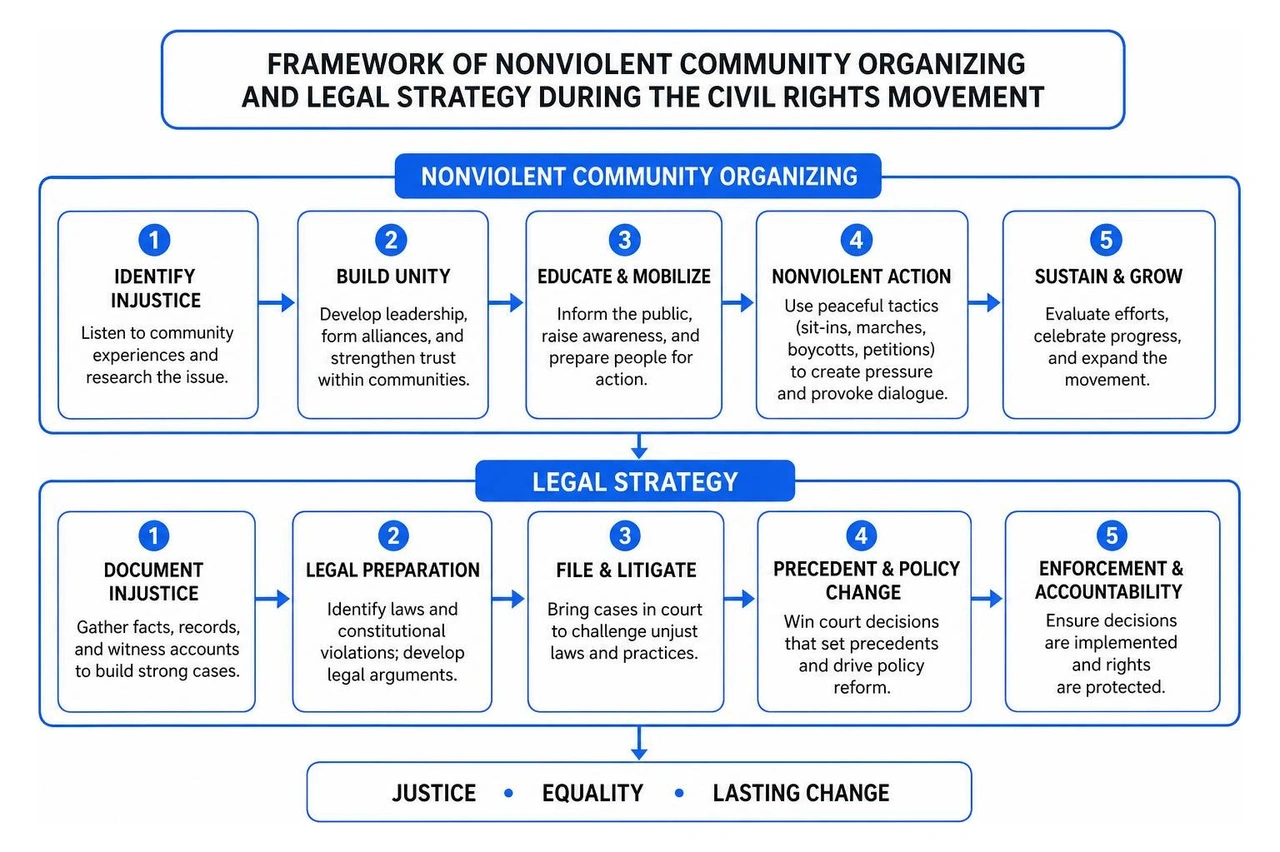
- Legal Litigation: Attorneys like Thurgood Marshall argued constitutional law cases to overturn unjust local and state statutes.
- Economic Self-Reliance: Leaders organized community boycotts, built independent institutions, and established newspapers like The North Star.
- Direct Nonviolent Action: Activists organized sit-ins, marches, and voter registration drives to stir public conscience and encourage federal legislative reform.
- Excellence and Education: Figures like Bessie Coleman and Mae Jemison mastered skills at the highest levels, seeking international licenses or advanced professional degrees when local doors were closed.
What lesser-known African American figures deserve greater recognition?
While figures like Dr. Martin Luther King Jr. and Rosa Parks are widely celebrated, many other trailblazers made extraordinary contributions:
- Jane Bolin: The first African American female judge in the United States (1939) who spent 40 years improving family court systems.
- Alice Coachman: The first Black woman from any country to win an Olympic gold medal (1948).
- Claudette Colvin: A 15-year-old student who refused to yield her bus seat in Montgomery, Alabama, nine months before Rosa Parks.
- Bayard Rustin: The brilliant strategist who organized the 1963 March on Washington behind the scenes.
Conclusion
The stories of these ten famous historical african american figures remind us of the enduring power of hope, kindness, and perseverance. From small-town classrooms and courtroom benches to Olympic tracks and space shuttles, these leaders showed us what is possible when human beings stand up for principle and support one another. Their courage shaped the nation we share today and gives us a deep sense of pride in our collective heritage.
At Patriot Dreams, we believe that history comes alive best when we connect with the voices and personal journeys of those who came before us. Through our interactive audio history map and unique listening modes, our audio storytelling platform brings American history, heritage, and personal family legacies to life.
We invite you to explore our rich collection of US Historical Figures and audio stories to celebrate the heroes who built our nation and preserve your own family’s legacy for generations to come.
Join the Patriot Dreams Community
Download the app today and start your journey through American history and personal legacy.

Explore Our Latest Insights
Dive into stories that shape our American legacy.