Carrying the Torch: An Overview Guide to Martin Luther King III's Advocacy

Why Martin Luther King III's Advocacy Still Matters
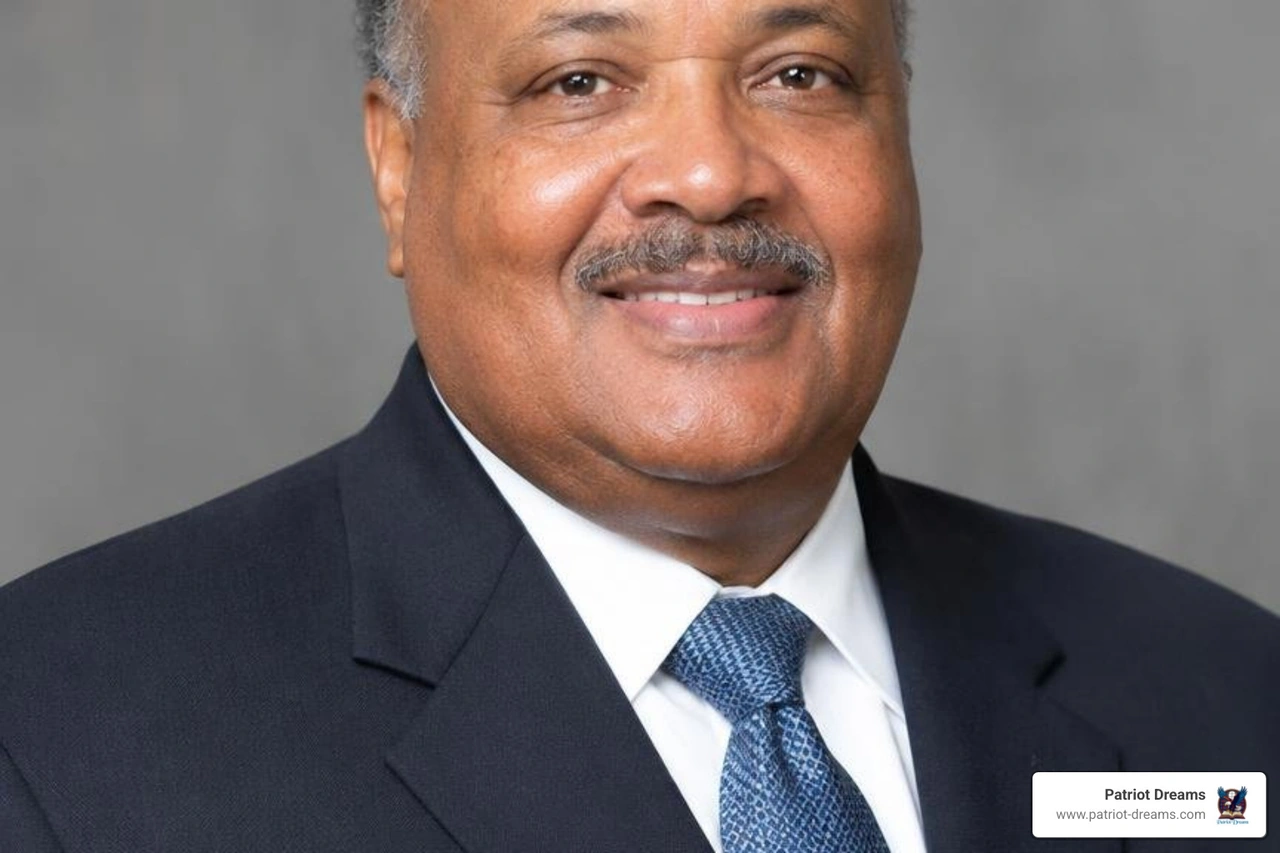
Martin Luther King III is a civil rights advocate, former elected official, and global humanitarian who has carried his parents' commitment to nonviolence, voting rights, and equal opportunity into the present day. The oldest son of Dr. Martin Luther King Jr. and Coretta Scott King, he has led the Southern Christian Leadership Conference, served on the Fulton County Board of Commissioners, and supported service, civic participation, and human-rights work in the United States and abroad.
His work is not simply about preserving a famous name. It asks a practical question for every generation: how can neighbors turn concern for one another into peaceful, useful action? From community-service campaigns to voting-rights advocacy and programs that preserve civil-rights history, King III has worked to make his family's ideals part of everyday civic life.
In this guide, Kyle & Emily will explore the milestones, organizations, family story, and continuing vision behind Martin Luther King III's public work.
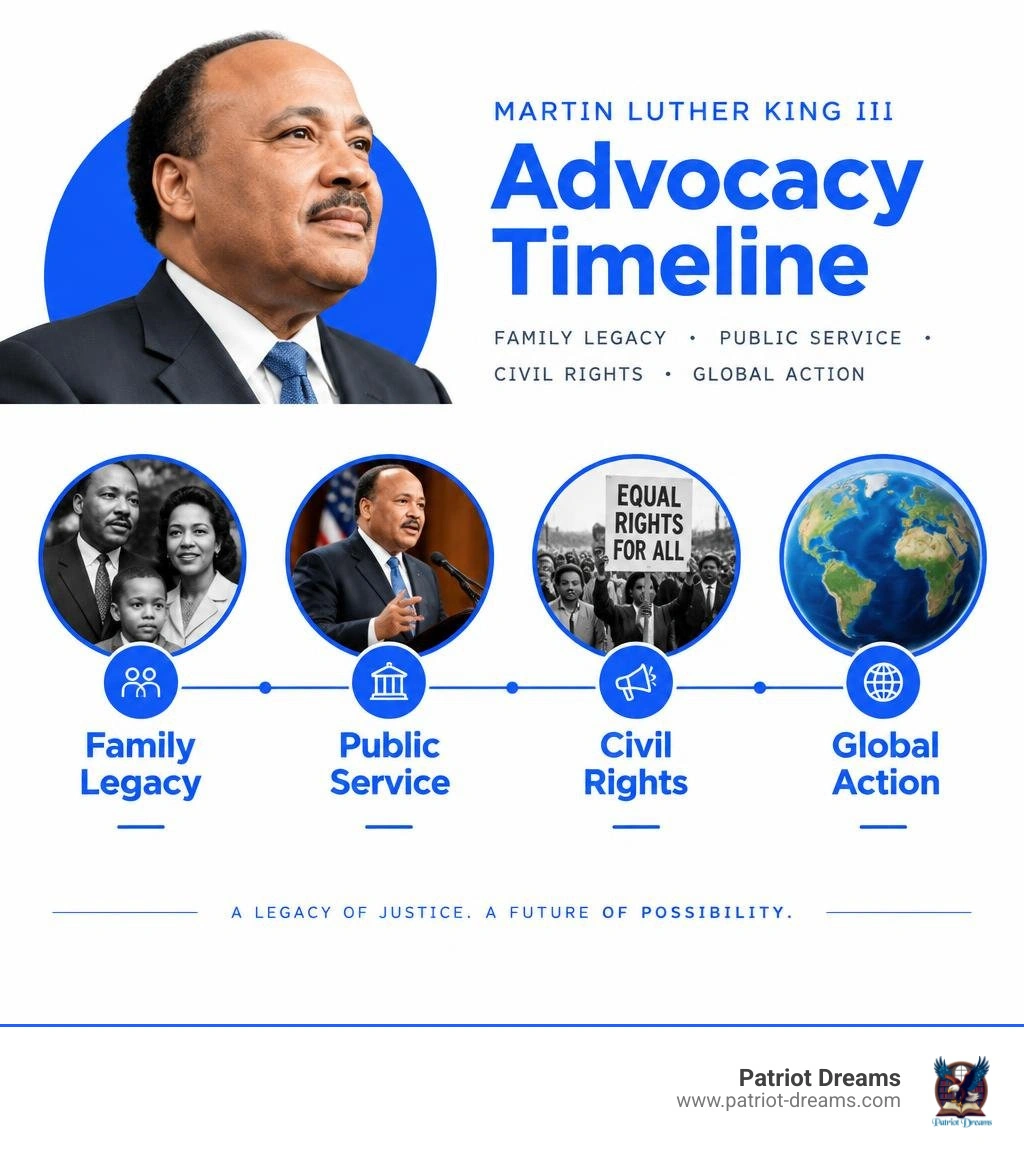
Martin luther king iii terminology:
- Civil Rights Movement facts
- MLK dream for America
- martin luther king early life
The Life and Leadership of Martin Luther King III
When we look at the sweep of American history, we often see that the work of building a kinder nation happens one generation at a time. Growing up in a household centered on service, Martin Luther King III learned early on that peace is not just a quiet thought, but something people practice every single day.
Early Life and Martin Luther King III's Formative Years
Born in Montgomery, Alabama, on October 23, 1957, Martin Luther King III grew up during a defining period of American history. Alongside his mother, Coretta Scott King, and his siblings, he experienced the challenges and triumphs of a family devoted entirely to moral leadership and justice. To understand his early surroundings, one can explore the historical roots of the civil rights movement, which shaped his worldview from his earliest childhood memories.
Even in primary school, young Martin demonstrated the gentle wisdom taught in his home. When facing unkind taunts from a classmate during the early days of school integration, he defused the tension by warmly complimenting the boy's drawing—a simple moment showing how kindness can dissolve hostility.
After completing high school, he attended Morehouse College, his father's alma mater, earning a Bachelor of Arts in Political Science in 1979. His deep connection to his family's heritage is thoughtfully preserved in the biographical profile from The King Institute, showcasing how education and grounded moral principles guided him directly into community organizing and public service.
Public Office and the Fulton County Commission
Rather than stepping immediately onto an international stage, Martin chose to begin his public leadership at the local neighborhood level. In 1986, he was elected to the Fulton County Board of Commissioners in Georgia, taking office in 1987 to represent more than 700,000 citizens.
During his tenure from 1987 to 1993, he focused on sensible, community-minded governance:
- Ethics and Government Transparency: Championing measures that ensured local government remained accountable and fair to everyday citizens.
- Youth Empowerment: Founding the King Summer Intern Program to provide meaningful job opportunities and mentoring for high school students.
- Environmental Stewardship: Advocating for clean neighborhood parks, responsible waste management, and sustainable municipal practices.
- Public Health Initiatives: Supporting community wellness programs like "Hoops for Health" to assist families facing health hardships.
This local experience confirmed his belief that positive national change begins right on our own front porches and within our municipal neighborhoods.
Major Civil Rights Campaigns and Organizational Leadership
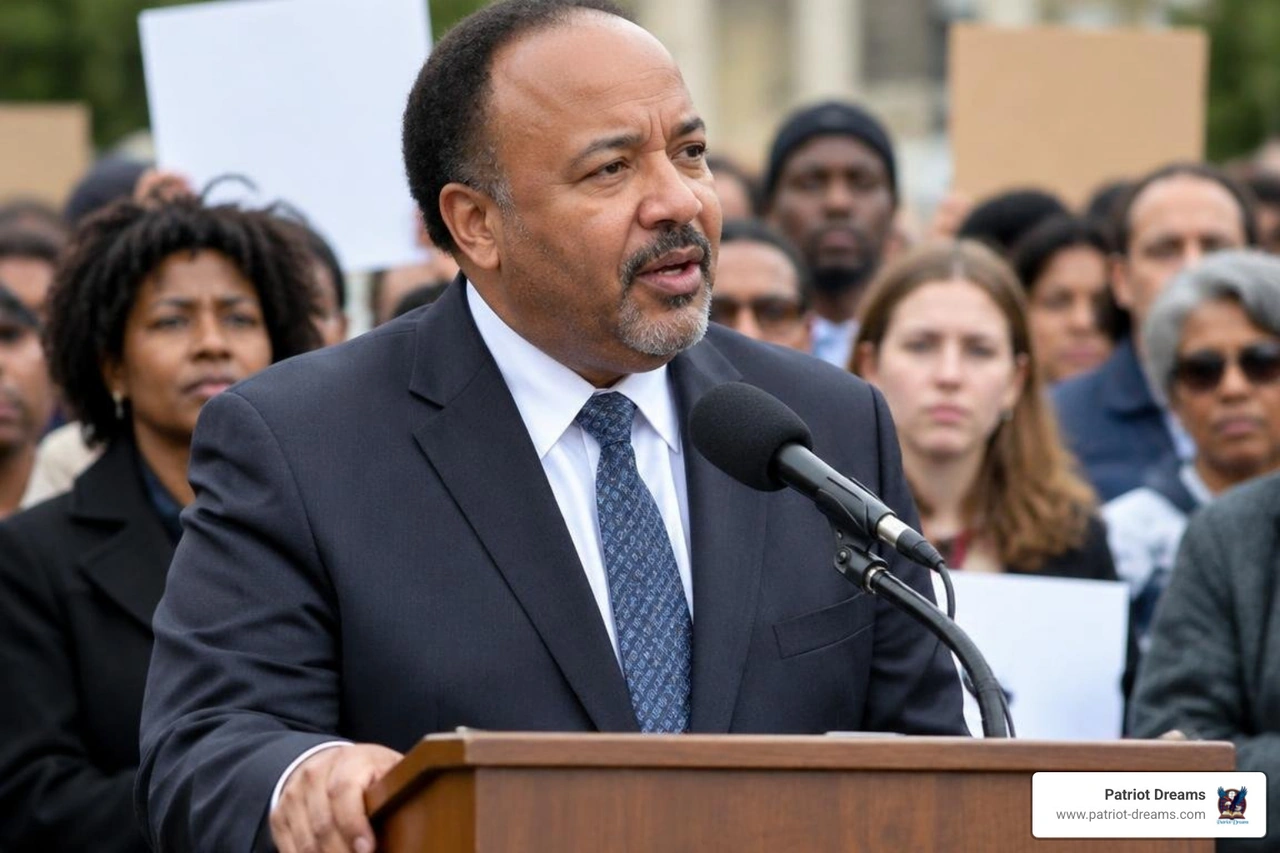
Presiding Over the Southern Christian Leadership Conference
In 1997, Martin Luther King III was elected as the fourth president of the Southern Christian Leadership Conference (SCLC), the storied civil rights organization co-founded by his father four decades earlier. Serving through 2004, he revitalized the organization to address the challenges of a new era.
Under his guidance, the SCLC traveled across the United States to hold nationwide hearings on community-police relations, fostering constructive dialogue between law enforcement officers and local neighborhood leaders. He launched the "Stop the Killing – End the Violence" campaign, which established gun buy-back initiatives that successfully took more than 10,000 firearms off neighborhood streets nationwide. In 2001, he also helped broker a respectful compromise to modernize the Georgia state flag, removing divisive symbols in favor of unity. His leadership placed him among other influential African American leaders dedicated to steady, bridge-building progress.
Global Human Rights and the Drum Major Institute
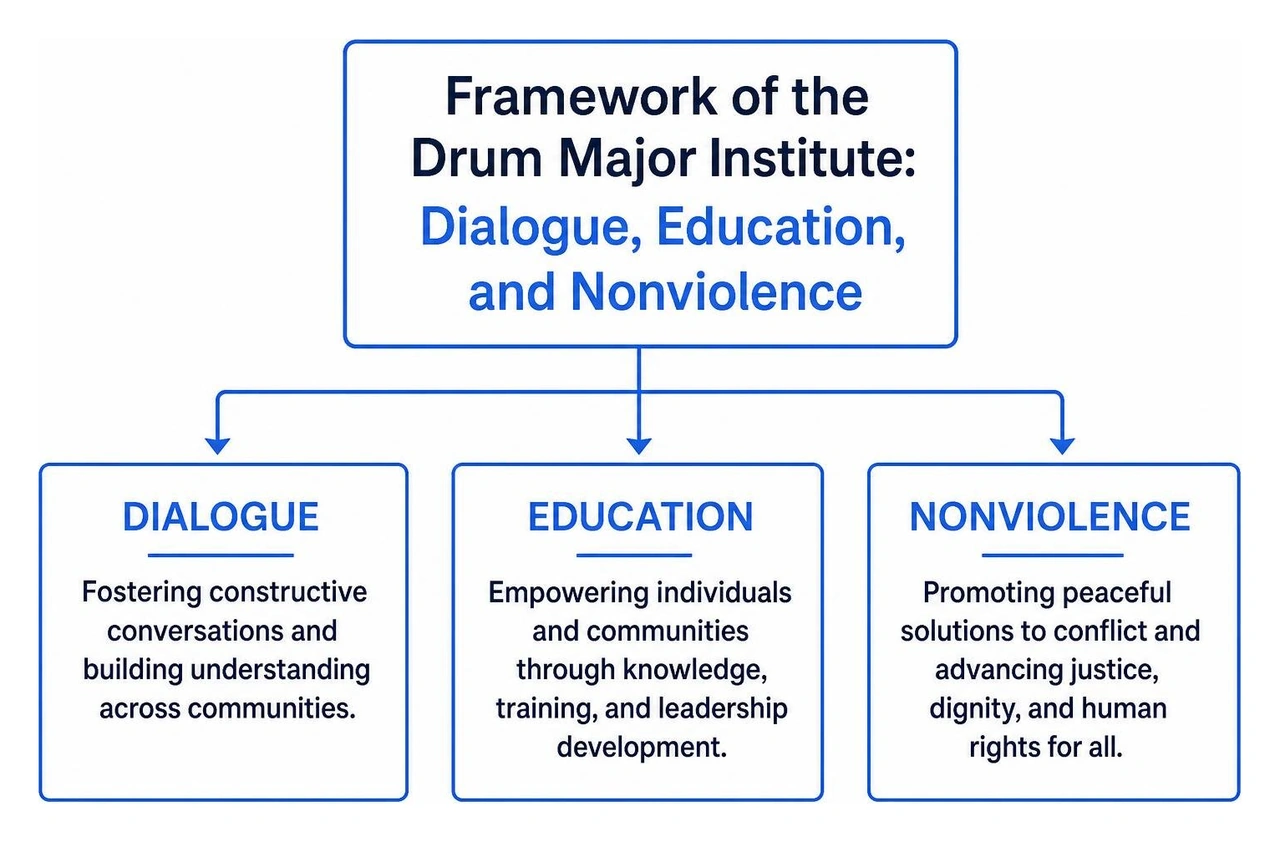
Believing that nonviolence knows no borders, Martin assumed the leadership of the Drum Major Institute, a nonprofit dedicated to eradicating poverty, racism, and violence worldwide.
Through this organization, he has carried his peaceful message across the globe, leading conflict-resolution workshops and humanitarian missions in places like Bosnia and Herzegovina, Kenya, Sri Lanka, and India. In recognition of his international dedication to peacemaking, he was honored with the Ramakrishna Bajaj Memorial Global Award in Mumbai, India, in 2010.
Modern Initiatives and Continuing the Dream
How Martin Luther King III Addresses Voting Rights and Criminal Justice
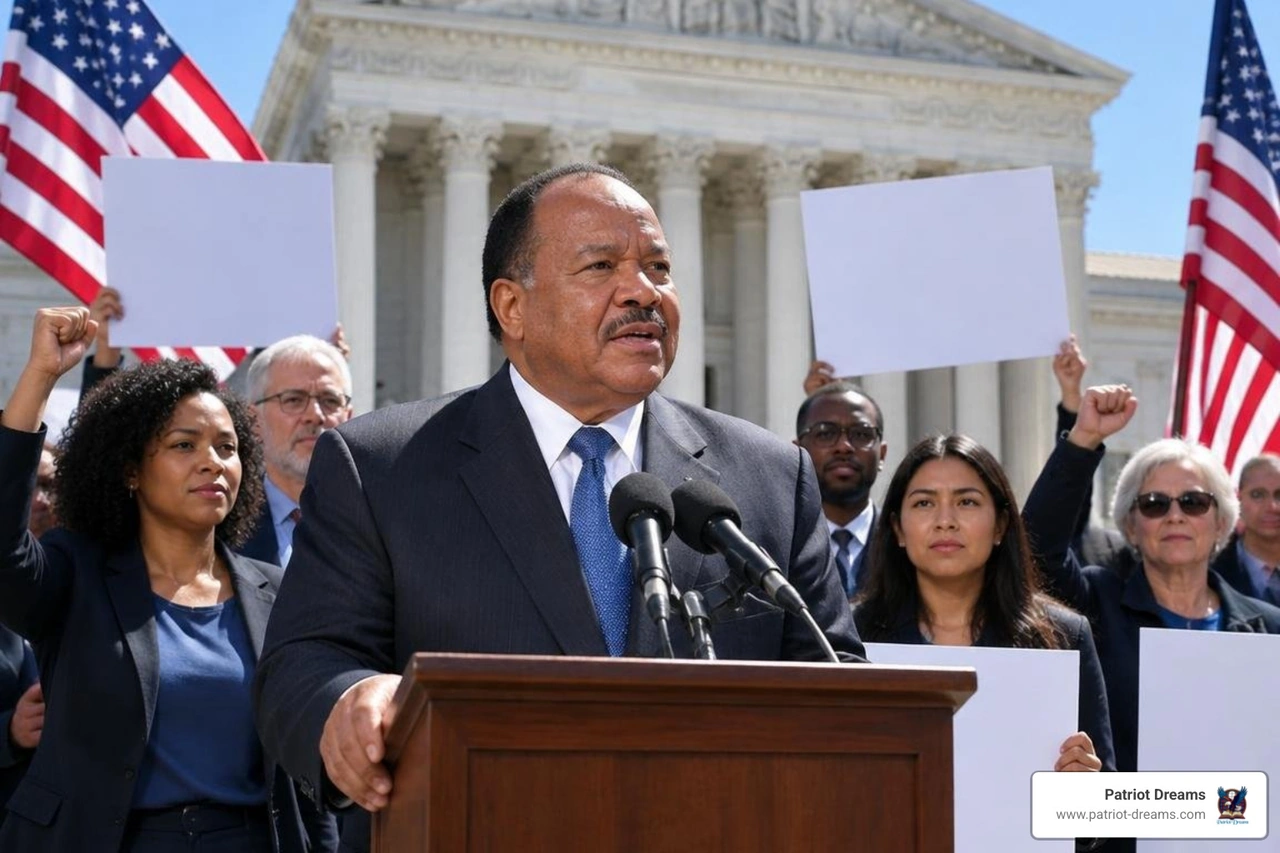
In recent years, Martin Luther King III has focused on protecting the fundamental building block of American democracy: civic participation. He believes voting is a sacred civic duty that allows every neighbor's voice to be heard clearly and peacefully.
Through campaigns like "Give Us The Ballot" and grassroots mobilization during pivotal election seasons, he has worked to ensure that registration is accessible to all eligible Americans. He often connects these efforts to the enduring principles of the MLK dream, emphasizing that civic involvement must always be paired with compassion and nonviolent action. His advocacy also extends to restorative justice, frequently supporting clemency and thoughtful reform within the criminal justice system to ensure dignity for all people.
Realizing the Dream and Digital Heritage Preservation
Looking ahead toward the centennial of his father's birth in 2029, Martin partnered with national sports leagues and civic groups to launch the Realizing the Dream initiative. This nationwide effort calls upon Americans of all backgrounds to collectively contribute 100 million hours of community service.
He has also championed the King Center Imaging Project, digitizing roughly 200,000 historical documents and preserving over 3,500 hours of rare audiovisual material so that future generations can explore civil rights history with ease.
| Campaign / Initiative | Primary Target Goal | Broad Community Impact |
|---|---|---|
| Realizing the Dream | 100 million service hours by 2029 | Mobilizes nationwide volunteerism, mentoring, and community cleanups |
| National Gun Buy-Backs | Remove dangerous weapons from streets | Collected over 10,000 firearms through peaceful community buy-backs |
| King Center Digitization | Digitize ~200,000 historical archives | Preserves civil rights recordings and documents for open educational access |
| Give Us The Ballot | Expand civic education and participation | Promotes nonpartisan voter registration drives and neighborhood awareness |
Family Legacy and the Next Generation of Activism
True leadership often thrives best when supported by a loving home. Working side by side with his wife, Arndrea Waters King, Martin has made their shared advocacy a family endeavor. Together, they guide major educational campaigns, podcasts like My Legacy, and university teaching roles.
Their daughter, Yolanda Renee King—born in 2008 and the only grandchild of Dr. Martin Luther King Jr. and Coretta Scott King—has embraced this calling from a young age. Speaking before national gatherings with poise and clarity, she reminds younger generations that their voices matter. This intergenerational bridge mirrors the timeless tribute felt when visiting the Martin Luther King Jr memorial in Washington, D.C.—a place reminding us all that peaceful service is a living, continuous journey.
Frequently Asked Questions About Martin Luther King III
What are Martin Luther King III's most notable civil rights achievements?
He served as president of the Southern Christian Leadership Conference (1997–2004), chaired the Drum Major Institute, organized gun buy-back initiatives collecting over 10,000 weapons, and conducted peaceful conflict-resolution workshops across several continents.
How is Martin Luther King III involved in modern voting rights advocacy?
He leads nonpartisan civic marches, supports voter-registration drives, and champions legislation that protects open and fair access to the ballot box for every eligible American citizen.
What is the Realizing the Dream initiative?
Realizing the Dream is a collaborative initiative aimed at completing 100 million hours of volunteer community service across the United States ahead of Dr. Martin Luther King Jr.'s 100th birthday in 2029.
Conclusion
Carrying forward a profound legacy is never about walking in someone else's footsteps—it is about using the values you were given to light the path ahead. Martin Luther King III has spent his life showing us that kindness, quiet resolve, and neighborly service remain the truest ways to solve our differences and strengthen our communities.
When we take time to help a neighbor, volunteer in our towns, or simply listen to someone with a different viewpoint, we take part in this gentle, ongoing effort. At Patriot Dreams, we love celebrating the personal journeys and historical milestones that unite us as one American family. We invite you to continue exploring these stories by honoring the history of the civil rights movement and discovering how every small act of goodwill helps build a more hopeful tomorrow.

Join the Patriot Dreams Community
Download the app today and start your journey through American history and personal legacy.

Explore Our Latest Insights
Dive into stories that shape our American legacy.