Founding Teenagers: The Shockingly Young Age of the Founding Fathers
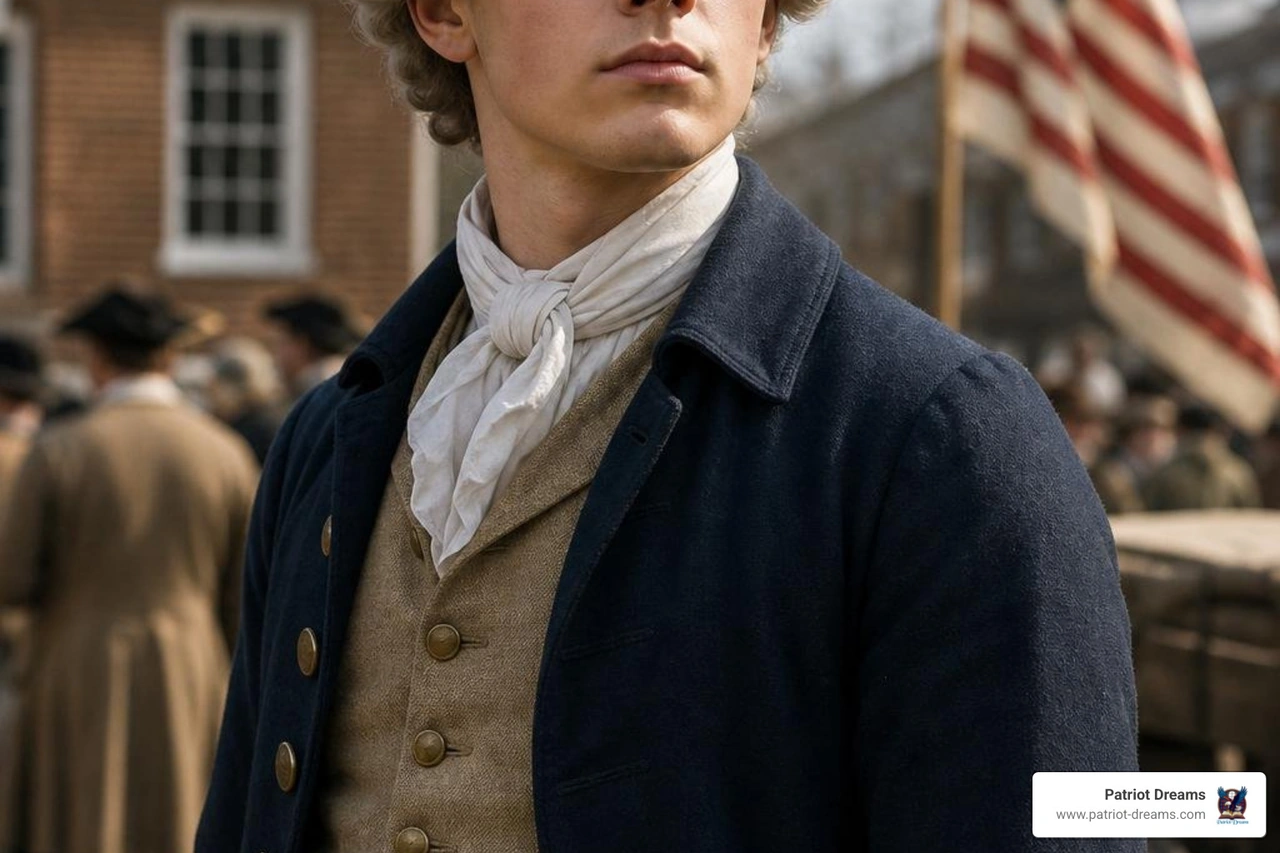

The Real Age of the Founding Fathers May Surprise You
The age of the founding fathers is not what most of us picture. Here is a quick look at the ages of key figures on July 4, 1776:
| Founding Father | Age in 1776 |
|---|---|
| Benjamin Franklin | 70 |
| George Washington | 44 |
| John Adams | 40 |
| Thomas Jefferson | 33 |
| James Madison | 25 |
| Alexander Hamilton | 21 |
| Marquis de Lafayette | 18 |
| Edward Rutledge (youngest signer) | 26 |
- The average age of the signers of the Declaration of Independence was 44
- More than a dozen signers were 35 or younger
- Only 2 signers were under 30 years old
- The oldest signer, Benjamin Franklin, was 70 — 44 years older than the youngest*
Close your eyes for a moment and picture the men who founded America. Chances are, you see silver hair, formal coats, and the serious faces of old statesmen. It is a picture most of us grew up with.
But here is the thing — that picture is not quite right.
Many of the men who risked everything to build this nation were young. Some were barely older than college students today. The portraits we know so well, painted by artists like Gilbert Stuart, were created years later, when these men were presidents and judges and elder statesmen. By then, yes, they looked old. But in 1776? Many of them were just getting started.
It is a beautiful and hopeful story, really. A group of people — young and old together — who believed so deeply in something that they were willing to give everything for it.
We are Kyle and Emily, and we can not wait to walk you through this remarkable and surprisingly human side of American history.

Discover more about age of the founding fathers:
The Myth of the Powdered Wig: Why We Misjudge the Revolutionary Generation
When we look back at the creation of our country, we often view it through a lens of quiet, solemn dignity. We see oil paintings of dignified men sitting in quiet rooms, their faces frozen in expressions of deep, unmoving wisdom. It is easy to think of them as a separate class of humans—people who were born old, wise, and completely detached from the everyday passions of youth.
But this is a gentle misunderstanding of history.
Our perception of these legendary leaders is deeply shaped by the portraits painted by Gilbert Stuart and his contemporaries. These artists painted the founders much later in their lives, during their sunset years when they had transitioned into the roles of presidents, chief justices, and elder statesmen. By that time, their hair was white, their faces were lined with the heavy burdens of leadership, and they wore the powdered wigs of the late 18th century.
When we look at those portraits, we are seeing the end of their journeys, not the beginning. We miss the vibrant, energetic, and sometimes messy reality of their youth.
In truth, the American Revolution was a movement driven by an incredible amount of youthful energy. To understand the true age of the founding fathers, we have to peel back those layers of dried paint and see them as they truly were in 1776: passionate, daring, and deeply human. They were young people making difficult choices, finding their way in a world of uncertainty, and leaning on one another for support.
By humanizing these figures, we do not diminish their achievements. Instead, we make them feel closer to us. We realize that they were not mythical giants, but ordinary people who found the courage to do extraordinary things. They had doubts, they made mistakes, and they had to learn how to work together despite their differences.
As we explore the Ages of Revolution: How Old Were They on July 4, 1776? - Journal of the American Revolution, we begin to see a beautiful picture of generational unity. It was a time when the bold dreams of youth met the steady guidance of experience, creating a warmth that still lights our nation today.
The Generational Spectrum: From Teenagers to Sages in 1776
Imagine walking into a warm, candlelit room in Philadelphia during the sweltering summer of 1776. The air is thick with anticipation, the quiet rustle of parchment, and the low murmur of intense conversations. If you were to look around that room, you would not see a monolithic group of elderly scholars. Instead, you would see a vibrant spectrum of generations sitting side by side.
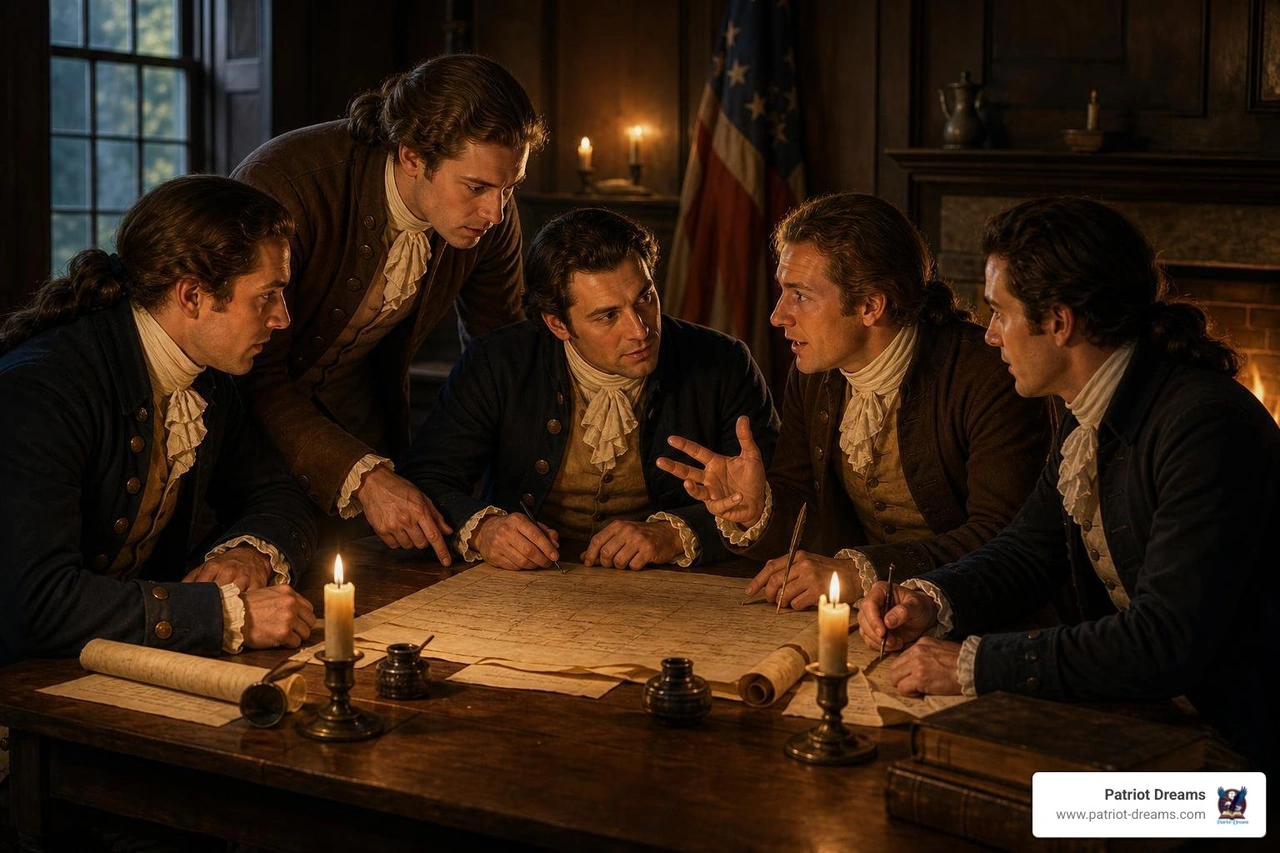
This generational diversity was one of the greatest strengths of the early American movement. It allowed for a beautiful balance of ideas. The younger delegates brought a sense of daring and a willingness to imagine a completely new world, while the older delegates provided the wisdom, patience, and historical perspective needed to ground those dreams in reality.
Let us look at how this spectrum broke down among the Declaration Independence Signers in 1776:
- Under 30 years old: 2 signers
- Between 30 and 39 years old: 17 signers
- Between 40 and 49 years old: 20 signers
- Between 50 and 59 years old: 10 signers
- 60 years old and older: 7 signers
To help bring this generational picture to life, here is a simple table showing where some of the most familiar names fell on this spectrum on July 4, 1776:
| Generation | Representative Founders | Age in 1776 | Their Unique Contribution |
|---|---|---|---|
| The Grand Patriarchs (60+) | Benjamin Franklin | 70 | Provided grandfatherly wisdom, diplomatic credibility, and a calming presence. |
| The Mid-Career Leaders (40-49) | George Washington John Adams | 44 40 | Offered a steady hand, military experience, and the practical drive to get things done. |
| The Young Visionaries (30-39) | Thomas Jefferson | 33 | Brought poetic expression, creative energy, and a vision of what could be. |
| The Rising Generation (Under 30) | James Madison Alexander Hamilton | 25 21 | Contributed tireless work ethic, brilliant intellect, and zeal. |
This mixture of ages created a unique community. It was a place where mentor relationships flourished, where disagreements were tempered by mutual respect, and where the energy of youth was guided by the steady hand of experience.
Signing the Declaration: The Age of the Founding Fathers in 1776
When the Second Continental Congress adopted the Declaration of Independence in 1776, the average age of the 56 signers was just 44 years old. This age represents a wonderful "sweet spot" in life—a time when a person has gained enough practical experience to understand how the world works, yet still possesses the physical stamina and hopeful energy to try and change it.
While the average was 44, the individual stories within that average are what make this history feel so alive.
At one end of the spectrum was Thomas Jefferson, who was only 33 years old when he was tasked with drafting the document. Jefferson was a quiet, thoughtful young man who preferred the company of books to public speaking. Yet, his youth allowed him to think beyond the existing political structures of his day. He was not just trying to patch up a broken relationship with a king; he was imagining a completely new way for human beings to govern themselves.
Supporting Jefferson was John Adams, who was 40 years old in 1776. Adams was the passionate engine of the independence movement, a man of intense conviction and tireless drive. He recognized Jefferson's literary talent and encouraged the younger man to write the draft, showing a wonderful example of collaboration across age lines.
At the other end of the room sat Benjamin Franklin, the undisputed grandfather of the assembly at age 70. In the 18th century, reaching the age of 70 was a rare milestone, equivalent to being a centenarian in our modern times of July 2026. Franklin was a steady, comforting presence in the sweltering heat of Philadelphia. When debates grew heated and tempers flared, Franklin would often share a warm humorous story or a gentle word to bring everyone back together.
We can also look to the very youngest signers, Edward Rutledge and Thomas Lynch Jr., both representation from South Carolina, who were only 26 years old. At an age when many of us are still figuring out our paths in life, these two young men were putting their names to a document that marked them as traitors to the crown—a choice that carried the ultimate risk. You can read more about these brave young individuals in Founding Teenagers: How Old Were They on July 4, 1776? | HuffPost Latest News.
How the Age of the Founding Fathers Influenced the Declaration
The youthful spirit of the authors is woven directly into the fabric of the Declaration of Independence itself. When you read the opening lines, you can feel the poetic, soaring idealism that so often belongs to the young.
Thomas Jefferson's youth gave him the freedom to dream. He was not weighed down by decades of political compromise. Instead, he was inspired by the philosophical ideas of the Enlightenment, believing that a better, fairer world was truly possible. He poured this hope into those famous words: "We hold these truths to be self-evident, that all men are created equal..."
But those beautiful, poetic ideas needed a practical champion to turn them into reality. That was John Adams. At 40, Adams brought the necessary grit, determination, and legal expertise to the floor of Congress. He argued passionately for the adoption of the Declaration, earning him the nickname "the Atlas of Independence."
This partnership between the 33-year-old writer and the 40-year-old advocate shows how different stages of life can come together to create something beautiful. You can explore this relationship further in Thomas Jefferson and the Declaration of Independence: How a Nation Found Its Voice and John Adams and the Spirit of 1776.
The Age of the Founding Fathers at the Constitutional Convention
Eleven years after the Declaration of Independence, a different gathering took place in Philadelphia. The Revolutionary War had been won, and the challenge now was to build a lasting framework for the new nation.
At the Constitutional Convention of 1787, the average age of the 55 delegates was even younger—just 42 years old.
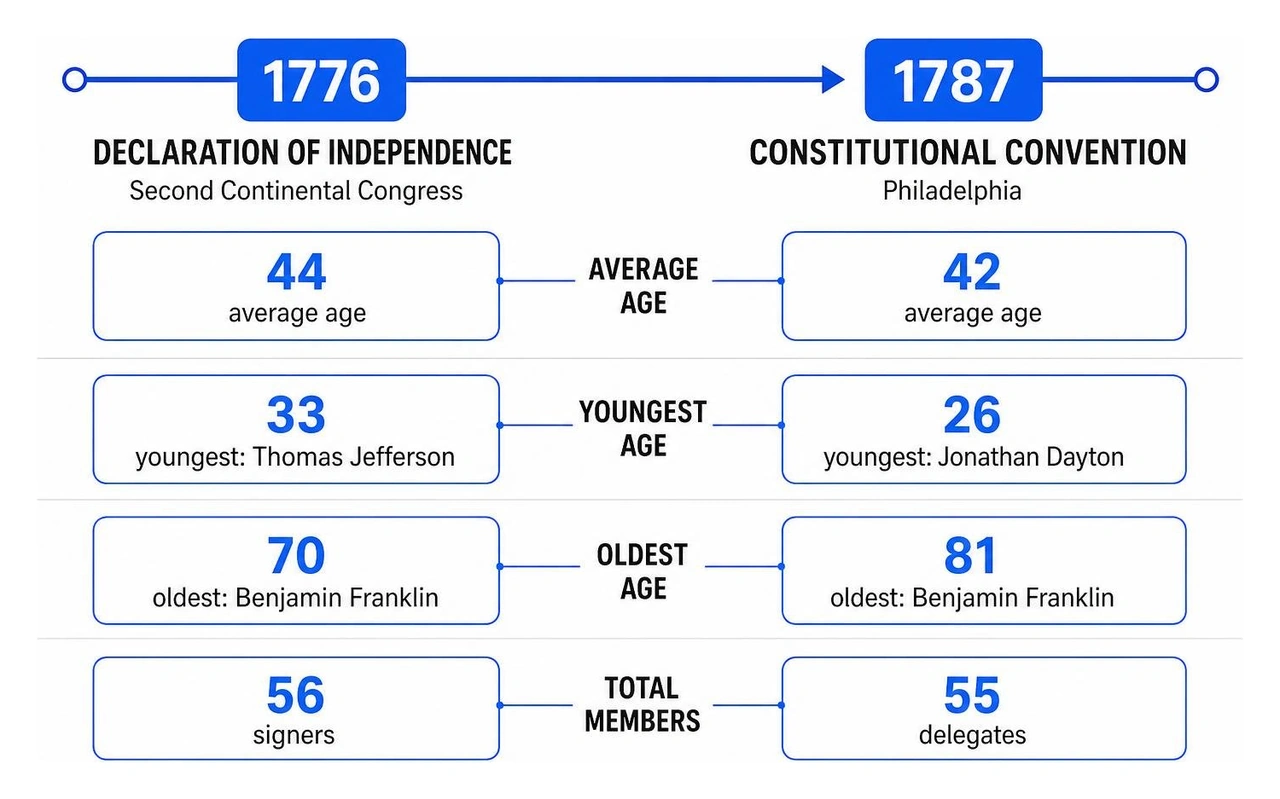
This convention was a masterclass in generational collaboration. The youngest delegate was Jonathan Dayton of New Jersey, who was only 26 years old. Sitting in the same room was Benjamin Franklin, now 81 years old and so frail that he had to be carried into the state house in a sedan chair.
The intellectual heavy lifting of the convention was largely done by men in their thirties. James Madison, who would earn the title "Father of the Constitution," was 36 years old. He spent months preparing for the convention, studying ancient governments and drafting the Virginia Plan, which served as the foundation for our system of government.
Working alongside him was Alexander Hamilton, who was 30 years old, bringing his brilliant financial mind and intense energy to the debates. This incredible gathering of minds is beautifully detailed in our guide to Constitutional Convention History.
The Young Guns: Teenagers and Twentysomethings Who Shaped a Nation
It is truly inspiring to realize how many key figures of the American Revolution were what we would consider young adults today. They were teenagers and twentysomethings who did not wait for permission to make a difference; they simply saw a need and stepped forward to help.
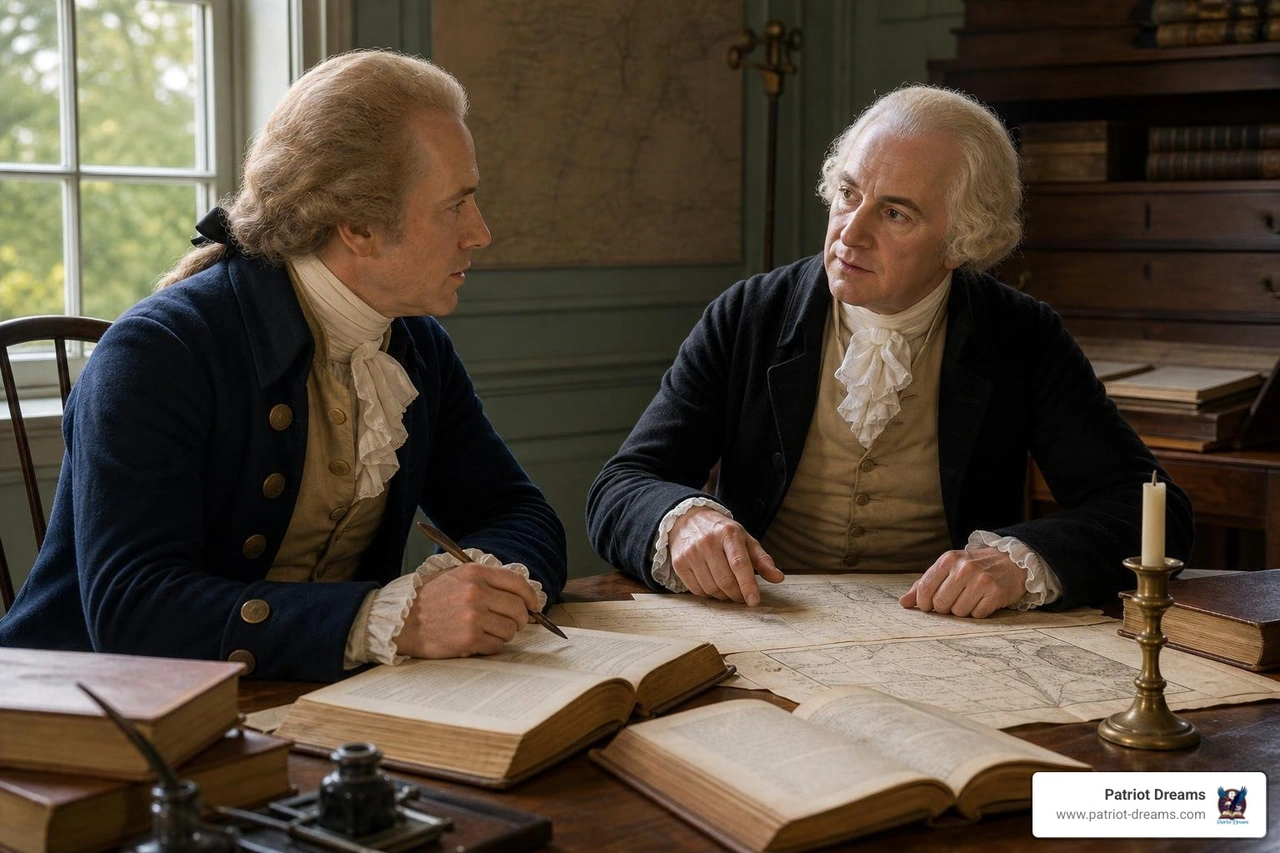
Think of the Marquis de Lafayette, a young French aristocrat who was only 18 years old in 1776. Inspired by the promise of American liberty, he left his life of luxury behind, sailed across the Atlantic, and volunteered to serve in the Continental Army without pay. George Washington took the young Frenchman under his wing, and their deep, father-son bond became one of the most touching relationships of the war.
Then there was James Monroe, who was also 18 in 1776. He dropped out of college to join the army, fought bravely at the Battle of Trenton, and was wounded in the shoulder while charging enemy cannons. Monroe would eventually go on to become the fifth President of the United States.
Alexander Hamilton was just 21 years old in 1776. He was a brilliant, ambitious young man who quickly caught the attention of George Washington, becoming his trusted aide-de-camp. Hamilton's youthful energy and sharp mind were crucial to organizing the army and, later, designing the nation's financial system.
And let us not forget James Madison, who was 25 in 1776. Madison was a quiet, studious young man who used his incredible intellect to help shape the state constitution of Virginia before turning his attention to the national stage. His work on the James Madison Constitution remains one of the greatest achievements in human political history.
These young leaders possessed a wonderful sense of audacity. They were not afraid to challenge the greatest empire in the world because they were looking toward the future. They believed that with hard work, faith, and unity, they could build a home where freedom could flourish for generations to come.
The Sages: The Vital Role of Elder Statesmen
While the energy of youth was the engine of the Revolution, the wisdom of the older generation was its anchor. Without the steadying influence of the elder statesmen, the movement might have spun out of control, lost its way, or fractured under the pressure of internal disagreements.
Benjamin Franklin was the ultimate example of this guiding presence. At 70 years old in 1776, he was a global celebrity, known for his scientific discoveries and his diplomatic skill. He brought instant credibility to the American cause. More than that, he brought a spirit of patience and reconciliation. Franklin understood that building a community requires listening, compromise, and a good sense of humor. You can learn more about his incredible life in All About Benjamin Franklin: Inventor, Diplomat, and Founding Father.
Samuel Adams, who was 53 in 1776, was another crucial older voice. He was a master organizer who helped unite the colonies in the early days of the protest, showing the younger patriots how to channel their passion into effective, organized action.
And, of course, there was George Washington. At 44 years old in 1776, Washington was in the prime of his life, possessing both the physical strength to lead an army and the maturity to handle the immense responsibility placed upon him. Washington was a man of quiet dignity and deep faith. He led by example, showing his troops—many of whom were teenagers—what it meant to be resilient, patient, and kind, even in the darkest of times.
The statistical records preserved by US Founding Fathers Statistics 2026 | Legacy, Impact & Key Facts - The World Data show us that this balance of ages was not an accident. It was a beautiful, natural partnership. The older generation did not dismiss the young as inexperienced, and the younger generation did not reject the old as out of touch. Instead, they walked together, hand in hand, toward a shared dream.
Frequently Asked Questions about the Revolutionary Generation
History is full of wonderful surprises, and it is natural to be curious about the details of how these remarkable people lived and worked together. Here are some of the questions we hear most often about the age demographics of the era.
Who was the oldest signer of the Declaration of Independence?
The oldest signer was Benjamin Franklin of Pennsylvania, who was 70 years old when he signed the document in 1776. Franklin was a beloved figure who had lived a full life as a printer, inventor, and diplomat before the war even began. His advanced age made him a source of great comfort and stability for his younger colleagues.
Who was the youngest signer of the Declaration of Independence?
The youngest signers were Edward Rutledge and Thomas Lynch Jr., both representing South Carolina. Both young men were just 26 years old in 1776. Despite their youth, they stepped forward with immense courage, signing their names to a document that carried the risk of death if the revolution failed.
What was the average age of the signers of the Declaration of Independence?
The average age of the 56 signers was 44 years old. This age represented a perfect balance of experience and vitality, allowing the delegates to bring both practical wisdom and energetic hope to the monumental task of founding a new nation.
Conclusion
When we look back at the age of the founding fathers, we find a story that is warm, human, and deeply encouraging. We see that the birth of our country was not the work of a single, uniform group of elderly statesmen, but rather a beautiful collaboration across generations. It was a time when teenagers, twentysomethings, mid-career professionals, and septuagenarians sat together in the same rooms, listened to one another, and worked as a family to build a better home.
This spirit of connection and shared legacy is exactly what we care about here at Patriot Dreams. We believe that history is not just a collection of cold dates and distant names, but a living tapestry of personal stories, courage, and love.
Through our interactive maps and unique audio storytelling, we invite you to step into the past and listen to the actual voices of these young visionaries and wise elder statesmen. We want to help you bring these stories into your own home, sharing them with your children and grandchildren, so that the warmth of our shared heritage can continue to light your family's path.
We hope you feel inspired by the courage of these young dreamers and the wisdom of their mentors. They showed us that no matter our age, we all have a vital part to play in our communities.
Let us keep sharing these stories, keeping the hope of America alive in our hearts.
Explore the personal stories and voices of these young visionaries on Patriot Dreams and start your family's journey into our beautiful past today.

Join the Patriot Dreams Community
Download the app today and start your journey through American history and personal legacy.

Explore Our Latest Insights
Dive into stories that shape our American legacy.