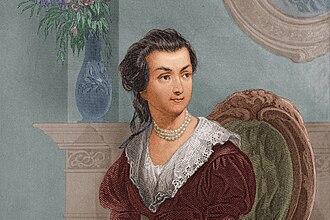
The Most Powerful Speeches in US History
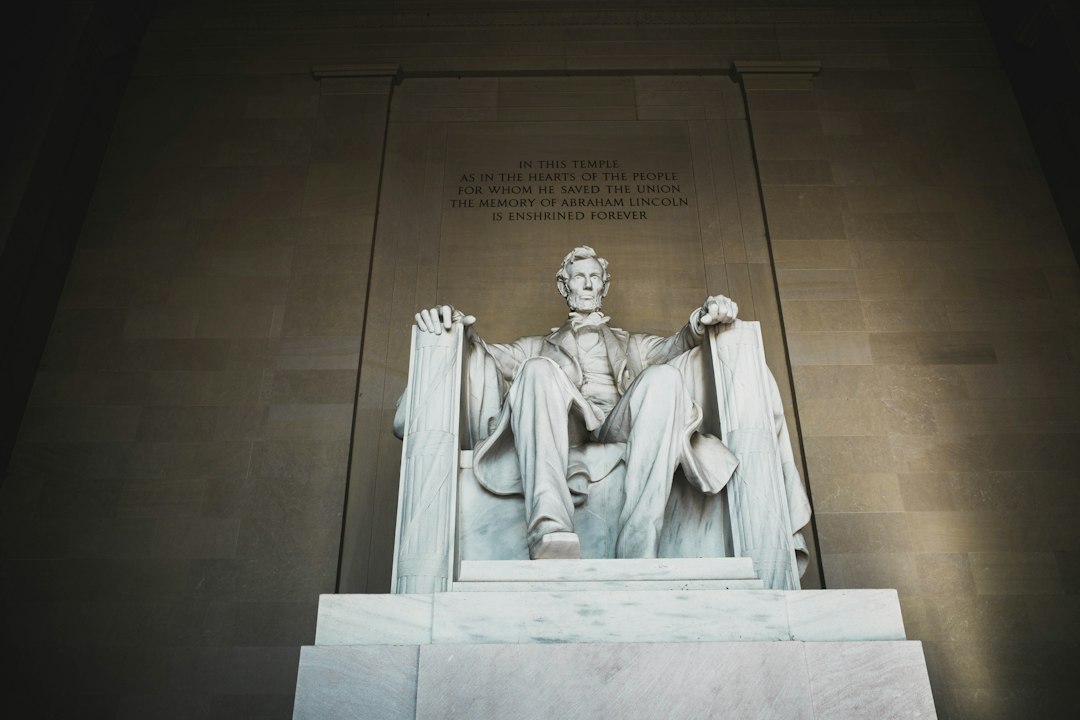

The Words That Still Move Us: Famous American Speeches Through the Ages
Famous American speeches have a special kind of power. They don't just record history — they make you feel it.
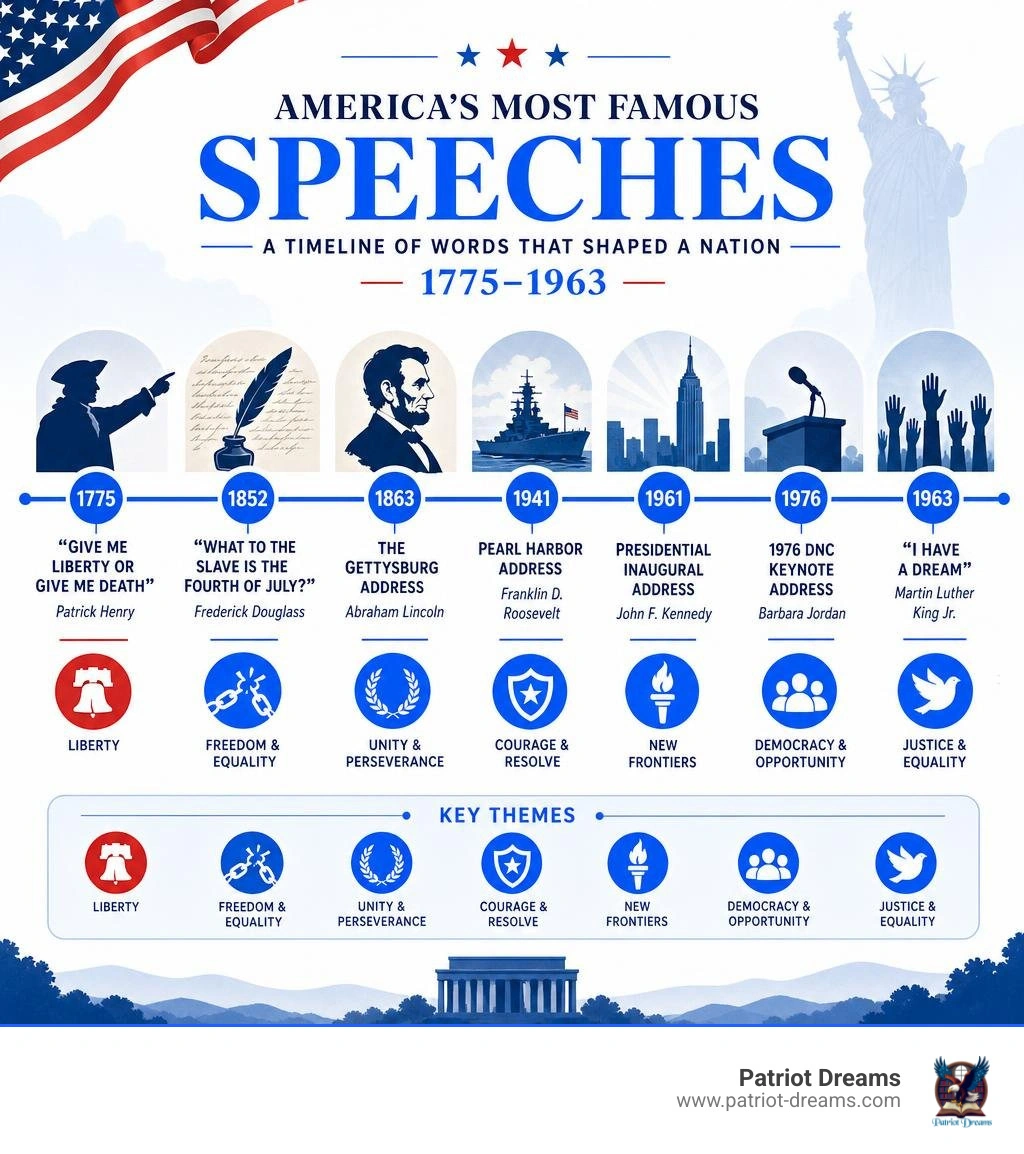
Here are some of the most celebrated speeches in U.S. history:
- "I Have a Dream" — Martin Luther King Jr., 1963
- Presidential Inaugural Address — John F. Kennedy, 1961
- The Gettysburg Address — Abraham Lincoln, 1863
- "Give Me Liberty or Give Me Death" — Patrick Henry, 1775
- Pearl Harbor Address — Franklin D. Roosevelt, 1941
- "What to the Slave Is the Fourth of July?" — Frederick Douglass, 1852
- First Inaugural Address — Franklin D. Roosevelt, 1933
- 1976 DNC Keynote Address — Barbara Jordan, 1976
These are the voices that shaped a nation — and many families still feel them today.
There is something quietly wonderful about a single person standing before a crowd and saying exactly what needs to be said. Words that comfort. Words that challenge. Words that remind us who we are and who we want to be.
In 1963, roughly 250,000 people stood at the Lincoln Memorial and listened to Dr. Martin Luther King Jr. speak. He had notes — but at one point, gospel singer Mahalia Jackson called out to him: "Tell them about the dream, Martin." What followed wasn't scripted. It came straight from the heart. And it became one of the most quoted passages in American history.
That moment captures something true about great speeches. They aren't just words on a page. They are living connections — between a speaker, an audience, and a shared sense of hope.
This article is a warm journey through the speeches that have moved us most. Whether you're a history lover, a family storyteller, or simply someone who finds comfort in the best of America — there's something here for you.
Learn more about Famous American speeches:
- Constitutional Convention history
- Presidential election history
- American Revolution stories
The Voices That Shaped a Nation: Famous American Speeches
Every great chapter in the American story has a voice that defines it. When we look back at our history, we see that our national identity was built not just on battlefields, but on the quiet authority of spoken words. These speeches helped a growing nation understand what it meant to pursue freedom, protect equality, and live out the promises of democracy.
Consider the early days of our country. In 1775, when the future was uncertain and a small colony was trying to find its footing, a passionate Virginian stood up to speak. The legendary Patrick Henry Speech delivered a powerful reminder that some things—like liberty—are worth everything we have. It was a message delivered with deep conviction, without a single page of written notes, yet it helped spark a revolution of the heart.
Years later, during our nation's darkest hour, Abraham Lincoln stood on a quiet battlefield in Pennsylvania. He spoke for only about two minutes—a brief moment compared to the two-hour academic address that preceded him. Yet, the Abraham Lincoln - Gettysburg Address - American Rhetoric redefined how we viewed the Civil War. It reminded a grieving people that the fallen had died so that a "government of the people, by the people, for the people, shall not perish from the earth."
Why We Still Study Famous American Speeches Today
Why do we keep returning to these historic moments? It is because they contain timeless wisdom. The rhetorical techniques used by these great speakers—like vivid metaphors, rhythmic repetition, and emotional honesty—allow their messages to transcend their own eras. When we study these texts, we are not just analyzing grammar; we are listening to the heartbeat of our ancestors.
We also find enduring courage in the voices of those who had to fight to be heard at all. Consider the legendary Sojourner Truth Speech, which challenged the nation to expand its circle of empathy and respect. Her words, spoken with simple honesty and profound strength, continue to inspire anyone striving for fairness and dignity today.
Finding Unity in Our Shared American Story
At Patriot Dreams, we believe that listening to these voices helps us remember the ties that bind us together. The Founding Fathers knew that building a free society was a continuous journey. By looking closely at The US Constitution & Bill of Rights Explained Simply, we can see how our democratic ideals were designed to grow with us.
Every generation has taken those founding promises and breathed new life into them. When we read The Declaration of Independence: What It Really Says and Why It Still Matters, we see a beautiful "promissory note" for future generations. Whether it was Thomas Jefferson setting the stage in Thomas Jefferson and the Declaration of Independence: How a Nation Found Its Voice, James Madison refining the framework in James Madison Constitution, or Patrick Henry rallying the public in Patrick Henry Complete Guide 2026, these speeches remind us that America is a beautiful, ongoing conversation.
The Top 100 Speeches of the 20th Century: A Journey of Hope and Unity
In 1999, a group of 137 scholars came together to compile a list of the most influential American speeches of the 1900s. They evaluated these addresses based on their historical impact and rhetorical artistry. The resulting list, which you can explore on the Top 100 Speeches of the 20th Century by Rank - American Rhetoric page, serves as a map of the modern American soul.
What is truly beautiful about this list is how it highlights our shared journey. It shows that in times of war, economic hardship, and social change, we have always turned to the power of the spoken word to find our way forward. Notably, civil rights speeches dominate the Top 10, with 4 of the top 10 speeches addressing civil rights or racial equality. This reminds us that our most celebrated oratory is often focused on making our nation a kinder, more welcoming place for everyone.
The Dream That United Us: Martin Luther King Jr. at the Lincoln Memorial
Ranking as the undisputed number one speech of the 20th century is Dr. Martin Luther King Jr.’s "I Have a Dream" address. Delivered on August 28, 1963, during the March on Washington, this speech is a masterpiece of hope. Dr. King did not ask for something new; instead, he asked America to live up to the promises already written in its founding documents.
He described the Declaration of Independence and the Constitution as a promise that all people would be guaranteed the unalienable rights of life, liberty, and the pursuit of happiness. If you read the full text on the Martin Luther King I Have a Dream Speech - American Rhetoric page, you can see how he masterfully combined the language of the Bible with the language of the American dream.
To understand the full legacy of this moment, we can look to Martin Luther King Jr: The Dream, The Struggle, The Legacy. Dr. King’s ability to pivot from his prepared text to improvise the "I Have a Dream" section—encouraged by Mahalia Jackson's call—shows the magic of live public speaking. It was a moment of pure, heartfelt connection that you can read about in MLK, "I Have a Dream," 1963 and study further in our Martin Luther King Jr Complete Guide.
A New Generation of Leadership: John F. Kennedy's Inaugural Address
Ranking at number two on the list is John F. Kennedy’s Inaugural Address, delivered on January 20, 1961. Standing in the freezing cold, the young president spoke to a nation facing the anxieties of the Cold War. His address was a call to civic responsibility, famously urging his fellow citizens to "ask not what your country can do for you—ask what you can do for your country."
You can read the authentic transcript of this historic address via AmericanRhetoric.com. Kennedy's speech was remarkable because it looked forward with hope rather than backward with fear. It framed the defense of freedom not as a partisan struggle, but as a global human duty, reminding us that the rights of man come not from the generosity of the state, but from the hand of God.
Strength and Comfort in Times of Trial: Franklin D. Roosevelt's Fireside Chats
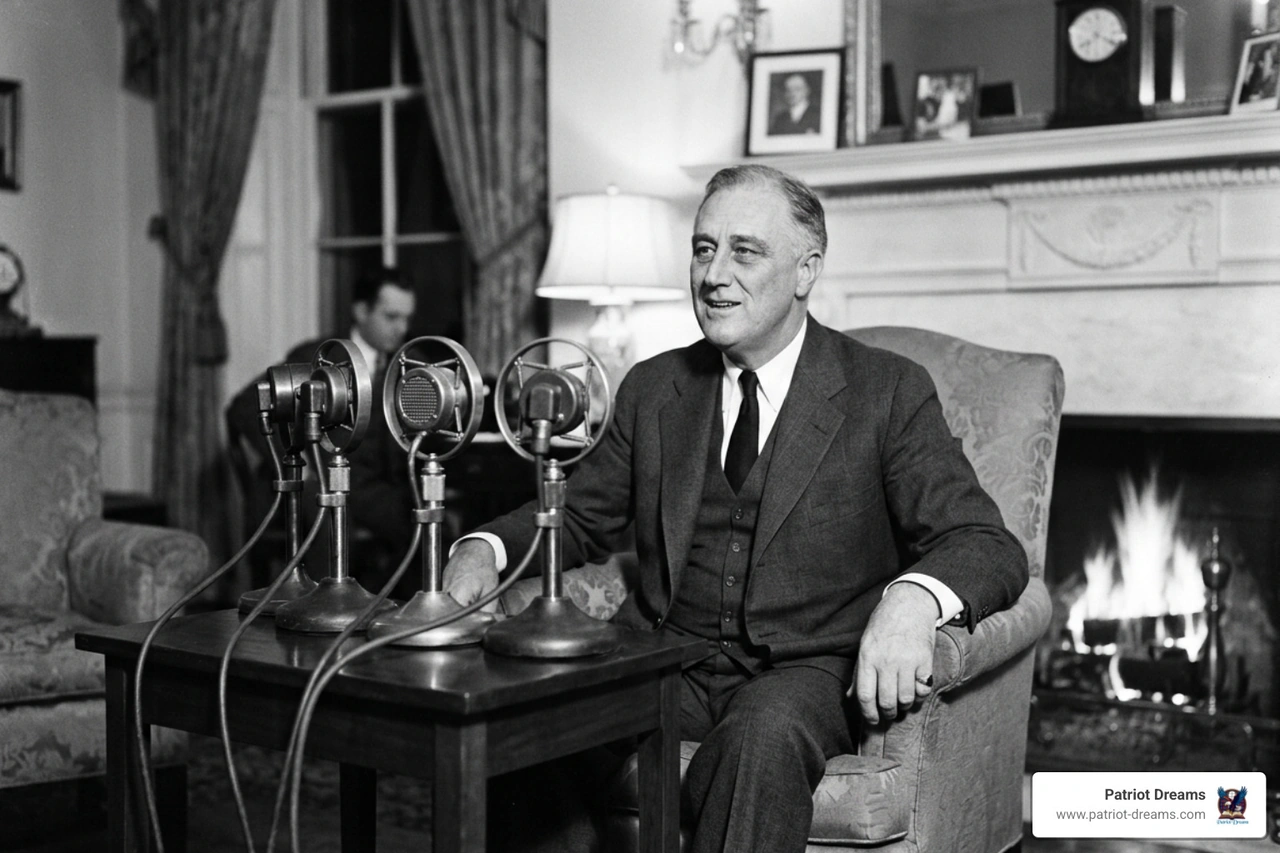
During the dark days of the Great Depression and World War II, President Franklin D. Roosevelt found a way to bring his voice directly into the living rooms of American families. Between 1933 and 1944, he delivered a series of radio broadcasts known as the "Fireside Chats."
FDR understood that leadership requires a personal touch. He spoke in a warm, conversational style, explaining complex economic policies and military strategies as if he were talking to a neighbor. This intimate connection helped a worried nation find comfort and strength.
FDR’s mastery of communication is reflected in the historical rankings: he delivered 3 speeches in the Top 10 of the 20th Century list (his First Inaugural Address, his Pearl Harbor Address, and "The Arsenal of Democracy" speech).
Voices of the People: Presidents, Activists, and Everyday Heroes
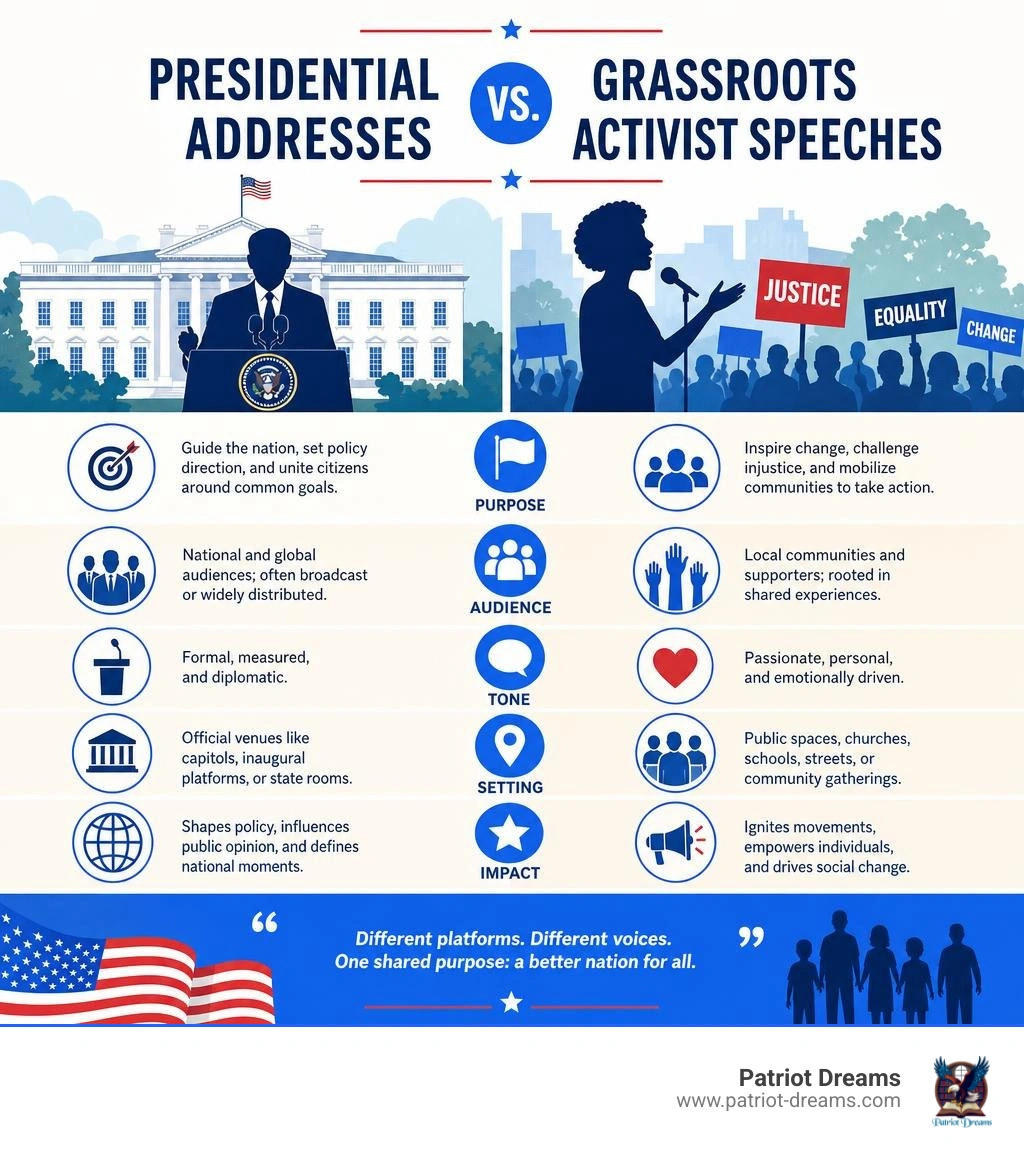
While presidents have the grand stage of the inauguration, some of the most powerful speeches in our history have come from activists, ministers, and private citizens. These voices of the people often speak with a moral clarity that challenges the status quo and pushes the nation toward progress.
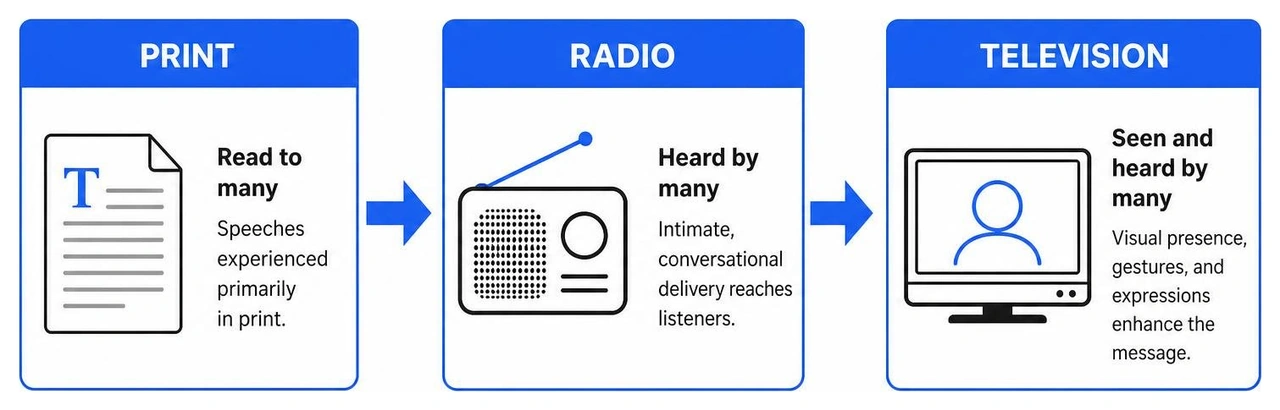
The medium of delivery has always played a major role in how these messages are received. In the 19th century, speeches were printed in newspapers and read aloud at family dinner tables. In the 20th century, radio and television brought the physical voice and facial expressions of the speaker directly to the public, transforming political communication forever.
To see how different types of speeches have shaped our history, let's look at this simple comparison:
How to Listen to Famous American Speeches with a Warm Heart
When we listen to these historic voices today, we are doing more than learning facts. We are practicing empathy. We are listening to the worries, hopes, and dreams of the people who came before us.
At Patriot Dreams, we love helping families connect with these stories. Through our unique audio storytelling platform, we bring American history to life, allowing you to explore the places where these speeches were made and preserve your own family's stories for the next generation. It is our way of keeping the American conversation going, warm and strong, in every home.
The Courageous Voices of Women and Minorities
One of the most beautiful aspects of our shared history is the way leadership has expanded to include more diverse voices. A shining example of this is Barbara Charline Jordan. She made history as the first African American woman to deliver a keynote address at a major party national convention.
Jordan’s incredible rhetorical skill earned her two spots in the Top 100 list of the 20th century:
- Her 1976 DNC Keynote Address ranks at #5, celebrated for its warm call for national unity and common purpose.
- Her 1974 Statement on the Articles of Impeachment during the Watergate hearings ranks at #13, remembered for its deep reverence for the U.S. Constitution.
Jordan famously remarked that her faith in the Constitution was whole and complete. Her presence on the national stage reminded everyone that the American story belongs to all of us.
Frequently Asked Questions About Historic Oratory
What criteria were used to rank the top 100 U.S. speeches of the 20th century?
The speeches were ranked by a panel of 137 scholars of public address. They evaluated each speech based on two primary standards: its historical impact (how much it changed policy, minds, or the course of history) and its rhetorical artistry (the quality of the language, delivery, and structure). You can see the full list of these ranked speeches on the Top 100 U.S. Speeches of the 20th Century - BVT Lab database.
Why did Martin Luther King Jr.’s "I Have a Dream" speech rank as number one?
Dr. King’s speech is considered the greatest of the 20th century because of its perfect blend of political relevance, moral authority, and poetic beauty. By framing the civil rights movement as a fulfillment of the American dream and the nation's founding documents, he created a message that was deeply patriotic, unifying, and impossible to ignore. His masterful delivery at the Lincoln Memorial cemented it as a defining moment in human history, as discussed in Looking at 10 great speeches in American History.
How did the rise of radio and television change how speeches were delivered?
Before radio, speeches had to be delivered with booming theatrical voices to reach large crowds, and most people only read them in print. Radio allowed for a much more intimate, conversational style of speaking—as demonstrated by FDR’s fireside chats. Later, television added a visual element, making the speaker's appearance, gestures, and facial expressions a key part of their message. This technological shift is illustrated in the diagram below:
Conclusion
As we look back at the Famous American speeches that have shaped our nation, we are reminded of a simple, beautiful truth: words have the power to bring us together. From Patrick Henry’s urgent call for liberty to Dr. King’s beautiful dream of brotherhood, these voices have served as a steady light, guiding us through our quietest moments and our stormiest seas.
These speeches are not just museum pieces to be studied in silence. They are living stories that remind us of the kindness, resilience, and hope that define the American character. They encourage us to listen to one another with open hearts and to continue building a community where everyone feels welcome.
At Patriot Dreams, we invite you to take this journey of discovery even further. Our interactive map and audio storytelling platform are designed to help you explore these historic moments and preserve your own family’s legacy. After all, the story of America is still being written—and your voice is a beautiful part of it.
We hope you will join us in keeping these warm stories alive. To start your own journey of exploration and preservation, visit the Patriot Dreams App today. Let's keep sharing the stories that remind us of the very best of who we are.

Join the Patriot Dreams Community
Download the app today and start your journey through American history and personal legacy.

Explore Our Latest Insights
Dive into stories that shape our American legacy.