10 Must-Read Books on Female African American Historical Figures
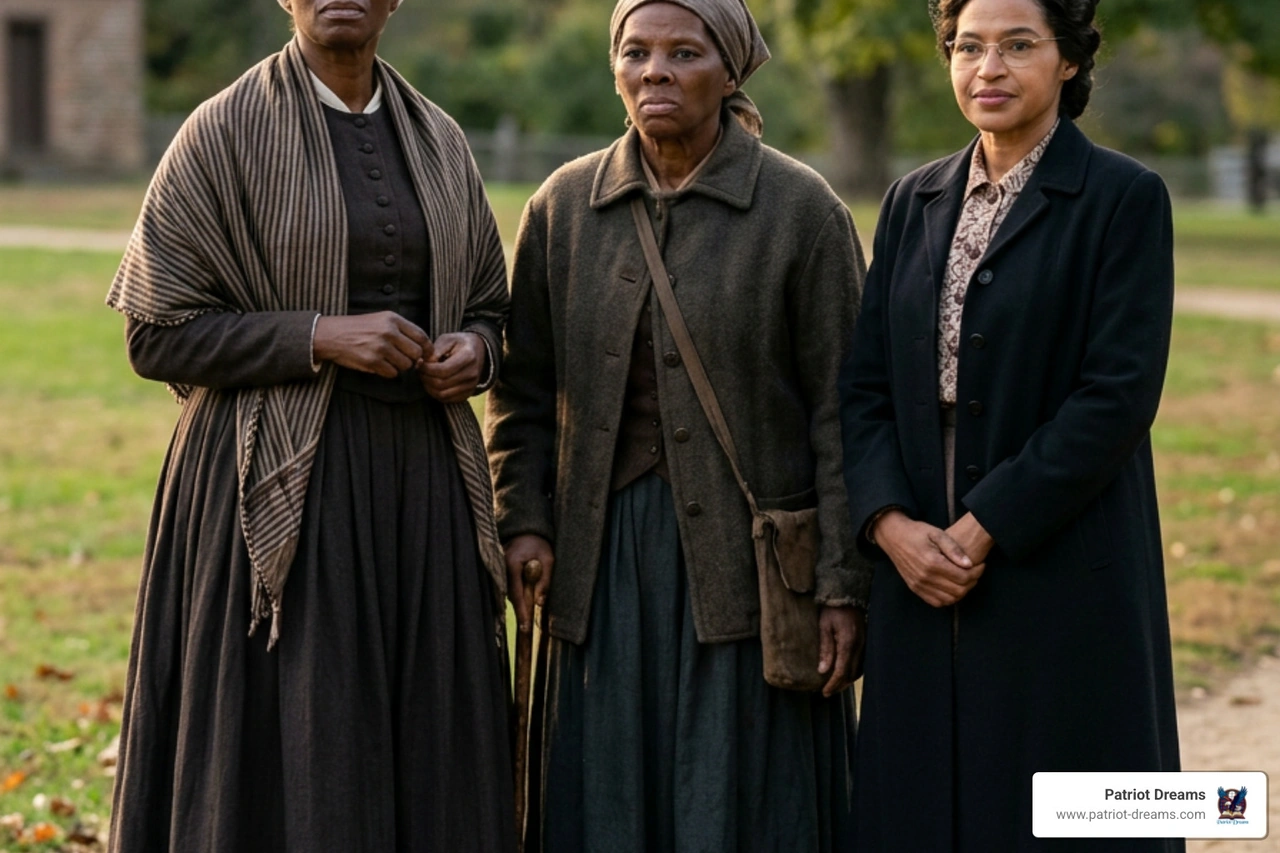

Discover Female African American Historical Figures Through Their Stories
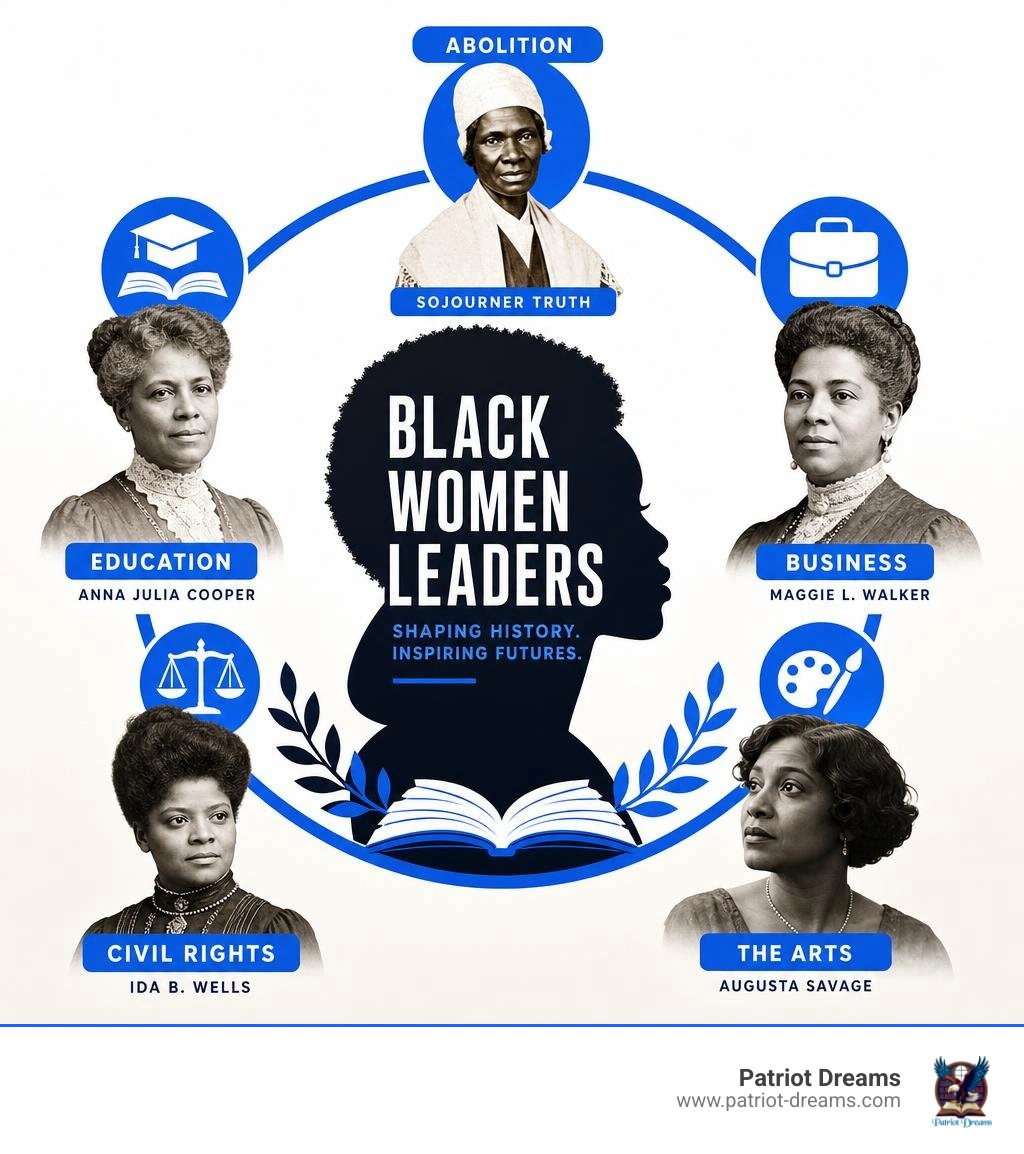
The best books on female African American historical figures bring remarkable women closer through their own words, family histories, and carefully researched biographies. This guide highlights 10 must-read titles about leaders such as Sojourner Truth, Harriet Tubman, Anna Julia Cooper, Ida B. Wells, Madam C.J. Walker, and Rosa Parks.
Their lives show many paths to lasting influence:
- Speaking and writing: Maria W. Stewart gave pioneering public lectures in the 1830s, while Anna Julia Cooper used scholarship to champion education and opportunity.
- Building communities: Maggie L. Walker founded a bank in 1903, creating a powerful example of local economic leadership.
- Leading with courage: From abolition to school integration and voting-rights work, Black women helped shape a fuller American story.
These books do more than list historic milestones. They preserve voices that were too often left out of classrooms and archives, helping families connect big moments in history to real people, hard choices, and everyday perseverance.
We are Kyle & Emily, and we hope these reading recommendations help your family discover stories worth sharing for generations.
Female african american historical figures terms you need:
- famous female leaders in history
- famous historical african american figures
- From Paper Bags to Possibility: Margaret E. Knight and Women Inventors in America
Why Biographies of Female African American Historical Figures Matter
When we open the pages of a well-researched biography, we step into the shoes of pioneers who transformed hope into action. For many generations, the vital records of Black women were preserved primarily through oral histories, community bulletins, and family Bibles. Formal public archives often overlooked these materials, making written biographies crucial for historical literacy and cultural preservation.
As recognized in research on Black women and the struggle for equality from the National Park Service, women across American history stood on the front lines of community uplift, education, and civic life. They faced distinct challenges at the crossroads of race and gender, navigating systemic barriers with profound resilience, dignity, and ingenuity.
Reading these life stories allows us to understand that our nation's progress has always been powered by everyday people striving to make their neighborhoods and communities better. For an overarching look at key trailblazers, our famous African American figures guide highlights how individual acts of courage create enduring national legacies.
| Historical Era | Key Themes & Disciplines | Core Milestones & Contributions |
|---|---|---|
| 19th-Century Abolition & Reform | Abolition, public lectures, oral narratives | Escaping enslavement, guiding others via the Underground Railroad, groundbreaking oratorical tours |
| Early 20th-Century Education & Enterprise | Higher education, community banking, investigative journalism | Founding commercial banks, earning advanced academic degrees, establishing national service organizations |
| Mid-20th-Century Civil Rights | Desegregation, nonviolent civic action, legal advocacy | Integrating public schools, organizing transportation boycotts, securing landmark federal court rulings |
| Modern Public Service & STEM | Aviation, space exploration, constitutional jurisprudence | Piloting aircraft, conducting aerospace research, serving on the nation's highest judicial courts |
Essential Books Celebrating Pioneering Abolitionists and Suffragists
The nineteenth century witnessed extraordinary women who stood up against injustice using the power of the written word, moral clarity, and public speaking. Their autobiographies and biographical accounts provide an irreplaceable window into early American reform.
Groundbreaking Memoirs of Female African American Historical Figures
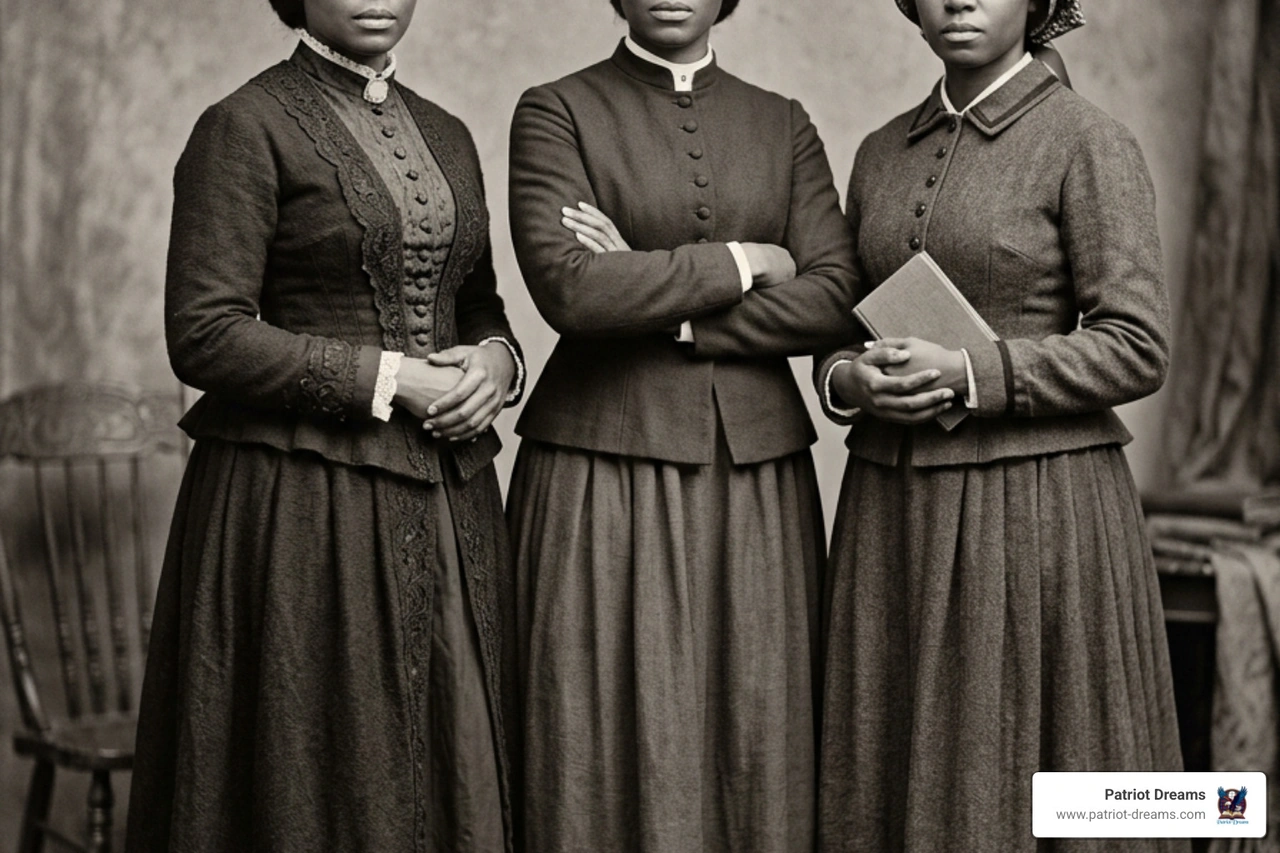
1. Narrative of Sojourner Truth by Sojourner Truth (with Olive Gilbert)
Born Isabella Baumfree in Ulster County, New York, around 1797, Sojourner Truth endured decades of enslavement before walking away to freedom in 1826. Her autobiography, documented with help from Olive Gilbert, captures her Dutch-speaking childhood, the heartbreak of family separations, and her deep spiritual faith.
Truth became a beloved national lecturer who supported herself by selling photographic portrait cards inscribed with the motto, "I sell the shadow to support the substance." Her powerful voice resonated across town halls, best remembered in historical accounts of the famous Sojourner Truth speech delivered at the 1851 Women's Rights Convention in Akron, Ohio.
2. Harriet Tubman: The Road to Freedom by Catherine Clinton
This biography offers a deeply researched look into the life of Harriet Tubman, who escaped enslavement in Maryland to become the most celebrated conductor on the Underground Railroad. Over an eight-year span, Tubman completed numerous dangerous rescue missions, famously noting that she never lost a passenger. Clinton captures Tubman’s multifaceted service as a nurse, scout, and Union spy during the Civil War, showcasing an enduring legacy of quiet faith and boundless courage.
3. Harriet Jacobs: A Life by Jean Fagan Yellin
Jean Fagan Yellin’s authoritative work documents Harriet Jacobs, who wrote the landmark 1861 autobiography Incidents in the Life of a Slave Girl under the pen name Linda Brent. Jacobs’s courageous narrative exposed the unique hardships endured by enslaved women and detailed the seven years she spent hiding in a tiny attic crawlspace before securing freedom. Yellin's biography authenticates Jacobs's historical letters and celebrates her postwar work establishing schools and relief centers for freed families.
Foundational Texts on Early Civil Rights and Oratory
4. A Voice from the South by Dr. Anna Julia Cooper
Published in 1892, A Voice from the South by a Black Woman of the South is celebrated as a foundational work of intellectual thought. Born into slavery in 1858 in Raleigh, North Carolina, Dr. Anna Julia Cooper earned degrees from Oberlin College and went on to become the fourth African American woman in the United States to earn a PhD when she defended her doctoral thesis at the Sorbonne in Paris in 1925 at the age of 66. Cooper’s essays passionately advocated for higher academic standards, liberal arts education, and civic opportunities for Black youth.
5. Meditations from the Pen of Mrs. Maria W. Stewart by Maria W. Stewart
In the early 1830s in Boston, Maria W. Stewart became one of the first recorded American women of any race to deliver public political lectures to mixed audiences of men and women. Her collected writings, published in abolitionist journals and later compiled into book form, emphasized moral development, education, and community self-reliance. Stewart later served as a dedicated teacher and hospital matron in Washington, D.C., funding the republication of her work through her late husband's War of 1812 pension.
Definitive Works on 20th-Century Trailblazers in Business, Journalism, and Civil Rights
During the twentieth century, African American women broke barriers across commerce, media, grassroots organizing, and constitutional law, creating institutions that enriched local communities across the country.
Modern Chronicles of Female African American Historical Figures
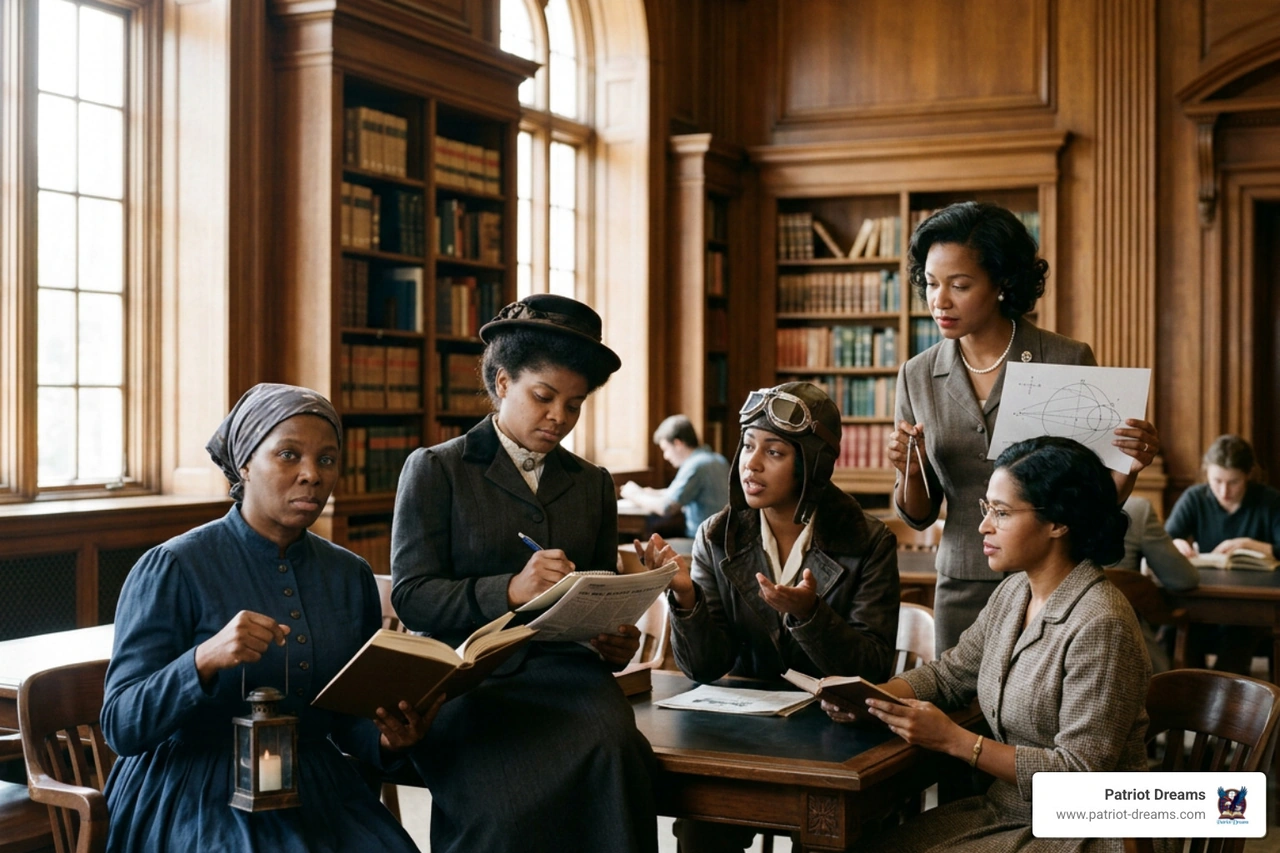
6. On Her Own Ground: The Life and Times of Madam C.J. Walker by A'Lelia Bundles
Written by her great-great-granddaughter, this definitive biography chronicles the extraordinary rise of Sarah Breedlove, known worldwide as Madam C.J. Walker. Born to sharecroppers in Delta, Louisiana, in 1867, Walker worked for years as a laundress before developing innovative hair care formulas.
She built an international manufacturing enterprise, employed thousands of independent sales agents, and generously funded educational scholarships and social causes. Learn more about her enterprise on the official Madam C.J. Walker biography site.
7. Maggie L. Walker: A Right Worthy Grand Secretary (and Biographical Studies) by Muriel Miller Branch
Maggie Lena Walker transformed a fraternal mutual-aid organization into a hub of local economic vitality in Richmond, Virginia. In 1903, she chartered the St. Luke Penny Savings Bank, becoming the first African American woman in the United States to found and lead a bank.
Her historic residence in the Jackson Ward neighborhood is preserved today by the National Park Service, honoring her lifelong motto of turning "nickels into dollars" to help families purchase homes and achieve financial stability. Discover more through the Maggie L. Walker National Historic Site.
8. Crusade for Justice: The Autobiography of Ida B. Wells edited by Alfreda M. Duster
Ida B. Wells-Barnett was an intrepid investigative journalist, editor, and anti-lynching advocate who used the power of factual reporting to awaken the nation's conscience. Her autobiography recounts her early life in Holly Springs, Mississippi, her courageous writing for Memphis newspapers, and her tireless work establishing civic clubs, settlement houses, and suffrage groups in Chicago. Read about her groundbreaking reporting in our tribute to Ida B. Wells journalist.
Courage and Resilience in the Desegregation Movement
9. Rosa Parks: My Story by Rosa Parks (with Jim Haskins)
Rosa Parks’s quiet, resolute refusal to surrender her seat on a segregated Montgomery bus on December 1, 1955, helped ignite a nationwide civil rights movement. In her own words, Parks dispels the myth that she acted simply because she was physically tired; she was tired of injustice. Her autobiography shares a lifetime of dedicated service, community organizing, and voter registration efforts. Discover the full context in the Rosa Parks story.
10. Equal Justice Under Law: The Life of Constance Baker Motley by Constance Baker Motley
Constance Baker Motley played a monumental role in desegregating schools, universities, and public facilities across America. As a leading attorney for the NAACP Legal Defense and Educational Fund, she drafted the original complaint in Brown v. Board of Education and won nine of the ten civil rights cases she argued before the U.S. Supreme Court. In 1966, she was appointed the first African American female federal judge. Her memoir offers an inspiring look at the dedication required to ensure equal protection under the law.
Her legal efforts supported young students facing difficult transitions during school desegregation, mirroring the quiet grace seen in young pioneers like six-year-old Ruby Bridges. You can read more about that historic moment in Ruby Bridges courage.
Frequently Asked Questions About Books on Black Women's History
Who was the first African American woman to publish a book?
Phillis Wheatley became the first African American author to publish a book of poetry in 1773 with the release of Poems on Various Subjects, Religious and Moral. Born in West Africa and brought to Boston, Wheatley mastered English, Latin, and Greek literature as a youth, earning international acclaim for her lyrical verse and intellectual brilliance.
Which books best cover lesser-known Black women pioneers in STEM and aviation?
Books such as Margot Lee Shetterly’s Hidden Figures and Doris L. Rich’s Queen Bess: Daredevil Aviator celebrate groundbreakers in science and flight:
- Bessie Coleman: Earned her international pilot's license in France in 1921 after being denied admission to American flight schools.
- Dr. Rebecca Lee Crumpler: Graduated from the New England Female Medical College in 1864, becoming the nation's first Black female physician.
- Dr. Mae Jemison: A physician and chemical engineer who made history in 1992 as the first African American woman in space.
How do biographers preserve the legacies of early African American women leaders?
Biographers rely on a careful blend of family correspondence, local church registers, historical newspapers, institutional ledgers, and oral histories. By cross-referencing public archives with personal papers, historians restore context to stories that were once passed down primarily through spoken memories.
Conclusion
The inspiring journeys of these women remind us that progress begins when individuals choose to lead with kindness, perseverance, and civic courage. Whether through Maria Stewart’s early speeches, Maggie L. Walker’s community bank, or Rosa Parks’s steadfast stand, their life stories show how hope and hard work shape our shared heritage.
At Patriot Dreams, we bring these heartfelt narratives to life through interactive audio storytelling and digital heritage mapping, making it simple for your family to walk in the footsteps of history’s greatest pioneers. We invite you to explore inspiring stories of American historical figures and preserve your own family's cherished memories for generations to come.

Join the Patriot Dreams Community
Download the app today and start your journey through American history and personal legacy.

Explore Our Latest Insights
Dive into stories that shape our American legacy.