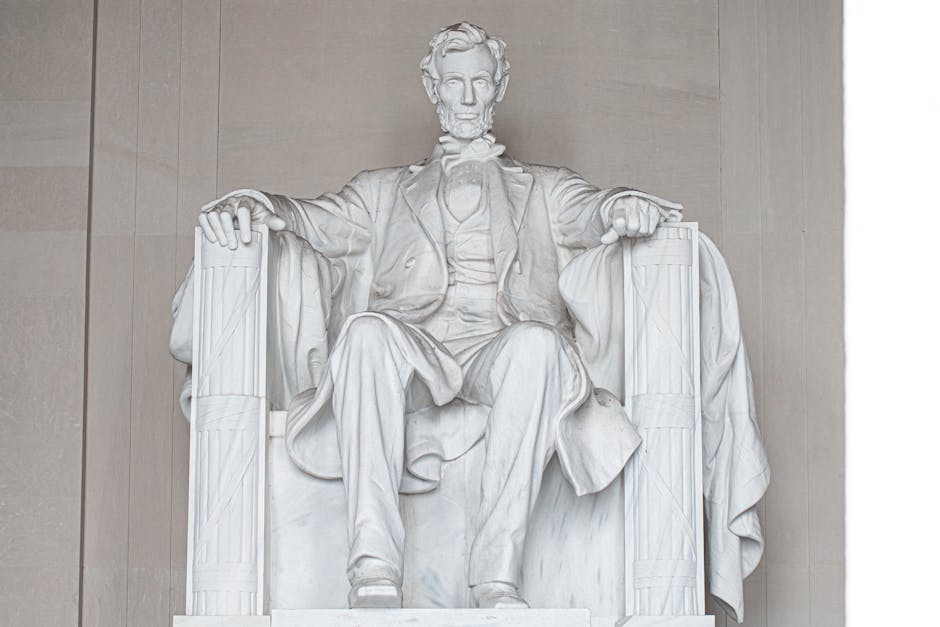
The 56 Signers Who Risked It All for Independence
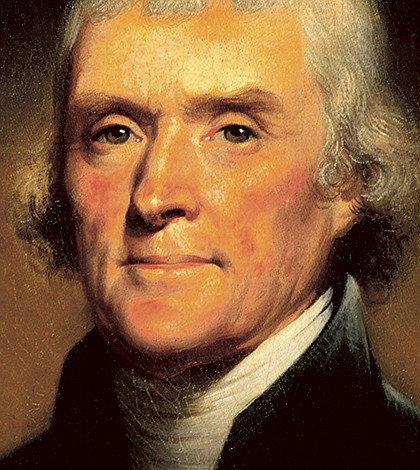

The Brave Men Behind America's Most Important Signature
How many delegates signed the Declaration of Independence? Exactly 56 delegates signed the Declaration of Independence, representing all 13 original American colonies.
Here is a quick summary of the key facts:
| Question | Answer |
|---|---|
| Total signers | 56 delegates |
| Document adopted | July 4, 1776 |
| Formal signing date | August 2, 1776 |
| Last signature added | November 1776 |
| Colonies represented | 13 |
Picture Philadelphia in the summer of 1776. The air is thick and warm. A group of men — lawyers, farmers, merchants, and doctors — gather in a single room. They know what they are about to do could cost them everything.
Benjamin Rush, one of those 56 men, later described the moment of signing as putting pen to "our own death warrants."
That is not a small thing. These were real people with families, homes, and futures at stake. And yet, one by one, they stepped forward.
Most Americans picture a grand ceremony on July 4th. The truth is quieter — and even more moving. Most delegates signed the engrossed parchment on August 2, 1776, nearly a month after the text was adopted. Some signed even later than that.
This is the story of those 56 men — who they were, when they actually signed, what it cost them, and why their courage still matters today.
How Many Delegates Signed the Declaration of Independence?
When we look back at the birth of our nation, the number 56 stands out as a symbol of shared resolve. But why exactly 56?
The Second Continental Congress was made up of representatives from across the thirteen colonies. While many more delegates attended the sessions in Philadelphia over the course of 1776, only 56 placed their signatures on the final, official document.
To understand how we arrived at this number, we have to look at what happened after the text was approved. On July 4, 1776, the Continental Congress formally adopted the written text of the Declaration. However, that famous parchment document we see today in the National Archives did not exist yet.
On July 19, 1776, Congress ordered the document to be "engrossed on parchment." Engrossing meant copying the final text in a large, beautiful, and clear handwriting onto a high-quality sheet of animal skin. Once this physical parchment was prepared, the delegates began the process of signing.
If you would like to explore the deep meaning behind the words they signed, you can read our detailed guide on The Declaration of Independence: What It Really Says and Why It Still Matters.
To verify the official names and historical records of these brave individuals, you can also visit the Signers of the Declaration of Independence | National Archives.
The Timeline of Courage: July 4th vs. August 2nd
There is a wonderful, enduring myth that all 56 delegates stood in a crowded room on July 4, 1776, and signed the Declaration together. In reality, history was much more gradual, personal, and quiet.
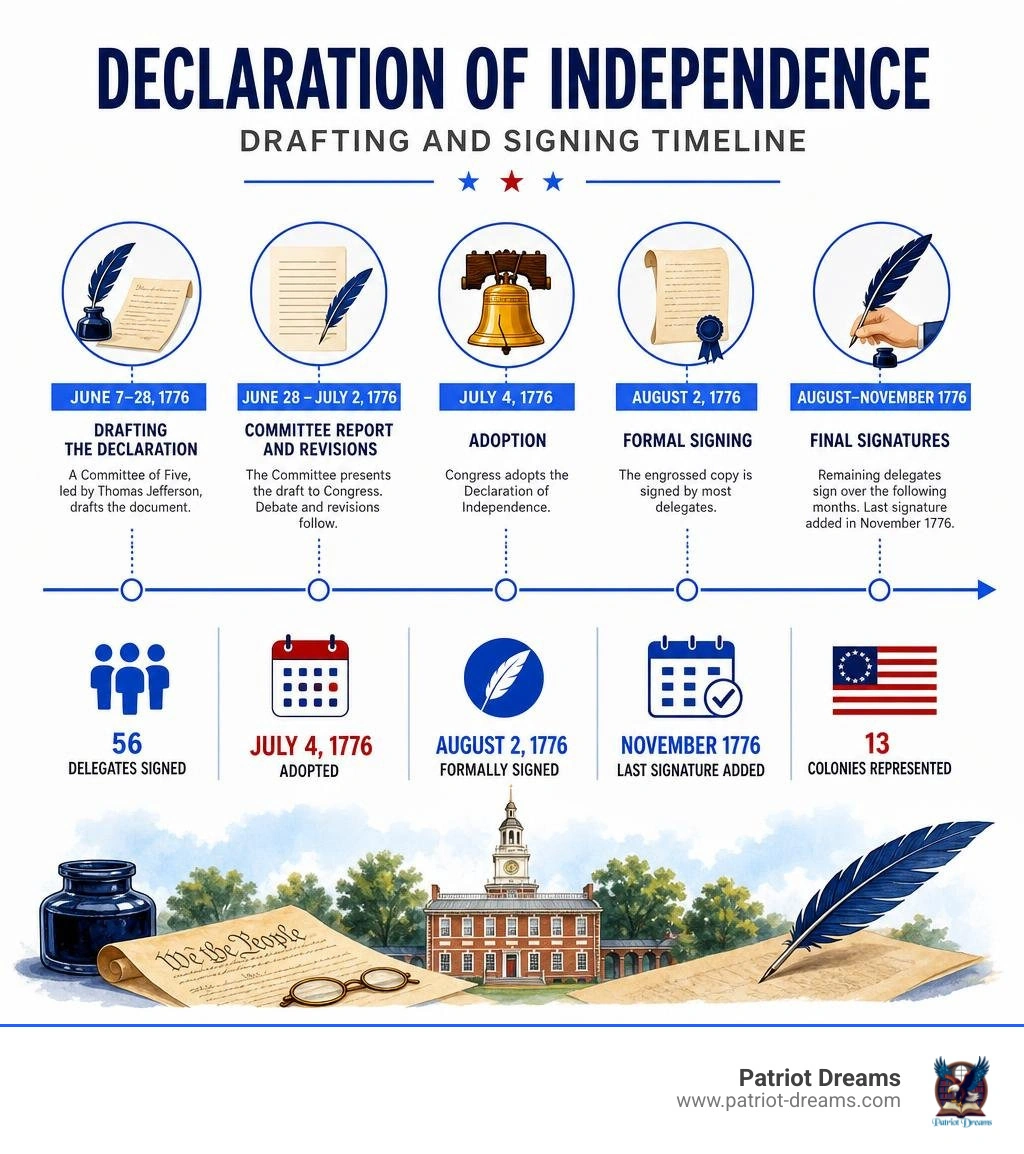
The timeline unfolded in steps:
- July 2, 1776: Congress voted to approve the Lee Resolution, formally declaring independence from Great Britain.
- July 4, 1776: Congress approved the final wording of the Declaration document. A printed version called the Dunlap Broadside was produced that evening to spread the news. It only bore the printed names of John Hancock (President of the Congress) and Charles Thomson (Secretary).
- July 19, 1776: Congress ordered the document to be officially engrossed.
- August 2, 1776: The physical signing ceremony began. Most of the delegates who were present in Philadelphia signed the parchment on this day.
- November 1776: Late-arriving delegates, such as Matthew Thornton of New Hampshire, added their names. Thornton signed so late that there was no space left next to his fellow New Hampshire delegates, forcing him to place his signature at the very bottom of the document.
- January 1777: Thomas McKean of Delaware is believed to have added his signature, completing the list of 56.
It was not until January 18, 1777, that the public learned the identities of all the signers. This was when the Goddard Broadside was printed and distributed, listing the names of the signers for the first time.
You can learn more about the details of this historic day by reading The First Fourth of July Celebration: A Nation Finds Its Voice or exploring the academic history of the Signing of the United States Declaration of Independence.
Discovering How Many Delegates Signed the Declaration of Independence by Colony
The signatures on the parchment are not placed at random. They are arranged in a specific geographical order from South to North. This was a common practice of the time, starting with the southernmost colony, Georgia, and ending with the northernmost colony, New Hampshire.
Here is how the 56 signers were divided among the 13 original colonies:
| Colony | Number of Delegates | Key Representatives |
|---|---|---|
| Georgia | 3 | Button Gwinnett, Lyman Hall, George Walton |
| South Carolina | 4 | Edward Rutledge, Thomas Heyward Jr., Thomas Lynch Jr., Arthur Middleton |
| North Carolina | 3 | William Hooper, Joseph Hewes, John Penn |
| Virginia | 7 | Richard Henry Lee, Thomas Jefferson, Benjamin Harrison, Thomas Nelson Jr. |
| Maryland | 4 | Samuel Chase, William Paca, Thomas Stone, Charles Carroll |
| Delaware | 3 | Caesar Rodney, George Read, Thomas McKean |
| Pennsylvania | 9 | Robert Morris, Benjamin Rush, Benjamin Franklin, John Morton, George Clymer |
| New Jersey | 5 | Richard Stockton, John Witherspoon, Francis Hopkinson, John Hart, Abraham Clark |
| New York | 4 | William Floyd, Philip Livingston, Francis Lewis, Lewis Morris |
| Connecticut | 4 | Roger Sherman, Samuel Huntington, William Williams, Oliver Wolcott |
| Rhode Island | 2 | Stephen Hopkins, William Ellery |
| Massachusetts | 5 | John Hancock, Samuel Adams, John Adams, Robert Treat Paine, Elbridge Gerry |
| New Hampshire | 3 | Josiah Bartlett, William Whipple, Matthew Thornton |
For a complete biographical directory of every single signatory, you can view the Signatories of the Declaration of Independence (All 56).
A Portrait of the Signers: Ages, Occupations, and Overlapping Legacies
When we think of the Founders, we often picture older, solemn men with powdered wigs. But the delegates were actually a diverse group of generations, representing a wide range of ages, backgrounds, and life experiences.
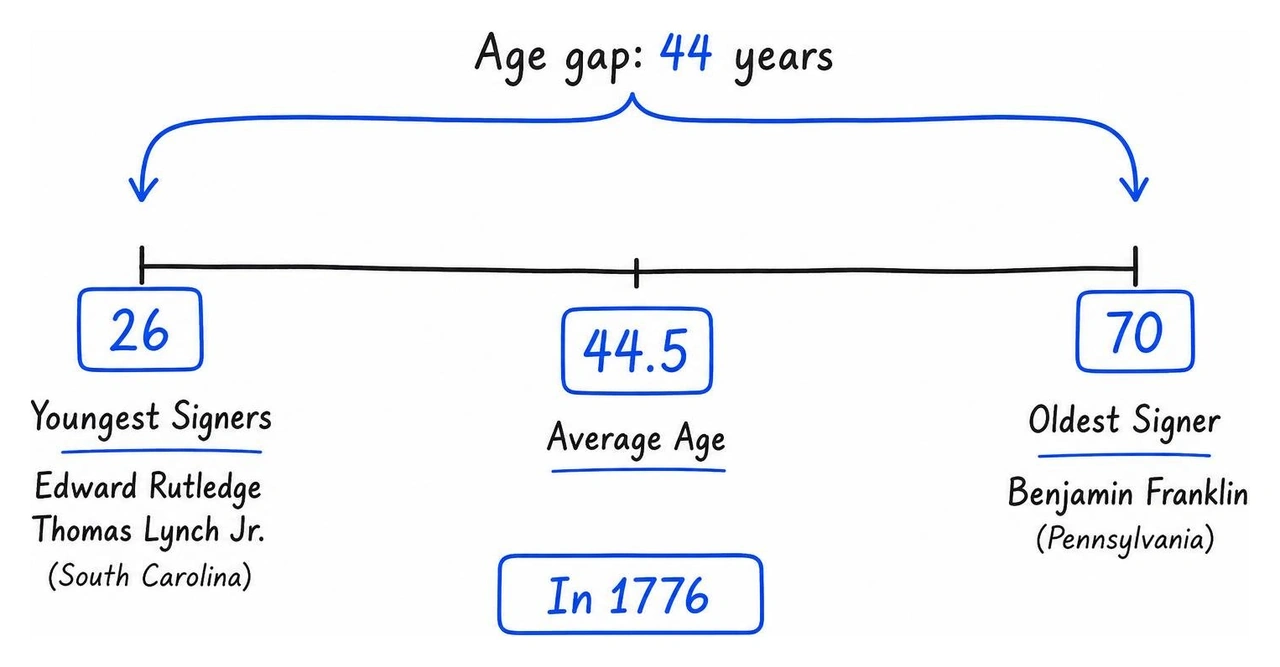
The average age of the signers in 1776 was 44.5 years old.
The oldest signer was Benjamin Franklin of Pennsylvania, who was 70 years old. He was a beloved elder statesman, known for his wisdom and gentle humor.
The youngest signers were both only 26 years old: Edward Rutledge and Thomas Lynch Jr., both representing South Carolina. They were young men with their entire lives ahead of them, yet they chose to stand alongside their elders in this dangerous act of patriotism.
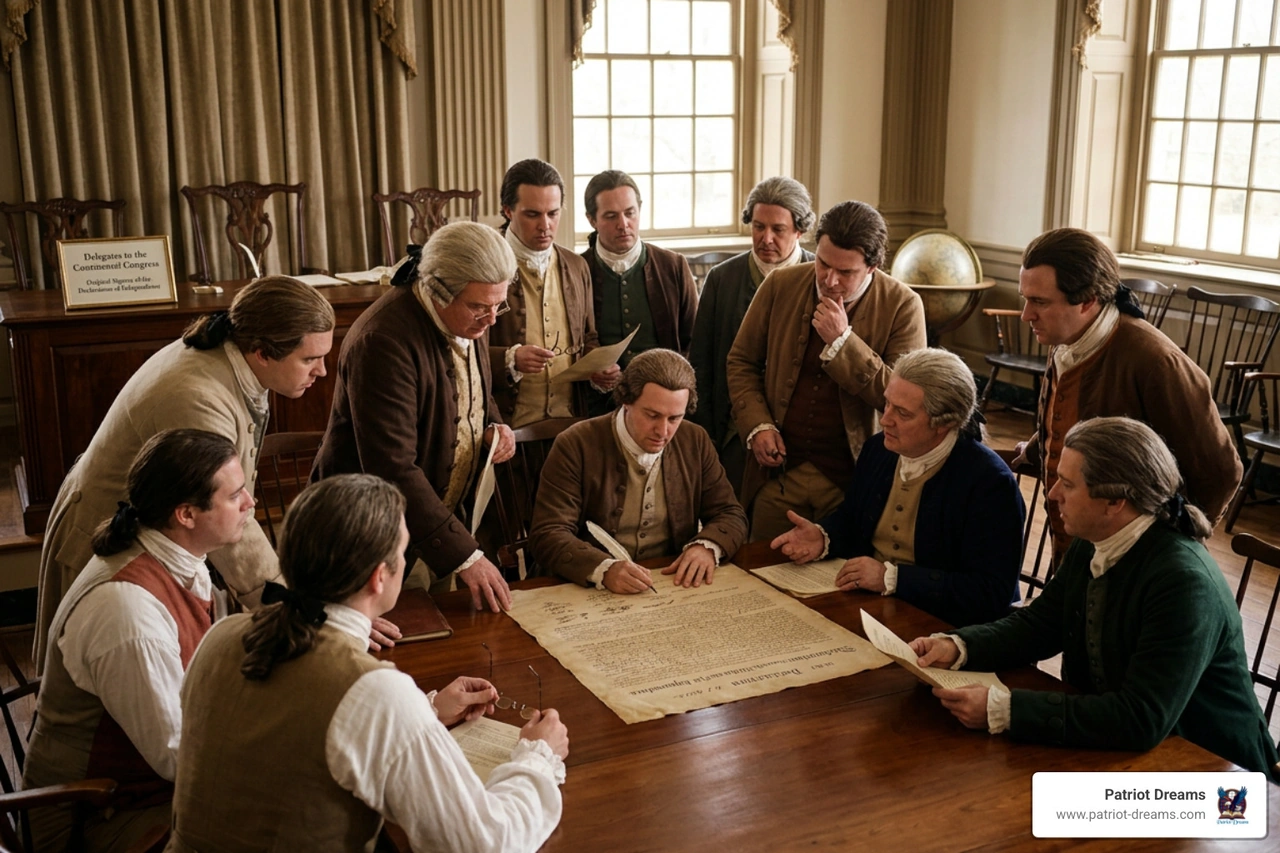
To learn more about the lives of these men, read our article on Who Are Founding Fathers of USA.
The Diverse Occupations of the Fifty-Six Signers
The signers were not all of a single profession. They represented the vibrant, working fabric of early American life. While many had studied law, they also worked with their hands, managed land, and cared for the sick.
- Lawyers (23): The most common profession. These men understood the legal implications of breaking away from the British Crown.
- Merchants (12): Men of commerce who risked their businesses and trade networks.
- Plantation Owners and Farmers (12): Men who worked the land and relied on agriculture.
- Physicians (4): Doctors who cared for their communities, including Dr. Benjamin Rush.
- Ministers (1): John Witherspoon of New Jersey, a prominent Presbyterian minister and president of the College of New Jersey (now Princeton).
- Printers and Scientists: Including Benjamin Franklin, who was a printer, publisher, and world-renowned scientist.
You can explore a deeper breakdown of their personal and professional lives at Who Were the Signers of the Declaration of Independence? | American Battlefield Trust.
Overlapping Legacies: Signers of Both the Declaration and the Constitution
Writing a declaration of war is one thing; building a working government is another. Eleven years after the summer of 1776, many of these same men gathered again in Philadelphia to draft the U.S. Constitution.
Only six extraordinary men had the distinction of signing both the Declaration of Independence and the U.S. Constitution:
- Roger Sherman of Connecticut
- Benjamin Franklin of Pennsylvania
- James Wilson of Pennsylvania
- George Read of Delaware
- George Clymer of Pennsylvania
- Robert Morris of Pennsylvania
These six individuals helped bridge the gap between the spirit of 1776 and the stable, constitutional republic established in 1787. You can find more about their contributions in our overview of the Founding Fathers.
The Human Cost: Sacrifices, Non-Signers, and the Last Survivor
By signing the Declaration, these 56 men were committing high treason against the British Crown. Under British law, the punishment for treason was death by hanging.
There is a popular internet legend that almost all the signers were completely ruined, tortured, or executed by the British. While that is an exaggeration, the actual, sober truth is still deeply moving. They suffered immensely for the cause of freedom.
- Richard Stockton of New Jersey was captured by the British, thrown into a brutal military prison, and starved. His home was looted, his library burned, and his health was permanently broken. He died in 1781 before seeing the war end.
- Francis Lewis of New York had his home destroyed by British soldiers. His wife, Elizabeth, was taken prisoner and held in brutal conditions for months without proper food or warmth. Her health declined, and she passed away shortly after her release.
- Abraham Clark of New Jersey had two sons captured and held on the notorious British prison ship Jersey, where thousands of American prisoners died. Despite their suffering, Clark refused to recant his support for independence.
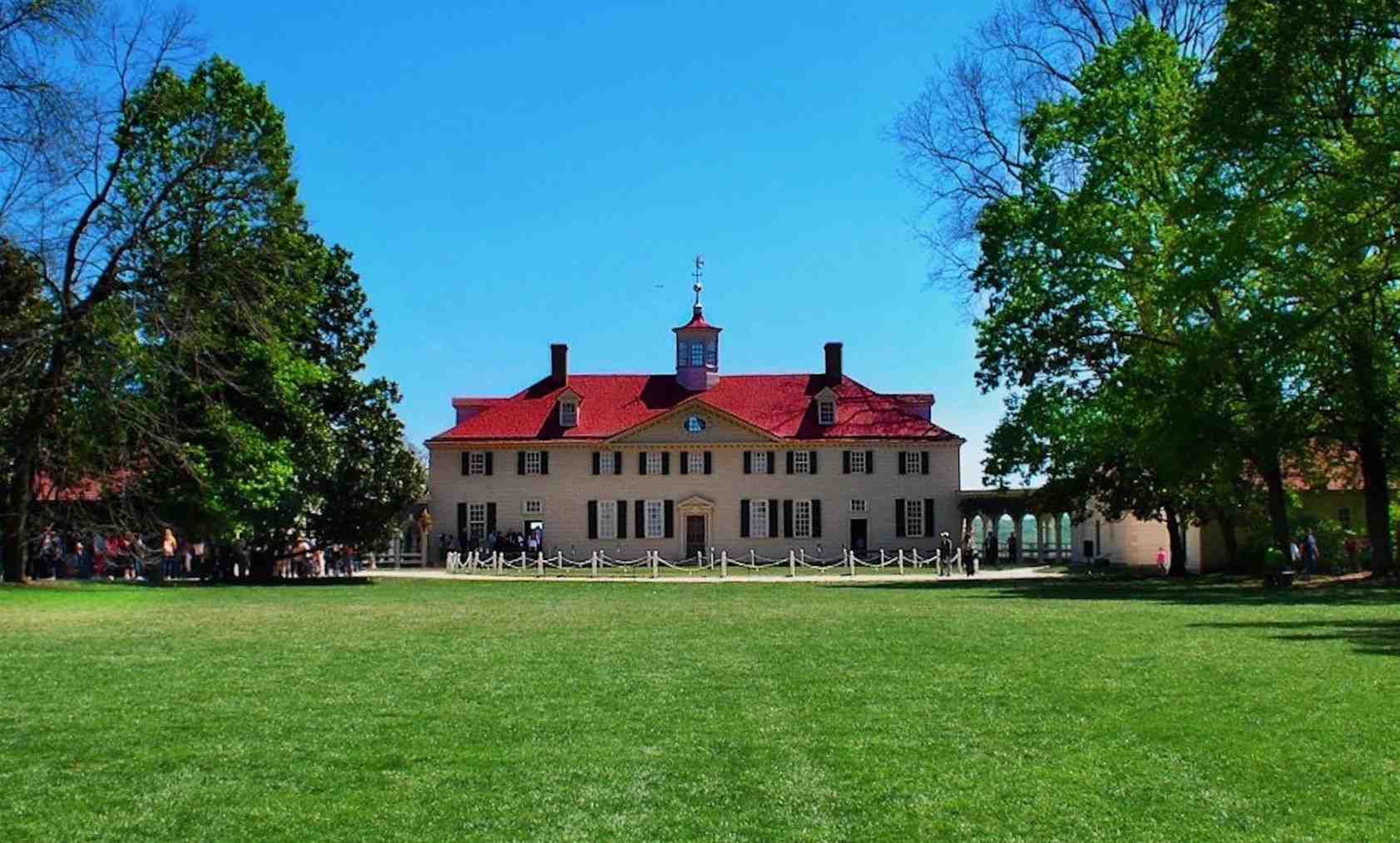
These men did not just sign a piece of paper; they offered up their families, their safety, and their peace of mind. To read about other patriots who stood firm during these dark times, check out our profile on Samuel Adams Patriot.
Present for the Vote but Never Signed
Not everyone who participated in the debates in Philadelphia ended up signing the document. In fact, nine delegates who were present during the voting in July never signed the Declaration.
The most famous of these was John Dickinson of Pennsylvania. Dickinson was a deeply patriotic man who loved his country, but he believed that declaring independence in July 1776 was premature. He thought the colonies should first secure a foreign alliance and establish a unified government. Because of his principles, he refused to sign. Yet, showing his true character, he immediately left Congress to serve as a private in the militia to fight for the American cause.
Another notable figure was Robert R. Livingston of New York. He was actually a member of the Committee of Five that helped draft the Declaration alongside Thomas Jefferson, John Adams, Benjamin Franklin, and Roger Sherman. However, he was recalled to New York before the signing ceremony took place.
To learn more about the drafting process and the debates, you can read Thomas Jefferson and the Declaration of Independence: How a Nation Found Its Voice.
The Last Surviving Signer and Presidential Legacies
As the decades passed, the signers slowly slipped away, leaving a grateful nation to carry on their legacy.
Charles Carroll of Carrollton, Maryland, was the last surviving signer. He was also the only Roman Catholic to sign the document. He lived a long, prosperous life, passing away on November 14, 1832, at the remarkable age of 95.
Perhaps the most beautiful and poetic event in early American history occurred on July 4, 1826 — the exact 50th anniversary of the adoption of the Declaration. On that day, the only two future U.S. presidents to sign the document, John Adams and Thomas Jefferson, passed away within hours of each other.
Adams's last words were said to be, "Thomas Jefferson survives," unaware that his dear friend and former rival had passed away just a few hours earlier at Monticello.
You can find more fascinating stories about Jefferson's life in our collection of Thomas Jefferson Facts.
Frequently Asked Questions About the Signers
How Many Delegates Signed the Declaration of Independence on July 4, 1776?
Most historians agree that only two men signed the document on July 4, 1776: John Hancock (President of the Congress) and Charles Thomson (Secretary). They signed the printed Dunlap Broadside to certify the text so it could be sent to the printer and distributed to the public. The remaining delegates signed the engrossed parchment on August 2, 1776, or in the months that followed.
Who was the youngest person to sign the Declaration of Independence?
The youngest signer was Edward Rutledge of South Carolina, who was just 26 years old when he signed on August 2, 1776. His fellow South Carolina delegate, Thomas Lynch Jr., was also 26 years old, born just three months before Rutledge.
Which famous patriots did not sign the Declaration of Independence?
Several prominent Founding Fathers did not sign the Declaration because they were serving elsewhere. George Washington was in New York commanding the Continental Army. Alexander Hamilton was also serving in the army. John Jay was serving in the provincial congress of New York, and Patrick Henry was serving as the Governor of Virginia.
To hear the words of those who spoke out for liberty during this era, you can read about the famous Patrick Henry Speech.
Conclusion
When we ask ourselves how many delegates signed the Declaration of Independence, the number 56 reminds us of the power of unity. These 56 individuals came from different walks of life, held different views, and represented different regions. Yet, they found a way to stand together, bound by a shared dream of a free and self-governing nation.
As we celebrate the 250th anniversary of the Declaration of Independence this year in July 2026, we are reminded that our nation's story is built on the quiet, everyday courage of individuals who believed in something larger than themselves. You can read more about this historic milestone in our look ahead to The 250th Anniversary of the Declaration of Independence.
At Patriot Dreams, we believe that history is not just a list of dates and names on a page. It is a collection of living, breathing human stories. Through our interactive audio map and unique listening modes, we bring the voices, sacrifices, and legacies of the Declaration Independence Signers to life.
We invite you to join us on this journey of discovery. Let us listen to the voices of our past, preserve our family legacies, and keep the spirit of 1776 alive in our hearts today.
Join the Patriot Dreams Community
Download the app today and start your journey through American history and personal legacy.

Explore Our Latest Insights
Dive into stories that shape our American legacy.